Oh no! Do you feel that little twinge of discomfort again? Whether it’s a mild headache after a long day at work or that nagging backache due to hours spent sitting in front of your computer, pain is an unwelcome guest that seems to pop up at the most inconvenient times.
It gets in the way of our daily activities, distracts us from our tasks, and generally dampens our spirits. But what if we told you that there’s a secret weapon in your kitchen cabinet that could help combat this pesky visitor?
Yes, we’re talking about Omega-3 fatty acids, those tiny but mighty components of your favorite fish oil supplement, or that delicious piece of salmon you had for dinner last night.
Don’t worry if you’re not familiar with Omega-3s just yet. This blog will gently guide you through what they are, their potential role in providing pain relief, and how you can incorporate them into your daily routine.
So, grab a cup of your favorite warm beverage, sit back, and let's embark on this journey into the world of Omega-3 fatty acids together!
A deep dive into Omega-3 fatty acids

Simply put, Omega-3 fatty acids are a type of fat that your body needs for numerous functions, from muscle activity to cell growth. However, your body cannot produce these crucial fatty acids on its own, so it's necessary to get them from your diet.
Omega-3 fatty acids come in three primary forms: alpha-linolenic acid (ALA), eicosapentaenoic acid (EPA), and docosahexaenoic acid (DHA). ALA is found in plant oils such as flaxseed, soybean, and canola oils. DHA and EPA are found in fish, fish oils, and krill oils, but they can also be made from ALA if you consume enough of it.
The science behind pain relief
Next up is understanding the science behind pain relief. When you experience pain, it's your body's way of telling you that something is wrong.
Pain can stem from an injury or inflammation, and in response to this discomfort, your body releases chemicals called prostaglandins that accelerate the healing process but also trigger pain signals.
Now, here’s where Omega-3 fatty acids come into play. Omega-3 fatty acids have anti-inflammatory properties that help reduce the production of these pain-triggering chemicals. They convert into compounds that are much less inflammatory and even have anti-inflammatory benefits. This process eventually helps manage and relieve pain.
The connection between Omega-3 and pain relief
Now that we understand the properties of Omega-3 fatty acids and how pain relief mechanisms function, let's delve into the connection between the two.
Extensive research has demonstrated that Omega-3 fatty acids play a crucial role in managing various types of pain, spanning from menstrual discomfort to arthritis-related pain and beyond.
Omega-3 fatty acids exhibit remarkable anti-inflammatory properties, making them effective in alleviating pain stemming from inflammatory conditions. By modulating inflammatory pathways in the body, Omega-3s can attenuate the production of pro-inflammatory molecules, thereby mitigating inflammation, which is a primary contributor to pain sensation.
Moreover, Omega-3 fatty acids possess the ability to inhibit nerve impulses responsible for transmitting pain signals to the brain. By interfering with these pain pathways, Omega-3s can directly attenuate the perception of discomfort, providing relief for individuals suffering from various painful conditions.
Furthermore, emerging evidence suggests that Omega-3 fatty acids may enhance the efficacy of traditional pain-relieving medications.
By complementing the action of analgesic drugs, Omega-3s can potentiate their effects, potentially enabling lower dosages and less frequent use of these medications. This synergy between Omega-3s and conventional pain relievers offers a promising avenue for optimizing pain management strategies while minimizing the risk of adverse effects associated with high doses of analgesics.

Sources of Omega-3 fatty acids
So, where can we discover these beneficial Omega-3 fatty acids?
Let’s explore some excellent sources that can easily be incorporated into your diet:
1. Nuts and seeds
- Nuts and seeds offer a plant-based source of Omega-3 fatty acids, making them an excellent option for vegetarians and vegans.
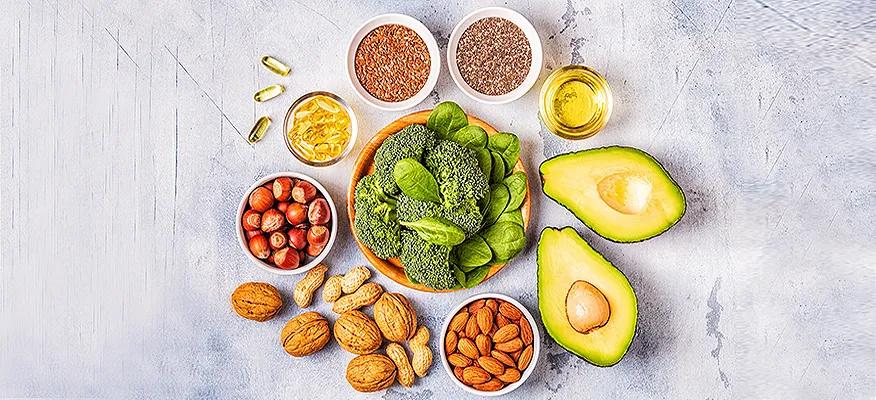
- Flaxseeds, chia seeds, and walnuts are notable examples that boast high Omega-3 content. Sprinkling these seeds on salads, oatmeal, or yogurt or incorporating walnuts into baked goods or trail mixes can easily increase your Omega-3 intake.
2. Plant oils
- Certain plant oils serve as concentrated sources of Omega-3 fatty acids, providing a convenient way to incorporate these beneficial fats into your cooking.
- Flaxseed oil, soybean oil, and canola oil are among the plant oils that contain Omega-3s. Using these oils for salad dressings, dips, or light sautéing can enhance the nutritional profile of your meals.
3. Fortified foods
- Some food products are fortified with Omega-3 fatty acids to enhance their nutritional value.
- Certain brands of eggs, yogurt, juices, milk, and soy beverages may be fortified with Omega-3s, providing an additional dietary source for those seeking to increase their intake.
How to incorporate Omega-3 into your diet
Incorporating Omega-3 fatty acids into your diet is not only beneficial but also quite straightforward.
Here are some practical and delicious ways to boost your Omega-3 intake:
1. Sprinkle nuts or seeds on your salads or morning cereal
- Nuts and seeds are versatile and convenient sources of Omega-3 fatty acids.
- Sprinkle a handful of walnuts, almonds, flaxseeds, or chia seeds on your salads, yogurt, or morning cereal to add a crunchy texture and boost your Omega-3 intake.
- You can also incorporate these nuts and seeds into baked goods, smoothies, or homemade granola for an extra nutritional punch.
2. Cook with flaxseed oil
- Cooking with canola oil or flaxseed oil is an excellent way to infuse your meals with Omega-3 fatty acids. Both oils are rich sources of ALA.
3. Incorporate Omega-3-rich foods into your recipes
- Get creative in the kitchen by incorporating Omega-3-rich foods into your favorite recipes.
- Blend flaxseed meal into pancake or waffle batter, or mix it into homemade muffins or bread dough for a nutritious twist on your favorite baked goods.
Precautions and considerations

While Omega-3 fatty acids have numerous benefits, it's still essential to take precautions.
If you’re considering adding an Omega-3 supplement to your diet, it’s best to consult your healthcare provider first. This is especially important if you are pregnant, nursing, or taking medication for a pre-existing health condition.
People with allergies to fish or shellfish should also be cautious, as many Omega-3 supplements are made from fish oil.
Also, remember that while Omega-3 supplements can help support overall health, they're not a substitute for a balanced diet.

Conclusion
Omega-3 fatty acids play a crucial role in our overall health, including the potential for pain relief. By understanding Omega-3 and incorporating it into our diets, we can take a proactive step toward managing pain in a natural and sustainable way.
Remember to consider any precautions and always consult with a healthcare provider before starting any new supplement regimen. With careful thought and consideration, Omega-3 fatty acids can act as a valuable ally in your journey toward better health and well-being.
So, whether you are experiencing chronic pain or looking for preventative health measures, consider the role of Omega-3 fatty acids. From sources like fish and nuts to flaxseed oil, there are numerous ways to ensure you’re getting enough of these essential nutrients in your diet. And remember, every step you take toward incorporating omega-3 is a stride toward a healthier, more vibrant you!
Meet our expert

Meet our expert
Dr Sylvia Kama-Kieghe is a UK-based General Practitioner with a special interest in Women's Health and founder of Askawayhealth. She's also a tutor and medical student examiner. She is a Fellow of the Royal College of General Practitioners (FRCGP), Fellow of the Royal Society of Public Health (FRSPH), Fellow of the Royal Society of Medicine (FRSM), and holds a Diploma of the Faculty of Sexual and Reproductive Healthcare (DFSRH).



How was the experience with article?
We'd love to know!