
Key takeaways
- Excessive sleepiness may stem from lifestyle, diet, or health issues.
- Consistent sleep schedules and balanced diets can improve energy.
- Simple daily exercises can naturally boost alertness.
- Identifying stressors and managing them aids in better
Feeling sleepy all the time is not just about poor sleep — it can be caused by nutritional deficiencies, chronic stress, underlying health conditions, or an inconsistent daily routine. Persistent excessive sleepiness affects energy, focus, and overall quality of life. Understanding the root cause of why you always feel sleepy — and fixing it through diet, sleep schedules, and natural lifestyle changes — can restore your vitality.
That 3 PM energy crash hits again. You're staring at your laptop screen, fighting to keep your eyes open despite having what felt like a decent night's sleep. Your coworkers seem energized while you're mentally calculating how many cups of coffee it would take to feel human again. If you find yourself wondering why you always feel sleepy, you're experiencing something millions of people struggle with daily.
Constant drowsiness is about needing more rest, yes. Still, it is also a complex web of lifestyle habits, health factors, and sleep quality issues that can be unraveled and addressed naturally.
Understanding Excessive Sleepiness
Excessive daytime sleepiness (EDS) is persistent drowsiness and lack of energy that continues even after you've had what should be adequate nighttime sleep. When you have EDS, you struggle to stay awake during normal daily activities: nodding off during conversations, fighting to keep your eyes open while driving, or feeling an overwhelming urge to nap at inappropriate times.
The key differences: sleepiness vs. fatigue vs. tiredness
Many people confuse sleepiness with fatigue, but they're distinctly different experiences:
- Sleepiness is that irresistible pull toward sleep: heavy eyelids, difficulty focusing, and the feeling that you could fall asleep anywhere.
- Fatigue is a general exhaustion that leaves you feeling drained and sluggish, yet you can still stay awake despite the discomfort.
- Tiredness is typically temporary and resolves with adequate rest.
Everybody is different, but adults generally need 7–9 hours of quality sleep per night. However, it's not just about hitting that number; the quality of your sleep matters enormously. You might spend 8 hours in bed, but still wake up exhausted if your sleep is fragmented, shallow, or interrupted. Your body needs to cycle through all sleep stages, including deep sleep and REM sleep, to feel truly refreshed.
Think of sleep like charging your phone. If you keep unplugging it before it reaches 100%, you'll start the day with a partially charged battery, no matter how long the charger was connected.
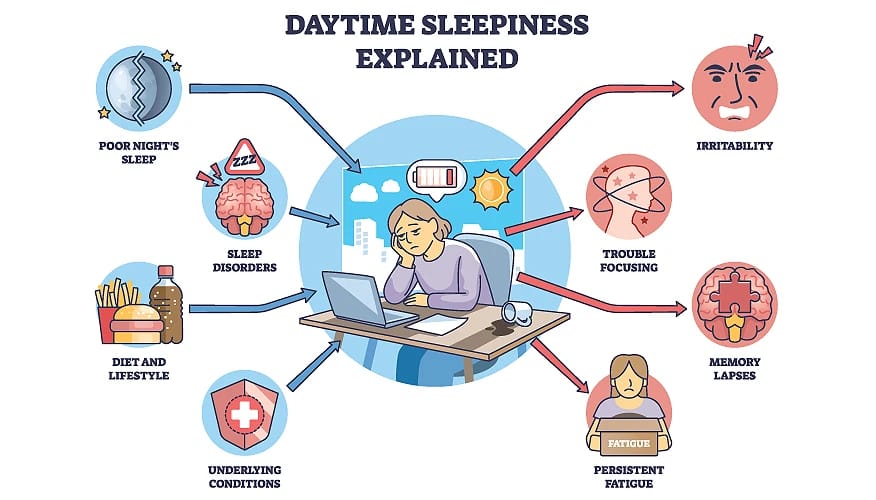
Common Reasons Why You Always Feel Sleepy
Here are some of the most common causes of sleepiness:
Poor Sleep Quality And Irregular Sleep Schedules
- Your body runs on an internal clock called the circadian rhythm, and when this gets disrupted, feeling sleepy all the time becomes inevitable.
- Staying up late scrolling through your phone, having different bedtimes throughout the week, or working irregular shifts throws this delicate system off balance.
- Even mild sleep restriction, such as consistently getting 6 hours instead of 7, can create a sleep debt that accumulates over time.
- Your brain literally cannot function optimally without adequate restorative sleep, leading to that persistent drowsiness that no amount of caffeine seems to fix.
Stress, Anxiety And Mental Overload
- When your mind is racing with work deadlines, family responsibilities, or financial concerns, your nervous system remains heightened even when you're trying to sleep. This emotional strain directly interferes with your sleep architecture, the natural progression through different sleep stages.
- Stress hormones like cortisol can remain elevated at night, preventing you from achieving the deep, restorative sleep phases where your brain consolidates memories and your body repairs itself.
Sleep Disorders: When Sleep Itself Is The Problem
Several sleep conditions can leave you feeling exhausted despite spending adequate time in bed:
- Sleep apnea causes repeated breathing interruptions during sleep, preventing restorative rest.
- Insomnia makes it difficult to fall or stay asleep, creating chronic sleep deprivation.
- Restless leg syndrome causes uncomfortable sensations that disrupt sleep quality throughout the night.
These conditions often go undiagnosed because the symptoms occur while you're asleep, but they significantly impact your daytime alertness and energy levels.
Poor diet and dehydration
- Your daily sugar intake directly impacts your energy levels throughout the day. High-sugar foods and refined carbohydrates create rapid blood sugar spikes followed by dramatic crashes, leaving you desperately craving rest or more sugar to feel functional again.
- A lack of nutrients, particularly iron, B vitamins, magnesium, and vitamin D, undermines your body's ability to produce and sustain energy. For women, especially, iron deficiency from menstrual blood loss can lead to anemia and persistent fatigue. Chronic dehydration also contributes to sleepiness, as your brain needs adequate water to function optimally.
Sedentary lifestyle
- Spending long hours sitting at a desk, in meetings, or during commutes creates a paradox: physical inactivity can actually increase daytime sleepiness.
- When you don't move regularly, your circulation slows, oxygen delivery to your brain decreases, and your body receives insufficient stimulation to maintain natural alertness.
- This creates a vicious cycle: feeling sleepy makes you less motivated to move, which makes you feel even more sluggish and tired.
Medical conditions and nutritional deficiencies
Several underlying health issues manifest as chronic sleepiness:
- Thyroid issues, particularly hypothyroidism, slow your metabolism and cause persistent fatigue.
- Anemia reduces oxygen delivery to your tissues and brain.
- Vitamin D deficiency contributes to fatigue and mood disturbances.
- Depression is strongly linked with excessive sleepiness.
- Chronic fatigue syndrome causes profound exhaustion unrelieved by rest.
These conditions require professional assessment but often improve significantly with targeted interventions and lifestyle modifications.
Natural Ways To Stop Feeling Sleepy All The Time
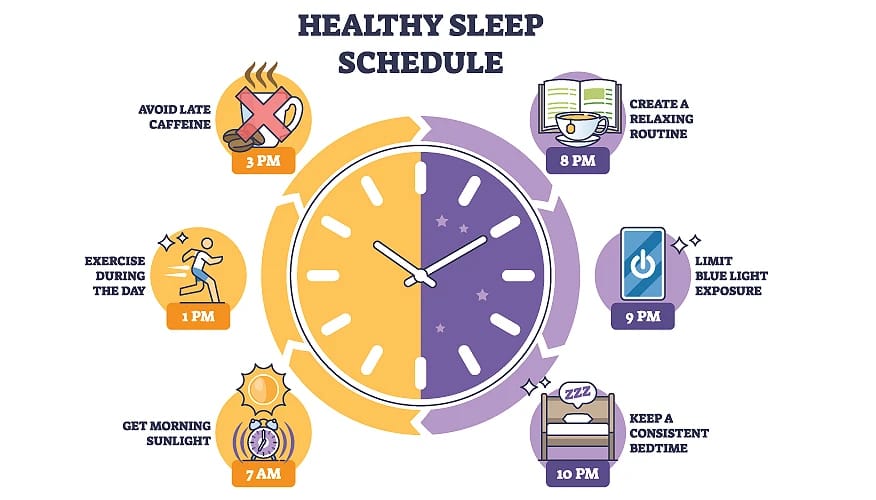
Follow along for non-medical ways to fix sleepiness:
Fix Your Sleep Schedule: Consistency Creates Energy
Your body craves predictability. Going to bed and waking up at the same time every day—yes, even on weekends—helps regulate your internal clock and dramatically improves both sleep quality and daytime alertness.
Create a consistent bedtime routine that signals to your body it's time to wind down. This might include dimming lights, avoiding screens, or practicing relaxation techniques. Your brain will begin preparing for sleep automatically once this routine becomes established.
If you need to nap, limit it to 20–30 minutes maximum and take it before 3 PM. Longer naps can push you into deep sleep, leaving you groggy when you wake up.
Cut Down On Caffeine And Sugar: Stabilize Your Energy
Avoid caffeine after 3 PM, as it can stay in your system for 6–8 hours and interfere with nighttime sleep quality. This disruption creates a cycle where poor sleep leads to more caffeine dependence, which leads to even worse sleep.
Instead of relying on sugar for quick energy, eat balanced meals containing protein, healthy fats, and complex carbohydrates. These combinations provide sustained energy release without the dramatic crashes that trigger afternoon sleepiness.
Move Your Body: Activate Natural Alertness
You don't need intense workouts to boost your energy. Even light exercise after eating, such as a 10-minute walk or simple stretching, can interrupt sedentary periods and combat drowsiness.
Regular movement enhances oxygen delivery to your brain and naturally increases wakefulness.
Try incorporating movement breaks every hour during your workday: stand up, stretch, or walk around your office. Your body and mind will thank you with increased alertness.
Eat For Energy: Nutrient-Dense Choices
Focus on foods that support sustained energy production:
- Magnesium-rich foods: Pumpkin seeds, almonds, dark leafy greens, legumes
- Iron-rich foods: Lean meats, fortified cereals, beans, dried fruits
- B-vitamin sources: Whole grains, eggs, yogurt, leafy vegetables
- Vitamin D sources: Fatty fish, egg yolks, fortified dairy products
These nutrients support energy metabolism, oxygen transport, and overall cellular function, helping you maintain steady energy levels throughout the day.
Manage Stress Before Bed: Calm Your Nervous System
Implement stress-reduction techniques 30–60 minutes before bedtime to prepare your body for restorative sleep:
- Deep breathing exercises activate your body's relaxation response.
- Journaling helps externalize worries and mental clutter.
- Herbal teas containing chamomile, passionflower, or ashwagandha provide gentle relaxation.
These practices signal to your nervous system that it's safe to rest, promoting deeper, more restorative sleep.
Track Your Sleep Patterns: Understand Your Unique Needs
Monitor your sleep and energy patterns to identify personal triggers and solutions. Note your bedtime, wake time, sleep quality, caffeine intake, exercise timing, and stress levels.
This data helps you understand what specific factors most impact your alertness and allows you to make targeted adjustments.
When To Seek Professional Help
If you continue to feel tired and sleepy for more than 2–3 weeks despite implementing natural lifestyle changes, it's time to consult a healthcare professional. This timeframe allows your body to adjust to new habits while recognizing when underlying conditions need expert evaluation.
If you've consistently maintained good sleep hygiene, managed stress, optimized nutrition, and increased physical activity without improvement, consulting a sleep specialist or primary care physician is essential. They can identify medication side effects, hormonal imbalances, or other medical conditions contributing to your sleepiness.
You should also seek medical attention if you suspect:
- Sleep apnea: Loud snoring, witnessed breathing pauses, or gasping awake
- Thyroid issues: Unexplained weight changes, temperature sensitivity, or mood shifts
- Chronic fatigue: Profound exhaustion that's disproportionate to your activity level
These conditions require proper medical diagnosis through blood tests, sleep studies, or specialized assessments.
Conclusion
Understanding why you always feel sleepy starts with recognizing that persistent drowsiness rarely happens without reason. Your body is communicating through fatigue, signaling imbalances in sleep quality, stress levels, nutrition, physical activity, or underlying health status.
The path forward doesn't require dramatic overnight changes. Start by choosing one or two natural modifications that feel most manageable for your current lifestyle.
Find your ideal bedtime with our Sleep Cycle Calculator and wake up energized. Take the first step toward reclaiming your natural vitality today.
How was the experience with the article?
We'd love to know