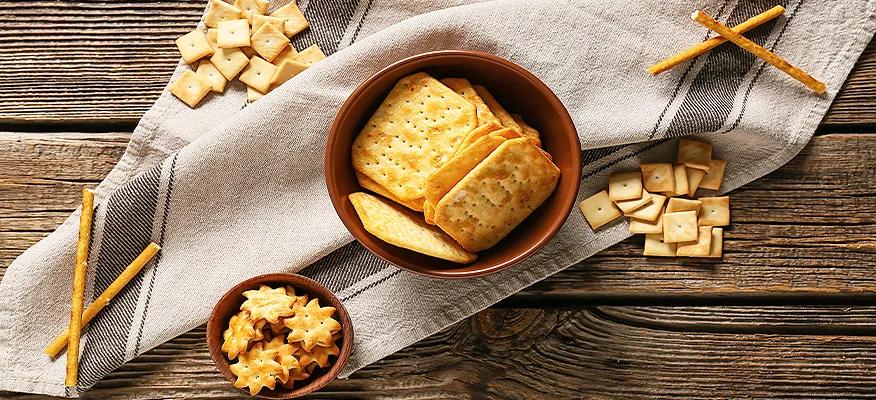
That familiar crunch of a cracker paired with your evening tea might seem harmless enough, but if you're managing diabetes, you've probably wondered whether this simple snack is working for or against your blood sugar goals.
The good news? Crackers for diabetics can absolutely be part of your healthy eating plan—you just need to know which ones to choose and how to enjoy them smartly.

Are crackers ok for diabetics?
The short answer is yes, but with an important caveat: not all crackers are created equal. Many commercial crackers sitting on store shelves are made from refined flour and packed with added sugars—ingredients that can send your blood sugar on a roller coaster ride you'd rather avoid.
The answer to the question, "Are crackers ok for diabetics?" depends entirely on the type you choose and how you incorporate them into your eating pattern. Think of it like choosing between a sports car and a steady sedan for a long road trip.
Refined flour crackers are like that sports car; they'll get your blood sugar racing quickly, whereas whole grain, fiber-rich options are more like that reliable sedan, providing steady energy without the dramatic ups and downs.
When you pick the right crackers and pair them thoughtfully with other foods, they can actually support your blood sugar management goals rather than work against them. For instance, whole wheat crackers and diabetes often go hand in hand as a better snacking choice, thanks to their higher fiber content and slower digestion rate.
The criteria for diabetic-friendly crackers

Not all crackers are created equal, especially when you are managing diabetes. Understanding what makes a cracker diabetes-friendly can transform your snacking experience from stressful to satisfying.
Here are the key nutritional criteria that make crackers work for diabetes management:
- Low glycemic index (GI): These crackers cause smaller, more gradual increases in blood sugar after eating
- High fiber content: Dietary fiber acts like a natural speed bump, slowing carbohydrate absorption and reducing post-meal glucose spikes while keeping you satisfied longer
- Moderate protein and healthy fats: These nutrients work together to slow digestion and enhance fullness, providing better blood sugar control
- Minimal added sugar and refined starches: Added sugars and refined flours can rapidly spike blood glucose and should be limited
Think of it this way: the best crackers for diabetics are those that work with your body's natural processes rather than against them.
What to look for in diabetic-friendly crackers
When you are scanning those nutrition labels, here is your shopping checklist for finding crackers that will work with your diabetes management plan:
- Flour type matters: Skip crackers made primarily from refined white flour. Instead, look for whole grain or nut-based flours like almond, flaxseed, or chickpea. These alternatives pack more fiber and nutrients while having a gentler impact on your blood sugar.
- Fiber is your friend: Aim for at least 2-3 grams of fiber per serving. This isn't just a number on a label—it's your ticket to better blood sugar control and improved digestive health.
- Sugar check: Keep added sugars under 2 grams per serving. Many flavored crackers contain unnecessary sweeteners that can disrupt your glucose management.
- Power-packed additions: Saltine crackers for diabetics might be a familiar comfort food, but look for options with added seeds or nuts like chia, flax, sunflower, or walnuts. These ingredients bring healthy fats, fiber, and protein to the party.
- Keep it simple: Shorter ingredient lists usually mean better choices. If you can pronounce and recognize most ingredients, you're on the right track.
What to avoid in crackers
Just as important as knowing what to look for is understanding what to avoid. These ingredients can sabotage your blood sugar management efforts:
- Refined white flour: When this appears as the main ingredient, it means the cracker will digest quickly and potentially spike your blood sugar.
- Hidden sugars and sweeteners: Flavored crackers often contain surprising amounts of added sugars. Even seemingly savory options can have sweeteners lurking in their ingredient lists. Ingredients like "sugar," "honey," "corn syrup," or "maltose" appearing early in the ingredient list indicate higher sugar content.
- Sodium overload: High salt intake increases your risk of hypertension, which is already a concern when you're managing diabetes. Your heart and blood vessels will thank you for choosing lower-sodium options.
- Unhealthy fats: Trans fats and excessive saturated fats don't do your cardiovascular system any favors, especially when you're already focused on heart health as part of diabetes management.
As an example, soda crackers for diabetics often fall into these categories; they're typically low in fiber and made with refined flour, making them less ideal for blood sugar management.
Tips for choosing diabetic-friendly crackers
Making smart cracker choices becomes easier with these practical strategies:
- Read nutrition labels carefully: Focus on serving size, fiber content, protein, sugar, and sodium levels
- Select portion-controlled packs: Pre-portioned crackers help prevent overeating and make carb counting easier
- Try local whole grain varieties: In different regions, you might find crackers made from brown rice, millet, sorghum, or other traditional whole grains
Pairing for Success
The secret to making any cracker more diabetes-friendly lies in what you pair it with. Combine crackers with protein or healthy fats to reduce their glycemic impact:
- Hummus or other bean-based dips
- Natural nut butter (almond, peanut, or tahini)
- Cottage cheese or Greek yogurt
- Sliced avocado
- Small portions of cheese
This combination helps slow digestion and provides more sustained energy.
Homemade Cracker Ideas for Diabetics
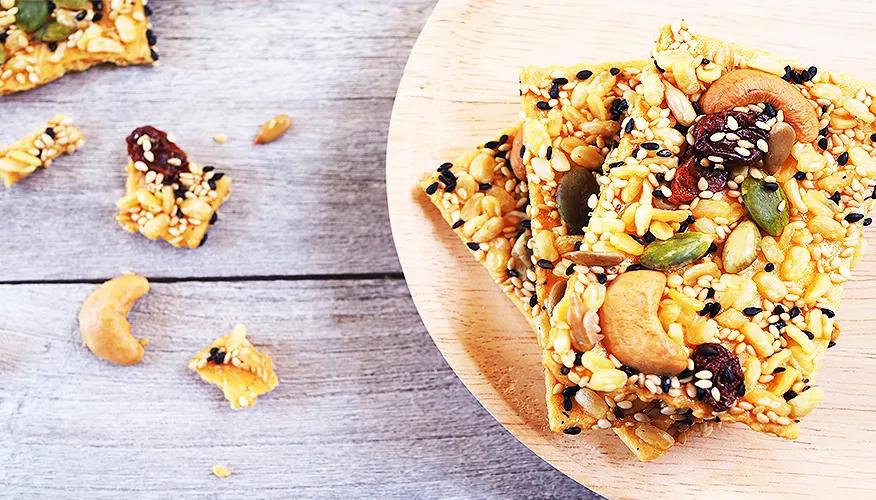
Making your own crackers puts you in complete control of every ingredient, and it's easier than you might think! Plus, homemade versions often taste better than store-bought options.
Nut and seed crackers
These are excellent crackers for diabetics because they're naturally high in protein, healthy fats, and fiber:
- Almond flour base: Mix almond flour with an egg, a little olive oil, and your favorite herbs
- Flaxseed crackers: Combine ground flaxseed with water, let it gel, then add seasonings
- Mixed seed variety: Use a combination of sesame seeds, pumpkin seeds, and sunflower seeds
Legume-based options
For those in regions where legume flours are common, try:
- Chickpea Flour Crackers: Popular in South Asian cuisine, these provide protein and fiber
- Lentil-Based Versions: Red lentil flour creates crispy, protein-rich crackers
Simple recipe framework
Most homemade healthy crackers follow this basic pattern:
- Combine your flour or seed base with binding ingredients (egg, water, or oil)
- Add seasonings like herbs, spices, or a small amount of salt
- Roll thin between parchment paper
- Bake until crisp and golden
By following these simple tips, even soda crackers don't have to be off-limits for diabetics when you make your own version using almond flour and adding seeds for extra nutrition and crunch.
Smart snacking tips for diabetics
The way you eat your crackers matters just as much as which ones you choose. Here are some strategies to make your snacking work for your health goals:
- Portion control made simple: Stick to 3-5 crackers per serving, depending on their size and nutritional content. Pre-portion them into small containers or bags so you are not tempted to eat more than planned.
- Veggie boost: Add non-starchy vegetables like cucumber or tomato slices to your cracker snacks. You'll get extra nutrients and bulk without additional carbs, plus the extra fiber helps with blood sugar management.
- Timing matters: Plan your snacks ahead of time rather than waiting until you are hungry and reaching for whatever's convenient. Strategic snacking can help keep your blood glucose steady throughout the day.
- Balance is everything: Never eat crackers by themselves. Always pair them with protein, healthy fats, or fiber-rich foods to create a more balanced impact on your blood sugar.
Conclusion
Crackers for diabetics can definitely be part of your healthy lifestyle when you choose wisely and eat mindfully. The secret lies in selecting whole-grain, nut-based, or seed-rich options that are high in fiber and low in added sugars—whether you buy them or make them at home.
By reading labels carefully, watching your portions, and pairing crackers with protein or fiber-rich foods, you can enjoy this convenient snack while supporting your diabetes management goals. Managing diabetes isn't about deprivation, it's about making informed choices that let you enjoy food while taking care of your health.
Meet our expert

Meet our expert
Reshma Kulkarni-Pathare is a senior Indian media professional since 1999. She has written for over 45 national and international publications, including The Times of India, Femina, and BBC Good Homes.
How was the experience with article?
We'd love to know!