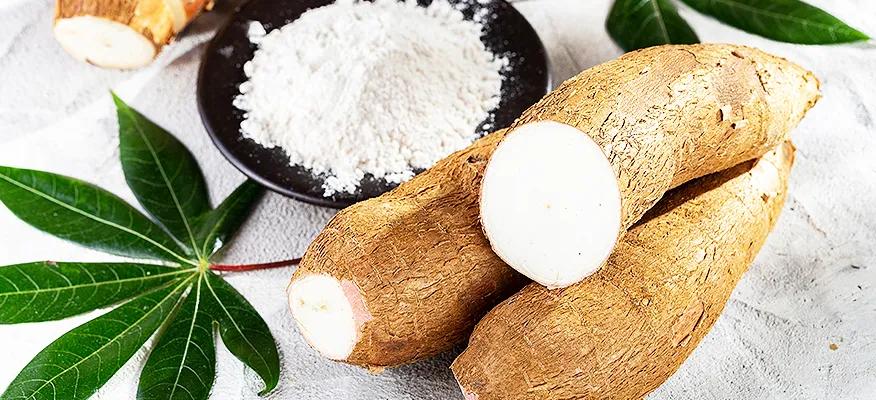
You're standing in the grocery store, looking at cassava root, wondering if this starchy vegetable fits into your diabetes management plan. Maybe your grandmother swears by it, or you've heard conflicting advice from friends.

If you're managing diabetes while trying to maintain cultural food traditions, you're asking the right questions. Is cassava good for diabetics? The answer isn't simply yes or no—it's about understanding how this tropical root affects your blood sugar and learning to enjoy it safely.
What is cassava?
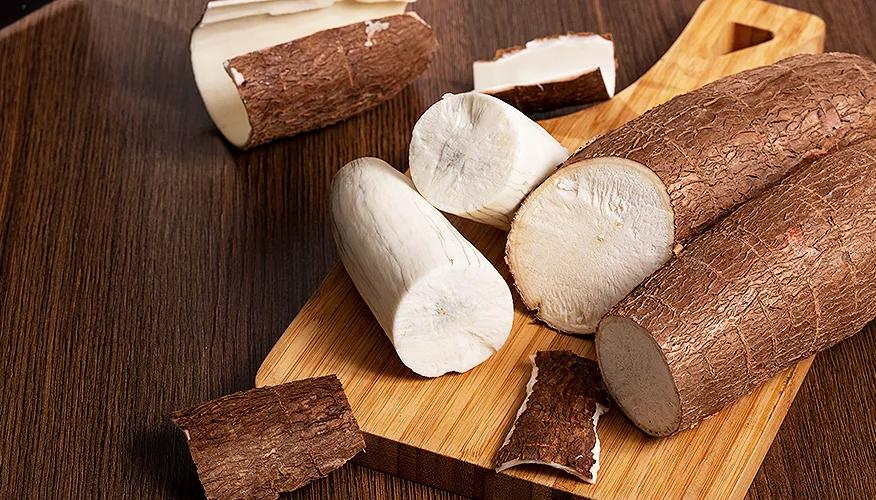
Cassava, known by many names such as yuca, manioc, or tapioca root, is more than just another starchy vegetable. This cream-colored, elongated root vegetable grows underground and can be as long as your forearm.
What makes cassava special is its incredible adaptability. It can grow in poor soils and withstand droughts, making it a reliable food source in many Southeast Asian and African communities. The tuberous root can be boiled, fried, ground into flour, or processed into various dishes that form the backbone of traditional meals.
Cassava is naturally gluten-free and more alkaline-forming compared to many grains. This makes it appealing for those with celiac disease or gluten sensitivity. However, when it comes to cassava and diabetes, the story becomes more complex.
Nutritional value of cassava (per 100 g, boiled)
Understanding what's actually in your food helps you make smarter choices. Here's what you get from 100 grams of boiled cassava:
| Nutrient | Amount | Daily Value |
| Calories | ~160 kcal | - |
| Carbohydrates | 36-38 g | - |
| Fiber | 1.8 g | 7% |
| Protein | 1.4 g | 3% |
| Fat | 0.3 g | <1% |
| Vitamin C | 21 mg | 23% |
| Folate | Moderate Amounts | - |
What stands out immediately? Cassava is almost pure carbohydrate. While it does provide a decent amount of vitamin C, more than you'd find in many other starchy foods, it's notably low in protein and fiber.
This nutritional profile becomes essential when we consider cassava and diabetes management. The high carbohydrate content means that even a small serving delivers a significant amount of sugar to your bloodstream once digested.
Glycemic index of cassava
The glycemic index (GI) tells you how quickly a food raises your blood sugar compared to pure glucose. This is where cassava gets complicated for people managing diabetes.
The GI of cassava is not fixed. It's like a moving target that depends on several factors you might not have considered. Boiled cassava can have a GI ranging anywhere from 46 (considered low) to 94 (very high). That's a huge difference! For context, a study from Kenya found that boiled cassava with salt had a GI as low as 46. However, other preparations can spike your blood sugar as quickly as white bread.
Several factors influence cassava's glycemic impact:
- Variety of cassava: Different types have different starch compositions
- Cooking method: Boiling versus frying makes a significant difference
- Added ingredients: Salt, as seen in the Kenyan study, can lower the GI
- Processing level: Fresh cassava versus cassava flour products
The glycemic load (GL) of cassava tends to be high regardless of preparation, meaning even moderate servings can significantly elevate blood glucose levels.
Is cassava good for diabetics?
Let's address the main question directly: Is cassava good for diabetics? The honest answer is that cassava is generally not recommended as a regular staple for people with diabetes.
Here's why: with its high carbohydrate content and typically high GI, cassava can cause rapid spikes in blood sugar levels. This makes it challenging to maintain steady blood glucose levels, which are crucial for diabetes management.
However, this doesn't mean cassava is completely off-limits. In regions where it's a traditional food, many people successfully include it in their diabetes management plan through careful preparation and portion control.
The key factors that determine whether cassava diabetes management can work for you include:
- The specific variety and preparation method
- Your overall carbohydrate intake for the day
- What other foods you eat alongside cassava
- Your individual blood sugar response
Potential health benefits of eating cassava for diabetes
While cassava presents challenges for blood sugar control, it does offer some benefits worth considering:
- Gluten-free and allergen-friendly: If you have celiac disease or gluten sensitivity alongside diabetes, cassava provides a naturally gluten-free carbohydrate option that many people can tolerate well.
- Vitamin C and folate content: Unlike many refined starches, cassava provides meaningful amounts of vitamin C and folate, which support immune function and cellular health, both of which are important when managing a chronic condition like diabetes.
- Resistant starch potential: When cassava is cooked and then cooled (like in certain traditional preparations), it can develop resistant starch. This type of starch acts more like fiber, potentially improving gut health and having a gentler impact on blood sugar. However, this benefit is reduced when cassava is consumed hot or reheated at high temperatures. If you're eating boiled cassava and diabetes is a concern, try preparing it ahead of time and reheating it.
Risk of eating cassava for diabetes
Understanding the risks helps address the question, "Is cassava bad for diabetes?":
- Blood sugar spikes: The primary concern is cassava's ability to raise blood glucose levels rapidly. With a typical GI of 94 and high GL, even moderate portions can significantly impact your blood sugar control.
- Low satiety factor: Because cassava is low in protein and fiber, it does not help you feel full for long. This can lead to overeating or reaching for additional snacks, making blood sugar management even more challenging.
- Toxicity concerns: Improperly prepared cassava contains cyanogenic compounds that can be harmful. While this is not directly related to diabetes, it is a food safety issue that requires proper cooking techniques.
- Nutritional displacement: Regularly choosing cassava over more nutrient-dense, lower-GI alternatives means missing out on foods that could better support your overall health and diabetes management.
How can diabetics safely consume cassava

If cassava is part of your cultural food heritage or you simply enjoy it occasionally, here's how to minimize its impact on your blood sugar:
- Practice strict portion control: Limit yourself to no more than ½ cup of cooked cassava per meal. This smaller serving can help prevent dramatic blood sugar spikes while still allowing you to enjoy the food.
- Create balanced meals: Never eat cassava alone. Pair it with protein (like grilled fish or chicken), healthy fats (such as nuts and seeds), and fiber-rich vegetables (like leafy greens and broccoli). This combination slows down glucose absorption and provides better overall nutrition.
- Time it strategically: If you are going to eat cassava, consider doing so when you can be most active afterward, such as before a walk or during your peak activity period. Physical activity helps your muscles use glucose more efficiently.
- Monitor your response: Use a blood glucose meter to see how your body specifically responds to cassava. Some people may handle small amounts better than others.
- Choose preparation methods wisely: Boil thoroughly and consider the "cook-cool-reheat" method to increase resistant starch. Add salt during cooking if your blood pressure allows; this may help lower the glycemic impact. Avoid deep-frying or adding sugar, which dramatically increases both calories and glycemic load.
Cassava vs. other carbohydrates
How does cassava stack up against other carbohydrate options? This comparison can help you make informed choices:
| Food (100 g, cooked) | Glycemic Index | Carbs (g) | Fiber (g) | Protein (g) |
| Cassava | 46-94 | 36-38 | Low | 1.4 |
| Sweet potato | 63 | 20 | 3.3 | 1.6 |
| Yam | 51 | 27 | 4.1 | 1.5 |
| White rice | 50-55 | 23-28 | 1.8 | 2.6 |
| Brown rice | 73 | 28 | Low | 2.7 |
The table reveals an important truth regarding "Is cassava good for type 2 diabetes compared to other options?" Not particularly. Foods like brown rice offer better protein content and more stable blood sugar responses. However, cassava can still have a place in your diet when prepared and portioned correctly.
Conclusion
So, is cassava good for diabetics? The evidence suggests that while cassava is not the worst carbohydrate choice you could make, it is far from the best. Its high GI and low fiber content make it challenging for blood sugar control, especially when eaten as a regular staple.
However, you can include it in your diabetes management plan with careful attention to portion sizes, meal balance, and preparation methods. The key is treating it as an occasional food rather than a dietary staple, and always pairing it with protein, healthy fats, and fiber-rich vegetables.
Successful diabetes management isn't about perfection; it's about making smart choices that work for your lifestyle, cultural preferences, and health goals. Whether you're wondering, "Is cassava ok for diabetics?" or exploring cassava benefits for diabetes, the answer lies in moderation, preparation, and understanding how your individual body responds.
Meet our expert

Meet our expert
Reshma Kulkarni-Pathare is a senior Indian media professional since 1999. She has written for over 45 national and international publications, including The Times of India, Femina, and BBC Good Homes.


How was the experience with article?
We'd love to know!