
Picture this: a steaming cob of corn at a family barbecue or a warm bowl of corn soup on a rainy evening. Comforting? Absolutely. But if you’re managing diabetes, that golden grain may spark a moment of doubt — Is corn good for diabetics?
Corn sits at the crossroads of being a wholesome vegetable and a starchy carb, which makes it both celebrated and questioned. The truth is, corn isn’t simply black or white when it comes to diabetes — it’s about how you eat it, when you eat it, and what you pair it with.
It’s not just about reading nutrition labels; it’s about knowing how to enjoy your favourite foods while keeping your blood sugar steady.
What is corn, and what nutrients does it contain?
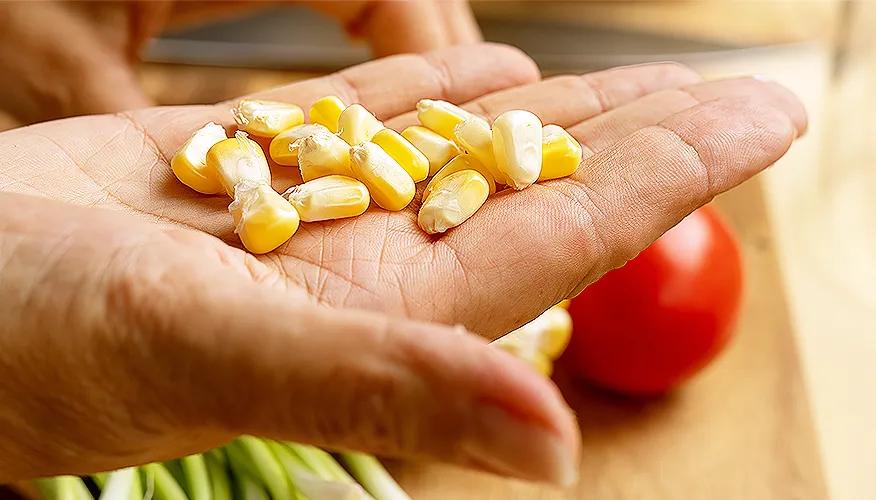
Corn, also known as maize, is much more than just a simple carbohydrate source. This versatile grain has been nourishing families across Asia, Africa, and Latin America for centuries, from makki roti in North India to ugali in East Africa.
Here's what you'll find in corn:
- Carbohydrates: Mainly starch, which provides energy but also impacts blood sugar.
- Dietary fiber: Helps slow down sugar absorption and supports digestive health.
- B vitamins: Including folate, which supports cell function and energy metabolism.
- Essential minerals: Magnesium for muscle function, potassium for heart health, and phosphorus for bone strength.
- Antioxidants: Phenolic compounds and flavonoids that help reduce inflammation.
The fiber content is especially beneficial for women with diabetes, as it gradually slows the absorption of carbohydrates, thereby preventing rapid spikes in blood sugar and promoting stable, sustained energy throughout the day.
Corn glycemic index
Understanding corn's glycemic index (GI) helps you make informed decisions about portion sizes and meal timing. The GI helps measure how quickly a food product raises your blood sugar.
| Corn Product | Typical GI Range | Impact on Blood Sugar |
| Boiled sweet corn | Low-Moderate (55-70) | Gradual rise |
| Cornflakes | High (80+) | Rapid spike |
| Whole corn tortilla | Moderate (50-65) | Moderate rise |
| Corn chips | High (70+) | Quick spike |
Corn's GI varies with preparation. A modest serving of boiled corn might have a moderate glycemic load (GL) that won't dramatically spike your glucose.
However, a large bowl of cornflakes has a high GL, which can rapidly increase blood sugar levels.
Corn and diabetes
The relationship between corn and diabetes isn't black and white. While corn does contain carbohydrates that can raise blood sugar, it doesn’t mean it must be avoided entirely.
Although corn affects blood sugar levels more than leafy greens, it remains a healthier option compared to refined sugars or white rice. The key lies in the fiber content of whole corn, which helps your body process those carbohydrates more gradually. For women managing diabetes, corn can fit into a balanced meal plan when you:
- Choose minimally processed whole grains over refined ones.
- Watch your portion sizes.
- Pair it with other diabetes-friendly foods.
The question isn't whether corn is good for diabetes or not; it's about how to include it smartly in your overall eating pattern.
How does corn affect blood sugar?
When you eat corn, your blood sugar will rise, but the rise is typically more gradual compared with refined carbohydrates.
Here are the factors that influence corn's impact on blood sugar:
- Portion size: A small ear versus a large serving of corn kernels makes a difference.
- Preparation method: Boiled corn affects blood sugar differently from fried corn.
- Food combinations: Corn eaten alone versus corn paired with pulses or tofu.
- Individual response: Your body's unique reaction to carbohydrates.
What's interesting is how you prepare and combine corn matters significantly. Eating corn with protein or healthy fats can further slow sugar absorption, making it more diabetes-friendly.
Adding protein (like beans) and healthy fats (groundnuts, avocado, or seeds) to your corn-containing meal significantly lowers the post-meal glucose rise.
Most women find that a moderate portion of corn (about half a cup of kernels) causes a manageable rise in blood glucose, especially when eaten as part of a balanced meal rather than on its own.
Can diabetics eat corn?
Yes, diabetics can eat corn, but with some important considerations. The answer isn't simply yes or no; it's about incorporating corn into your diabetes management plan.
The key principles are:
- Include corn in balanced meals, focusing on proper portion sizes and choosing whole corn over processed forms.
- Monitor your blood sugar response carefully after consuming corn.
- Avoid corn if you struggle to control blood sugar despite moderate carbohydrate intake.
- Steer clear of corn during periods of strict carbohydrate restriction.
Remember, diabetes management is highly individual. What works for your friend or family member might not work precisely the same way for you. This is why monitoring your own blood sugar response to corn is so valuable. It can help you understand your response and adjust portions accordingly.
Research on corn and diabetes
Scientific research provides some encouraging insights about corn for patients with diabetes. Studies have revealed that whole grain corn, as part of a balanced diet, may actually support better blood sugar management over time.
Let's look at some key research findings:
- Soluble corn fiber studies: Randomized crossover research in Asian adults showed promising results. When participants replaced 50% of carbohydrates with soluble corn fiber, they experienced significantly lower postprandial glucose and insulin compared with maltodextrin or glucose beverages. This suggests corn-derived fiber can help moderate blood sugar responses.
- Whole grains and diabetes outcomes: Large systematic reviews consistently associate higher whole-grain intake with:
- Lower risk of developing type 2 diabetes
- Better glycemic control in existing diabetes
- Improved A1C levels over time
Research shows that when consumed thoughtfully, corn provides valuable nutrients and serves as a healthier alternative to refined carbohydrates in your diet.
Benefits of corn for people with diabetes
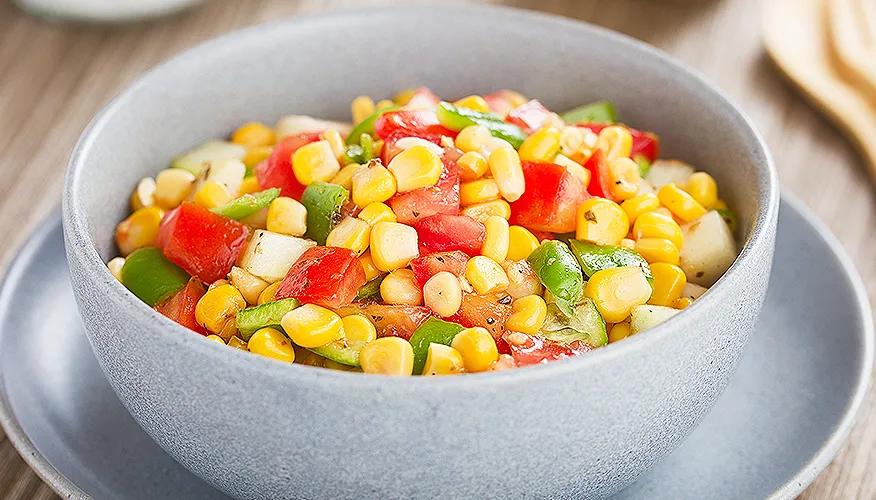
Corn offers several specific advantages for women managing diabetes, making it more than just another carbohydrate source.
Here's a list of its potential benefits:
Fiber support for blood sugar control
Corn contains both soluble and insoluble fiber, which work together to moderate the release of glucose into the bloodstream. This helps prevent sharp post-meal blood sugar spikes, reducing energy crashes and promoting better focus throughout the day.
Antioxidant protection
Colorful corn varieties like purple and blue corn are rich in anthocyanins—potent antioxidants that may help reduce inflammation and oxidative stress, both of which are linked to diabetes complications. These natural compounds support cellular health and may contribute to improved metabolic function over time.
Micronutrients for women's health
Corn delivers B vitamins (like B6 and folate), iron, and zinc, which are especially important for hormonal balance, energy metabolism, and immune support. As a complex carbohydrate, it also provides steady fuel—ideal for women juggling demanding schedules and managing blood sugar.
Heart health support
With naturally occurring potassium and magnesium, corn supports healthy blood pressure and optimal heart function. Since women with diabetes face a higher risk of cardiovascular disease, incorporating heart-friendly foods like corn can be an easy preventive step.
Satiety and weight management
Corn’s combination of fiber, resistant starch, and a modest amount of plant-based protein promotes lasting satiety. This can help reduce overeating and support healthy weight maintenance—an important part of blood sugar control and overall diabetes management.
Cultural and economic accessibility
Corn is a versatile, budget-friendly staple that fits easily into a variety of meals, from soups to salads and main dishes. For women managing diabetes and busy routines, it offers a convenient way to add nutrition and flavor without complicated prep or sacrificing familiar, comforting foods.
Risks and considerations
While corn can be part of a diabetes-friendly diet, there are important risks and considerations to keep in mind:
Potential concerns include:
- Portion control challenges: It's easy to eat more corn than planned, leading to blood sugar spikes.
- Processing matters: Corn flakes, corn chips, and high-fructose corn syrup are very different from whole corn.
- Individual variation: Some people are more sensitive to corn's carbohydrate content than others.
- Cooking method impact: Fried corn or corn with added sugars can significantly impact blood glucose.
Important considerations:
- Regular monitoring: Check your blood sugar to understand your personal response.
- Professional guidance: Consult with your healthcare provider about including corn in your meal plan.
- Medication timing: Consider how corn intake aligns with your diabetes medications.
- Overall carbohydrate goal: Corn should fit within your daily carbohydrate goals.
The key is being mindful rather than fearful. Corn is safe for diabetics when approached with awareness and planning.
How to eat corn safely with diabetes
Making corn work for your diabetes management is about wise choices and practical strategies. Here are some simple tips to enjoy your favorite corn dishes without compromising on health or safety:
- Preparation methods: Opt for boiled, steamed, or grilled corn instead of fried varieties. Avoid using butter, sugar, or high-sodium seasonings. For a healthier twist, try roasting corn with minimal oil and diabetes-friendly spices to maintain flavor without compromising health or blood sugar control.
- Portion control strategies: Stick to one small ear of corn or about half a cup of kernels per meal. Use measuring cups at first to get a sense of proper portions.
- Smart food combinations: Pair corn with protein by combining it with lentils, tofu, or beans. Add healthy fats, such as a small handful of nuts or seeds, to help slow carbohydrate absorption. Incorporate corn into mixed vegetable dishes to ensure a balanced meal rather than making it the main component.
- Timing considerations: Have corn earlier in the day when your activity levels are higher, supporting better blood sugar management. Avoid consuming it as a late-night snack, as blood sugar control tends to be more difficult during the evening and before bedtime.
Corn vs other carbs for diabetics
Knowing how corn compares to other carbs can help you decide if it’s a better choice than rice or other grains for managing diabetes.
| Carbohydrate | Glycemic Index | Fiber Content | Best for Diabetics |
| Boiled corn | 52 (Moderate) | High | Good in moderation |
| White rice | 70-80 (High) | Low | Less ideal |
| Brown rice | 50-55 (Moderate) | Moderate | Better than white rice |
You might ask, “Is corn better than rice for diabetes?” The answer isn’t straightforward and depends largely on the form of corn and rice consumed as well as how they are prepared.
Generally, whole, intact corn served alongside beans and vegetables tends to produce a more favorable and steady blood sugar response compared to eating refined white rice on its own.
On the other hand, processed corn products like cornflakes can actually lead to higher blood sugar spikes than even brown rice. Ultimately, the healthiest choice varies based on local food availability and meal preparation methods.
Traditional combinations of whole maize with beans and leafy greens typically offer better blood sugar control than refined grains consumed alone.
Conclusion
So, is corn good for diabetics? The answer is a qualified yes. Corn can be safely included in a diabetes management plan when you approach it with knowledge and mindfulness. The key lies in opting for whole corn over processed versions, controlling portions, and pairing it with other diabetes-friendly foods.
For women managing diabetes while maintaining cultural food preferences and busy lifestyles, corn offers a practical way to enjoy familiar flavors while supporting blood sugar control. Whether you're wondering about sweet corn for diabetic patients or considering corn as part of your regular meal rotation, the evidence suggests that moderate consumption of properly prepared corn can fit into a healthy diabetes management strategy.
Remember, your diabetes journey is unique. What matters most is monitoring your response, working with your healthcare team, and finding sustainable approaches that work for your lifestyle and health goals.
Meet our expert

Meet our expert
Dr Jatin Bhide is an Ayurvedic doctor with over 16 years of enriching experience in Marketing and Strategy across OTC/FMHG, herbal medicine and Nutraceuticals (Europe) industries. He did his Bachelor of Ayurvedic Medicine and Surgery (BAMS) from Mumbai University, before moving on to do a Post Graduate Diploma in Pharmaceuticals and Healthcare Management.



How was the experience with article?
We'd love to know!