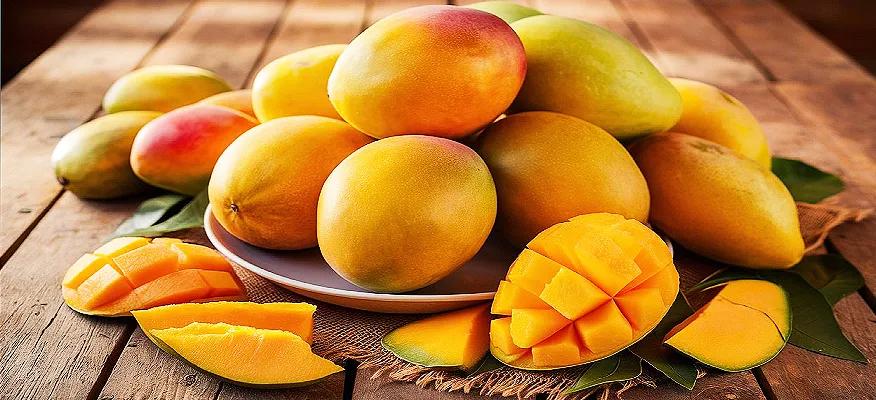
That sweet, golden slice of mango sitting in your fridge might feel like forbidden fruit when you're managing diabetes.
Between family advice telling you to avoid all sweet foods and conflicting information online, it's no wonder you have lingering questions like "Is mango good for diabetes management?"
The truth? You don't have to completely give up this beloved summer fruit. With the right approach and portion awareness, mango can actually find a place in your diabetes-friendly diet.
Mango and its nutritional profile
Before we address your question, "Is mango good for diabetes?" let's examine what you're getting in every bite. Mango isn't just sugar wrapped in tropical sweetness; it's a nutrient powerhouse that delivers real health benefits.
Here's what 100 grams of fresh mango contains:
| Nutrient | Amount |
| Calories | 60 kcal |
| Carbohydrates | 15 g |
| Natural Sugars | 14 g |
| Protein | 0.8 g |
| Fat | 0.4 g |
| Fiber | 1.6 g |
| Vitamin C | 36% |
| Vitamin A | 1082 IU |
| Potassium | 168 mg |
What makes mango particularly interesting for diabetes management is its high polyphenol content, especially mangiferin, a compound that research suggests may aid in blood sugar regulation. Think of these antioxidants as your body's natural support system, working behind the scenes to keep inflammation in check.
Mango and diabetes: can they go along?
The relationship between mango and diabetes isn't as black and white as many people think. Yes, mangoes contain natural sugars, but they also provide fiber, vitamins, and antioxidants that support overall health.
Most diabetes experts agree that people with diabetes can include mango in their diets with proper portion control and blood glucose monitoring. The key lies in treating mango like any other carbohydrate in your meal plan; that is, it needs to be counted and balanced, not eliminated entirely.
For most people managing diabetes, a moderate serving of about half a cup (75-80 grams) is considered reasonable. This portion provides the nutritional benefits without overwhelming your blood sugar management efforts.
Glycemic index (GI) of mango
GI measures how quickly a food raises blood sugar levels after eating. Understanding mangos' GI helps you make informed decisions about timing and portions. Mango falls into the moderate GI category. Here's what this means practically:
- GI: 56 (moderate)
- Glycemic load (GL): 8.4 (low)
- Blood sugar impact: Moderate, manageable with proper portioning
The GI of unripe mango tends to be lower than fully ripe fruit because the starches haven't fully converted to sugars yet. This is why some people with diabetes prefer slightly less ripe mangoes.
Are mangoes good for people with diabetes?
So, is mango good for diabetes management? The answer is a cautious yes, with conditions.
When eaten in appropriate portions, mango's moderate GI and beneficial nutrients make it a reasonable choice for most people with diabetes.
The fruit's fiber content helps slow glucose absorption, potentially reducing those sharp after-meal blood sugar spikes that concern many people with diabetes. Additionally, the vitamin C and antioxidants support overall health, something that's particularly important when you're managing a chronic condition.
However, is mango bad for diabetics in certain situations? Yes, if you:
- Eat large portions without adjusting other carbohydrates
- Choose processed forms like dried mango or juice
- Ignore your individual blood sugar response
What research says
Recent research provides encouraging insights about mangos' interaction with diabetes. A 12-week study involving obese individuals found that daily mango supplementation resulted in a significant reduction in fasting blood glucose levels.
While the study didn't show changes in HbA1c (your long-term blood sugar marker) or insulin resistance, the improvement in fasting glucose suggests that mango's polyphenols and fiber may help with short-term blood sugar regulation.
The research indicates that mango fruit is good for diabetic patients when consumed as part of a balanced approach, although additional studies specifically involving people with established diabetes are needed.
Potential health benefits of mango for diabetics
Beyond the question of does mango raise blood sugar, let's look at what mango brings to your overall health:
- Fiber for blood sugar control: The 1.6 grams of fiber per 100 g helps slow glucose absorption, creating a more gradual rise in blood sugar rather than sharp spikes.
- Antioxidant protection: Polyphenols like mangiferin and quercetin may support insulin sensitivity and reduce inflammation, both are crucial for long-term diabetes management.
- Essential vitamins: Vitamins A and C support immune function and metabolic health, which becomes increasingly important when managing diabetes.
- Weight management support: With approximately 60 calories per 100 g, mango is relatively low in energy density, making it a suitable choice for weight management, a key component of diabetes care.
How to eat mango safely with diabetes
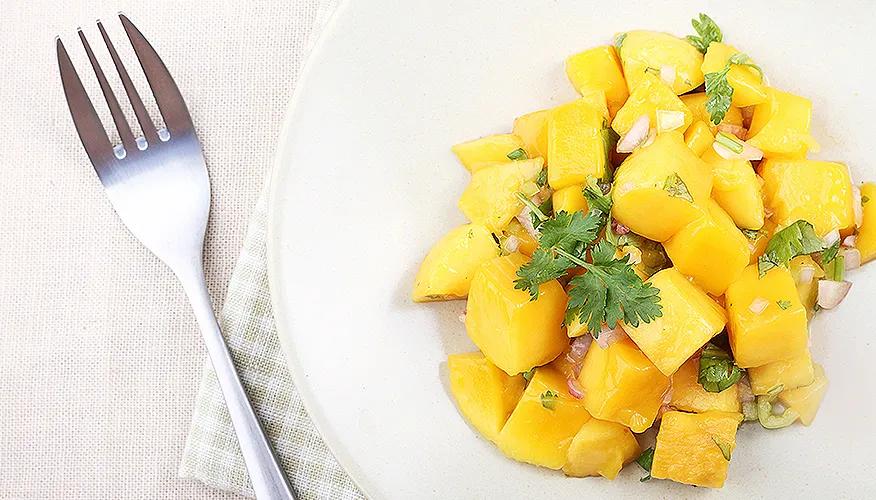
Eating mangoes while managing diabetes requires strategy, not elimination. Here's how to enjoy mango while keeping your blood sugar stable:
- Portion control is key: Stick to 75-80 grams (roughly half a cup) per serving. This provides the taste and nutrients you want without overwhelming your glucose management.
- Smart pairing: Combine mango with protein or healthy fats. Try it with Greek yogurt, a handful of nuts, or seeds. This combination slows digestion and reduces the glycemic impact.
- Choose fresh over processed: Fresh mango is always better than dried versions or juice. Mango's sugar content is more concentrated in processed forms, leading to higher blood sugar responses.
- Timing matters: Consider eating mango as part of a balanced meal rather than as a standalone snack, especially if you're insulin-dependent.
How to make mango more diabetes-friendly?
Want to maximize the benefits while minimizing the effect of mango on diabetes? Try these approaches:
- Opt for less ripe fruit: Green mango for diabetes management can be advantageous. Semi-ripe mangoes have lower sugar content than fully ripe ones, though they're still delicious.
- Include in balanced meals: Add mango chunks to salads with protein or blend small amounts into smoothies with leafy greens and protein powder.
- Consider the preparation: While green mangoes contain more sugar than vegetables, they have less than ripe mangoes, making them a better option for managing blood sugar.
How do mangoes affect blood sugar levels?
The sugar in mango affects everyone differently, but generally causes a moderate blood sugar rise when eaten in appropriate amounts. The fiber and polyphenols help create a more gradual increase rather than sharp spikes. Your individual response depends on:
- Your current blood sugar levels
- What else do you eat with the mango
- Your insulin sensitivity
- The ripeness and amount consumed
This is why blood sugar monitoring becomes crucial, as it helps you understand your personal tolerance and adjust intake accordingly.
Risks and precautions
While mango fruit is good for diabetes management in moderation, be aware of these potential issues:
- Overconsumption risks: Large portions can contribute to high blood glucose due to the natural sugars present in mango. Remember, even healthy foods can cause problems in excess.
- Processed forms are problematic: Mango juice and dried mango contain concentrated sugars and have a higher glycemic impact. Stick to fresh fruit.
- Individual variations: Some people are more sensitive to the sugars in fruits than others. Always monitor your blood sugar response and adjust portions accordingly.
- Medication interactions: If you take diabetes medications, work with your healthcare provider to understand how fruit intake fits into your overall treatment plan.
Conclusion
The question, ‘Is mango good for diabetes?’ doesn't have a simple yes or no answer. It depends on how you approach it. Fresh mango, consumed in moderate portions, can be part of a diabetes-friendly diet, offering valuable nutrients and antioxidants alongside its natural sweetness.
The key is mindful consumption; stick to appropriate portions, pair them with protein or healthy fats, choose fresh over processed options, and always monitor your individual blood sugar response. With these strategies, you don't have to say goodbye to mango entirely. Instead, you can enjoy it as part of a balanced approach to diabetes management that doesn't sacrifice all of life's sweet pleasures.
Remember, managing diabetes is about establishing sustainable habits that align with your lifestyle. If mango brings you joy and you can include it safely, there's no reason to eliminate it completely from your diet.
Meet our expert

Meet our expert
Dr. Iunis Galina Ivanovna is a Neurologist from Ukraine. She graduated from the Luhansk State Medical University in 1998, and has been in the medical profession since then. In the course of her career as a neurologist, Dr. Ivanovna has gathered extensive experience and expertise having handled a wide variety of cases.



How was the experience with article?
We'd love to know!