Living with diabetes often means being mindful of every bite you take—especially when it comes to fruits. While tropical fruits are packed with nutrients, their natural sugars can leave many wondering what's truly safe to enjoy.
One such fruit that’s gaining attention in wellness communities is mangosteen—a vibrant fruit native to Southeast Asia. Often praised for its rich antioxidant content and anti-inflammatory properties, mangosteen for diabetes offers more than just a sweet flavor. This tropical fruit could be a sweet addition to your diabetes management plan when eaten mindfully.
What is mangosteen?
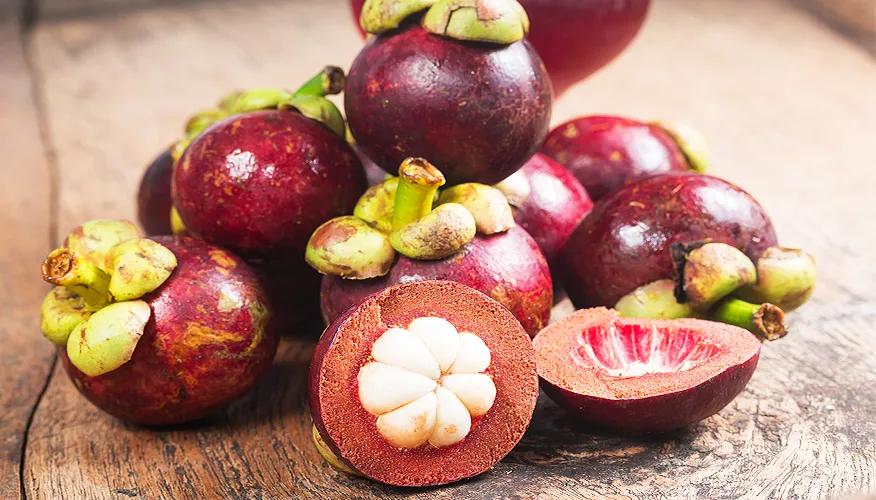
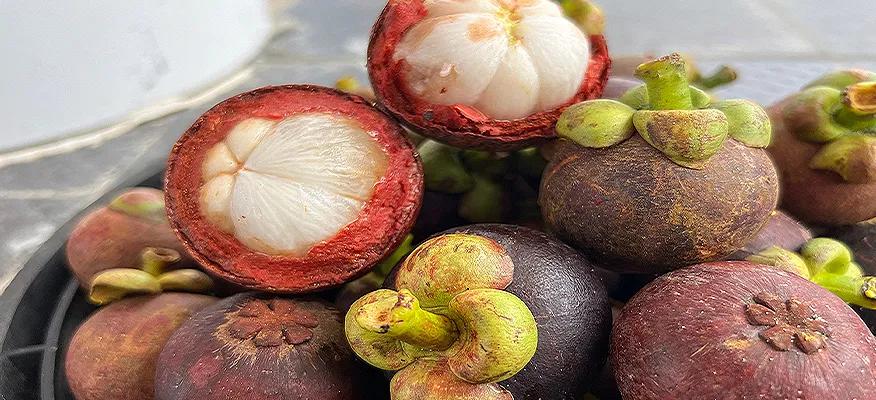
Mangosteen (Garcinia mangostana L.) is a round, purple fruit that's been treasured in Southeast Asia for centuries. When you crack open the thick, dark purple rind, you'll find segments of white, juicy flesh that taste like a delicate blend of peach and citrus.
Traditional medicine systems have used various parts of the mangosteen tree for centuries to address different health concerns, including:
- Digestive problems
- Wound healing
- Fighting infections
- Reducing inflammation
The fruit is particularly rich in xanthones, powerful plant compounds that act as antioxidants and give mangosteen many of its potential health benefits.
Nutritional profile of mangosteen
Before we talk more about mangosteen benefits for diabetes, let's look at what you're actually getting when you eat this fruit.
Understanding the nutritional breakdown helps you make informed decisions about portion sizes and timing.
Here's what a 100-gram serving of fresh mangosteen brings to your plate:
| Nutrient | Amount | % Daily Value |
| Calories | 143 | - |
| Fiber | 3.5 g | 14% |
| Vitamin C | 9 mg | 9% |
| Folate | 61 mcg | 15% |
| Potassium | 48mg | 1% |
Key beneficial compounds include:
- Xanthones: Unique antioxidants found mainly in the rind
- Dietary fiber: Helps slow sugar absorption
- Vitamin C: Supports immune function
- Folate and B vitamins: Important for energy metabolism
- Flavonoids and tannins: Additional antioxidants
Mangosteen is naturally low in calories and has no saturated fat, making it a smart choice for weight management. For women managing diabetes, especially those in urban and semi-urban areas where processed foods are common, adding natural, antioxidant-rich fruits like mangosteen can be a smart dietary choice.
Is mangosteen safe for diabetics?
If you’re wondering whether mangosteen is safe for diabetics, the good news is that it generally is—when enjoyed in moderation.
Unlike many tropical fruits that can cause rapid spikes in blood sugar, mangosteen has a gentler effect, making it a suitable option for those managing diabetes.
Blood sugar impact
- Mangosteen has a low to moderate glycemic index, meaning it doesn't cause dramatic spikes in blood sugar.
- The fiber content helps slow the absorption of natural sugars.
- Clinical studies have shown that mangosteen extract doesn't cause harmful blood glucose fluctuations.
What the science says
A clinical trial involving obese women found encouraging results. Participants who took 400 mg of mangosteen extract daily showed improved insulin sensitivity compared to those who didn't. While their blood glucose levels didn't change dramatically, this was partly because the participants started with normal glucose levels. The consensus among researchers is cautiously optimistic: mangosteen appears to be safe for diabetics and may even offer some benefits.
Health benefits of mangosteen for diabetics
Mangosteen offers several potential benefits for people with diabetes, from supporting blood sugar balance to promoting overall health through its unique nutritional profile.
Here are the key benefits:
- Blood sugar management: Mangosteen may help lower fasting blood sugar levels and improve insulin sensitivity. Its powerful antioxidants, especially xanthones, support better glucose uptake by cells, reducing excess sugar in the bloodstream and potentially aiding in more stable blood sugar control for diabetics.
- Heart health protection: People with diabetes often face a higher risk of heart disease, making cardiovascular support especially important. Mangosteen may support heart health by helping reduce LDL (bad) cholesterol and triglyceride levels. It can also promote healthier blood pressure, offering important cardiovascular benefits for people with diabetes.
- Inflammation reduction: Living with diabetes means dealing with increased oxidative stress. Mangosteen's vitamin C and xanthones work like a protective shield, helping reduce inflammation that can worsen diabetes complications.
- Kidney and liver support: Some animal studies suggest that mangosteen for diabetes might help protect your kidneys and liver from diabetes-related damage. While we need more human research, this is promising news since these organs work overtime when you have diabetes.
- Gut health benefits: The fiber in mangosteen feeds beneficial bacteria in your gut, which can indirectly help with blood sugar control. A healthy gut microbiome is increasingly linked to better diabetes management.
How to eat mangosteen safely with diabetes
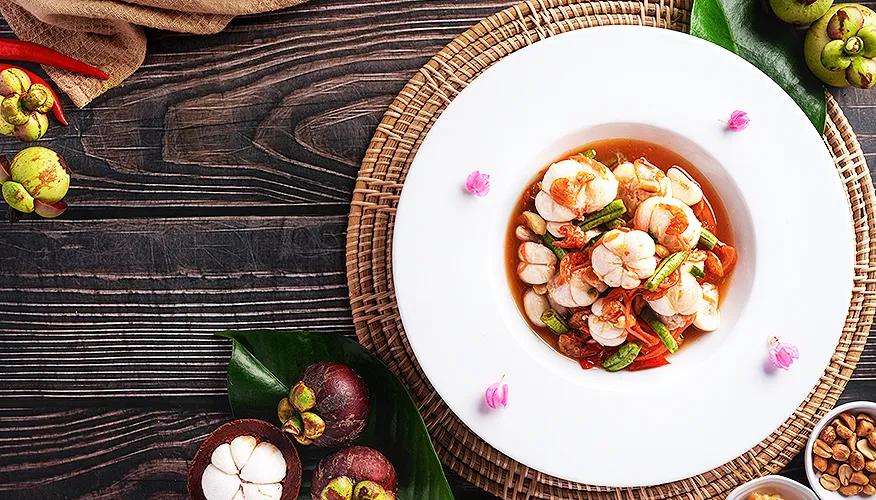
Smart consumption is key to enjoying mangosteen benefits for diabetes without blood sugar spikes.
Here's how to include it in your diabetes-friendly meal plan without worry.
Portion guidelines
- Try 2-3 segments (about 1/4 cup) to see how your body responds.
- Stick to 100-150 grams (3-5 segments) per serving.
- Treat it as part of your daily fruit allowance, not extra.
Smart pairing strategies
- Don't eat mangosteen alone – pair it with:
- Greek yogurt for protein and probiotics.
- A handful of almonds for healthy fats and fiber.
- After a balanced meal rather than on an empty stomach.
Timing matters
- It’s best to eat mangosteen during breakfast or lunch when your activity levels are higher.
- Avoid consuming it late in the evening since your metabolism slows down at night.
- Make sure to monitor your blood sugar one to two hours after eating to see how your body responds.
Traditional approaches
- In Southeast Asia, mangosteen is often enjoyed fresh or in fruit salads with other low-glycemic fruits.
- This traditional approach naturally limits portions while maximizing enjoyment.
What to avoid
- Mangosteen juice drinks (often loaded with added sugars)
- Dried mangosteen (concentrated sugars)
- Mangosteen supplements without medical supervision
Potential concerns and precautions
While mangosteen benefits for diabetes are promising, it’s important to consider some potential concerns.
Here are some key considerations regarding mangosteen use:
- Blood sugar monitoring: Even though mangosteen is relatively low in sugar, it still contains natural fructose. Some people with diabetes are more sensitive to fruit sugars than others. Always test your blood sugar response when trying any new fruit.
- Medication interactions: Mangosteen can potentially enhance the effects of blood thinners like warfarin, increasing the risk of bleeding. It might also amplify the blood sugar-lowering effects of diabetes medications. Additionally, mangosteen may affect blood pressure medications, so monitoring is advised when combining them.
- Supplement considerations: If you're considering mangosteen supplements rather than fresh fruit:
- Choose reputable brands with third-party testing.
- Discuss with your doctor, especially if taking other medications.
- Remember that supplements aren't regulated like medications.
- Start with lower doses to assess tolerance.
- Individual sensitivities: Some individuals may experience mild digestive issues when first trying mangosteen, as their bodies adjust to the fruit. Rare allergic reactions can also occur, particularly in those sensitive to other tropical fruits. Additionally, the fiber content in mangosteen might cause changes in bowel movements.
Conclusion
Mangosteen for diabetes can be a delicious and potentially beneficial addition to your eating plan when approached thoughtfully.
This "queen of fruits" offers antioxidants, fiber, and compounds that may support blood sugar control and overall health. However, like any fruit, it should be eaten in moderation as part of a balanced, diabetes-friendly diet.
The key is mindful consumption—enjoying mangosteen for diabetes management means treating it as part of your overall nutrition plan, not a magic cure. Start with small portions, monitor your blood sugar response, and enjoy the sweet taste while respecting your body's needs. Most importantly, discuss any significant dietary changes with your healthcare provider, especially if you're on diabetes medications.
Remember, managing diabetes successfully is about creating sustainable, enjoyable eating patterns — and mangosteen might just be the sweet spot between health and happiness you've been looking for.
Meet our expert

Meet our expert
Dr. Pakanich Maria Petrivna graduated from Ukraine's Uzhhorod National Medical University, Faculty of Medicine, in 1999. She further pursued her post graduation studies at Lviv National Medical University between 1999-2000. She then spent 16 years (2000-2016) at the same university as the resident doctor neurologist. Since 2016,Dr. Pakanich Maria Petrivna has been associated as a medical representative with Mega We Care.


How was the experience with article?
We'd love to know!