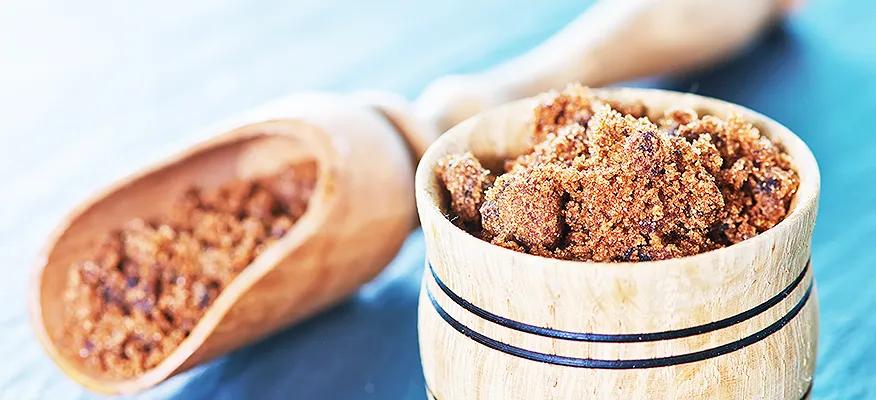
When it comes to living with diabetes, sugar is often seen as the ultimate villain. But what happens when a more ‘natural’ version of sugar enters the picture?
You may have come across muscovado sugar—the deep brown, moist variety often described as less refined and more wholesome than regular white sugar. With its rich molasses flavor and rustic appeal, it almost feels like the healthier cousin of the sugar family.
But here’s the catch: just because something looks more natural, does that automatically make it better for blood sugar control? For many managing diabetes, muscovado sugar sparks a genuine curiosity ‘Is muscovado sugar good for diabetics?’ Could this earthy, unrefined sweetener be a gentler option than the processed kind, or is it simply sugar dressed up in a healthier-looking package?
For someone juggling blood sugar levels while trying to enjoy life's little sweetness, you deserve a straight answer backed by science, not marketing hype.
What is muscovado sugar?
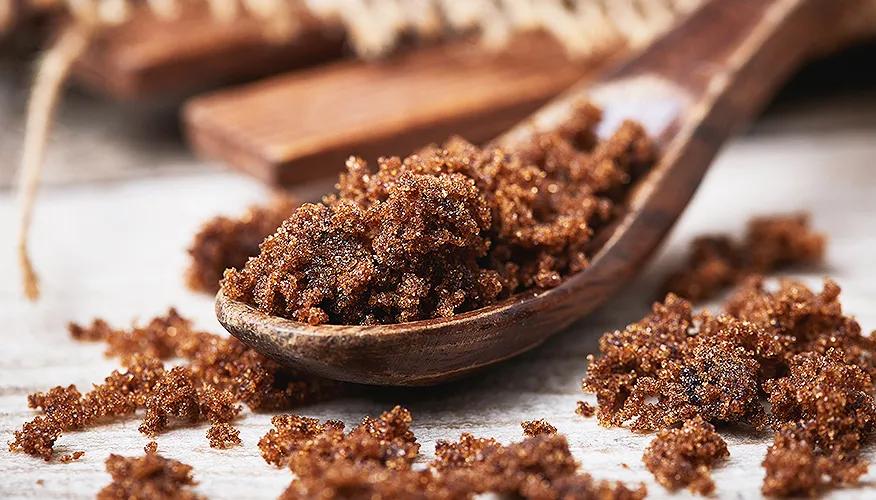
Muscovado sugar is essentially sugarcane's less processed cousin. Unlike the white sugar sitting in your kitchen cabinet, muscovado retains its natural molasses, which gives it that distinctive dark color and rich, almost toffee-like flavor.
The name comes from the Portuguese word "mascavado," meaning unrefined or raw. This sugar has deep roots in sugarcane-growing regions across Southeast Asia and East Africa, where traditional processing methods have been used for centuries.
But what makes it different? While regular sugar goes through multiple refining stages, removing molasses and minerals, muscovado sugar is less processed and retains more of its molasses. This means it keeps some of its original components intact—but does that make it better for diabetes management? Let's find out.
Nutritional profile of muscovado sugar
Let's break down what you're getting in that teaspoon of muscovado sugar:
| Nutrient | Amount per teaspoon (4 g) |
| Calories | 16-20 kcal |
| Carbohydrates | 4 g |
| Sugars | Nearly 4 g (mainly sucrose) |
| Calcium | Trace amounts |
| Potassium | Trace amounts |
| Magnesium | Trace amounts |
| Iron | Trace amounts |
The keyword here is "trace." While muscovado does contain slightly more minerals than white sugar, we're talking about amounts so small they won't meaningfully impact your daily nutrition.
Think of it like finding a few extra coins in your pocket; it seems nice, but not enough to make a real difference to your budget.
Glycemic index and blood sugar impact
Here's where things get interesting for anyone wondering about muscovado sugar's glycemic index. The glycemic index of muscovado sugar falls in the medium range, typically between 55 and 70. To put this in perspective, refined white sugar sits around 65.
This means muscovado sugar can still cause a moderate to rapid spike in your blood glucose levels. The molasses content doesn't slow down sugar absorption enough to make a clinically significant difference. Your body still processes it as sugar because that's precisely what it is.
For context, anything with a glycemic index of more than 55 is considered medium to high, which means it can raise blood sugar relatively quickly.
Diabetes and sugar consumption
When you have diabetes, your relationship with sugar becomes complicated. Your body either doesn't produce enough insulin or doesn't use it effectively, making it harder to manage blood glucose levels.
The American Diabetes Association recommends that added sugars should make up no more than 10% of your daily calories. For someone eating 2,000 calories per day, that's about 50 grams of added sugar, roughly 12 teaspoons.
But here's the reality: most of us consume way more than that without realizing it. Sugar hides in everything from your morning yogurt to that "healthy" granola bar you grabbed for lunch.
How muscovado sugar affects blood glucose
Despite its unrefined nature, muscovado sugar for diabetics poses the same fundamental challenge as any other sugar. Once it hits your digestive system, your body breaks it down into glucose, which enters your bloodstream.
The trace minerals and antioxidants in muscovado don't slow this process down meaningfully. Your blood sugar will still rise, and if you have diabetes, your body will still struggle to bring those levels back down to the normal range.
Think of it this way: whether you're pouring regular gasoline or premium gasoline into a car with engine problems, you're still dealing with the same basic mechanical issues.
Pros of muscovado sugar for diabetics
While debating the question, "Is muscovado sugar good for diabetics?" Let's be fair and look at some potential advantages:
- Retains some nutrients: Minerals like calcium, magnesium, potassium, and iron are still present in trace amounts.
- Contains antioxidants: The molasses provides some antioxidant compounds.
- Slightly lower GI: The muscovado glycemic index is marginally lower than that of white sugar.
- Less processed: No chemical bleaching or extensive refining.
- Vegan-friendly: No animal by-products used in processing.
However, these advantages are minimal when it comes to diabetes management. The mineral content is too small to provide meaningful health benefits, and the glycemic difference isn't significant enough to change how your blood sugar responds.
Cons of muscovado sugar for diabetics
After looking at the probable pros, let's have a look at the more substantial cons:
- High carbohydrate content: Nearly 100% carbs that convert to glucose.
- Blood sugar spikes: Similar glycemic response to regular sugar.
- Still processed sugar: Despite being "less refined," it's not a whole food.
- Risk of overconsumption: The "healthier" label might lead to consuming high amounts.
For someone managing diabetes concerns, these cons significantly outweigh the minimal pros.
Can diabetics use muscovado sugar?
The honest answer to "Is muscovado sugar good for diabetics?" depends on your situation, but it's not a diabetes-friendly sweetener by any stretch. If you're going to use it occasionally, treat it exactly like you would regular sugar:
- Use it sparingly and infrequently
- Account for it in your daily carb count
- Monitor your blood glucose response
Incorporating muscovado in a diabetic diet
If you decide to include muscovado sugar occasionally, here's how to do it more safely:
- Portion control is everything: Stick to no more than one teaspoon (4 g) at a time, and not daily.
- Timing matters: Have it with a meal that includes protein and fiber to help slow glucose absorption. For example, a small amount in your morning oatmeal topped with nuts and seeds.
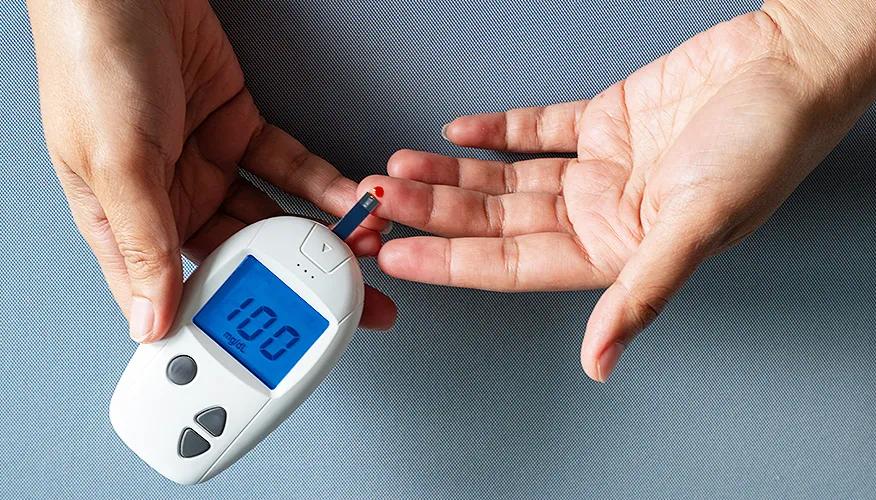
- Monitor closely: Check your blood sugar before and after consuming it to understand personal responses.
- Balance your day: If you have muscovado sugar, be extra careful about other carb sources throughout the day.
Tips for managing sweet cravings safely
Let's be real—sweet cravings don't just disappear because you have diabetes. Here are practical strategies that actually work:
- Fresh fruit first: When you're craving something sweet, reach for berries, apples, or oranges. You get natural sugars plus fiber, vitamins, and antioxidants.
- Protein power: Include protein in every meal to help stabilize blood sugar and reduce cravings.
- Get enough sleep:Poor sleep increases cravings for sugary foods.
Alternatives to Muscovado for diabetics
Here are better options when you need sweetness:
| Sweetener | Glycemic Index | Best For |
| Stevia | 0 | Beverages, light baking |
| Monk Fruit | 0 | All-purpose sweetening |
| Erythritol | 0 | Baking, cooking |
| Xylitol | 7 | Small amounts in recipes |
These alternatives won't spike your blood sugar the way muscovado sugar will. Start with small amounts to test your tolerance, especially with sugar alcohols like erythritol, which can cause digestive upset in some people.
Conclusion
So, is muscovado sugar good for diabetics? The evidence is clear: while muscovado sugar might be slightly less processed than white sugar, it's still not a suitable sweetener for diabetes management. The minimal nutritional advantages don't offset its impact on blood glucose levels.
Instead of searching for the "perfect" sugar substitute, focus on reducing your overall dependence on sweeteners. Use non-nutritive alternatives when needed, and save any added sugars, including muscovado, for very occasional treats.
Your health is worth more than the fleeting pleasure of sweetness. Choose sweeteners that support your blood sugar goals, not ones that work against them.
Meet our expert

Meet our expert
Dr. Pakanich Maria Petrivna graduated from Ukraine's Uzhhorod National Medical University, Faculty of Medicine, in 1999. She further pursued her post graduation studies at Lviv National Medical University between 1999-2000. She then spent 16 years (2000-2016) at the same university as the resident doctor neurologist. Since 2016,Dr. Pakanich Maria Petrivna has been associated as a medical representative with Mega We Care.


How was the experience with article?
We'd love to know!