
Struggling with bloating, fatigue, or food sensitivities that just won’t go away? Your gut might be trying to tell you something. A condition known as leaky gut — where the intestinal lining becomes more permeable than it should—can lead to inflammation, digestive issues, and even impact your immunity and mood.
The good news? Healing leaky gut naturally is absolutely possible — and one of the most effective ways to support your gut lining and restore balance is through the right probiotics.
In this blog, we’ll dive into the 7 best probiotics for leaky gut, how they work, and why choosing the right strains can make all the difference. Ready to take your gut health into your own hands?
Let’s get started.
Quick answer: Probiotics help heal leaky gut by strengthening the intestinal lining, restoring a healthy balance of gut bacteria, and reducing inflammation. The most effective probiotic strains for leaky gut include Lactobacillus rhamnosus, Bifidobacterium bifidum, Lactobacillus plantarum, and Saccharomyces boulardii.

What is leaky gut?
Leaky gut, in simple words, is a condition where the lining of your gut, which usually acts as a barrier against harmful substances, gets damaged.
This damage creates small holes that allow toxins, bacteria, and food particles to leak into your bloodstream from your intestines. It's like a sieve with large holes - stuff that should stay inside your gut starts leaking out.
Not only can this cause discomfort and symptoms such as bloating and fatigue, but it can also trigger your immune system to react, causing inflammation and potentially leading to more serious health problems.
While “leaky gut” is not an official medical diagnosis, the concept of increased intestinal permeability is well recognized in scientific research. Studies suggest that a weakened gut lining may be linked to digestive disorders, food sensitivities, immune imbalances, and chronic inflammation. Supporting gut barrier function through diet, probiotics, and lifestyle changes may help reduce symptoms and improve overall gut health.
What causes leaky gut?
Leaky gut develops when the protective lining of the intestines becomes weakened or damaged. Common causes include:
- Frequent consumption of ultra-processed foods and excess sugar
- Chronic stress and poor sleep
- Long-term use of antibiotics or painkillers (NSAIDs)
- Excess alcohol intake
- Food sensitivities or intolerances
- Gut infections or inflammatory bowel conditions
These factors disrupt gut bacteria balance and damage tight junctions in the intestinal wall, allowing harmful substances to pass into the bloodstream.
Common symptoms of leaky gut
If you’re dealing with leaky gut, you might experience a range of symptoms including:
- Chronic bloating or gas
- Food sensitivities
- Fatigue or difficulty concentrating
- Skin issues like acne or eczema
- Digestive problems like diarrhea, constipation or irritable bowel syndrome (IBS)
These symptoms can be quite disruptive and seriously impact your quality of life.
How probiotics help heal leaky gut

Here is how probiotics can help with the leaky gut syndrome:
1. Role of probiotics in strengthening the gut lining
- One of the significant ways probiotics help in healing leaky gut is by strengthening the lining of the gut.
- They do this by encouraging the growth and activity of beneficial bacteria in your gut.
- These beneficial bacteria produce substances that nourish the cells in your gut lining and help them function properly.
2. Role of probiotics in balancing gut microbiota
- Besides strengthening the gut lining, probiotics also play a crucial role in balancing your gut microbiota.
- They do this by crowding out harmful bacteria and encouraging the growth of beneficial ones.
- This helps create a healthy balance in your gut, which is crucial for overall gut health.
3. Role of probiotics in reducing inflammation and promoting digestion
- Probiotics can also help reduce inflammation in your gut. They do this by modulating the activity of your immune system, promoting a more balanced inflammatory response.
- Additionally, probiotics can aid in digestion by breaking down food substances that your body might have trouble digesting on its own.
- This can help alleviate symptoms like bloating and constipation.
Choosing the best probiotic for leaky gut
When it comes to choosing the best probiotic for leaky gut, there are several factors you need to consider:
- High colony-forming units (CFUs): This refers to the number of live and active bacteria present in the probiotic. A higher CFU count usually indicates a more potent probiotic.
- Specific strains that target gut healing: Certain strains of bacteria are known to be particularly beneficial for gut health. These include Lactobacillus and Bifidobacterium strains, among others.
- Multi-strain formulations: These provide a diverse range of beneficial bacteria, which is important for maintaining a healthy gut microbiome.
- Purity of the product: The best probiotic supplements are free from unnecessary fillers or allergens.
7 Best Probiotics for Healing Leaky Gut
| Probiotic strain | Main benefit | Best for |
| Lactobacillus rhamnosus | Strengthens gut lining | IBS, immunity |
| Bifidobacterium bifidum | Improves digestion | Gas, bloating |
| Lactobacillus plantarum | Repairs gut barrier | Food sensitivities |
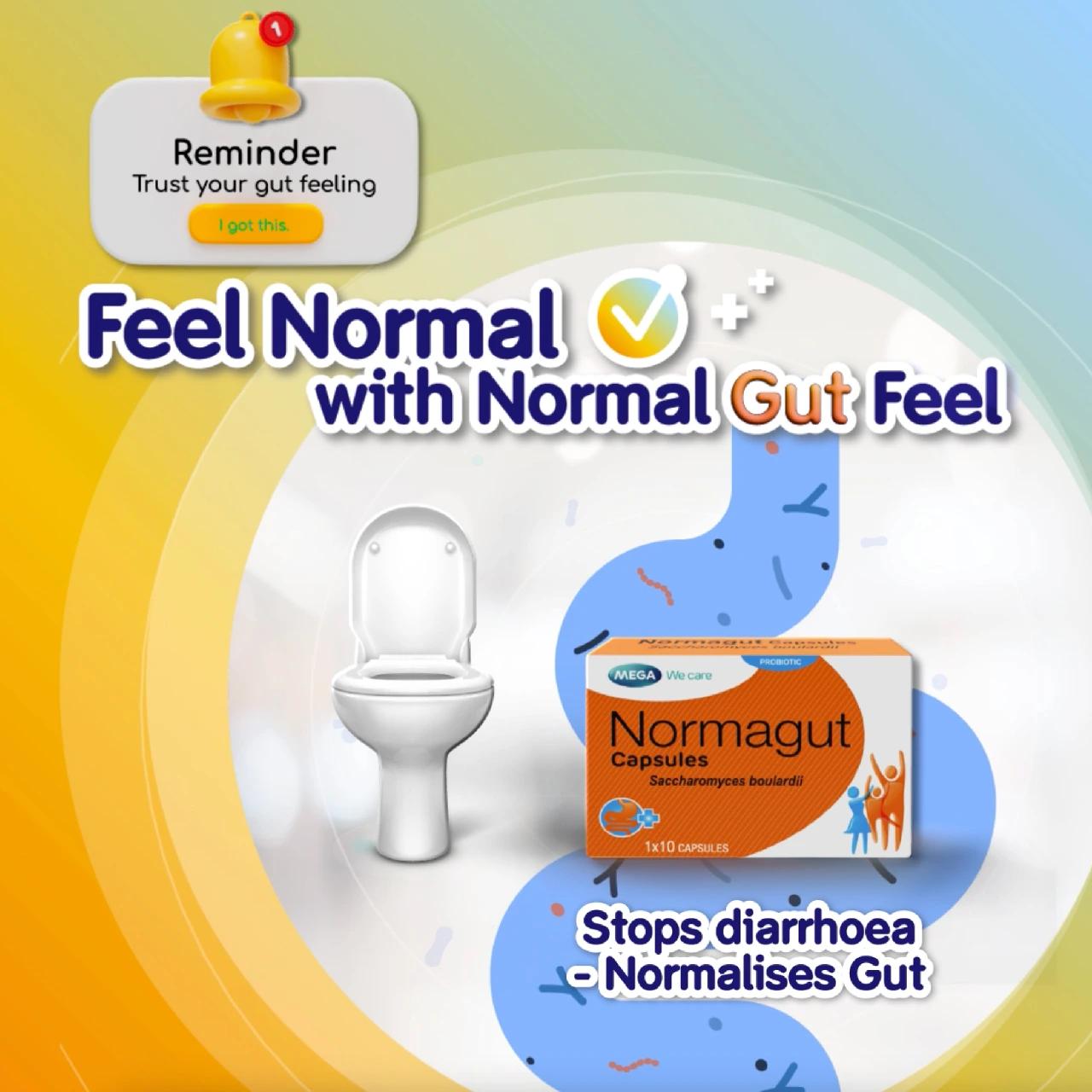
| Saccharomyces boulardii | Prevents diarrhea | Antibiotic use |
| Bacillus coagulans | Reduces bloating | Gas |
| Bifidobacterium longum | Gut microbiome balance | IBS |
| Lactobacillus acidophilus | Nutrient absorption | General gut health |
Here are seven of the best probiotics that can help heal your leaky gut:
1. Lactobacillus rhamnosus
- Lactobacillus rhamnosus is known for its ability to strengthen the gut lining, providing essential protection against harmful pathogens and toxins.
- It also reduces inflammation within the digestive tract, making it particularly helpful for conditions such as irritable bowel syndrome (IBS) and general digestive discomfort.
- This probiotic can be found in yogurt and other fermented dairy products, as well as in fermented milk.
2. Bifidobacterium bifidum
- Bifidobacterium bifidum plays an important role in improving digestion by breaking down fiber and complex carbohydrates, which are often challenging to digest.
- It also supports the immune system, helping to reduce the likelihood of infections and inflammation in the digestive tract.
- You can find Bifidobacterium bifidum in kefir, a fermented milk drink, and sauerkraut, a type of fermented cabbage.
3. Lactobacillus plantarum
- Lactobacillus plantarum helps repair and maintain healthy intestinal walls, which is vital for overall gut health.
- This strain also helps alleviate bloating and other digestive discomforts by supporting a healthy gut barrier.
- You can find Lactobacillus plantarum in fermented foods such as kimchi, a Korean vegetable dish, and pickles.
4. Saccharomyces boulardii
- Saccharomyces boulardii is a beneficial yeast that promotes a balanced gut microbiota by encouraging the growth of beneficial bacteria.
- It is especially effective at preventing diarrhea, particularly that caused by antibiotics or infections, making it an excellent aid for digestive health.
- This probiotic is primarily available in supplement form, including capsules or powders.
5. Bacillus coagulans
- Bacillus coagulans supports digestion by maintaining a balanced gut flora, which is essential for proper digestive function.
- It is also effective in reducing gas production and bloating, common symptoms of digestive issues.
- You can find Bacillus coagulans in probiotic-fortified foods, such as certain yogurts or functional drinks.
6. Bifidobacterium longum
- Bifidobacterium longum enhances the diversity of the gut microbiota, which is essential for overall digestive health.
- This strain is especially useful for individuals with irritable bowel syndrome (IBS), as it can help alleviate common symptoms like bloating, cramps, and irregular bowel movements.
- You can find Bifidobacterium longum in fermented dairy products like yogurt and cheese.
7. Lactobacillus acidophilus
- Lactobacillus acidophilus is important for promoting nutrient absorption, ensuring that the body efficiently absorbs essential vitamins and minerals.
- It also helps fight off harmful bacteria in the digestive system, promoting a balanced microbiota and supporting immune health.
- Lactobacillus acidophilus is commonly found in yogurt containing live active cultures and in miso, a fermented soy product.
Probiotic Foods for natural gut healing

Regularly consuming fermented foods provides natural probiotics that support gut healing and microbiome diversity. Including probiotic-rich foods in your diet can give a significant boost to your gut health.
Some excellent sources of probiotics include:
- Yogurt: Made from fermented milk, yogurt is one of the most common and accessible sources of probiotics.
- Kefir: A fermented milk drink that contains a wide variety of probiotic strains. It is often easier to digest than regular milk and is known to have a positive impact on gut health.
- Miso: A Japanese fermented paste made from soybeans, barley, or rice, miso is often used in soups and sauces. It contains beneficial bacteria that promote a healthy gut.
- Tempeh: A fermented soybean product, tempeh is a protein-rich food that is not only a great source of probiotics but also offers other nutrients like fiber and vitamins.
- Sauerkraut: Fermented cabbage that is rich in probiotics, sauerkraut can help support digestion and provide fiber, vitamins, and minerals.
- Kimchi: A spicy Korean fermented vegetable dish, kimchi contains a variety of probiotics and is known for promoting gut health and boosting immunity.
- Pickles: Pickled cucumbers, when fermented naturally, are a good source of probiotics that help maintain a healthy gut flora.
The importance of including fermented foods in daily meals
Regularly including fermented foods in your meals can:
- Improve digestion by increasing the diversity of gut bacteria, which plays a key role in breaking down food and absorbing nutrients.
- Enhance immune function by promoting the growth of beneficial microorganisms that protect against harmful pathogens.
- Reduce bloating, gas, and other digestive discomforts by helping the gut process food more efficiently.
- Support long-term gut health, reducing the risk of digestive issues such as constipation, IBS, and food intolerances.
Tips for using probiotics effectively
To get the most out of your probiotic use, keep the following tips in mind:
- Consider taking your probiotic supplement at the same time each day.
- By combining probiotics with prebiotic-rich foods (like bananas, asparagus, and whole grains), you can create a gut environment where beneficial bacteria thrive.
- Consistency is key when it comes to probiotics. Regular, long-term use is often required to see significant improvements in gut health.
When is the best time to take probiotics?
The best time to take probiotics depends on the strain and formulation. Many probiotics are best taken on an empty stomach, either in the morning or before bedtime, to improve survival through stomach acid. However, some strains are designed to be taken with food. Always follow product instructions for best results.
How Long Do Probiotics Take to Heal a Leaky Gut?
Healing a leaky gut is a gradual process, and probiotics do not work overnight. The timeline depends on factors such as the severity of gut damage, diet, lifestyle, stress levels, and the specific probiotic strains used.
In most cases, people may begin to notice improvements in stages:
- Within 1–2 weeks: Reduced bloating, gas, and mild digestive discomfort as gut bacteria start to rebalance.
- Within 3–6 weeks: Improved digestion, better bowel regularity, and reduced food sensitivities.
- Within 8–12 weeks: Strengthening of the gut lining, reduced inflammation, and improved overall gut health when probiotics are used consistently.
For optimal results, probiotics should be taken daily and combined with a gut-supportive diet rich in fiber, prebiotics, and anti-inflammatory foods. Avoiding processed foods, excessive sugar, and alcohol also plays an important role in supporting gut healing.
It is important to note that probiotics support the healing process but are not a standalone cure. Long-term gut health improvement requires consistency, dietary changes, and, when necessary, guidance from a healthcare professional.
Can probiotics make leaky gut worse at first?
In some people, probiotics may cause mild bloating or gas during the first few days. This usually happens as gut bacteria begin to rebalance. These symptoms are typically temporary and improve within one to two weeks. Starting with a lower dose and gradually increasing can help reduce discomfort.
Who Should Be Careful With Probiotics?
Probiotics are generally safe for most people, but certain individuals should use them with extra caution. In some cases, probiotics may cause unwanted side effects or may not be suitable without medical advice.
People with weakened immune systems, such as those undergoing chemotherapy, organ transplant recipients, or individuals with HIV/AIDS, should be careful with probiotics. Since probiotics contain live bacteria, there is a small risk of infection in immunocompromised individuals.
Those with serious underlying health conditions, including severe pancreatitis, short bowel syndrome, or critical illness, should also avoid taking probiotics without consulting a healthcare professional. In these cases, probiotics may disrupt the body’s delicate balance rather than improve gut health.
People who experience frequent bloating, gas, or digestive discomfort after starting probiotics should monitor symptoms closely. While mild bloating is common initially, persistent or worsening symptoms may indicate that the probiotic strain or dosage is not suitable.
Pregnant and breastfeeding women should be cautious and choose probiotics only after consulting a doctor. Although many probiotics are considered safe, not all strains have been extensively studied during pregnancy.
Infants, elderly individuals, and people taking long-term antibiotics or immunosuppressant medications should also seek medical advice before using probiotics to ensure safety and proper strain selection.
Conclusion
Healing a leaky gut takes time, consistency, and the right nutritional support. Probiotics play a key role by strengthening the gut lining, improving microbial balance, and reducing inflammation. When combined with a gut-friendly diet, fermented foods, and healthy lifestyle habits, the right probiotic strains can significantly improve digestive health, immunity, and overall wellbeing. Always choose clinically supported strains and use them consistently for long-term results.
Meet our expert
.webp&w=1920&q=75)
Meet our expert
She holds a Bachelor of Science (Hons) in Dietetics with Nutrition from International Medical University (IMU) and became a registered dietitian in 2025. She is dedicated to providing evidence based and individualized Medical Nutrition Therapy (MNT) to help individuals make informed health decisions.



How was the experience with article?
We'd love to know!