
Gentle natural care tips may help support vaginal pH balance, reduce irritation, and keep intimate hygiene simple and safe.
When it comes to intimate hygiene, the simplest and gentlest solutions are often the best. Our bodies are designed with a natural balance that works to protect and heal on its own, and sometimes all it needs is a little support from nature.
For intimate hygiene, gentle care is important because harsh soaps, fragrances, and overuse of remedies can disturb vaginal pH balance and cause irritation.
Natural remedies offer a way to care for our intimate health without harsh chemicals, embracing solutions that are gentle, effective, and time-tested.
Whether it’s soothing discomfort, maintaining balance, or simply feeling fresher, natural remedies tap into the wisdom of traditional practices while honoring what our bodies truly need.
Let’s explore some safe natural remedies for intimate health to support your intimate hygiene—because self-care should always feel as natural as it is empowering.
Why Choose Natural Remedies for Intimate Hygiene?

Intimate areas are sensitive and have good circulation making it highly absorbent. Chemicals from intimate health products can get readily absorbed into the skin and may cause harm more than good.
- Natural remedies are often free from artificial chemicals, fragrances, and preservatives, reducing the risk of irritation or imbalance.
- They can be gentle and effective when it comes to promoting comfort, balancing pH, and supporting overall intimate health.
- Plus, many natural options are affordable and readily available, making them easy to incorporate into daily routines.
Best Natural Remedies for Intimate Hygiene
1. Plain Water for Daily Cleansing
- One of the simplest and safest options for intimate hygiene is plain water.
- Warm water is gentle enough for regular use and does not alter the natural pH of the vagina.
- Avoid using soaps or shower gels, which are often too harsh and may disrupt the natural balance of bacteria.
How to use: Use lukewarm water to cleanse the area externally during your regular showers. Gently rinse and avoid scrubbing, as the skin in this area is sensitive.
2.Apple Cider Vinegar for pH Balance
- Apple cider vinegar (ACV) has mild acidic properties, which can help maintain the vaginal pH.
- Its antibacterial properties may also help prevent the overgrowth of harmful bacteria. Just remember to dilute it to avoid irritation.
How to use: Add one to two tablespoons of ACV to a glass of warm water and use it as a rinse. This should only be used occasionally, such as once a week, to avoid over-acidifying the area.

3. Probiotic-Rich Foods for Bacterial Balance
- Probiotics play a crucial role in maintaining the vaginal microbiome. They support the “good” bacteria that help keep the pH balance stable and discourage harmful bacteria.
- Foods like yogurt, kefir, and sauerkraut are rich in probiotics and can be incorporated into your diet to support intimate health from within.
How to use: Eat a serving of probiotic-rich foods daily. For an added boost, you can also use yogurt (plain, unsweetened, and without added flavors) externally by applying it gently to the area and rinsing off after a few minutes. This may help calm irritation.
4. Tea Tree Oil for Antibacterial Benefits
- Tea tree oil is a natural antiseptic with antibacterial and antifungal properties. It can be particularly useful if you experience occasional imbalances.
- However, it is essential to dilute tea tree oil before use, as it is potent and may cause irritation if applied directly.
How to use: Add one or two drops of tea tree oil to a tablespoon of carrier oil (like coconut or olive oil). Apply the mixture externally, let it sit for a few minutes, and rinse off thoroughly. Use sparingly, as overuse can lead to dryness or irritation.
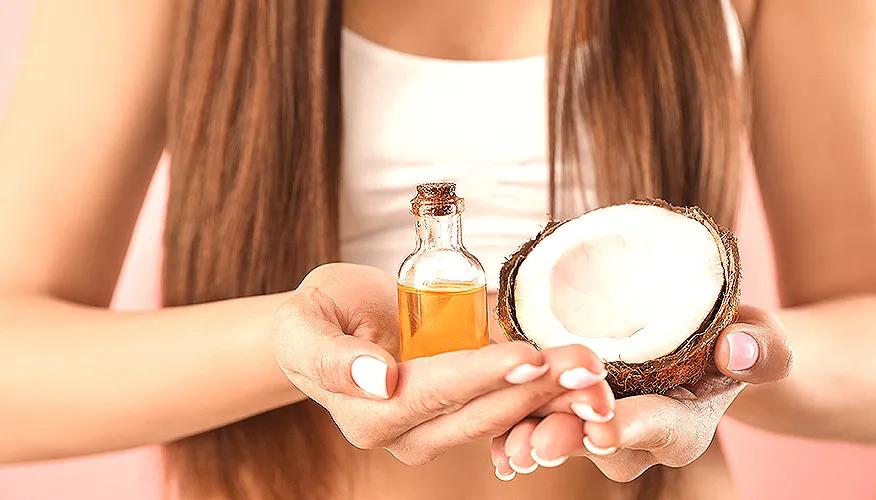
5. Coconut Oil for Moisturization
- Coconut oil is known for its gentle, hydrating properties and can be a soothing addition to an intimate hygiene routine, especially for those prone to dryness.
- Its antibacterial qualities make it a popular choice among natural remedies.
How to use: Apply a small amount of virgin, organic coconut oil to the external area after bathing. Use only as much as needed to avoid clogging pores, and do not use it internally.
6. Aloe Vera Gel for Soothing Irritation
- Aloe vera is widely known for its soothing, anti-inflammatory properties, making it a great option for relieving mild irritation or itching.
- Pure, organic aloe vera gel is gentle and suitable for sensitive areas.
How to use: Apply a thin layer of aloe vera gel to the affected area. Leave it on for a few minutes, then rinse with lukewarm water. Use only as needed, especially if you experience discomfort.
7. Baking Soda for Odor Control
- Baking soda is a mild alkaline substance that can help neutralize odor-causing bacteria.
- When used occasionally, it may help control unwanted smells without disturbing natural pH levels.
How to use: Add one teaspoon of baking soda to a glass of warm water. Use this solution as a rinse once a week to freshen up.
8. Chamomile Tea for Gentle Cleansing
- Chamomile has natural soothing and anti-inflammatory properties, which can be useful for calming any irritation.
- Using chamomile tea as a gentle rinse is an effective way to cleanse without using harsher soaps.
How to use: Brew a cup of chamomile tea and allow it to cool to room temperature. Use the cooled tea as a gentle rinse, then pat dry with a soft towel.
How to Create a Natural Intimate Hygiene Routine
- When incorporating natural remedies into your intimate hygiene routine, consistency is key.
- Choose a few methods that work for you, and avoid overusing any one ingredient to keep your natural balance in check.
- Listen to your body and discontinue use if any remedy causes discomfort or irritation.
Common Myths About Natural Intimate Hygiene Remedies
Many myths surround the topic of natural remedies for intimate hygiene. Here is a breakdown of what is true and what is not:
Myth 1: Natural remedies are always safe
- While natural remedies can be gentler, they are not always suitable for everyone.
- Always test new remedies on a small patch of skin first to ensure they do not cause irritation.
Myth 2: Using vinegar will fix pH balance issues instantly
- Apple cider vinegar should be used sparingly and with caution.
- Overuse can lead to irritation rather than balance.
Myth 3: Coconut oil can be used internally
- It is best to use coconut oil externally only. Internally, it can disrupt the natural microbiome.
Conclusion
Embracing natural remedies for intimate hygiene means reconnecting with simple, effective ways to care for your body. By choosing gentle, natural solutions, you’re not just supporting your intimate well-being but also honoring your body’s natural balance. Remember, true wellness comes from listening to what your body needs and nurturing it with the care it deserves.
With natural remedies for intimate health, you can feel confident, comfortable, and empowered every day
Meet our expert

Meet our expert
Dr Sylvia Kama-Kieghe is a UK-based General Practitioner with a special interest in Women's Health and founder of Askawayhealth. She's also a tutor and medical student examiner. She is a Fellow of the Royal College of General Practitioners (FRCGP), Fellow of the Royal Society of Public Health (FRSPH), Fellow of the Royal Society of Medicine (FRSM), and holds a Diploma of the Faculty of Sexual and Reproductive Healthcare (DFSRH).



How was the experience with article?
We'd love to know!