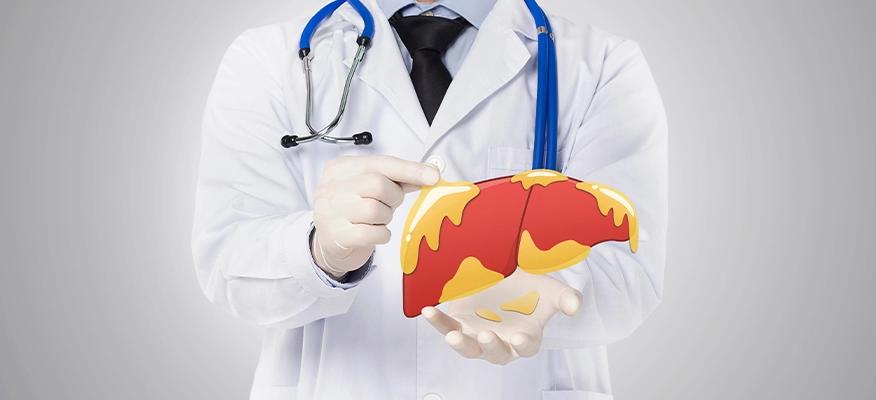
Fatty liver, a condition marked by excessive fat accumulation in the liver, often flies under the radar with few or no symptoms in its early stages. Yet, this silent ailment can have significant consequences for your overall health if left unchecked.
Whether caused by lifestyle factors like unhealthy eating habits and limited physical activity or linked to conditions such as diabetes or obesity, fatty liver is increasingly becoming a common concern worldwide.
In this blog, we’ll delve into what is fatty liver, its potential causes, why it’s important to take proactive steps to manage this condition, and what are probable fatty liver treatment options available.
What is fatty liver disease?
Fatty liver disease, also known as hepatic steatosis, is a common but often overlooked condition that affects millions of people worldwide.
It occurs when too much fat builds up in the liver cells, interfering with the organ’s ability to function properly.
While it might not show symptoms in its early stages, fatty liver disease can lead to serious complications if left untreated, including liver inflammation, scarring, and even liver failure.
Fatty liver disease symptoms and signs to watch for

Fatty liver disease symptoms include:
Fatigue: A persistent sense of tiredness or lack of energy is common, as the liver's compromised function can affect overall metabolism.
Abdominal Discomfort: Some individuals may feel discomfort or pain in the upper right side of the abdomen, where the liver is located.
Unexplained Weight Loss: Sudden weight loss without a clear reason can be a warning sign of liver issues.
Weakness: General feelings of weakness or reduced physical strength may occur.
Nausea: Experiencing nausea or an upset stomach can be associated with liver dysfunction.
Jaundice: Yellowing of the skin and eyes indicates a buildup of bilirubin, a sign of advanced liver disease.
Dark Urine: Urine that is darker than usual can be a sign of liver problems.
Pale Stools: Lighter-colored stools may indicate a reduction in bile salts reaching the intestines due to liver dysfunction.
Swelling (Edema): Fluid accumulation in the legs, ankles, or abdomen can occur as liver disease progresses.
Itchy Skin: Persistent itching may develop due to bile products depositing in the skin.
Understanding NAFLD (nonalcoholic fatty liver disease)
Nonalcoholic Fatty Liver Disease (NAFLD) is a prevalent condition characterized by excessive fat accumulation in the liver of individuals who consume little to no alcohol.
It encompasses a spectrum of liver disorders, ranging from simple steatosis (fat buildup) to nonalcoholic steatohepatitis NASH liver, which involves liver inflammation and can progress to fibrosis, cirrhosis, or even liver cancer.
Common causes of fatty liver disease
The primary causes include:
1. Excessive Alcohol Consumption
Heavy alcohol intake is a leading cause of fatty liver disease, known as alcoholic fatty liver disease (AFLD).
Alcohol metabolism produces substances that can damage liver cells, leading to fat accumulation.
2. Obesity and Overweight
Carrying excess body weight, especially abdominal obesity, increases the risk of nonalcoholic fatty liver disease (NAFLD).
The surplus fat can deposit in the liver, impairing its function.
3. Insulin Resistance and Type 2 Diabetes
Insulin resistance, often associated with type 2 diabetes, leads to higher levels of insulin in the bloodstream, promoting fat storage in the liver.
4. High Blood Lipid Levels
Elevated levels of triglycerides and cholesterol in the blood contribute to fat buildup in the liver.
5. Metabolic Syndrome
A cluster of conditions—including increased blood pressure, high blood sugar, excess body fat around the waist, and abnormal cholesterol levels—collectively known as metabolic syndrome, heightens the risk of developing fatty liver disease.
6. Rapid Weight Loss and Malnutrition
Sudden weight loss and poor nutrition can alter the body's fat metabolism, leading to fat accumulation in the liver.
7. Certain Medications
Some medications, such as corticosteroids and certain anticonvulsants, are known to affect liver health and can contribute to fatty liver disease.
8. Genetic Factors
A family history of liver disease can predispose individuals to fatty liver disease, indicating a genetic component in its development.
9. Sleep Apnea
Obstructive sleep apnea has been linked to an increased risk of fatty liver disease due to intermittent hypoxia, which can promote liver fat accumulation.
Fatty liver treatment options and management
The key fatty liver treatment options include:
1. Lifestyle modifications
Achieving a gradual weight reduction of 7–10% can significantly improve liver health.
Sustained weight loss has been associated with decreased liver fat and inflammation.
Adopting a balanced, nutrient-rich diet is crucial.
2. Medical management
Controlling associated health issues such as diabetes, high cholesterol, and hypertension is essential.
Effective management of these conditions can prevent further liver damage.
3. Regular monitoring
Regular consultations with healthcare providers are important to monitor liver function and assess disease progression.
This may involve blood tests and imaging studies.
4. Avoidance of alcohol and certain medications
Abstaining from alcohol is crucial, as it can exacerbate liver damage.
Even moderate alcohol consumption may worsen the condition.
Some over-the-counter medications, such as acetaminophen, can strain the liver when used in excess.
5. Emerging therapies
Research is ongoing to develop medications specifically targeting fatty liver disease.
Recent studies have shown promising results with certain weight-loss drugs improving liver fibrosis in patients with metabolic dysfunction-associated steatohepatitis (MASH).
6. Surgical Interventions
In cases of severe obesity, bariatric surgery may be considered to achieve significant weight loss, which can, in turn, reduce liver fat and inflammation.
7. Stress Management and Sleep Hygiene
Chronic stress can negatively impact liver health. Incorporating stress management techniques such as mindfulness, meditation, or yoga can be beneficial.
Is fatty liver dangerous? Understanding the risks
Fatty liver disease can pose significant health risks if not addressed promptly.
While early stages may be asymptomatic and relatively benign, progression can lead to serious complications.
Potential risks and complications:
- Liver Inflammation and Damage: Excessive fat can cause liver inflammation, leading to conditions such as steatohepatitis. This inflammation may result in liver cell damage.
- Fibrosis and Cirrhosis: Persistent inflammation can cause scarring of liver tissue (fibrosis), which may progress to cirrhosis—a severe scarring that impairs liver function and is irreversible.
- Liver Cancer: Advanced stages of fatty liver disease, particularly cirrhosis, increase the risk of developing liver cancer.
- Liver Failure: Severe cases can lead to liver failure, where the liver loses its ability to function properly, necessitating medical intervention or transplantation.
- Cardiovascular Disease: Individuals with fatty liver disease have an elevated risk of cardiovascular diseases, including heart attacks and strokes.

Fatty liver diet: Foods to eat and avoid
Managing fatty liver disease effectively involves adopting a balanced diet that promotes liver health and reduces fat accumulation. Here are dietary recommendations to consider:
1. Foods to include
- Fruits and vegetables: Incorporate a variety of colorful fruits and vegetables to provide essential vitamins, minerals, and antioxidants that support liver function.
- Whole grains: Opt for whole grains like brown rice, quinoa, and whole wheat bread, which are rich in fiber and help regulate blood sugar levels.
- Lean proteins: Choose lean protein sources such as legumes and tofu to aid in liver repair and maintenance.
- Healthy fats: Incorporate sources of unsaturated fats, including avocados, olive oil, nuts, and seeds, which can help reduce liver fat.
- Coffee: Moderate coffee consumption has been associated with a lower risk of liver fibrosis in individuals with fatty liver disease.
2. Foods to avoid
- Added sugars: Limit intake of sugary foods and beverages like candies, pastries, sodas, and fruit juices, as high sugar consumption can lead to increased liver fat.
- Refined carbohydrates: Avoid refined grains such as white bread, pasta, and rice, which can spike blood sugar levels and contribute to fat accumulation in the liver.
- Saturated and trans fats: Reduce consumption of high-fat foods, including fried items, processed snacks, and red meats, to decrease liver fat and inflammation.
- Alcohol: Avoid alcohol entirely, as it can exacerbate liver damage and hinder the healing process.
How to reverse fatty liver: Prevention and recovery steps
Reversing fatty liver disease involves:
1. Gradual weight loss
Losing 7–10% of your body weight can significantly reduce liver fat and inflammation.
Aim for a gradual weight loss of 1–2 pounds per week to avoid stressing the liver.
2. Balanced diet
Incorporate fruits, vegetables, whole grains, lean proteins, and healthy fats into your diet. These foods provide essential nutrients that support liver health.
Reduce intake of added sugars and refined carbohydrates, such as white bread and pastries, to help decrease liver fat accumulation.
3. Regular physical activity
Engage in at least 150 minutes of moderate-intensity aerobic exercise per week, such as brisk walking or cycling, to help reduce liver fat.
4. Avoid alcohol
Eliminate alcohol consumption, as it can exacerbate liver damage and hinder recovery.
5. Manage underlying health conditions
Effectively managing conditions like diabetes and high cholesterol can prevent further liver damage.
6. Regular medical check-ups
Regular consultations with healthcare providers, including liver function tests and imaging studies, are essential to assess progress and make necessary adjustments to your treatment plan.
7. Consider professional guidance
Seek personalized advice from healthcare professionals to develop an effective plan tailored to your specific health needs.
Conclusion
Fatty liver disease often goes unnoticed in its early stages, but ignoring it can lead to severe health complications, including liver inflammation, cirrhosis, and even liver failure.
Your liver plays a vital role in your overall well-being. By making conscious choices today—whether through healthier eating, physical activity, or medical care—you can ensure your liver stays strong and functional for years to come.
Taking control of your health now not only reduces the risk of complications but also enhances your quality of life in the long term. Remember, small, consistent steps can make a big difference.
Meet our expert

Meet our expert
A graduate from Lugansk State Medical University in 1995, Dr Viktorovona holds a distinguished qualification in pediatrics, ultrasound diagnostics, and pediatric gastroenterology.
How was the experience with article?
We'd love to know!