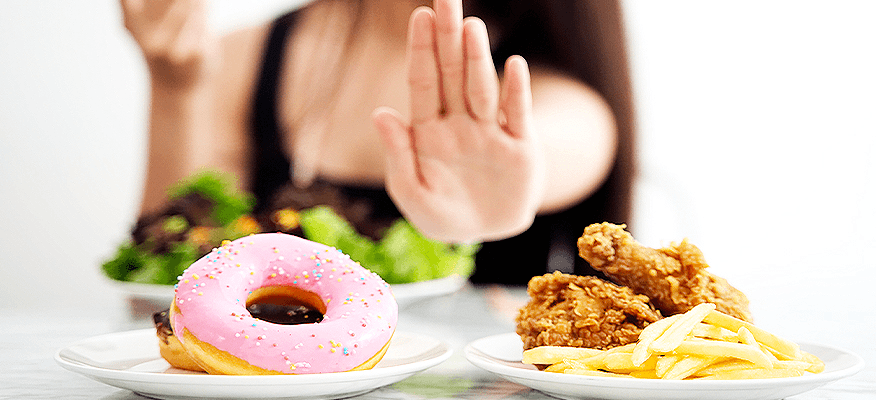
Nearly 1 in 3 adults globally is estimated to have fatty liver — and rates are rising rapidly across Southeast Asia and parts of East Africa as diabetes, abdominal obesity, and processed food intake increase. For many, the diagnosis comes as a surprise during a routine health check.
If you’re searching for fatty liver foods to avoid, you’re already asking the right question.
Fatty liver develops gradually through everyday eating patterns — excess sugar, refined carbohydrates, deep-fried foods, and calorie-dense processed meals. Over time, these habits push the liver to store more fat than it can safely handle.
The encouraging news? The liver is remarkably resilient. In its early stages, reducing the key dietary triggers can significantly lower liver fat and improve metabolic health.
This isn’t about eliminating cultural staples or extreme dieting. It’s about identifying the common foods that quietly add stress — and making practical, sustainable swaps that support long-term liver health.
Let’s break down what matters most.
What is fatty liver disease (NAFLD)?
Before we dive deeper into specific fatty liver foods to avoid, it helps to understand what’s actually happening inside the body.
Fatty liver disease isn’t just about “having fat.” A small amount of fat in the liver is normal. The problem begins when fat accumulates beyond healthy levels and starts interfering with how the liver functions.
Traditionally, this condition has been called non-alcoholic fatty liver disease (NAFLD) — used to describe liver fat not caused by heavy alcohol intake. However, many experts now use the term metabolic dysfunction-associated fatty liver disease (MAFLD). The newer name reflects what research has consistently shown: fatty liver is strongly linked to metabolic factors such as insulin resistance, abdominal obesity, high blood sugar, and abnormal cholesterol levels.
In its early stages, fatty liver disease often causes no noticeable symptoms. But if left unaddressed, it can progress to inflammation, scarring (fibrosis), and in severe cases, cirrhosis.
The reassuring part is that early-stage fatty liver — whether referred to as NAFLD or MAFLD — is often reversible with consistent lifestyle changes, particularly improvements in diet and physical activity.
Why avoiding certain foods is important
The liver detoxifies the blood, produces a liquid called bile for fat breakdown, receives nutrients from what you eat and processes them for the body to benefit from, stores fat-soluble vitamins and minerals, and works with glucose.
Thus, its functions revolve mainly around what you consume. If you notice signs of fatty liver, the first thing you must do is to analyse what you are eating and what impact it may be having on your liver.
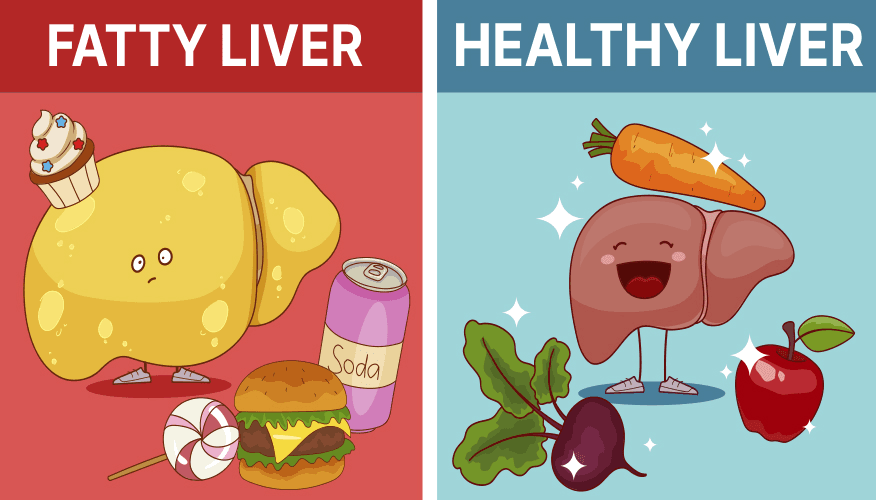
Top foods to avoid if you have fatty liver
You must focus on these fatty liver foods to avoid:
Fried and fast foods
- The issue with French fries, noodles, burgers, etc., isn’t just what they are composed of but also how they are cooked (usually in unhealthy oils).
- These foods are high in saturated fats and trans fats, which make the liver work harder.
- The overworked liver has no choice but to compromise on other functions, causing build-up, inflammation, insulin resistance, and oxidative stress. So, do remember the high-fat foods to avoid.
Sugary foods and drinks
- Soda, sweetened juices, candies, pastries, and desserts can surely make your taste palette happy, but if you look closely, they contain large amounts of fructose, which is processed mainly in the liver.
- When consumed in excess, it quickly turns into fat and gets stored in the liver. This increases liver fat and inflammation.
Refined carbohydrates
- On the list of fatty liver foods to avoid,refined carbohydrates are a must. White bread, white rice, pasta made from refined flour, and many breakfast cereals directly affect the liver, as well as the sugar spikes (again affecting the liver).
- These sugar spikes result in high insulin, which demands the liver to store more fat, making the issue worse for you.
Packaged and ultra-processed foods
- In a busy lifestyle, chips and ready-to-eat meals can look like your best friend but are an enemy in disguise.
- Excess sugar and fat from these (which is practically the most of it) are sent to the liver, where they are turned into triglycerides and stored, slowly building up fat.
High-fat dairy products
- Full-fat cheese, butter, cream, and whole milk are rich in saturated fats.
- Too much saturated fat can increase liver fat storage and worsen cholesterol levels.
What to eat instead: Liver-friendly alternatives
The best diet for fatty liver is the one that eases the work-pressure on the liver, while cleaning the fat build-up. What your liver needs right now is fibre, healthy fats, preferably plant-based protein, antioxidants, and hydration.
You can eat anything that agrees with what I listed above. Some practical liver-friendly alternatives include:
- Whole grains: Brown rice, oats, millet, sorghum
- Fruits: Papaya, guava, apple, orange, berries
- Vegetables: Leafy greens, carrots, bell peppers, squash, broccoli
- Plant-based proteins: Beans, lentils, chickpeas, tofu
- Healthy fats: Avocado, nuts (almonds, peanuts), seeds (flax, chia, pumpkin)
- Herbs and spices: Ginger, turmeric, garlic, lemongrass
- Hydration: Water, herbal teas (mint, ginger, lemongrass)
You don’t have to punish your taste buds on the pretext of fatty liver foods to avoid, but find alternatives that don't make your liver and body cry while running behind flavors.
Sample 1-day fatty liver diet meal plan
Here is a fatty liver meal plan for you to follow.
| Time of Day | Meal | What to Include | Why It Helps |
|---|---|---|---|
| Early Morning | Hydration | 1 glass warm water with fresh lemon | Supports hydration and digestion; helps start the day gently |
| Breakfast | Whole Grains + Fruit | Oats topped with banana or papaya + flaxseeds | Provides fiber, supports blood sugar balance, and promotes fullness |
| Mid-Morning Snack (Optional) | Light Snack | Fresh fruit or a handful of peanuts or pumpkin seeds | Prevents overeating later; adds healthy fats and nutrients |
| Lunch | Balanced Plate | Steamed brown rice or millets + lentils/beans + steamed or lightly sautéed vegetables | High in fiber and plant protein; supports steady energy and liver health |
| Post-Lunch | Herbal Support | Ginger, lemongrass, or mint tea (hot or cold) | Aids digestion and reduces bloating |
| Dinner | Light & Filling | Vegetable stew + small portion of sorghum or millet | Easy to digest, helps prevent late-night cravings |
You may make a weekly table of such fatty liver diet recipes.
Learn how to eat better for your liver
Tips to improve fatty liver through diet
Apart from the fatty liver foods to avoid, there are other diet-induced strategies to follow:
- No late-night snacking: Your liver has peak working time (circadian rhythm), which gets disrupted if you eat late at night, especially highly processed food.
- Portion size: Even if you eat healthy, but loads of it, it is not helpful.
- Liver detox foods: The years of damage need to be addressed with detoxification.
- Read labels: While purchasing packaged/processed foods for your fatty liver disease diet, do read the labels to avoid hidden sugars and unhealthy fats.
- Lose weight/waist-size: The foundation of fatty liver treatment is to lose those inches. So plan a calorie-deficient diet.
When to see a doctor
If you have been diagnosed with fatty liver or have risk factors like obesity, diabetes, or high cholesterol, regular medical checkups are important. See a doctor if you experience ongoing fatigue, abdominal discomfort, or unexplained weight changes.
Conclusion
Improving fatty liver is not about strict rules or fear-based eating. It is about giving your liver the chance to do what it is designed to do: heal and protect you.
Every balanced meal, without the fatty liver foods to avoid, is a message to your body that you are taking care of it. Those messages add up faster than you might expect.
When you remove foods that overload your liver, you create space for healing to begin. Start where you are, take one step at a time, and trust that your efforts truly matter.
Meet our expert

Meet our expert
Chai Jie Qi is a passionate nutritionist and fitness professional with a strong background in healthcare, wellness, and fitness. With over five years of experience in the healthcare industry and a journey in fitness and wellness since 2015, Chai is dedicated to helping individuals achieve their health goals through a well-rounded approach.
How was the experience with article?
We'd love to know!