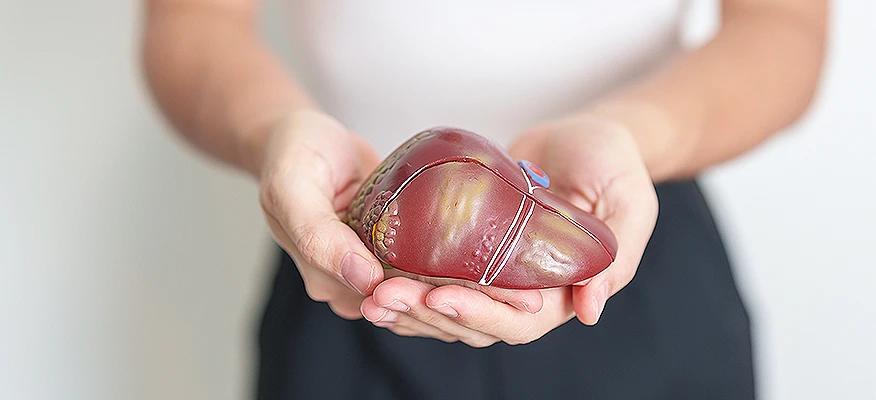
You may not think much about your liver — until a routine health check shows “fatty changes” or elevated enzymes. Or until the fatigue doesn’t go away. Across Southeast Asia and East Africa, more people are quietly discovering they have fatty liver disease — often without any obvious symptoms at first.
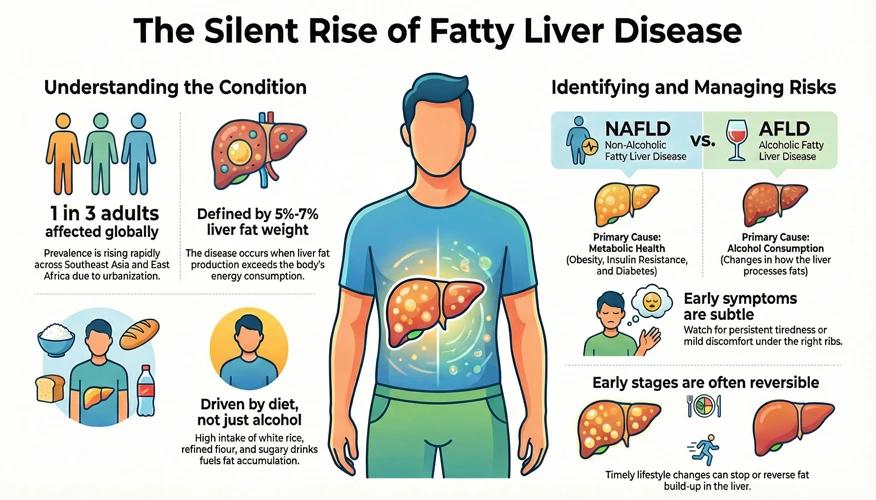
Fatty liver is no longer rare. Globally, nearly one in three adults is estimated to have it. In many parts of Southeast Asia, rates are even higher, driven by rising diabetes, abdominal obesity, and increasingly sedentary lifestyles. In East Africa, rapid urbanisation and changing diets mean metabolic diseases are climbing — and fatty liver is following the same trend.
What surprises many people is this: you don’t have to drink alcohol to develop fatty liver. In communities where white rice, refined maize flour, or sugary beverages have become daily staples, excess calories combined with low physical activity can quietly increase liver fat over time. In fact, most cases today are linked to insulin resistance, excess abdominal weight, and metabolic health.

Early fatty liver symptoms can be subtle — persistent tiredness, mild discomfort under the right ribs, or abnormal liver tests picked up during screening. Because it often develops silently, awareness matters.
The good news? In its early stages, fatty liver is often reversible with timely lifestyle changes.
In this article, we’ll break down what fatty liver is, the early warning signs to watch for, and when it’s time to seek medical advice.
What is fatty liver disease?
Our liver stores fat in its cells for the body to consume as energy. If the consumption of this fat-induced energy is less than the production, fat starts accumulating. When fat makes up more than 5%-7% of the liver’s weight, it is termed a a fatty liver disease.
Depending on the cause of fat build-up, there are two types:
- Non-Alcoholic Fatty Liver Disease (NAFLD):
This type occurs in people who drink little or no alcohol. It is closely linked to obesity, insulin resistance, type 2 diabetes, and metabolic health issues. - Alcoholic Fatty Liver Disease (AFLD):
This type is caused by heavy or long-term alcohol consumption. Alcohol changes how the liver processes fats, leading to fat build-up.
Common causes
Obesity
If one is obese, fat cells (adipocytes) struggle to store excess fat. As a result, the liver has more Free Fatty Acids to cater to, thus indicating signs of fatty liver.
Insulin resistance
Insulin normally tells the liver to stop producing glucose and store it. With resistance, this signal fails, so the liver keeps making.
Type 2 diabetes
The above-mentioned cause of fatty liver in diabetes gets a boost. Here, a negative cycle is formed as Type 2 diabetes increases fatty liver risk, and liver disease can make diabetes harder to manage.
High cholesterol or triglycerides
The liver tries to package triglycerides (a type of fat in the bloodstream) into very-low-density lipoprotein for transport, but when production outpaces secretion, fat accumulates in liver cells.
Poor diet
Too many calories from sugar and fat overwhelm the liver. It converts these calories into fat and stores them in its cells. High sugar also contributes to fatty liver symptoms.
Lifestyle and other causes
Alcohol consumption
When you drink alcohol, its breakdown becomes the priority for your liver, diverting resources from normal fat processing, causing fats to build up.
Sedentary lifestyle
When you are living a comparatively inactive lifestyle, it reduces the liver's ability to oxidize (burn) fatty acids and export triglycerides, leading to fat build-up.
Genetics
Genes like PNPLA3 affect proteins that control lipid droplets (fat storage sacs) in the liver, making them less able to release fat for energy.
Early signs and symptoms of fatty liver disease
Fatty liver disease symptoms are often mild or absent in the early stages, which is why many people do not realize they have the condition. Both NAFLD and AFLD can show similar early warning signs.
Common early symptoms
Fatigue and weakness
- Your liver performs many jobs for you, including breaking down energy from food consumed and removing toxins from the body.
- A compromised liver can’t perform it efficiently, thus decreasing the energy provided while increasing toxic build-up.
Mild abdominal discomfort (right upper side)
- This is one of the most common fatty liver symptoms.
- The fat build-up makes the liver swell, stretching its capsule and pressing on nearby areas, causing a dull ache or pressure.
Unexplained weight loss
- When the liver is severely compromised, it can't properly use energy, so the body breaks down muscle tissue for fuel, causing sudden weight loss.
Loss of appetite
- Liver dysfunction affects hormones that regulate hunger, reducing your appetite.
How is fatty liver diagnosed?
If your doctor notices signs of fatty liver, they follow a series of steps:
- Blood tests: To know if liver enzyme levels are elevated or normal.
- Imaging Tests: Ultrasound, CT scan, or MRI can detect fat build-up in the liver.
- FibroScan: You may undergo it to measure liver stiffness and fat content.
- Liver Biopsy: In rare cases, a small tissue sample is taken to assess liver damage.
How to reduce fatty liver: Treatment & prevention
It is said that prevention is better than cure, even for fatty liver. There is no pharmaceutical drug to prevent it, but some medications work on the possible causes; this includes diabetes/insulin resistance, cholesterol, and blood pressure.
For treatment, resmetirom medicine is for patients with MASH and moderate to severe liver scarring (stage 2 or 3 fibrosis), but not cirrhosis. It works by increasing liver fat metabolism. You must consult your physician before taking medications.
You should have a clear preference for natural treatment for fatty liver if your goal is to work on an effective procedure and possible prevention.
Natural treatment options for fatty liver
The fatty liver causes and treatment have a direct connection: once you are aware of the possible causes (especially with respect to your lifestyle and body), you must start acting upon them. They revolve around supporting liver function and reducing fat accumulation.
It is about a whole lifestyle adjustment. You must focus on reducing 5-10% of your body weight, as it may reduce the burden on your liver. Also, aim for a proper sleep schedule, allowing for better insulin movement.
When you take stress, a hormone is produced that damages the liver. Practices like yoga, meditation, or deep breathing can help.
Most importantly, take care of what tasks you are giving to your liver in the form of consumption. Do focus on a liver-friendly diet if you notice fatty liver symptoms. For non alcoholic fatty liver disease treatment, abstain from alcohol consumption.
Best diet for fatty liver
The focus of a fatty liver diet is to reduce inflammation, control blood sugar, and lower fat storage.
While creating one for yourself, you must keep in mind to:
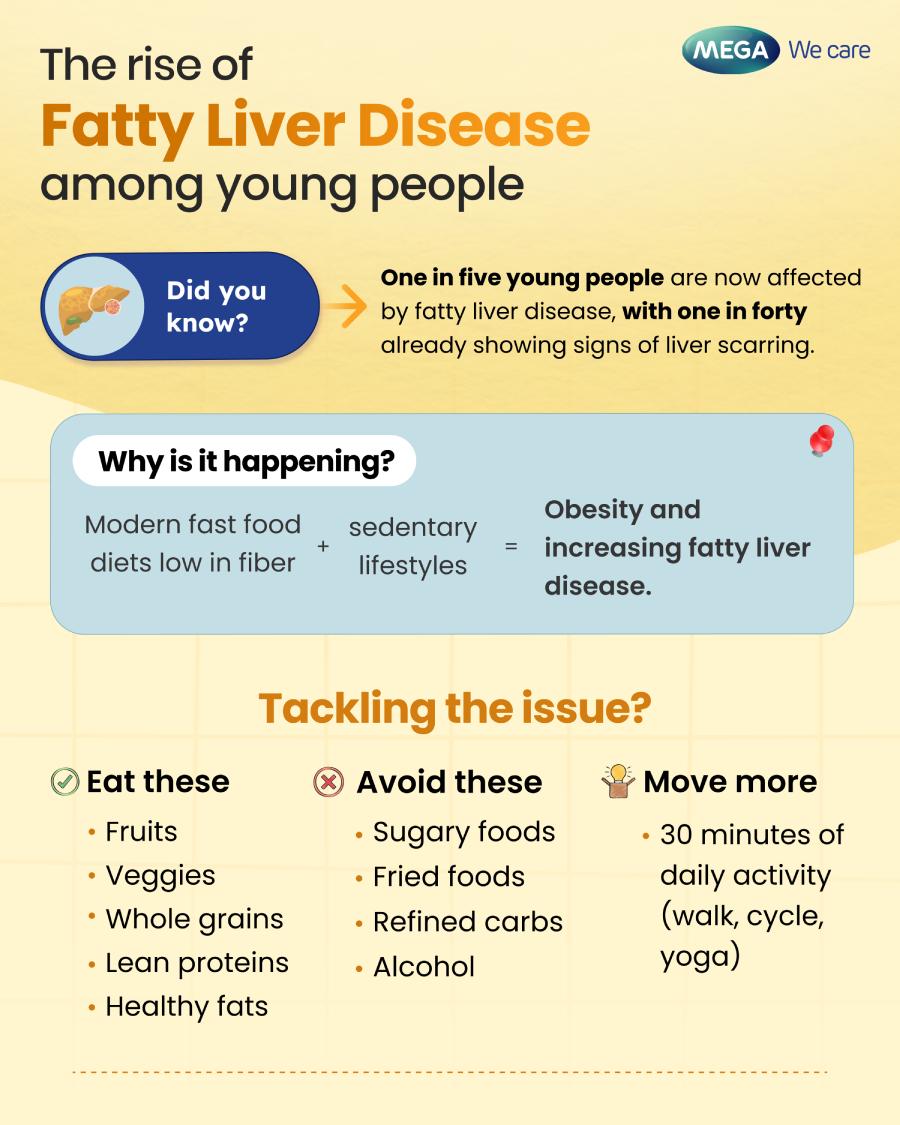
- Eat plenty of vegetables, fruits, and whole grains.
- Choose lean proteins like yogurt, lentils, beans, and tofu.
- Have healthy fats (especially refrain from trans fats) such as olive oil, nuts, and seeds.
- Avoid sugary drinks, sweets, and refined carbohydrates.
- Limit processed and fried foods.
Best exercises for fatty liver
The aim of an exercise for fatty liver is to reduce fat from the body, improve cardio-respiratory fitness, and increase muscle mass for better body recomposition.
For this, you may go for a combination of aerobics (like cycling, swimming, or jogging) and strength training. Also, to maintain the cortisol level, you must go for yoga or pilates as they may reduce stress, build up the core, and improve tone.
It is not about the distance you cover in aerobics or the weights you lift, but you do move your body consciously and consistently.
Click on the below button to download e-book
When should you see a doctor?
If you notice the fatty liver symptoms, you must consult a healthcare professional. This may include experiencing ongoing fatigue, abdominal discomfort, or unexplained weight changes.
People with diabetes, obesity, or high cholesterol should get regular liver check-ups, even if symptoms are absent. Early medical advice can prevent serious liver damage.
Conclusion
Many people aren't even aware that they live with fatty liver and are completely shocked when they find out during routine check-ups. However, this does not mean that the issue has worsened, as fatty liver symptoms aren’t active in the initial phases.
It is the overpresence of fat in your liver cells, owing to excess calorie consumption in the body without active utilisation, increased sugar in the bloodstream, increased cortisol levels, and other factors like excess alcohol intake.
The condition is manageable, especially when found early. With strategic lifestyle changes to eat healthy, regular movements, and managing related conditions like diabetes or high cholesterol, you can reduce liver fat and support healing.
If you have risk factors or ongoing symptoms, talking with a healthcare provider is an important next step.
Meet our expert

Meet our expert
She holds a Bachelor of Nutrition & Community Health with Distinction from Universiti Putra Malaysia and has been a dedicated healthcare professional since 2014. As the Customer Care Manager, she leads a team of skilled dietitians and nutritionists, committed to serving the community.
How was the experience with article?
We'd love to know!