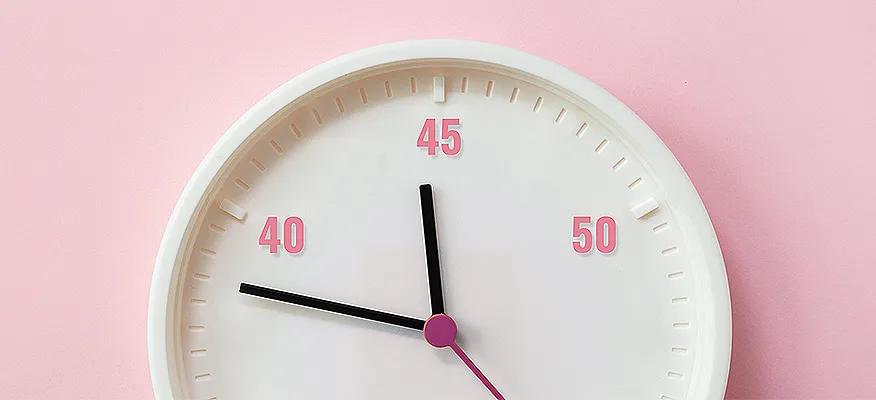
Have you ever found yourself in the middle of a crucial meeting or a long-awaited vacation and suddenly just don’t feel right? There’s an unfamiliar sensation in your body—a sudden hot flash or perhaps an unnatural fatigue creeping in. It’s easy to brush it off as stress or tiredness. However, as women, we could be experiencing the subtle whispers of a significant transition in our lives—menopause.
Understanding menopause age and identifying its early signs can often feel like trying to solve a challenging puzzle. One minute, you're comfortably sitting in your air-conditioned office, and the next moment, you're fanning yourself to cool down from an unexpected hot flash.
It's no secret that menopause is a natural part of aging, but do you know when it will start? Are you aware of the symptoms and how they change with age? Read on as we unpack what to expect when menopause comes knocking. Let's arm ourselves with knowledge so that we can welcome this new phase of life with grace and confidence!
Menopause and its stages
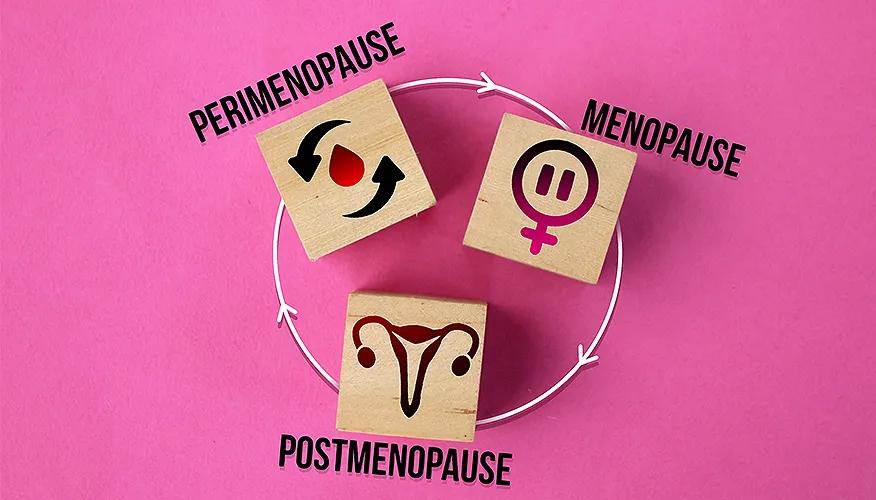
Menopause is a gradual process that occurs in stages, each marked by specific symptoms and timelines.
Understanding these stages can help women better manage their health during this transition.
1. Perimenopause
- Perimenopause is the first stage, typically starting in a woman's 40s, but it can begin as early as the late 30s.
- During this phase, the ovaries gradually produce less estrogen. The average age of menopause onset for perimenopause is often around menopause age 47, though symptoms can start as early as menopause age 40 or even menopause symptoms age 43.
- Women may experience irregular periods, hot flashes, night sweats, mood swings, and sleep disturbances. This stage can last for several years leading up to menopause.
2. Menopause
- Menopause is officially reached when a woman has gone 12 consecutive months without a menstrual period.
- Common age for menopause can be around menopause age 50, though it might also occur at menopause age 52 or menopause symptoms age 48.
- During this time, women might experience intensified menopause symptoms such as hot flashes, vaginal dryness, and emotional changes.
- Menopause symptoms age 45 to 55 are also common as women transition through this stage.
3. Postmenopause
- Postmenopause follows menopause and lasts for the rest of a woman’s life.
- During postmenopause, symptoms may ease for some women but long-term health considerations like bone density loss and cardiovascular health become more significant.
- This stage starts after menopause and includes all the years beyond. Women in this stage might still experience menopause symptoms age 55 or menopause symptoms age 52, although symptoms generally decrease in severity over time.

Early and late menopause
- Early menopause occurs when menopause starts before age 40. This can be due to genetic factors, medical treatments, or health conditions.
- The youngest age for menopause can be in the 30s.
- Late menopause, on the other hand, happens when menopause begins after age 55.
- Factors influencing early or late menopause can include lifestyle, genetics, and overall health.
- Understanding your menopause age for female health can provide better preparation for managing symptoms and health risks.
Menopause in different regions
The menopause age in Malaysia, for example, might differ slightly due to genetic, environmental, and lifestyle factors.
However, the menopause age range is generally similar worldwide, with the average age of menopause being around 51, but varying between 40 and 60 years.
When does menopause come calling?
While there isn’t a fixed age at which menopause begins, it typically begins between ages 45 and 55. The average age for menopause onset in the United States is 51. However, it’s possible for some women to reach menopause as early as their late 30s or as late as their early 60s.
It's worth noting that premature or early menopause can occur due to various reasons like genetic factors or medical treatments such as chemotherapy or radiation therapy.
While these are exceptions rather than the rule, it’s important to know that menopause can start earlier than expected under certain circumstances.
What kick-starts menopause?
As women age, the ovaries gradually reduce their production of estrogen and progesterone, the hormones that regulate the menstrual cycle and support reproductive health. This decline in hormone production doesn't happen overnight but occurs over several years, typically starting in a phase known as perimenopause.
Estrogen and progesterone play critical roles in the female reproductive system. Estrogen is involved in the development of secondary sexual characteristics, the regulation of the menstrual cycle, and the maintenance of the reproductive tissues. Progesterone prepares the uterus for pregnancy after ovulation and helps regulate the menstrual cycle.
The age factor: How it impacts menopause symptoms
The age at which a woman begins menopause can significantly influence the nature and severity of symptoms as well as the associated health risks.
Here's a more detailed look at how the timing of menopause can affect a woman's health:
1. Early menopause (before age 40)
Women who experience early menopause often face unique challenges and health risks.
- Severe or long-lasting symptoms: Women who enter menopause at a younger age might experience more intense and prolonged symptoms. These can include severe hot flashes, night sweats, mood swings, and sleep disturbances. The extended duration of these symptoms can affect quality of life and overall well-being.
- Increased health risks: Early menopause is associated with a higher risk of certain health conditions due to the premature decline in estrogen levels. Key risks include:
- Heart disease: Estrogen has a protective effect on the cardiovascular system. A premature loss of estrogen can lead to an increased risk of heart disease, including heart attacks and strokes.
- Osteoporosis: Estrogen helps maintain bone density. Women who undergo early menopause are at a greater risk of developing osteoporosis, which makes bones fragile and more prone to fractures.
- Psychosocial impact: The unexpected onset of menopause at a younger age can be emotionally challenging. Women may experience feelings of loss, anxiety, and depression, especially if they were planning to have children.
2. Later menopause (after age 55)
Women who begin menopause later in life may experience different benefits and risks compared to those who experience it earlier.
- Milder symptoms: Some women who enter menopause later may experience less severe symptoms. This could be due to a more gradual decline in hormone levels, allowing the body to adjust more smoothly.
- Lower risk of osteoporosis and heart disease: The longer exposure to estrogen can help maintain bone density and provide continued cardiovascular protection, potentially reducing the risk of osteoporosis and heart disease compared to those who experience early menopause.
- Increased risk of certain cancers: Prolonged exposure to estrogen is a risk factor for hormone-sensitive cancers. Women who experience menopause later in life are at a higher risk for:
- Breast cancer: Extended estrogen exposure can increase the risk of developing breast cancer.
- Ovarian cancer: Similarly, the risk of ovarian cancer may be elevated due to prolonged hormonal influence.
- Uterine cancer: Increased estrogen levels over a longer period can also raise the risk of uterine (endometrial) cancer.

Managing the risks
Regardless of the age at which menopause begins, it’s essential for women to manage their health proactively.
Here are some recommendations:
- Regular medical check-ups: Regular visits to a healthcare provider can help monitor and manage risks associated with early or late menopause. Screenings for heart disease, bone density tests, and cancer screenings are crucial.
- Healthy lifestyle: Maintaining a healthy diet, regular exercise, and avoiding smoking can mitigate some of the health risks associated with menopause.
- Hormone replacement therapy (HRT): For some women, HRT can help manage severe symptoms and reduce the risk of osteoporosis and heart disease. However, the decision to use HRT should be made in consultation with a healthcare provider, considering the potential benefits and risks.
- Psychosocial support: Counseling or support groups can be beneficial for women experiencing emotional challenges related to the timing of menopause.
Conclusion
every woman's journey through menopause is unique—with different onset ages, symptom severity, and duration. While it's a natural process and not a disease, the changes that come with it can be challenging for some women. That's why understanding what to expect can make the transition smoother and help you take proactive steps toward managing symptoms effectively.
Remember, while menopause marks the end of one phase of life, it's also the beginning of another - often one marked by personal growth, freedom, and new opportunities. So here's to embracing change with positivity and grace!
Meet our expert

Meet our expert
Dr Bright is a member of the Fellowship of Christian Optometrist international and a Clinical Research supervisor.

How was the experience with article?
We'd love to know!