
Protein may support energy, tissue repair, muscle recovery and blood sugar balance during the menstrual cycle, especially when paired with a balanced diet.
Protein is an important nutrient during the menstrual cycle because it supports tissue repair, energy balance, muscle recovery and overall body strength. Including protein-rich foods during periods may also help manage hunger, cravings and tiredness.
The menstrual cycle can be physically demanding, and consuming sufficient protein helps support tissue repair and recovery, especially during menstruation when the uterine lining is shed and needs to be regenerated. Protein for periods is crucial for maintaining bodily strength and its capacity to cope with the changes it experiences.
Protein helps in follicle development and can also calm inflammation. In addition, it is an important source of energy and blood sugar which helps especially with hormonal disorders such as the Polycystic Ovary Syndrome (PCOS). Protein shakes for PCOS help manage weight and also provide metabolic support. Not only does it provide amino acids which aid in organ repair, but it is also known to support the maintenance of a healthy body mass - all of which are really important to the body, especially during menstruation.
Protein is important during the menstrual cycle because it helps support tissue repair, energy balance, muscle recovery and fullness. Protein-rich foods such as lentils, beans, tofu, eggs, fish, yoghurt, nuts and seeds can be included as part of a balanced period-friendly diet.
Read on to learn more about eating for your cycle and the importance of good protein consumption.
Why Is Protein Important During Periods?
Protein is important during periods because the body needs nutrients to support tissue repair, energy, muscle recovery and overall strength. It may also help with fullness and stable energy during menstrual days.
Protein intake plays an essential role in overall health and well-being, including during the menstrual cycle. There is a significant link between protein and menstrual cycle health.
We have listed some of the main benefits below:
1: Can Protein Support Hormone Balance?
Protein provides amino acids, which are needed for many body functions, including hormone-related processes. A balanced diet with enough protein may support overall menstrual health.
- Proteins are composed of amino acids, which are the building blocks for hormones. Hormones play a crucial role in regulating the menstrual cycle, including the release of eggs and the shedding of the uterine lining.
- Eating for your menstrual cycle helps support the production and balance of hormones involved in the process.
2: How Does Protein Help Tissue Repair During Periods?
During menstruation, the uterine lining is shed and later rebuilt. Protein provides amino acids that support tissue repair and recovery.
- The menstrual cycle involves the shedding and regeneration of the uterine lining. Protein for periods is necessary for tissue repair and regeneration, as it provides the amino acids needed for the growth and maintenance of body tissues.
- Adequate protein intake supports the replenishment of the uterine lining and aids in the recovery process.
3: Can Protein Support Blood and Iron Levels?
Protein can support overall blood health when eaten with iron-rich foods. During periods, this may be helpful because blood loss can contribute to tiredness in some women.
- Iron is an essential mineral for blood production, and protein helps with its absorption and utilization.
- During menstruation, iron loss occurs through the shedding of blood. Consuming sufficient protein during periods, along with iron-rich foods, can help support the body's iron levels and prevent anemia, which can lead to fatigue and weakness.
4: Can Protein Help with Energy and Cravings?
Protein helps support fullness and steady energy. Including protein with meals may help reduce sudden hunger and cravings during the menstrual cycle.
- Protein is a macronutrient that provides energy and helps regulate blood sugar levels. Eating for your cycle and including protein-rich foods in your diet can help maintain stable energy levels, reduce cravings, and promote a feeling of fullness.
- This can be particularly beneficial since hormonal fluctuations during this time may lead to changes in appetite and food cravings.
5: How Does Protein Support Muscle Recovery?
Protein supports muscle repair and strength. This may be useful during periods, especially for women who exercise or experience body aches and fatigue.
- Physical discomfort, such as menstrual cramps, can occur during the menstrual cycle. A menstrual cycle diet requires adequate protein intake that supports muscle recovery and repair.
- This can help alleviate muscle soreness and promote strength and well-being. Engaging in regular exercise and consuming protein-rich foods can help maintain muscle mass and support physical resilience during this time.
How Does Protein Support the Menstrual Cycle?
Protein provides amino acids that help the body build and repair tissues. During the menstrual cycle, adequate protein intake may support hormone-related body functions, blood sugar balance, muscle health and recovery.
How Much Protein Do You Need During Periods?
Protein needs vary based on age, weight, activity level, health conditions and diet pattern. Most people do not need a completely different protein target only during periods, but including protein in each meal can support energy and fullness throughout the cycle.
How Can You Increase Protein During Your Menstrual Cycle?
You can increase protein during your menstrual cycle by adding protein-rich foods to each meal, choosing healthy snacks, combining plant proteins and planning meals in advance. Protein powders may be considered only when diet alone is not enough and after professional advice.
To increase your intake of protein during periods, you can incorporate the following strategies:
1: Which Protein-Rich Foods Are Good During Periods?
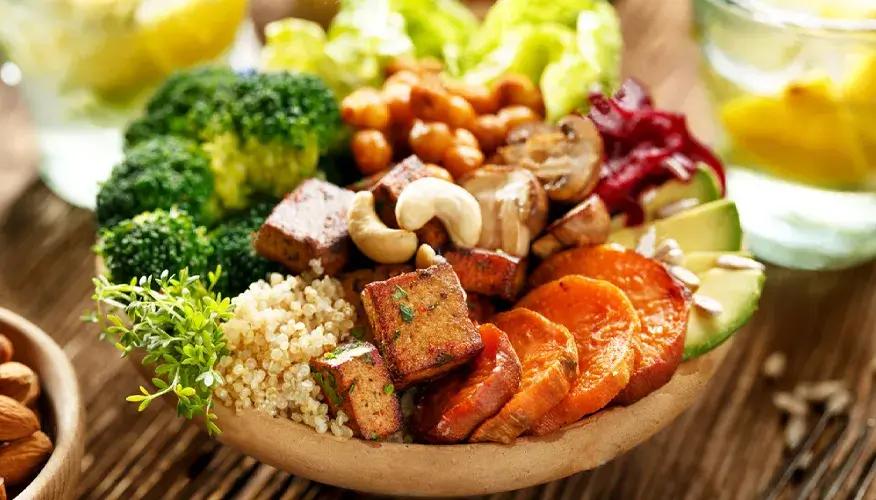
Protein-rich foods include lentils, chickpeas, beans, tofu, tempeh, edamame, nuts, seeds, eggs, fish, chicken, yoghurt and paneer, depending on dietary preference.
| Protein source | How it may support the body |
| Lentils and beans | Plant protein, fibre and fullness |
| Tofu and tempeh | Plant protein for vegetarian diets |
| Nuts and seeds | Protein, healthy fats and minerals |
| Eggs | Complete protein and nutrients |
| Fish or chicken | High-quality protein |
| Yoghurt or paneer | Protein and calcium |
| Protein smoothies | Convenient option when needed |
- Focus on including protein-rich foods in your meals and snacks.
- Good sources of protein such as legumes (such as lentils, chickpeas, or black beans), tofu, tempeh, edamame, and nuts/seeds, all help.
2: Do You Need Complete Protein Sources?
Complete proteins contain all essential amino acids. Animal foods usually provide complete protein, while vegetarian or vegan diets can combine foods such as legumes, grains, nuts and seeds.
- Protein and the menstrual cycle go hand in hand. Complete proteins contain all the essential amino acids needed by your body.
- If you follow a vegetarian or vegan diet, you can combine different plant-based protein sources to create complete proteins. For instance, combining legumes with whole grains or seeds.
3: How Can You Add Protein to Every Meal?
Add nuts or seeds to breakfast, include dal, beans, tofu, paneer, eggs or lean meat at lunch, and choose a protein-rich snack when needed.
- Aim to have a source of protein at each meal.
- For example, add nuts and seeds to your breakfast, have a tofu stir-fry for lunch, and include beans in your dinner.
4: What Are Good Protein Snacks During Periods?
Good protein snacks may include roasted chana, nuts, seeds, yoghurt, boiled eggs, hummus, tofu bites, protein smoothies or homemade protein balls.
- Incorporate protein-rich snacks into your daily routine. Snack options can include a handful of nuts or seeds, protein bars or balls, or protein smoothies.
- Protein shakes for Pcos can also be a game changer in terms of hormonal changes that one may face.
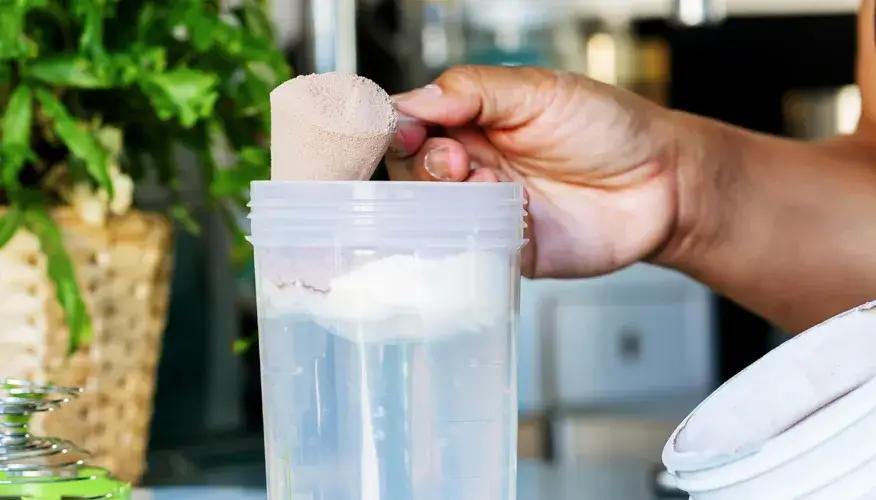
5: Are Protein Shakes Useful During Periods?
Protein shakes may help when someone struggles to meet protein needs through food, but they are not necessary for everyone. It is better to choose high-quality products and consult a healthcare professional if you have PCOS or any medical condition.
- If needed, you can supplement your protein intake with protein powders or shakes. There are various types available, including plant-based protein (such as pea, rice, or soy protein), or other alternative protein sources.
- Choose a protein powder that fits your dietary preferences and goals, and is also high in quality.
6: How Can Meal Planning Improve Protein Intake?
Planning meals ahead can make it easier to include protein-rich foods during periods and avoid relying on less nutritious snacks when cravings or tiredness increase.
- Plan your meals ahead of time to ensure you have enough protein during periods and that foods rich in the same are readily available.
- This can help you make intentional choices and prevent relying on less nutritious options when hunger strikes.
Can Protein Help with PCOS and Period Health?
Protein may support fullness, blood sugar balance and weight management, which can be helpful for some people with PCOS. However, PCOS needs personalised nutrition and medical guidance, so protein shakes or supplements should not be used as a replacement for professional care.
Conclusion
While protein for periods is not a direct indicator or reflection of specific menstrual cycle events, it is an important nutrient that supports the underlying physiological processes involved in the cycle. Maintaining a balanced and adequate protein intake can help support overall health and well-being during this time.
Remember, individual protein needs can vary based on factors such as age, weight, activity level, and overall health. Everyone's nutritional requirements and preferences are different, so it's always a good idea to consult with a healthcare professional or registered dietitian who can provide personalized advice based on your specific circumstances.
Meet our expert

Meet our expert
Dr Sylvia Kama-Kieghe is a UK-based General Practitioner with a special interest in Women's Health and founder of Askawayhealth. She's also a tutor and medical student examiner. She is a Fellow of the Royal College of General Practitioners (FRCGP), Fellow of the Royal Society of Public Health (FRSPH), Fellow of the Royal Society of Medicine (FRSM), and holds a Diploma of the Faculty of Sexual and Reproductive Healthcare (DFSRH).


How was the experience with article?
We'd love to know!