
Your kidneys quietly work round the clock — filtering waste, balancing fluids, and supporting overall health. But what happens when they start to slow down, often without a single warning sign?
Chronic kidney disease (CKD) is a silent condition that now affects over 800 million people around the world — and women are especially vulnerable. While diabetes, high blood pressure, and obesity are well-known culprits, what often goes unnoticed is the role essential vitamins and nutrients play in either supporting or straining your kidneys.
In this article, we unpack the best vitamins for kidney health — the ones your body needs, and the ones it may be getting too much of. Because when it comes to your kidneys, even small imbalances can make a big difference.
What are vitamins and minerals?
Your body's essential functions are supported by vitamins and minerals. These include energy creation, cell repair, immune system maintenance, and regulation of nearly all other biological processes.
Most vitamins and minerals in the human body are sourced from foods and supplements, but once kidney function drops, your body may start processing these nutrients differently. Some are lost in dialysis, while others build up to toxic levels.
Why are vitamins important for kidney health?
One of the key roles of healthy kidneys is activating vitamin D.
This version of vitamin D helps your body absorb calcium, regulate bone health, and manage phosphorus levels.
When kidney function declines, the conversion of vitamin D becomes impaired. This causes deficiency rates to skyrocket, affecting up to 80 percent of CKD patients.
Besides that, kidneys also help maintain the right levels of vitamins in the blood. When kidneys falter, some vitamins are lost quickly while others stay in the body too long, causing further damage. This imbalance makes vitamin management complex and highlights the need for medical supervision even when taking food supplements for the kidneys.
How can I tell if I am not receiving enough vitamins and minerals?
Kidney disease can make vitamin and mineral deficiencies more noticeable. Here are some signs to look for:
- Tiredness or weakness.
- Bone pain or fractures.
- Muscle cramps.
- Pale skin or frequent infections.
- Irregular heartbeat or memory problems.
To confirm a deficiency, your doctor may also order blood tests and urine analysis to understand your specific nutritional needs.
Best vitamins for kidney health
Here are the best vitamins to support kidney health:
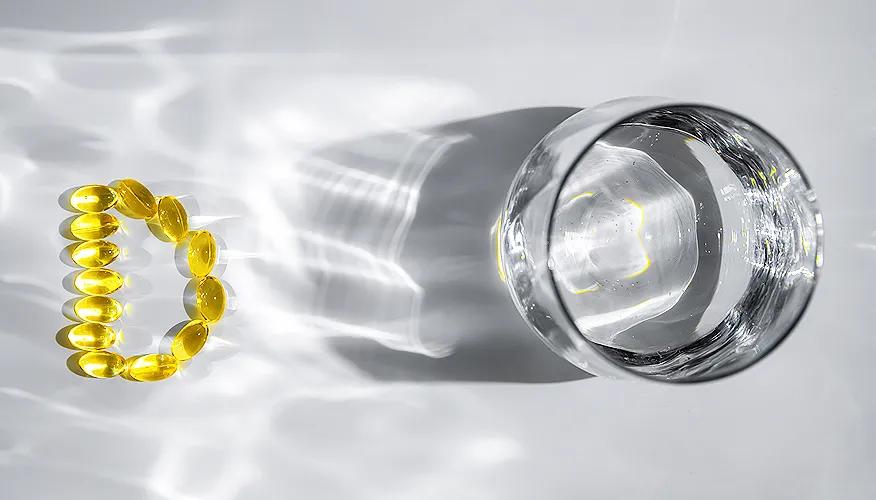
Vitamin D
- Without enough active vitamin D, calcium absorption drops, and phosphorus builds up. This can cause weak bones, hormone imbalances, and even heart issues.
- Many CKD patients take active forms like calcitriol, usually under a doctor’s direction.
- These supplements for the kidneys can help control problems and perhaps reduce disease development.
B Vitamins
- These water-soluble vitamins are especially important for dialysis patients since they’re easily lost during treatment.
- Key vitamins for kidney health include B12 (Cobalamin), Folate (B9), and B6. These actively support nerve health, help reduce homocysteine, and aid in protein metabolism and brain function.
Iron
- While not a vitamin, iron is considered an essential mineral when discussing CKD patients.
- Iron deficiency is one of the most common complications in kidney disease, especially in later stages. Since the kidneys produce erythropoietin (which tells your body to make red blood cells), a drop in this hormone often leads to anemia.
- Most patients require iron supplementation, and in dialysis settings, it’s often given through IV for better absorption.
Vitamin C
- While vitamin C helps boost immunity and reduce inflammation, CKD patients must tread carefully.
- Too much can raise oxalate levels in the body, increasing the risk of kidney stone formation.
- So, renal vitamins usually contain a conservative amount, around 60 to 100 mg per day.
Other helpful nutrients for kidney support
Beyond vitamins, here are a few other nutrients that support kidney health:
Omega-3 Fatty Acids
- These healthy fats, mostly from fatty fish, help reduce inflammation and improve heart health.
- A review of 19 studies showed that higher omega-3 intake was linked to a slower drop in kidney function. Even a modest benefit could help preserve kidney health over time.
Magnesium
- Magnesium helps with nerve signaling, muscle function, and regulating other minerals like calcium and potassium.
- Some studies suggest that magnesium may lower the risk of cardiovascular problems in CKD patients.
- However, levels need to be closely monitored since magnesium can build up if the kidneys stop clearing it properly.
Probiotics
- Emerging research shows that probiotics can reduce toxins like urea and improve gut health.
- One study even found a small reduction in blood urea nitrogen levels in CKD patients using probiotic supplements.
- That said, strain selection and dosage still need more research before being widely recommended.
Coenzyme Q10
- CoQ10 is an antioxidant that supports mitochondrial function and heart health. In kidney patients, it may help reduce oxidative stress, improve cholesterol levels, and slightly slow kidney decline.
- But like many other supplements, it should only be taken under medical advice.
Vitamins to be cautious with in kidney disease
Not all vitamins are safe for those with kidney issues. Some fat-soluble ones can accumulate dangerously.
For example, vitamin A is already elevated in CKD cases, while vitamin E may cause mortality in higher doses.
In addition, ensure proper vitamin K and vitamin C dosage to avoid the buildup of harmful components in the body.
Multivitamins also often contain potassium and phosphorus, but they can be harmful when your kidneys are impaired.
What about dialysis patients?
If you’re on dialysis, it usually pulls many water-soluble vitamins out of your system. You typically would need special renal vitamins with the right mix of B vitamins and small amounts of vitamin C to supplement them.
As mentioned, standard multivitamins can’t work in this case as they often contain fat-soluble vitamins, potassium, and phosphorus. Dialysis patients may also need regular iron infusions and higher protein intake.
Precautions and considerations
When dealing with kidney health, taking any supplement without guidance is risky. Here’s what to remember:
- Work closely with your doctor before starting or stopping any supplement.
- Avoid generic multivitamins unless they’re specifically labeled as renal-safe.
- Keep an eye on drug interactions. Many common meds used in CKD can interact with vitamins or minerals.
Is it safe to use herbal remedies?
While a few small studies have shown that professionally prepared herbal medication, most over-the-counter versions are not significantly effective. Also, some herbs, such as licorice root and cat’s claw, are known to be directly harmful to the kidneys.
How to support kidney health naturally
- Staying hydrated helps your kidneys flush out waste and lowers the risk of kidney stones.
- Aim for 8 to 10 cups of water each day.
- Add kidney-friendly foods like blueberries, cranberries, and grapes for antioxidants.
- Moreover, use olive oil and garlic to add flavor without piling on the sodium.
- Cut back on salt and processed foods. Try to keep your sodium intake under 2,300 mg daily.

Conclusion
Hopefully, you’ve comprehended the best nutrients and vitamins for kidneys and renal health. While nutrients like vitamin D, B vitamins, iron, and omega-3s support kidney function, others like vitamins A and E, as well as minerals like potassium, can be harmful without supervision. Kidney patients must take a tailored approach to supplementation, guided by lab results and clinical advice. Natural remedies and herbal supplements are not always safe, and over-the-counter multivitamins can cause more harm than good. All the best!
Meet our expert

Meet our expert
A graduate from Lugansk State Medical University in 1995, Dr Viktorovona holds a distinguished qualification in pediatrics, ultrasound diagnostics, and pediatric gastroenterology.



How was the experience with article?
We'd love to know!