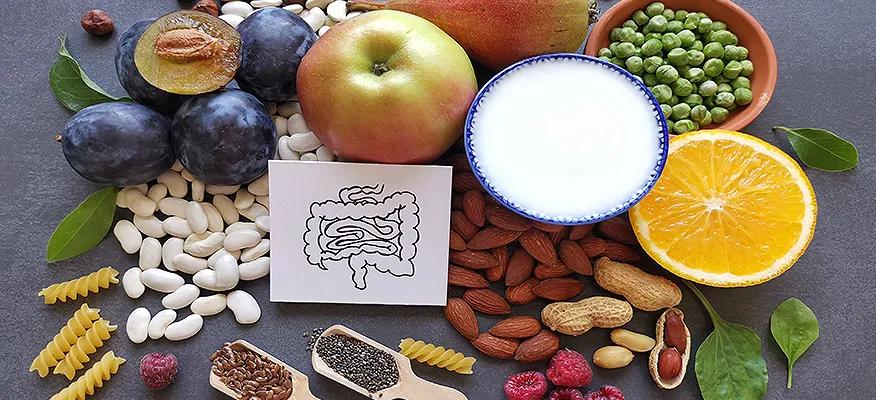
That sudden jolt of pain in your belly. Ever wondered why it happens? Well, welcome to the world of gut health.
Imagine this: You're all geared up for that long-awaited party, you've put on your favorite dress, and you're ready to dance the night away. But there's one party pooper that's uninvited but always shows up - stomach trouble. Right then, a painful cramp curls your enthusiasm into a ball and throws it out the window.
It's not just about the discomfort or the embarrassment; it's about the constant struggle with something that seems to be largely out of your control. Can I really enjoy that cheesy pizza without the fear of bloating? How about that chocolate cake? Oh, the agony!
Digestive issues are something we've all dealt with at some point or another. And despite their common occurrence, they remain shrouded in mystery for many. Are they really linked to what we eat? Can our diet impact how frequently we feel pain in our gut?
Well, dear reader, brace yourself as we explore the fascinating connection between your gut, pain, and diet.
Let's explore how what we eat can actually play a significant role in our digestive health and pain management.
Buckle up!
Understanding the gut-pain connection

The gut, also known as the digestive tract, is not just a system for digesting food. It has a vital role in our overall well-being. Believe it or not, your gut and brain are connected, communicating with each other. This connection is called the gut-brain axis, and it's a complex network of nerves and hormones.
When your gut is unhappy due to factors such as an unhealthy diet, stress, or lack of sleep, it sends signals to your brain, which can lead to pain and discomfort.
Pain related to the gut can take many forms. It might manifest as stomach cramps, bloating, constipation, diarrhea, or even headaches and joint pain. These symptoms could be signs of gut inflammation or irritable bowel syndrome (IBS).
In such conditions, the nerves in your gut become more sensitive, causing discomfort and pain. Therefore, paying attention to gut health is essential for managing pain.
Role of diet in digestive health
Your diet plays a pivotal role in maintaining digestive health.
The food you consume acts as fuel for your body, supplying vital nutrients needed for energy and maintenance of bodily functions. The right diet aids in the functioning of the digestive system by providing the necessary fiber for digestion and nutrients to maintain gut health.
A balanced diet rich in fruits, vegetables, lean proteins, whole grains, and healthy fats contributes to gut health by providing a diverse range of nutrients essential for proper digestion.
Moreover, certain foods like yogurt and fermented foods contain probiotics that help maintain a healthy balance of gut bacteria, promoting optimal digestion.
How poor dietary choices contribute to pain

On the flip side, poor dietary choices can negatively impact digestive health, leading to pain and discomfort.
Consuming too much-processed food, high-fat food, sugary drinks, and alcohol can disturb the balance of bacteria in your gut, causing inflammation and indigestion.
Here's how certain dietary factors contribute to digestive issues and pain:
1. Processed foods
- Processed foods are often loaded with additives, preservatives, and artificial ingredients that can disrupt the delicate balance of bacteria in your gut.
- Consuming these foods regularly can lead to dysbiosis, an imbalance of gut bacteria, which can trigger inflammation and digestive discomfort.
- Additionally, processed foods are typically low in fiber, further exacerbating digestive issues.
2. High sugar intake
- Diets high in sugar can have detrimental effects on gut health.
- Sugar serves as fuel for harmful bacteria in the gut, leading to an overgrowth of these organisms and an imbalance in the gut microbiota.
- This imbalance can promote inflammation and contribute to various digestive issues, including bloating, gas, and abdominal pain.
3. Lack of fiber
- Fiber plays a crucial role in digestive health by adding bulk to stool and promoting regular bowel movements.
- A diet lacking in fiber can result in constipation, a condition characterized by infrequent or difficult bowel movements.
- Constipation can cause abdominal pain and discomfort, making it essential to consume an adequate amount of fiber-rich foods like fruits, vegetables, whole grains, and legumes.
4. Excessive fat consumption
- Consuming a diet high in saturated and trans fats, often found in fried foods, processed meats, and fatty snacks, can also negatively impact digestive health.
- These fats can slow down the digestive process, leading to bloating, gas, and discomfort.
- Furthermore, high-fat diets have been linked to an increased risk of conditions like gallstones and pancreatitis, which can cause severe abdominal pain.
Balancing your gut for pain relief

Managing gut-related pain requires a holistic approach that prioritizes the restoration and maintenance of gut health.
While dietary changes play a central role, incorporating lifestyle modifications can also have a significant impact.
Here are key strategies to balance your gut health and alleviate digestive discomfort:
1. Dietary changes
- To support optimal gut function, focus on consuming a balanced diet rich in fiber, vitamins, and minerals.
- Increase your intake of fruits, vegetables, whole grains, and legumes, which are excellent sources of dietary fiber.
- Fiber promotes regular bowel movements, prevents constipation, and supports overall digestive health.
- In addition, limit your consumption of processed foods, refined sugars, and artificial additives, which can disrupt gut microbiota and contribute to digestive issues.
2. Lifestyle modifications
- To promote gut health, incorporate regular exercise, adequate sleep, and stress management techniques into your daily routine.
- Physical activity helps stimulate digestion, while sufficient sleep allows your body to repair and regenerate.
- Stress management practices such as yoga, meditation, deep breathing exercises, and mindfulness can help reduce stress levels and improve gut function.
- By prioritizing these lifestyle factors, you can create a supportive environment for optimal gut health.
3. Probiotic supplementation
- Including probiotics in your diet can play a pivotal role in restoring a healthy balance of gut bacteria and alleviating digestive discomfort.
- Probiotics are beneficial bacteria that support digestion, boost immune function, and reduce inflammation in the gut.
- Incorporate probiotic-rich foods such as yogurt, kefir, kimchi, sauerkraut, and miso into your diet.
- You can also consider taking a high-quality probiotic supplement to replenish and diversify your gut microbiota.
- Implementing these dietary and lifestyle strategies can effectively balance gut health, reduce digestive pain, and improve overall well-being.
- Listen to your body's cues, make gradual changes, and consult with a healthcare professional if you have specific concerns or medical conditions related to gut health.

Conclusion
Digestive health is intricately connected with our overall well-being and plays a significant role in managing pain.
By understanding this connection, we can take proactive steps toward improving our diet and lifestyle habits to promote healthier digestion.
The power of food is immense - it can either harm or heal. Making conscious, healthy dietary choices can significantly impact our gut health, reducing inflammation and alleviating pain. Remember, a happy gut means a happier and healthier life.
So, take charge of your health today by prioritizing your digestive well-being.
Meet our expert

Meet our expert
Dr. Irina Borisovna Stefanenko, a medical doctor based in Ukraine, graduated from Vinnitsa State Medical University in 1995. Between 1995 and 2000, Dr. Stefanenko pursued postgraduate studies and engaged in scientific activities at Vinnytsa Medical University in Ukraine.



How was the experience with article?
We'd love to know!