
When you’re pregnant, you think twice about everything you put in your body—and rightly so. So, if you’ve ever picked up a bottle of coconut water and paused to ask yourself if it’s safe, you’re asking a smart question.
Coconut water in pregnancy is often seen as a natural, healthy drink, but it’s still important to know what’s best for you and your baby. Let’s look at the facts together.
Is coconut water safe during pregnancy?
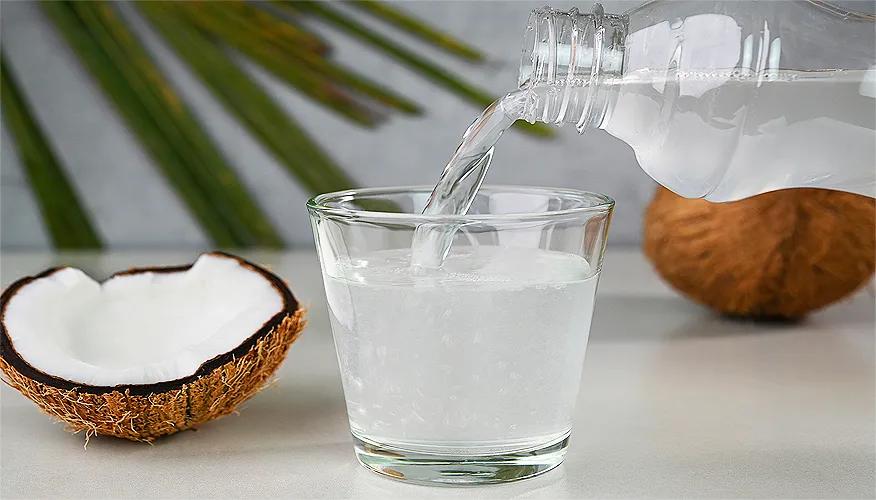
The short answer is yes; coconut water is generally safe for pregnant women when consumed in moderation. This might come as a relief if you've been craving that refreshing, naturally sweet drink.
Current scientific evidence shows no proof that coconut water harms fetal development or causes birth abnormalities. Even though it contains small amounts of phytoestrogens (plant compounds similar to estrogen), these levels are far too low to impact your pregnancy. Think of it this way: your body's natural hormone levels during pregnancy are much higher than anything coconut water could influence.
However, moderation is key. If you have specific medical conditions like low blood pressure or kidney issues, you'll want to be extra mindful due to coconut water's electrolyte and potassium content. Always check with your healthcare provider if you have concerns about adding coconut water to your pregnancy diet.
Nutritional value of coconut water
Understanding what's actually in your glass can help you make informed choices. Coconut water is nature's sports drink, low in calories, fat-free, and packed with essential electrolytes that your body needs, especially during pregnancy.
Here's the nutritional value of 240 ml (one cup) of coconut water:
- Calories (44–60 kcal): Light and refreshing, coconut water gives you a quick energy boost without adding too many calories — ideal for hot climates where hydration is key.
- Potassium (400–600 mg): High in potassium, which helps your body stay hydrated, supports healthy heart function, and prevents leg cramps — especially helpful during pregnancy or long days in the sun.
- Sodium (25–60 mg): Has a small amount of natural salt (sodium), which helps restore electrolytes after sweating — great for tropical regions or after outdoor work and travel.
- Magnesium (10–15 mg): A source of magnesium, known for easing muscle tension, supporting digestion, and helping with sleep and stress — common concerns for busy women and mothers.
- Calcium (24–30 mg): Offers a touch of calcium, important for strong bones, teeth, and healthy baby development during pregnancy or breastfeeding.
Coconut water also provides some vitamin C and trace amounts of B vitamins. While it's great for hydration and electrolyte balance, don't expect it to be a significant source of protein or calories. You'll still need those from other foods in your pregnancy diet.
Varieties of coconut water - raw vs. pasteurized vs. unpasteurized
Not all coconut water is equal, and during pregnancy, the type you choose matters for both safety and nutrition.
- Raw coconut water is what you get when you crack open a fresh, young green coconut right in front of you. It's the freshest option with all its natural enzymes intact, but it's also the most vulnerable to contamination if hygiene standards aren't up to par.
- Pasteurized coconut water has been heat-treated to kill harmful bacteria and extend shelf life. While this process might slightly reduce some nutrients, it's your safest bet during pregnancy, especially if you're buying packaged varieties from the store.
- Unpasteurized bottled coconut water falls into a gray area. If it's been sitting on shelves without proper storage or comes from questionable sources, it could harbor harmful bacteria that you definitely don't want during pregnancy.
Your best choices? Fresh coconuts opened in clean conditions or trusted pasteurized commercial brands. Skip the street vendor's coconut that's been sitting in the sun all day.
Health benefits of coconut water during pregnancy
The benefits of coconut water in pregnancy go beyond just quenching your thirst. Here's how this natural drink can support your health during these important months:
- Hydration powerhouse: With about 95% water content, coconut water helps meet your increased fluid needs during pregnancy. When you're growing a tiny human, your body needs about 10 cups of fluid daily.
- Morning sickness relief: If you're struggling with nausea and vomiting, especially in your first trimester, coconut water's gentle electrolyte balance might provide some relief. Some women find it easier to keep down than plain water when their stomach is feeling queasy.
- Electrolyte balance: The natural potassium, magnesium, and sodium help maintain healthy fluid levels in your body. This is particularly helpful if morning sickness has left you dehydrated.
- Blood pressure support: The potassium content may help regulate blood pressure, though women with naturally low blood pressure should monitor their intake carefully.
- Digestive comfort: This is another welcome benefit. Many pregnant women find that coconut water's mild properties help ease occasional constipation and bloating, common complaints particularly in later trimesters.
- Instant energy source: Coconut water contains natural sugars that provide gentle energy without the dramatic blood sugar spikes that can leave you feeling worse than before. This makes it an excellent alternative to sugary drinks when you need a quick pick-me-up.
- Urinary tract health: The benefits of drinking coconut water in pregnancy also include supporting urinary tract health through increased, healthy urination that helps flush bacteria from your system.
Many cultures have traditionally used coconut water during pregnancy, and some studies suggest it might even support better labor outcomes, though more research is needed to confirm these benefits.
Best time to drink coconut water during pregnancy
There's no magic hour for drinking coconut water during pregnancy, but timing can enhance its benefits. Many women find morning the most helpful time, especially if they're dealing with overnight dehydration or morning sickness.
Starting your day with coconut water can help replenish electrolytes lost during sleep and provide gentle hydration before your stomach gets too sensitive.
If you're experiencing morning nausea, sipping coconut water slowly might be more tolerable than gulping plain water.
That said, coconut water can be enjoyed any time you need hydration—after exercise, during hot weather, or simply when you're craving something naturally sweet and refreshing.
How much coconut water is safe in pregnancy?
When it comes to drinking coconut water daily in pregnancy, moderation is your friend. Most healthcare professionals recommend limiting intake to about one cup (240 ml) per day.
Why the limit? While coconut water is healthy, too much of anything can cause problems.
Excessive consumption could lead to:
- Elevated potassium levels, especially if you have kidney issues
- Sodium imbalance
- Digestive upset in sensitive individuals
Remember, coconut water should complement your hydration routine, not replace plain water entirely. Think of it as a nutritious treat rather than your primary fluid source.
Side effects of coconut water during pregnancy
While most women tolerate coconut water well, it's important to be aware of potential side effects of coconut water during pregnancy:
- Blood pressure changes: The high potassium content can lower blood pressure, which might be problematic if you already have low blood pressure or are taking medications that affect blood pressure.
- Electrolyte imbalance: Drinking too much could trigger hyperkalemia (high blood potassium), particularly concerning for women with kidney problems.
- Digestive issues: Some women experience mild stomach discomfort, bloating, or loose stools, especially when first introducing coconut water or drinking large amounts.
- Food safety concerns: Contaminated or improperly stored coconut water can cause foodborne illness, which is particularly risky during pregnancy.
If you notice any unusual symptoms after drinking coconut water, stop consumption and consult your healthcare provider.
Tips for choosing and drinking coconut water during pregnancy
Making smart choices about your coconut water can maximize benefits while minimizing risks:
- Choose fresh when possible: Fresh, green coconuts opened in clean conditions offer the best taste and safety. Look for vendors who maintain good hygiene practices.
- Go pasteurized for packaged options: When buying bottled coconut water, choose pasteurized brands without added sugars, preservatives, or artificial flavors.
- Storage matters: Keep opened coconut water refrigerated and consume within 24 hours. Don't leave it sitting at room temperature.
- Trust your instincts: If coconut water tastes off, looks cloudy, or has an unusual smell, don't drink it. Your pregnancy nose is often your best guide.
- Read labels carefully: Some commercial coconut waters contain added sugars or other ingredients you might want to avoid during pregnancy.
Coconut water in pregnancy: myths and facts
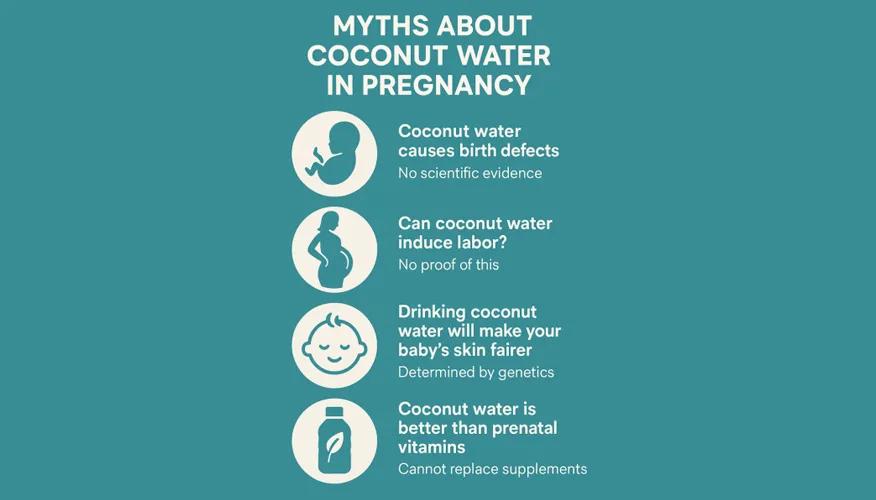
Let's clear up some common misconceptions about coconut juice in pregnancy:
Myth: Coconut water causes birth defects or affects your baby's development.
Fact: There's absolutely no scientific evidence supporting this claim. The phytoestrogens in coconut water are too minimal to impact fetal hormones.
Myth: Can coconut water induce labor?
Fact: No evidence suggests coconut water triggers contractions or starts labor. This is purely a myth with no scientific backing.
Myth: Drinking coconut water will make your baby's skin fairer.
Fact: Your baby's skin color is determined by genetics, not by what you drink. No food or beverage can influence your child's complexion.
Myth: Coconut water is better than prenatal vitamins.
Fact: While nutritious, coconut water cannot replace the comprehensive nutrition provided by a balanced diet and prenatal supplements.
Coconut water vs. coconut milk in pregnancy
Don't confuse these two very different coconut products. Understanding the difference helps you make better choices for your pregnancy nutrition.
Coconut water is the clear liquid inside young coconuts—low in calories, fat-free, and rich in electrolytes. It's your better choice for hydration and daily consumption.
In contrast, coconut milk is made by blending coconut flesh with water, creating a creamy, high-fat, high-calorie liquid. While delicious in cooking, it's much higher in saturated fat and calories.
Here's the nutritional difference:
- Calories (per cup):
- Coconut Water: Low in calories (44–60): Ideal for hydration without weight gain.
- Coconut Milk: High in calories (445–550): Better suited for cooking than drinking in large amounts.
- Fat Content:
- Coconut Water: Almost no fat: Light and refreshing, perfect for daily drinking.
- Coconut Milk: Rich in saturated fat: Creamy and heavy, best used occasionally in meals like curries or stews.
- Best For:
- Coconut Water: Excellent for natural hydration, especially in hot and humid climates.
- Coconut Milk: Great for cooking flavorful dishes, but not ideal as a regular drink.
- Pregnancy Safety:
- Coconut Water: Safe to drink in moderation – helps with hydration, digestion, and energy.
- Coconut Milk: Should be used sparingly – the high fat content can be too heavy if consumed daily.
If you have gestational diabetes or are watching your weight gain, coconut water is the better choice for regular consumption.
Conclusion
Coconut water in pregnancy can be a safe, refreshing, and nutritious addition to your daily routine when enjoyed mindfully. Its natural electrolytes, hydrating properties, and potential morning sickness relief make it a valuable option for many expectant mothers.
The key is choosing quality sources. Whether that's fresh coconuts from trusted vendors or pasteurized commercial brands, stick to moderate amounts of about one cup per day. Remember that while coconut water offers benefits, it's just one piece of your overall pregnancy nutrition puzzle.
Trust your body, listen to your healthcare provider's guidance, and enjoy this natural treat as part of a balanced approach to staying healthy during your pregnancy journey. Your body is doing incredible work right now, and every healthy choice you make is supporting both you and your growing baby.
Meet our expert

Meet our expert
She holds a Bachelor of Nutrition & Community Health with Distinction from Universiti Putra Malaysia and has been a dedicated healthcare professional since 2014. As the Customer Care Manager, she leads a team of skilled dietitians and nutritionists, committed to serving the community.



How was the experience with article?
We'd love to know!