
Bringing a new life into this world is a huge responsibility. Do you know that preparing your body for pregnancy hugely impacts your baby’s health? Making lifestyle changes before getting pregnant can significantly improve the chances of a healthy baby.
There is a lot of advice that you receive from kith and kin on the dos and don’ts of pregnancy and some of them don’t make sense too. That’s where preconception counseling comes to your rescue. The healthcare provider can suggest a variety of ways you can reduce risks for you and your baby.
In this blog, we discuss how to prepare your body for pregnancy so that you can be assured and prepare your body and mind when trying to conceive. No more FOMOs!
When to start planning for pregnancy?
When to start planning for your pregnancy is an important decision in this fast-paced world. Both partners should be physically and mentally ready for the full-time job because raising a little human is no easy thing.
When you ‘feel you are ready’ to start or grow your family that is the best time. You should start preparing your body and mind for pregnancy, a year or six months before. And for those in a hurry, even three months or 90 days of preparation does a lot of good.
Take care of individual health and address the concerns before planning a smooth pregnancy and an uncomplicated delivery.
Preconception Counseling

Preconception counseling is a critical step in planning for a healthy pregnancy. Set up a preconception counseling appointment with your healthcare provider to review your health and evaluate any new risks that need to be addressed. It also enlightens you on preparing physically and mentally for pregnancy and preventive health measures.
If you are actively planning, you need preconception counseling about three months before you start trying to conceive.
Below are some of the important aspects of preconception counseling:
- Any chronic health conditions or genetic conditions that could affect your pregnancy, such as epilepsy, diabetes, high blood pressure, blood clotting disorders, anemia, allergies, thyroid disorders, and asthma should be evaluated and controlled before conceiving.
- Sharing maternal and paternal medical history is also vital here. Certain hereditary cancers, like breast cancer, ovarian cancer, cervical cancer, and uterine cancer, can impact fertility.
- You should also inform your provider about your current medications, previous surgeries past pregnancies, and pregnancy complications such as a miscarriage.
- Several genetic disorders may be passed from parents to their children, like sickle cell anemia, Tay-Sachs disease, and cystic fibrosis. Genetic disorders can be identified by blood tests before pregnancy.
- They also check your vaccine status like rubella (German measles) and varicella (chickenpox). Getting the diseases during pregnancy can cause miscarriage or birth defects.
- Also, report any potential exposures to the Zika or COVID-19 viruses to your provider to assess your health risks.
- The American College of Obstetricians and Gynecologists recommends that all people who are planning a pregnancy be screened for IPV(Intimate partner violence) screening for evaluating physical, sexual, or emotional abuse caused by a current or former spouse or partner.
- During preconception counseling, doctors track and understand your menstrual cycle and ovulation patterns, discuss discontinuing contraception and timing for conception, and also screen and treat any STIs.
- The right state of mind is critical during this phase. Doctors also provide strategies for managing stress and anxiety and address mental health issues with appropriate support and treatment.
- They also review occupational hazards and suggest modifications if necessary to minimize exposure to harmful chemicals and environmental toxins.
Share this info with the doctor to make more informed decisions about screenings, diagnostic tests, and other procedures to help minimize complications in getting or being pregnant.

Pre-pregnancy checkup
Pre-pregnancy check-ups are a part of preconception counseling, where your healthcare provider may recommend tests to check your health.
Blood Tests
- Check for blood type and Rh factor, complete blood count (CBC), and screen for HIV, hepatitis B and C, syphilis, and rubella immunity. This also makes sure you don’t have any sexually transmitted infections.
Pelvic exam
- Examination of reproductive organs to check the health of your pelvic organs vagina, cervix, uterus, and ovaries.
Pap smear
- They also check for cancer by taking a sample of cells from your cervix.
- Early detection is a must in cancer treatments for cure.
Physical exam
- A comprehensive physical exam to assess your overall health will be done.
- They would check your vitals -weight, blood pressure, pulse, body temperature, and breathing rate.
How to prepare your body for pregnancy
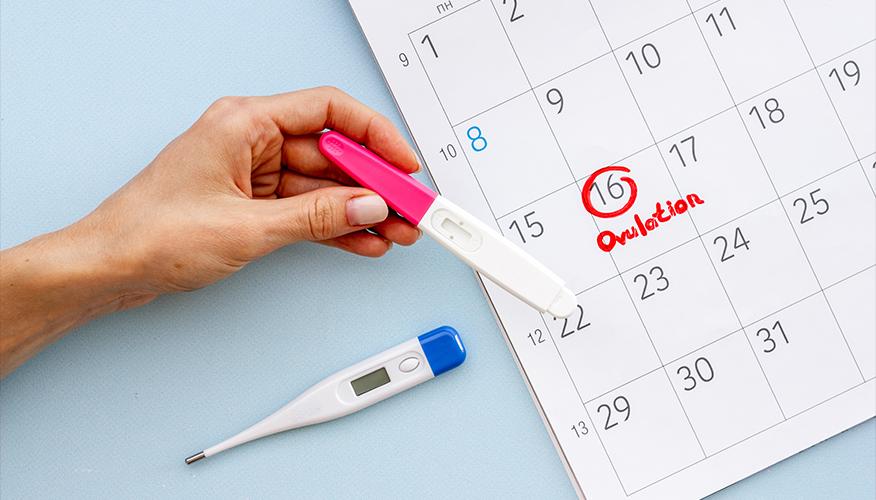
You can improve your chances of getting pregnant and having a healthy pregnancy if you prepare your mind and body for it. Preconception counseling does just that.
Here are some of the important ways that would ensure the safety and health of both baby and mom:
- Schedule a preconception visit that covers a medical history review, vaccinations, screenings, and tests to become aware of your body and possible risks.
- Understanding your family’s medical history helps identify risks for inherited disorders and fertility issues. Gather detailed medical histories from relatives and discuss them with your healthcare provider.
- Track menstrual, ovulation, and luteal phases to identify your fertile window. Use phone apps or ovulation predictor strips for accuracy.
- A busy life would compromise healthy eating. When preparing for pregnancy, adopt a balanced diet rich in fruits, vegetables, whole grains, lean proteins, and healthy fats. Include foods high in calcium, iron, and omega-3 fatty acids that are good for your overall health and essential for nourishing a fetus.

- Getting 400 micrograms of folic acid daily at least 1 month before and during pregnancy can help prevent major birth defects of the developing baby's brain and spine (neural tube defects).
- Drink plenty of water to stay hydrated.
- Avoid highly processed, fatty foods and those high in added sugars. Limit your caffeine intake to no more than one to two cups of coffee per day.

- Avoid alcohol and tobacco completely. It may affect your fertility when trying to conceive and can lead to serious problems for the baby, including premature birth and developmental disorders.
- Studies have shown that babies born to mothers who smoke tend to be born prematurely, be lower in birth weight, and are more likely to die of sudden infant death syndrome (SIDS).
- Get regular exercise and manage your body weight. Being overweight may cause medical problems, such as high blood pressure and diabetes. Underweight women may have babies with low birth weight.

- Stress management with relaxation techniques such as deep breathing, meditation, and mindfulness or counseling or therapy, if you have anxiety, depression, etc., would ensure mental peace.
- Healthcare professionals can also help with counseling and other support services if you are in a stressful or abusive environment.
- Eliminate exposure to toxic and chemical substances such as lead, pesticides, solvents, and heavy metals and radiation (such as X-rays) may negatively affect the developing fetus. Choose natural or organic products wherever possible.
- Reduce the risk of infection by eating thoroughly cooked meat and eggs and avoid all contact and exposure to animal feces and cat litter, which may contain harmful parasites or viruses.
- Always practice hand hygiene and avoid contact with sick people.
Once you conceive, start prenatal care immediately to monitor and support your health and the baby's development. Have regular checkups with your gynecologist to address any reproductive health issues.
FERROVIT
Conclusion
With a busy career life, you may need help to plan for a baby. That’s why preconception counseling is the best choice as you can create a healthy foundation for pregnancy, increasing the likelihood of a healthy pregnancy and baby.
The healthcare professionals provide personalized advice and guidance tailored to your specific needs. With expert care, you can brush off the worries and the ‘ifs and buts’ during pregnancy.
Also, consider reading books, attending classes, or joining support groups for more information and support. Sharing and listening to other parents-to-be can be heartwarming as well as insightful.
So, start your journey to a well-deserved promotion as mama and dada, by making necessary lifestyle changes and addressing any health concerns. We wish you a happy, healthy journey ahead.
Meet our expert
.webp&w=1920&q=75)
Meet our expert
Dr. Kulyk Alexander Petrovich is a Ukraine-based gynecologist, with extensive experience in women's health. In 1995, he graduated from the Kyiv Medical University, and specialized in gynecology. He then went on to work as a gynecologist in the Institute of Pediatric, Obstetrics and Gynecology in Kyiv, where he worked until the year 2000.



How was the experience with article?
We'd love to know!