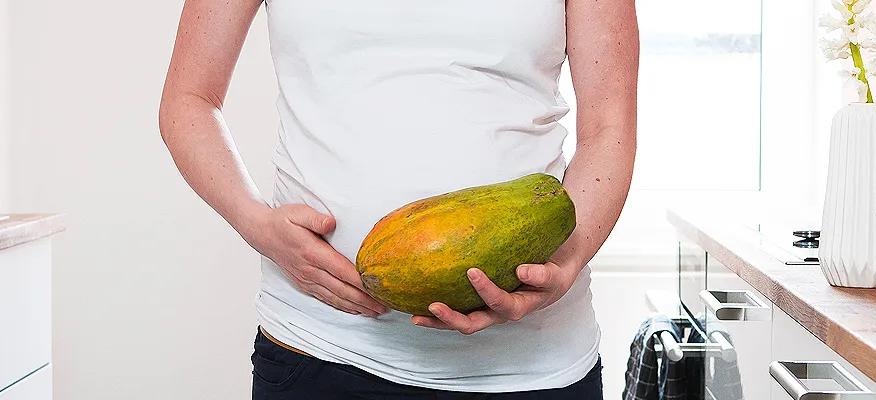
You're standing in the fruit section, craving something sweet and refreshing, when your eyes land on those beautiful golden papayas. But then that nagging worry kicks in: didn't someone mention that papaya in pregnancy is risky? You're not imagining things.
This tropical fruit has sparked countless debates among expecting mothers, with some swearing by its benefits while others avoid it altogether. The truth is, the safety of papaya during pregnancy isn't black and white – it depends entirely on which type you choose.
Is papaya safe during pregnancy?
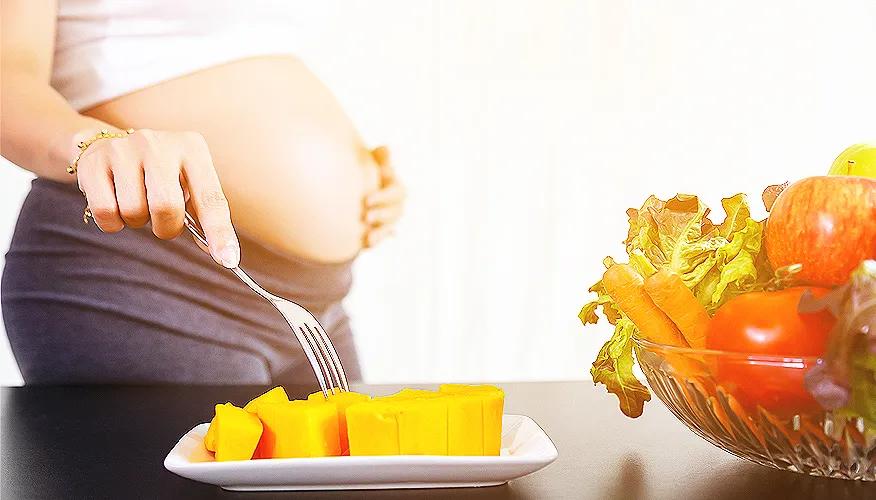
The safety of papaya when pregnant comes down to one crucial factor: ripeness. This isn't just about taste preference, it's about the fundamental chemical composition of the fruit at different stages of maturity.
Ripe papaya, with its vibrant orange flesh and sweet aroma, is generally considered safe for pregnant women when consumed in moderate amounts. It's packed with essential nutrients that can benefit both you and your growing baby.
However, unripe or semi-ripe papaya tells an entirely different story. These green or partially yellow fruits contain high levels of latex – a milky substance that can trigger serious complications during pregnancy. The latex is rich in enzymes like papain, which can stimulate uterine contractions and potentially lead to miscarriage or premature labor.
Think of it this way: the same fruit can be either a nutritious snack or a potential risk, depending on when it's harvested and consumed. This is why understanding the difference between ripe and unripe papaya is so important for expectant mothers.
Why is unripe papaya harmful during pregnancy?
Unripe papaya contains a concentrated amount of milky latex that's loaded with papain and other powerful enzymes. When you cut into an unripe papaya, you'll notice this white, sticky substance oozing out – that's your warning sign.
Here's what makes unripe papaya particularly concerning during pregnancy:
- Hormonal mimicry: The latex can mimic prostaglandins and oxytocin, hormones that naturally trigger labor when your body is ready
- Uterine contractions: These enzyme compounds can cause abnormal uterine contractions, even in early pregnancy
- Membrane weakness: Papain can weaken the fetal membranes, making them more prone to rupture
- Allergic reactions: Some women may experience allergic reactions to papaya latex, especially those with latex sensitivities
The risk is particularly high during the first trimester when the pregnancy is most vulnerable. Even small amounts of unripe papaya have been associated with complications, which is why most healthcare providers recommend avoiding it entirely.
If you've accidentally consumed unripe papaya during pregnancy, don't panic. Monitor yourself for any unusual symptoms like cramping or spotting, and contact your healthcare provider for guidance.
Is ripe papaya safe for pregnant women?
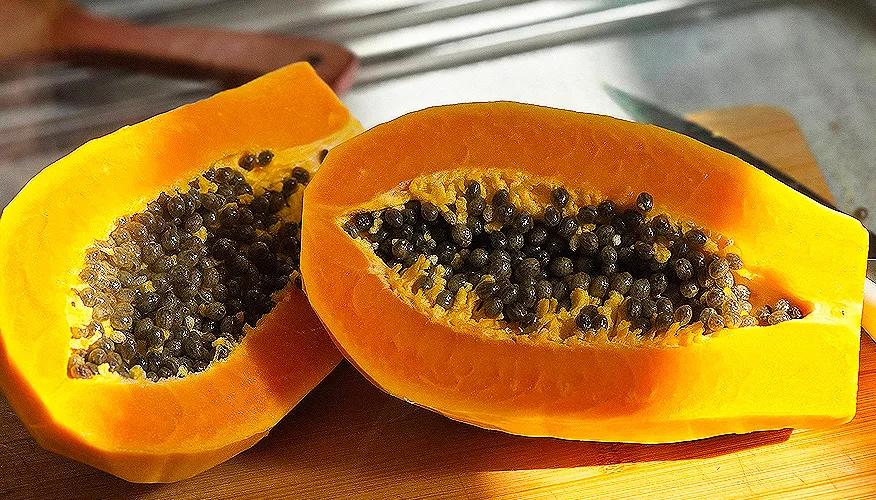
The good news is that ripe papaya is a completely different story. When papaya reaches full maturity, the latex content drops dramatically, making it much safer for consumption during pregnancy.
Ripe papaya has several characteristics that distinguish it from its unripe counterpart:
- Minimal latex content: The white, milky substance is nearly absent in fully ripe fruit
- Reduced papain levels: The enzyme concentration drops significantly as the fruit ripens
- Enhanced nutritional profile: Vitamins and minerals become more bioavailable
Research using animal models has shown that ripe papaya doesn't induce uterine contractions or cause toxicity when consumed in typical dietary amounts. However, individual responses can vary, so moderation is still key.
Is ripe papaya good for pregnant women? When consumed appropriately, yes. The key is ensuring the fruit is completely ripe and eating it as part of a balanced diet rather than in excessive quantities.
Health benefits of ripe papaya in pregnancy
Ripe papaya offers an impressive array of nutrients that can support both maternal health and fetal development. Here are the key papaya benefits in pregnancy:
1. Essential vitamins and minerals:
- Rich in folate: Crucial for preventing neural tube defects and supporting healthy fetal brain development.
- High in vitamin C: Boosts immune function and enhances iron absorption from other foods.
- Good source of fiber: Helps combat pregnancy constipation and maintains digestive health.
- Contains antioxidants: Protects cells from oxidative stress and supports overall health.
2. Additional health benefits:
- Hydrating properties: High water content helps maintain proper hydration levels.
- Supports skin health:Vitamin A and antioxidants promote healthy skin during pregnancy.
- Promotes eye health: Beta-carotene supports both maternal and fetal eye development.
- Natural energy boost: Natural sugars provide sustained energy without blood sugar spikes.
- Helps reduce heartburn: The enzyme content can aid digestion and reduce acid reflux.
- Supports iron absorption:Vitamin C enhances the body's ability to absorb iron from plant-based sources.
3. Pregnancy-specific benefits:
Helps maintain a healthy weight: Low in calories but high in nutrients and fiber.
- Improves bowel regularity: Fiber content prevents constipation, a common pregnancy complaint.
- Promotes healthy fetal development: Folate and other nutrients support proper growth.
- Reduces inflammation: Antioxidants help manage pregnancy-related inflammation.
- Supports heart health: Potassium helps maintain healthy blood pressure levels.
- Helps manage gestational diabetes: May help stabilize blood sugar when consumed as part of a balanced diet (if advised by your healthcare provider).
- Boosts collagen production:Vitamin C supports skin elasticity and wound healing.
How to identify ripe papaya
Knowing how to identify a perfectly ripe papaya is essential for safe consumption during pregnancy.
Here's your guide to selecting the right fruit:
Visual signs:
- Skin color: Deep yellow to orange skin with minimal green patches.
- Surface appearance: Smooth skin with slight give when gently pressed.
- Shape: Plump and well-formed without dark spots or bruises.
Touch and texture:
- Firmness: Yields slightly to gentle pressure but isn't mushy.
- Stem end: Should feel soft and have a sweet aroma.
- Overall feel: Heavy for its size, indicating good water content.
Aroma test:
- Sweet fragrance: A ripe papaya emits a pleasant, sweet, fruity smell.
- No off-odors: Avoid fruits with fermented or sour smells.
Internal characteristics:
- Flesh color: Deep orange to reddish flesh when cut open.
- Texture: Soft, juicy flesh that's easy to scoop or slice.
- Seeds: Black seeds that separate easily from the flesh.
Avoid papayas that are predominantly green, feel rock-hard, or lack any aroma – these are clear signs of an unripe fruit that should be avoided during pregnancy.
Who should avoid papaya in pregnancy?
While ripe papaya can be safe for many pregnant women, certain individuals should exercise extra caution or avoid papaya entirely:
High-risk pregnancy conditions:
- Women with a history of miscarriage or recurrent pregnancy loss.
- Those who have experienced preterm labor in previous pregnancies.
- Anyone diagnosed with a high-risk pregnancy by their healthcare provider.
- Women with placental complications or cervical insufficiency.
Allergy considerations:
- Individuals with latex allergies (cross-reactivity can occur).
- Those with known papaya or tropical fruit allergies.
- Women who have experienced allergic reactions to papaya in the past.
Medical conditions:
- Those with digestive disorders that papaya enzymes may aggravate.
- Women taking blood-thinning medications (papaya may enhance their effects).
- Individuals with kidney stones (due to the high oxalate content).
When to seek medical advice:
If you experience any unusual symptoms after consuming papaya – such as abdominal cramping, spotting, or allergic reactions – contact your healthcare provider immediately. It's always better to err on the side of caution during pregnancy.
Alternatives to papaya during pregnancy
If you're craving tropical flavors but want to play it safe, there are plenty of delicious and nutritious alternatives to papaya during pregnancy:
Tropical fruit options:
- Mangoes: Rich in vitamins A and C, plus folate
- Pineapple: Contains vitamin C and manganese (in moderation)
- Bananas: Excellent source of potassium and vitamin B6
- Oranges: High in vitamin C, folate, and fiber
Other safe fruit choices:
- Apples: Fiber-rich and widely available
- Berries: Packed with antioxidants and vitamins
- Grapes: Good source of hydration and natural sugars
- Watermelon: Hydrating and rich in vitamins A and C
These alternatives provide similar nutritional benefits without the concerns associated with papaya latex content. They're also readily available in most regions and generally well-tolerated during pregnancy.
Related: The Best Fruits for Expecting Mothers
Tips for eating papaya safely during pregnancy
If you choose to include ripe papaya in your pregnancy diet, follow these safety guidelines:
Selection and preparation:
- Only purchase fully ripe papayas with yellow-orange skin.
- Wash the exterior thoroughly before cutting to remove surface bacteria.
- Use clean utensils and cutting boards to prevent contamination.
- Remove all seeds before consuming.
Consumption guidelines:
- Start with small portions to test your body's response.
- Eat papaya as part of a balanced meal rather than on an empty stomach.
- Limit intake to moderate portions (about 1 cup of cubed fruit).
- Avoid daily consumption – variety is key in pregnancy nutrition.
Storage and handling:
- Store ripe papaya in the refrigerator and consume within 2-3 days.
- Don't eat papaya that's been left at room temperature for extended periods.
- Avoid pre-cut papaya from unknown sources.
When to avoid:
- Skip papaya if you're feeling unwell or have digestive issues.
- Avoid during the first trimester if you're particularly concerned about risks.
- Stop consumption if you experience any unusual symptoms.
Common myths about papaya in pregnancy
Let's address some widespread misconceptions about papaya during pregnancy:
Myth 1: All papaya is dangerous during pregnancy.
Reality: Only unripe or semi-ripe papaya poses significant risks. Fully ripe papaya, consumed in moderation, is generally considered safe for most pregnant women.
Myth 2: Eating papaya causes instant miscarriage"
Reality: While unripe papaya can increase risks, effects depend on factors like quantity consumed, individual health status, and stage of pregnancy. Ripe papaya doesn't carry the same risks.
Myth 3: "Papaya seeds boost fertility."
Reality: There's limited scientific evidence supporting claims about papaya seeds and female fertility. During pregnancy, it's best to avoid papaya seeds altogether.
Myth 4: "One bite of unripe papaya will harm the baby."
Reality: While unripe papaya should be avoided, a single small exposure doesn't guarantee complications. However, it's still best to avoid it entirely as a precautionary measure.
Myth 5: "Papaya can induce labor naturally and safely."
Reality: Using papaya to induce labor is not medically recommended and can be dangerous. Labor induction should only be done under medical supervision.
Conclusion
The question of papaya in pregnancy doesn't have a simple yes or no answer; it's all about making informed choices based on the fruit's ripeness and your circumstances. Ripe papaya can be a nutritious addition to your pregnancy diet, offering essential vitamins, minerals, and fiber that support both you and your baby's health. However, unripe papaya should be strictly avoided due to its latex content and potential to cause uterine contractions.
Remember, every pregnancy is unique. What works for one woman might not be suitable for another. The key is to listen to your body, consult with your healthcare provider about your dietary choices, and always prioritize safety over cravings. When in doubt, there are plenty of other delicious and safe fruit options that can satisfy your nutritional needs during this special time.
Meet our expert
.webp&w=1920&q=75)
Meet our expert
She holds a Bachelor of Science (Hons) in Dietetics with Nutrition from International Medical University (IMU) and became a registered dietitian in 2025. She is dedicated to providing evidence based and individualized Medical Nutrition Therapy (MNT) to help individuals make informed health decisions.


How was the experience with article?
We'd love to know!