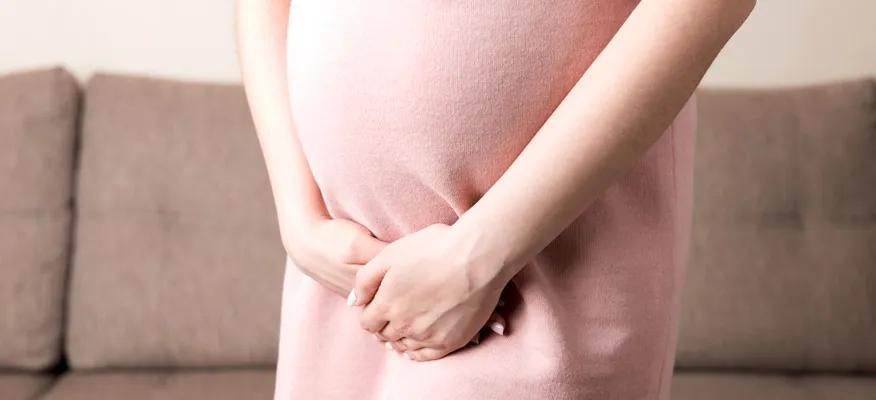
Pregnancy is a miraculous journey filled with joy, anticipation, and a myriad of physical changes. One common and often surprising aspect that many expectant mothers encounter is the increased frequency of urination.
Well, frequent urination during pregnancy is a common and expected symptom during pregnancy, mainly due to the expanding uterus putting pressure on the bladder.
As your body undergoes numerous transformations to nurture a new life, it’s essential to comprehend why frequent urination occurs during pregnancy and how to navigate this normal yet sometimes inconvenient occurrence.
This can start early in the pregnancy and last until delivery, affecting the daily life and comfort of expectant mothers. Addressing this issue is vital for the overall well-being of both the mother and the baby.

The physiological changes
What causes frequent urination during pregnancy? The hormonal shifts in pregnancy, particularly the increase in hCG, along with the growing uterus exerting pressure on the bladder, contribute significantly to the increased urinary frequency experienced by pregnant women.
1. Impact on urinary frequency
Increased Blood Flow: Pregnancy leads to an increase in blood volume and blood flow, including to the kidneys, which results in the kidneys filtering extra fluid into the bladder.
hCG’s Role: hCG may contribute to this increased blood flow to the kidneys, thus indirectly impacting urinary frequency.
Progesterone: The increased progesterone, maintained by hCG, relaxes smooth muscles, including those of the urinary tract. This can cause urine to accumulate in the bladder, contributing to an increased need to urinate.
2. Role of the growing uterus
Size Increase: As the uterus grows with the developing fetus, it occupies more space within the pelvic cavity.
Direct Pressure: The expanding uterus exerts direct pressure on the bladder, reducing its capacity to hold urine and leading to increased urinary frequency.
Hormonal Influence: Hormones that relax the pelvic floor muscles, along with the increased weight and pressure from the uterus, can contribute to this feeling of urgency.
3. Long-term effects
Second Trimester: There might be temporary relief during the second trimester as the uterus rises into the abdominal cavity, but frequent urination increases during pregnancy’s third trimester.
Preparation for Birth: The pressure and hormonal changes also help prepare the pelvic floor muscles for childbirth.
Progression throughout pregnancy
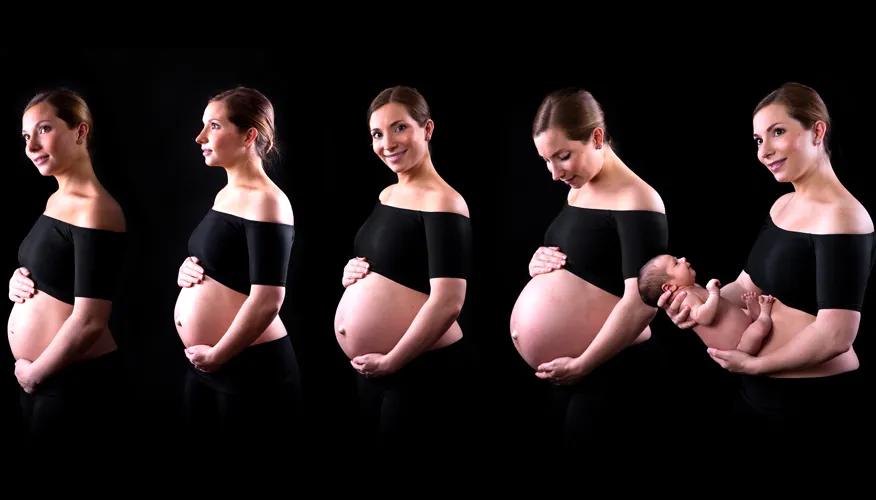
One of the noticeable changes is the frequent urination during pregnancy. Here’s how:
1. First Trimester
Urination Frequency: Increase
Hormonal Influence: The body produces more human chorionic gonadotropin (hCG), which increases blood flow to the pelvic region and can stimulate the urge to urinate.
Uterine Growth: The uterus begins to enlarge but is still within the pelvis, creating pressure on the bladder leading to frequent urination at night during pregnancy.
2. Second Trimester
Urination Frequency: May Decrease
Hormonal Influence: Levels of hCG tend to stabilize or decrease, potentially easing the urge to urinate frequently.
Uterine Growth: The uterus grows but lifts out of the pelvis, reducing direct pressure on the bladder. This can result in a temporary relief from frequent urination.
3. Third Trimester
Urination Frequency: Increase
Hormonal Influence: The body produces more progesterone due to the frequent urination during pregnancy in the third trimester, which can cause the muscles in the urinary tract to relax, making it harder to hold urine.
Uterine Growth: The uterus has grown significantly, putting substantial pressure on the bladder, leading to an increased need to urinate.
Factors contributing to frequent urination
Frequent urination can be a common experience, and it may be influenced by a variety of factors.
Hormonal changes: Shifts in hormones, particularly during pregnancy, increase blood flow to the pelvic area, affecting bladder function and leading to more frequent urination.
Uterine expansion: As the uterus grows, it can press on the bladder, reducing its capacity and causing a need to urinate more often.
Increased blood volume: Pregnancy also causes an increase in blood volume, resulting in more fluid being processed by the kidneys and a subsequent increase in urine production.
Nighttime urination (Nocturia)
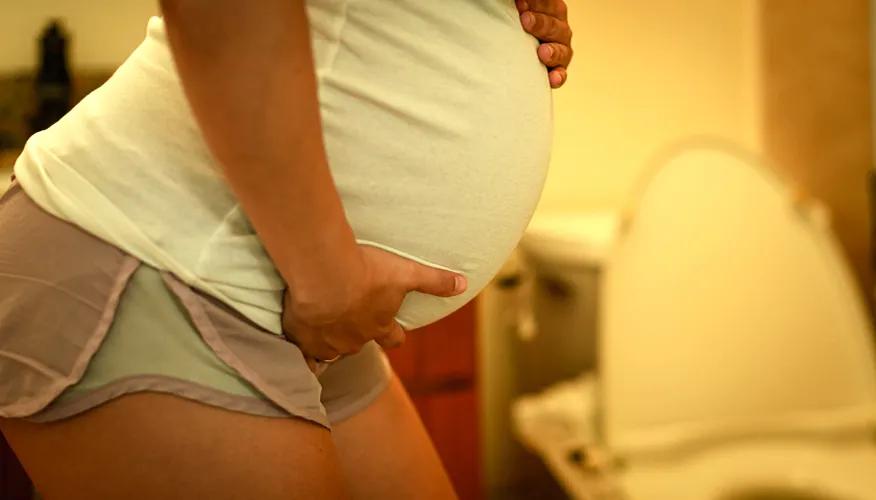
During pregnancy, the body’s blood volume increases significantly to support the growing fetus. This results in the kidneys processing extra fluid, leading to an increase in urine production.
As the fetus grows, it puts pressure on the bladder, reducing its capacity to hold urine and leading to the need for more frequent urination.
Practical tips for managing nighttime urination
1. Limit fluid intake before bed
Try to reduce your intake of fluids in the evening, particularly right before bed. This can help to reduce the need to urinate during the night.
2. Focus on hydration during pregnancy during the day
Make sure to stay well-hydrated during the day so that you can afford to drink less in the evening.
3. Use the bathroom right before bed
Ensure that you empty your bladder completely right before you go to bed to minimize disruptions during the night.
4. Keep a nightlight in the bathroom
If you do need to get up during the night, use a nightlight in the bathroom rather than turning on bright lights, as this can help you get back to sleep more quickly.
5. Elevate your legs
Some women find that elevating their legs in the evening can help to reduce the amount of fluid that accumulates in the lower extremities, potentially reducing the need to urinate during the night.
Distinguishing between normal and concerning frequency
Frequent urination can be a part of daily variations, especially if someone has consumed large amounts of fluid or caffeine.
Some reasons for concerning frequent urination include:
Urinary Tract Infection (UTI): A UTI is an infection in any part of the urinary system, which includes the kidneys, bladder, ureters, and urethra. One of the primary symptoms of a UTI is the urge to urinate frequently, even if very little urine is produced.
Diabetes: Frequent urination can be a symptom of both type 1 and type 2 diabetes, as the body tries to rid itself of unused glucose through the urine.
Bladder or Prostate Issues: Conditions like an enlarged prostate in men, bladder stones, or bladder tumors can cause frequent urination.
Pregnancy: Many pregnant women notice an increase in the frequency of urination, especially during the first and third trimesters.
Medications: Some medications, particularly diuretics used to treat high blood pressure, can increase urination.
Interstitial Cystitis: This chronic bladder condition causes pain and frequent urination, often without an infection's presence.
Symptoms when you should visit a healthcare provider:
If you notice any of the following symptoms in combination with frequent urination, it's essential to see a healthcare provider:
- Pain or Burning Sensation: Any discomfort or pain during urination can be a sign of a UTI or another urinary system issue.
- Blood in the Urine: Hematuria, or blood in the urine, can be a sign of infections, stones, or more severe conditions like bladder or kidney cancer.
- Cloudy or Dark Urine: Dark or yellow urine during pregnancy can suggest dehydration, but it can also be a sign of a UTI.
- Strong Odor: A strong, foul odor might be indicative of an infection or another underlying condition.
- Sudden Urges: A sudden, uncontrollable urge to urinate may indicate a condition like overactive bladder.
Coping strategies for expectant mothers
Expectant mothers often face a range of challenges, here’s how they can cope:
1. Managing frequent urination
1. Pelvic floor exercises
Kegels: These exercises strengthen the pelvic floor muscles, which support the uterus, bladder, and bowel.
Pelvic Tilts: This exercise not only strengthens the pelvic floor but also eases back pain.
2. Scheduled bathroom breaks
Even if you don’t feel the need to go, try to use the restroom every two hours to empty your bladder and reduce the frequency of urgent trips.
3. Fluid Management
Stay hydrated, but try to reduce fluid intake in the late afternoon and evening to minimize trips to the bathroom during the night.
2. Lifestyle adjustments to alleviate discomfort
1. Proper support
Wear supportive shoes and maternity belts to help distribute the weight of your growing belly and reduce strain on your back.
2. Gentle exercise
Engage in low-impact activities such as swimming, walking, or prenatal yoga to stay active and ease discomfort.
3. Rest and relaxation
Take short breaks throughout the day to rest and elevate your feet, reducing swelling and discomfort.
4. Ergonomics at work
If you’re working during pregnancy, ensure your workspace is set up to support proper posture and minimize strain.
5. Sleeping positions
Sleep on your side with a pillow between your legs to alleviate back pain and provide extra support.
6. Heat and cold therapy
Apply a warm compress or cold pack to sore areas, but avoid placing heat directly on your belly.
7. Mindfulness and breathing exercises
Practices such as meditation and deep-breathing exercises can help manage stress and reduce feelings of discomfort.
When to seek medical attention
Knowing when to seek medical attention is crucial, especially in situations that may directly impact your health or the health of a loved one. Ignoring significant symptoms can sometimes lead to detrimental outcomes.
1. Red flags and signs that warrant medical evaluation
- Unusual Pain or Discomfort: Any sudden or severe pain, or unexplained discomfort that persists, should be addressed immediately.
- Difficulty Breathing: Struggling to breathe or experiencing shortness of breath is a definite red flag.
- Unexplained Bleeding: Any bleeding that is not related to a menstrual cycle or a known injury should be taken seriously.
- Severe or Persistent Vomiting or Diarrhea: This can quickly lead to dehydration and other complications.
- Chest Pain or Discomfort: This can be a sign of a heart attack or other serious heart issues.
2. The importance of regular prenatal check-ups and open communication with healthcare providers
Regular prenatal check-ups are vital for the following reasons:
Monitoring Fetal Health: To ensure the baby is growing and developing properly.
Detecting Complications Early: Conditions like gestational diabetes or preeclampsia can be diagnosed and managed if detected in time.
Guidance and Counseling: Healthcare providers offer invaluable advice on diet, exercise, and how to manage common pregnancy symptoms.
Preparation for Delivery: Regular check-ups help in preparing for a smooth delivery and addressing any potential risks.
Conclusion
Frequent urination is a common yet manageable part of pregnancy, resulting from hormonal changes and increased bladder pressure.
Expectant mothers should stay hydrated, practice pelvic floor exercises, and seek medical advice if they notice any unusual symptoms to ensure their comfort and well-being. Prioritizing self-care and professional guidance is crucial for a healthy pregnancy journey.
Meet our expert

Meet our expert
Dr. Pulyk Nataliya Omelanivna is an Internal Medical Expert who is based out of Ukraine. With a special interest in internal medicine Dr Pulyk graduated from the Ternopil National Medical Academy in Ukraine, in the year 2001. Between the years 2002-2009, Dr Pulyk worked as an emergency physician. Her years of work as an emergency physician gave her immense exposure to a range of patients and an opportunity to learn on the job, and gather extensive experience.



How was the experience with article?
We'd love to know!