Pregnancy is an exciting and special time in your life, filled with new experiences, joys, and plenty of questions.
As your body undergoes remarkable changes to nurture new life, you might find yourself wondering about the best ways to support your health and that of your growing baby. Among the many nutrients that play a crucial role in this journey, vitamin C often stands out due to its well-known benefits.
But you might ask, “Is it safe to take vitamin C? How much do I need? Can it really make a difference for my baby and me?” because during pregnancy, your nutritional needs change. Too much of anything, even a good thing, can sometimes lead to complications.
In this article, we’ll explore the benefits of vitamin C during pregnancy, discuss safe intake levels, and offer tips on incorporating this vital nutrient into your diet.
Too Busy to Read? Watch This Video Instead
Why is vitamin C so important during pregnancy?
Vitamin C is crucial during pregnancy for several reasons, each contributing significantly to the health of both the expectant mother and the developing baby.

Here’s the benefits of vitamin C in pregnancy:
1. Enhanced immune defense
- During pregnancy, a woman’s immune system undergoes adaptations to protect the developing fetus, sometimes compromising her own defense against pathogens.
- Vitamin C during pregnancy is crucial in this context as it helps strengthen the immune system.
- It aids in the production and function of white blood cells, which are crucial for combating infections.
2. Improved iron absorption
- Adequate iron intake is critical during pregnancy due to increased blood volume and the need to support the oxygen needs of both mother and baby.
- Vitamin C significantly enhances the absorption of iron from plant-based foods (non-heme iron), which is not as easily absorbed as the heme iron found in animal products.
- This can be particularly beneficial for vegetarians or those with dietary restrictions that limit iron intake, helping prevent iron deficiency anemia, a common issue during pregnancy that can lead to premature birth and low birth weight.
3. Collagen synthesis for tissue health and growth
- Vitamin C during pregnancy is a vital cofactor in the synthesis of collagen, a structural protein part of the connective tissue in the body.
- During pregnancy, the body requires more collagen as it is essential not only for the mother’s expanding tissues, including the skin and uterus, but also for the baby’s development, forming part of the skin, cartilage, and bones.
4. Fetal development support
- Vitamin C during pregnancy is essential for fetal growth.
- It aids in the development of a healthy heart, promotes the maturation of lungs, and supports the formation of the baby’s eyes.
- The antioxidant properties of vitamin C also help protect the fetal brain from potential damage by free radicals.
5. Mitigation of pregnancy complications
- Adequate intake of vitamin C during pregnancy has been associated with a lower risk of certain complications such as preeclampsia.
- Preeclampsia is characterized by high blood pressure and often results in significant risks to both mother and baby, including the potential for liver or kidney failure in the mother, and growth restrictions in the fetus.
- Vitamin C, with its ability to enhance vascular health and reduce oxidative stress, might help mitigate these risks.
How much vitamin C do pregnant women need?
Recommended vitamin C intake during pregnancy:
Women should aim for a minimum of 85 milligrams of vitamin C each day. This amount helps meet the increased nutritional demands of pregnancy and support fetal development.
1. Dietary sources:
- Citrus fruits: Vitamin c foods for pregnancy include oranges, grapefruits, and lemons are excellent sources.
- Berries: Particularly strawberries and kiwi, which are high in vitamin C.
- Vegetables: Include bell peppers, spinach, kale, and broccoli in your diet.
2. Consideration for supplements:
- Assessment of dietary intake: Supplements should be considered if dietary intake is insufficient.
- Consultation with healthcare providers: Essential to determine necessity and appropriate dosage.
- Types of supplements: Discuss the form of vitamin C that might be best absorbed and utilized by your body.
3. Upper limit caution:
- Maximum safe limit: Do not exceed 2,000 milligrams of vitamin C per day. Vitamin C 1000 mg is safe for pregnancy.
- Potential side effects: Be aware of risks such as gastrointestinal discomfort and kidney stones.
- Monitoring intake: Keep track of all sources of vitamin C, including supplements and enriched foods, to avoid exceeding the safe upper limit.
Best vitamin C-rich foods for pregnant women
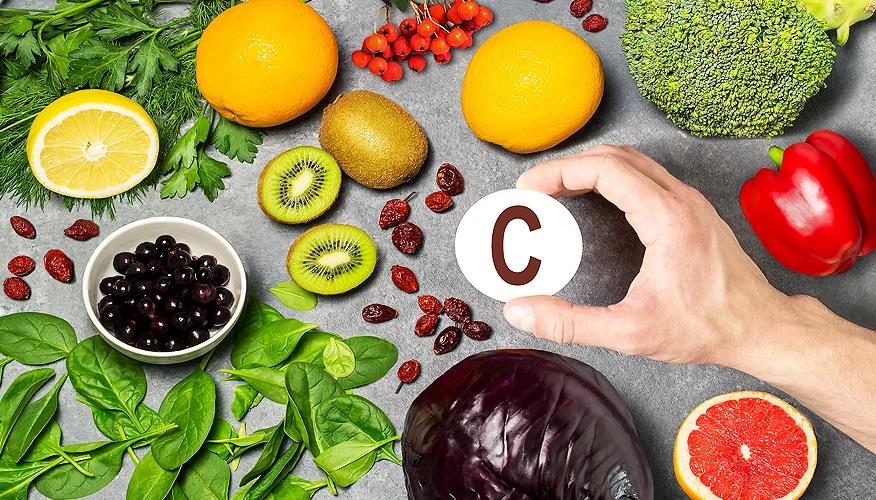
Here’s a list of some of the best high dose vitamin c pregnancy-rich foods that are suitable and beneficial during pregnancy:
1. Citrus fruits
- Oranges: A staple for vitamin c during early pregnancy, one medium orange can provide about 70 mg of vitamin C. Oranges are also hydrating and provide additional nutrients such as fiber and potassium.
- Grapefruits: Known for their refreshing tartness, half a grapefruit contains about 38 mg of vitamin C. They also offer a good amount of fiber, which can help with pregnancy-related constipation.
- Lemons and limes: These are excellent vitamin c for pregnant women adding a flavor boost to water or meals, increasing your vitamin C intake without adding many calories. They can also aid in digestion and relieve nausea, which is common in pregnancy.
2. Berries:
- Strawberries: Rich in vitamin C, with one serving (about eight strawberries) providing approximately 85 mg. They're also a great source of antioxidants and folic acid, important for fetal development.
- Raspberries: One cup offers about 30 mg of vitamin C and is also high in dietary fiber, which helps maintain bowel health.
- Blueberries: One cup contains about 14 mg of vitamin C and is loaded with antioxidants, which protect the body from free radicals.
3. Tropical fruits:
- Kiwi: Often overlooked, one medium kiwi packs about 71 mg of vitamin C and is also rich in fiber and potassium.
- Pineapple: This fruit provides vitamin C and bromelain, which has been shown to help with digestion and reduce inflammation.
4. Vegetables:
- Bell peppers: Especially red bell peppers are incredibly high in vitamin C, with one cup of chopped red bell pepper containing nearly 190 mg. They are also low in calories and rich in other antioxidants.
- Broccoli: One cup of cooked broccoli offers about 51 mg of vitamin C. It’s also a great source of vitamins A and K, as well as folate.
- Brussels sprouts: Cooking one cup yields about 97 mg of vitamin C. These are also packed with fiber, vitamins K and A, and numerous antioxidants.
5. Leafy greens:
- Kale: One cup of chopped kale provides about 80 mg of vitamin C. Kale is also a powerful source of vitamins A, K, and C, along with healthy minerals and antioxidants.
- Spinach: Offers vitamin C along with a substantial amount of iron and calcium, which are vital during pregnancy for blood production and bone health, respectively.
6. Other good sources:
- Tomatoes: One medium raw tomato provides about 17 mg of vitamin C. They’re also a good source of vitamin K, potassium, and folate.
- Peas: Fresh or frozen, peas offer vitamin C and are also rich in protein and fiber, which are beneficial for overall health during pregnancy.

Can you take vitamin C supplements during pregnancy?
You can take supplements of vitamin c during pregnancy. Here are a few considerations for taking vitamin c dosage for pregnancy:
1. Consultation with a healthcare provider:
- Assessment of needs: Discuss with your healthcare provider to assess your current dietary intake and determine if there is a need for prenatal vitamins supplementation.
- Personalized advice: Receive guidance tailored to your specific health conditions, dietary restrictions, and pregnancy stage.
- Safety check: Ensure that the supplement won't interact with other medications you may be taking or exacerbate any pre-existing conditions.
2. Recommended dosage:
- Daily requirements: The general recommendation for pregnant women is 85 mg.
- Supplemental dosage: Use prenatal supplements to complement your diet, not as a primary source, aiming not to exceed the daily recommended intake unless advised by a healthcare provider.
3. Upper intake limit:
- Maximum limit: Keep in mind that the upper safe limit of taking vitamin c during pregnancy is 2,000 mg per day.
- Risk of excess: Be aware that exceeding this amount can lead to side effects like gastrointestinal upset and kidney stones.
- Total intake consideration: Monitor the cumulative amount of vitamin C from all sources, including food and supplements.
4. Forms of vitamin C supplements:
- Variety of forms: Choose from tablets, capsules, chewables, or powders depending on what best fits your preference and digestive comfort.
- Combinations with other nutrients: Consider products that combine vitamin C with other essential pregnancy nutrients like iron or folic acid for additional benefits.
- Product quality: Look for supplements certified by third-party organizations for purity and ingredient verification.
5. Benefits of vitamin c during pregnancy:
- Immune support: Enhance your immune function, which can be compromised during pregnancy.
- Collagen synthesis: Support the production of collagen, necessary for the growth and repair of tissues.
- Iron absorption: Improve the absorption of iron from your diet, essential for preventing anemia.
Conclusion
Whether through the vibrant colors of citrus fruits, berries, and vegetables, or through carefully chosen supplements, incorporating adequate vitamin c during pregnancy into your daily diet is a wise choice. Always consult with your healthcare provider to tailor your vitamin C intake to your specific needs, ensuring a healthy pregnancy and a thriving baby. Embrace this special time with the confidence that you are supporting your body and your baby with one of nature’s most potent and nurturing vitamins.
Meet our expert

Meet our expert
Chai Jie Qi is a passionate nutritionist and fitness professional with a strong background in healthcare, wellness, and fitness. With over five years of experience in the healthcare industry and a journey in fitness and wellness since 2015, Chai is dedicated to helping individuals achieve their health goals through a well-rounded approach.


How was the experience with article?
We'd love to know!