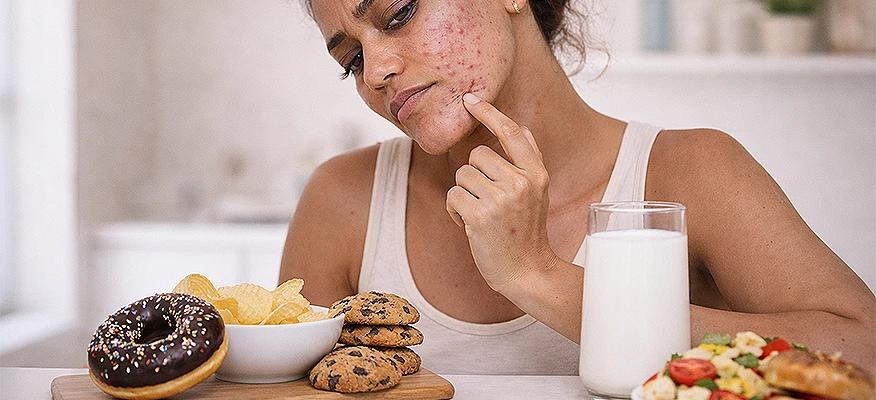
What you eat doesn’t directly cause acne but certain foods can trigger or worsen breakouts, especially if you’re already prone to them. So, which foods cause acne the most? A quick, evidence-backed answer: high-glycemic foods (like refined sugar and white flour), dairy, and ultra-processed snacks are the biggest culprits linked to increased oil production and inflammation — two key drivers of Acne vulgaris.
Research in dermatology and nutrition science shows that these foods can spike insulin levels, which in turn stimulates hormones that increase sebum (oil) production and clog pores. Guidance aligned with global dermatology bodies such as the American Academy of Dermatology also notes that while diet alone may not cause acne, it can significantly influence its severity and frequency, especially in adults.
In simple terms, your skin often reflects what’s happening internally. Identifying the foods that cause acne and understanding how they affect your complexion can guide better dietary choices for healthier skin.
How diet affects your skin
Your skin is like a mirror reflecting what's happening inside your body. When you eat certain foods, they don't just affect your energy levels or waistline; they can also influence your skin's behavior through three main pathways.
- Blood sugar and insulin spikes are the first culprits. When you consume high-glycemic foods like white rice, sugary drinks, or pastries, your blood glucose shoots up rapidly. This triggers a cascade of insulin and IGF-1 (insulin-like growth factor), which can stimulate your sebaceous glands to produce more oil and encourage the growth of skin cells that can clog pores.
- Hormonal fluctuations form the second pathway. Certain foods, particularly dairy products, may increase levels of hormones like IGF-1, which can influence sebum production and make your skin more prone to breakouts.
- The third mechanism involves inflammation. Diets heavy in refined carbohydrates, saturated fats, and processed foods can trigger low-grade inflammation throughout your body, potentially worsening existing acne lesions and making your skin more reactive.
Research shows that young adults with high glycemic load diets and low fiber intake experienced more severe acne. Similarly, Thai studies found that oily, fried foods and chocolate were linked to worse acne, whereas vegetable-rich, low-sugar diets seemed to have a protective role.
For women living in urban and semi-urban areas, the shift toward "Westernized" eating patterns (more refined grains, sugary beverages, and fast foods) may increase exposure to dietary factors associated with acne.
Can some foods cause acne?
The connection between diet and acne is more complex than the idea that a single food directly causes breakouts. Research shows associations between overall eating patterns and acne risk or severity, rather than clear cause-and-effect relationships. How the body responds to food can vary widely from one person to another.
Diet may also influence acne through factors like hormone levels, inflammation, and insulin response. These internal processes can affect oil production and skin cell turnover, which play a role in breakouts. However, findings are not always consistent across populations, highlighting the influence of genetics, lifestyle, and overall dietary habits.
The key takeaway is that acne is a multifactorial condition. Diet is just one piece of the puzzle, alongside skincare, stress, hormones, and sleep. Paying attention to how your skin responds to different eating patterns can help guide better choices, but no single diet works the same way for everyone.
10 top foods that may cause acne

Here are the foods most commonly implicated in acne development, based on current research and clinical observations:
1. Sugary drinks and sweetened beverages
Sugar-sweetened beverages like sodas, packaged juices, sweetened chai, and instant coffee mixes are among the strongest dietary risk factors for adult acne. They cause rapid blood sugar spikes, raising insulin and IGF-1 levels, which can increase sebum production and promote acne lesions.
2. Refined carbohydrates
White rice, white bread, instant noodles, maandazi, biscuits, and pastries all fall into this category. High-glycemic diets based on refined grains are associated with higher acne prevalence and severity. Many staple foods can contribute to a high glycemic load when not balanced with fiber, protein, and healthy fats.
3. Milk and certain dairy products
Multiple studies report associations between milk consumption and acne, especially skim or low-fat milk. The proposed mechanisms include increased IGF-1 levels and bioactive molecules in milk that affect sebaceous glands. Interestingly, cheese and yogurt show weaker or inconsistent links to acne.
4. Fast foods
Burgers, fried chicken, chips, pizza, and similar Western-style fast foods rich in refined carbs, saturated fat, and salt have been associated with higher acne risk. These foods often come with sugary drinks, compounding the glycemic effect.
5. Deep-fried snacks
Deep-fried street snacks such as lumpia and banana cue (Philippines), fried spring rolls and battered seafood (Vietnam), tod mun and fried chicken skin snacks (Thailand), and fried cassava chips, maandazi-style fried dough, and street fritters (Africa) have been associated with increased acne severity in observational studies among adolescents.
Their high oil content may promote inflammation and oxidative stress, while frequent consumption can potentially alter sebum composition, creating an environment more prone to breakouts.
6. Chocolate and cocoa-rich sweets
Some clinical studies show that chocolate can increase acne lesions in acne-prone individuals, though the exact role of sugar versus cocoa versus milk fats remains unclear. The evidence is mixed, and chocolate may be a trigger for some people but not others.
7. Packaged snacks
Packaged foods such as sweet biscuits, cream-filled wafers, packaged cakes, candy, ice cream, and commercially prepared local sweets sold in shops and supermarkets often contribute to a high glycemic load. Many also contain saturated fats or industrial trans fats, which may amplify inflammatory pathways linked to acne development when consumed frequently.
8. Highly processed meats
Hot dogs, processed sausages, and luncheon meats are part of "Westernized" dietary patterns linked to acne. While direct evidence is weaker than for dairy or sugar, these foods tend to be high in saturated fat, salt, and additives.
9. Whey-based protein powders
Whey protein, derived from milk, can raise IGF-1 and insulin levels. Some case series suggest it may trigger acne in susceptible individuals, particularly on the trunk, relevant for women using fitness supplements.
10. Salty, highly processed snacks
Flavored chips, instant noodles with seasoning packets, and packaged savory snacks combine refined carbs, unhealthy fats, and flavor enhancers. While salt itself isn't a proven acne cause, these foods contribute to inflammatory dietary patterns.
Is food sensitivity causing your acne?
Many wonder if they have specific food sensitivities that trigger their breakouts. Understanding the difference between food allergies and sensitivities can help you approach this question more systematically.
True food allergies involve immediate immune reactions like hives, swelling, or breathing difficulties, and require medical attention. These aren't the typical pathways for acne development.
Food sensitivities or intolerances may manifest as digestive discomfort, bloating, or skin changes, but scientific evidence linking them specifically to acne remains limited. However, clinical studies reveal that many patients believe certain foods like sweets, chocolates, fried foods, spices, and nuts worsen their acne.
This suggests that individual triggers do exist. One woman might consistently break out after ice cream, another after deep-fried street food, while others see no dietary connection to their skin changes.
Personal sensitivities could potentially affect acne through:
- Worsening systemic inflammation and oxidative stress
- Changes in gut barrier function and microbiome that may influence skin inflammation
Current evidence doesn't support broad elimination diets for acne unless you have other clear symptoms. However, paying attention to personal patterns, like breakouts consistently appearing after specific foods, can be useful and carries minimal risk.
How to avoid foods that give you acne
Rather than following restrictive diets, focus on practical strategies that fit your lifestyle and cultural preferences.
- Start by identifying your personal triggers. Keep a simple 4-6 week diary noting what you eat and how your skin responds, particularly after consuming high-sugar drinks, milk, fast foods, or chocolate. Remember to note your menstrual cycle timing, as hormonal changes can mask or mimic diet-related flares.
- Reduce rather than eliminate high-risk foods. Cut back on sugary drinks, sweets, and refined carbs that show the strongest research evidence. If you suspect milk affects your skin, try reducing it while maintaining calcium intake through other food sources.
- Pre-plan for urban food environments. When eating out or buying street food, choose grilled options over deep-fried ones when available, opt for water or unsweetened tea instead of sodas, and include vegetables and legumes alongside your staples.
- Read labels on packaged foods to watch for added sugars, hydrogenated oils, and very long ingredient lists indicating highly processed products.
- Make gradual swaps that feel sustainable:
- Mix brown or red rice with white rice, or add more vegetables to lower the overall glycemic load
- Choose plain yogurt with fresh fruit over sweetened yogurt drinks
- Use plain noodles with vegetables and eggs while reducing seasoning packets
Acne-friendly diet tips

Research supports several dietary patterns that may help improve acne while promoting overall health.
- Adopt a lower-glycemic eating pattern. Studies suggest that diets rich in whole grains, vegetables, fruits, and legumes are associated with less severe acne and shorter breakout duration. Combine staples like rice, ugali, or injera with plenty of vegetables, pulses, and healthy fats to slow glucose absorption.
- Increase intake of vegetables and fruits. Higher vegetable intake, including leafy greens, is associated with lower acne risk in some studies. These foods provide antioxidants and phytonutrients that help counter inflammation and oxidative stress.
- Include healthy fats and omega-3s. Diets rich in omega-3 fats are being studied for their anti-inflammatory benefits in acne. Focus on locally available sources like fatty fish (mackerel, sardines, tilapia), chia seeds, flax seeds, and certain leafy greens.
- Emphasize plant-based proteins. Legumes like lentils, beans, chickpeas, and cowpeas provide protein and fiber without the hormonal concerns linked to some dairy or processed meats.
- Consider probiotic and prebiotic foods. Emerging evidence suggests probiotics may help reduce acne severity through effects on inflammation and the microbiome. Try live-culture yogurt, fermented foods, and pickled vegetables prepared hygienically.
- Stay adequately hydrated to support general skin and metabolic health, and avoid extreme or restrictive diets that could lead to nutrient deficiencies harmful to skin health.
Conclusion
While acne is primarily driven by genetics and hormones, acne-causing foods can definitely influence your skin's behavior. The strongest scientific evidence points to high-glycemic diets, added sugars, and milk (especially skim milk) as dietary factors associated with increased acne risk and severity.
Fast foods, oily fried foods, and processed snacks also show associations with acne in multiple studies, though individual responses vary significantly. Some women may notice clear personal triggers with foods like chocolate or specific dairy products, making a structured self-observation approach both reasonable and low-risk.
For women juggling busy urban lifestyles, small sustainable shifts can make a meaningful difference. Focus on reducing sugary drinks and deep-fried foods while increasing vegetables, whole grains, legumes, and healthy fats. These changes support not just clearer skin, but your long-term health and energy levels too.
Remember, foods that cause acne and pimples affect everyone differently. What triggers breakouts in your friend might not affect you at all. The key is paying attention to your own patterns and making gradual, sustainable changes that work with your cultural preferences and daily routine.
Meet our expert

Meet our expert
Sharina Farhana Binti Mohd Merah is a registered Dietitian since 2022, who is passionate in helping people achieve health through Nutrition.
How was the experience with article?
We'd love to know!