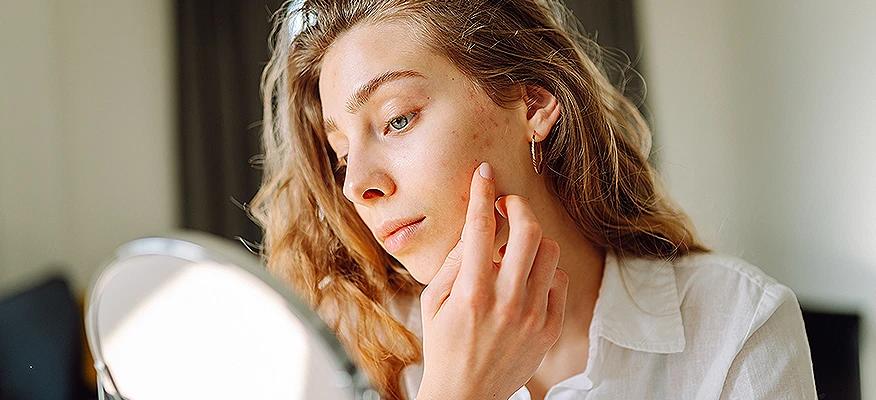
Cheek acne can feel stubborn, but it’s rarely random.
If breakouts keep showing up in the same areas, your skin is usually responding to something specific. It could be everyday habits like phone use, makeup, or pillowcases. It could be environmental factors like heat, humidity, or pollution. Or it could be internal shifts like hormones and oil production. In most cases, it’s a combination—and once you identify it, things start to make sense.
Dermatology guidance from the American Academy of Dermatology explains that acne forms when pores become clogged with oil, dead skin, and bacteria. But where acne appears—like on the cheeks—often reflects external triggers and daily patterns, not just what’s happening inside your body.
And this is where awareness becomes powerful. Across Southeast Asia and East Africa, factors like humidity, sweat, and product layering can make cheek acne more persistent—but they also make it more predictable once you know what to look for.
Because here’s the shift: cheek acne isn’t something you have to keep guessing about—it’s something you can decode and manage.
In this article, we break down what causes acne on the cheeks, how to identify your triggers, and what actually helps clear it, so you can move from reacting to breakouts to staying one step ahead of them.
What causes acne on cheeks?

Acne on the cheeks is usually caused by a combination of clogged pores, excess oil, bacteria, and external triggers. Common causes include:
- Frequent touching of the face or phone contact
- Dirty pillowcases or makeup brushes
- Heavy or comedogenic skincare and makeup
- Sweat and humidity, especially in hot climates
- Hormonal changes affecting oil production
While acne forms the same way across the face, cheek acne is more strongly linked to lifestyle and environmental factors, making it easier to manage once triggers are identified.
What does acne on your cheeks mean?
When you notice acne on your cheeks, your skin is essentially telling you that your pores are working overtime. Think of it like a traffic jam in your hair follicles - dead skin cells, excess oil (called sebum), and bacteria get stuck together, creating those unwelcome bumps.
For people living in humid environments across Southeast Asia, East Africa, and other tropical regions, cheek acne is particularly common. Your skin naturally produces more oil to cope with the moisture in the air, which can lead to clogged pores more easily than in drier climates.
What makes cheek acne different from breakouts on other parts of your face is that it often appears as red, inflamed bumps rather than blackheads or whiteheads. This happens because the cheek area tends to have more active oil glands, especially in people between 25 and 45 years old.
What causes acne on the cheeks?
Understanding what causes acne on the cheeks can help you tackle the problem more effectively. Several factors work together to create the perfect storm for breakouts:
- Environmental factors play a huge role. If you live in a warm, humid climate, your skin produces more sebum to maintain its protective barrier. This extra oil, combined with dead skin cells, creates a breeding ground for acne-causing bacteria like P. acnes.
- Hormonal fluctuations are another major culprit, especially for adult women. When your androgen levels rise - whether due to your menstrual cycle, stress, or other factors - your oil glands kick into high gear. This is why you might notice that acne on my cheeks gets worse during certain times of the month.
- Genetic factors also influence your skin's behavior. If you have Asian or African heritage, your skin might naturally be more prone to oil production and inflammation, making cheek acne more likely.
- Bacterial inflammation starts early in the acne process. Even before you can see a pimple, bacteria begin causing subclinical inflammation that eventually leads to those visible bumps on your cheeks.
Types of acne on the cheeks
Recognizing the different types can help you choose the right treatment approach.
Inflammatory acne
This is the most common type you'll see on the cheeks: red, swollen pimples that might feel tender to the touch. About 20% of Asian women experience this type more frequently than other forms of acne. These bumps happen when bacteria and oil cause significant inflammation in your pores.
Comedonal acne
These are your classic blackheads and whiteheads. While less common on cheeks in Asian skin types, they can still occur. Blackheads look dark because the clogged material oxidizes when exposed to air, while whiteheads remain closed under the skin.
Cystic acne on the cheeks
The most severe form, cystic acne, creates deep, painful nodules under the skin. Fortunately, this type is less common in Asian skin, but when it does occur, it requires professional treatment to prevent scarring.
Fungal acne on the cheeks
Sometimes what looks like regular acne might actually be fungal acne, caused by an overgrowth of yeast on your skin. This type often appears as small, uniform bumps and doesn't respond to typical acne treatments.
Is it cheek acne or rosacea?
Many women confuse cheek acne with rosacea, especially when dealing with persistent redness. Here's how to tell them apart:
| Feature | Acne | Rosacea |
|---|---|---|
| Lesion type | Blackheads, whiteheads, pustules | No comedones (no blackheads) |
| Skin texture | Oily | Often normal to sensitive |
| Bumps | Appear and disappear | Rare; mainly persistent redness |
| Affected areas | Can also affect forehead or chin | Typically central face (cheeks, nose, forehead) |
| Redness | Often localized around pimples | Persistent, widespread redness |
| Vascular signs | Not usually visible | Visible blood vessels (telangiectasia) |
| Flushing | Rare | Comes and goes easily |
| Sensation | Mild or no discomfort | Burning or stinging sensation |
In humid climates, the distinction can be tricky because both conditions can cause red, inflamed bumps on the cheeks. However, rosacea won't have the oil production and comedones that characterize acne. If you're unsure, it's worth consulting a dermatologist for a proper diagnosis.
What is the reason behind recurring acne on the cheeks?
If you're dealing with recurring acne on your cheeks, several factors might be keeping this cycle going:
- Ongoing sebum production is often the main culprit. In tropical humidity, your skin continues producing excess oil even after treatment, leading to new clogs and breakouts.
- Hormonal patterns in women aged 25-45 create predictable flare-ups. Your androgen levels naturally fluctuate throughout your menstrual cycle, triggering oil production spikes that can cause regular breakouts.
- Subclinical inflammation persists even after visible acne clears. This low-level inflammation creates the perfect environment for new breakouts to develop.
- Treatment resistance can develop over time, especially if you've used antibiotic treatments. The bacteria on your skin may become less responsive to treatments that once worked well.
- Lifestyle factors like using hot water for cleansing, touching your face frequently, or using comedogenic products can perpetuate the cycle.
How to treat cheek acne
The good news is that effective treatments exist for how to get rid of cheek acne. The key is starting with gentle, non-irritating approaches that work with your skin's natural processes.
- Topical treatments should be your first line of defense. Look for products containing:
- Salicylic acid for gentle exfoliation
- Benzoyl peroxide for bacterial control
- Retinoids for preventing clogged pores
- Niacinamide for oil control and inflammation reduction
- Non-antibiotic dermocosmetics are particularly effective for sensitive skin types. These products target acne without the harsh side effects that can worsen irritation in Asian or African skin.
- Combination therapy often works best. Using a gentle cleanser, followed by a treatment product, then a lightweight moisturizer creates a comprehensive approach that addresses multiple causes of acne on the cheeks.
Skincare routines that help with cheek acne

A consistent routine tailored to your skin's needs can make a significant difference in managing cheek acne causes:
Morning routine:
- Gentle foaming cleanser to remove overnight oil buildup
- Lightweight serum with niacinamide or salicylic acid
- Oil-free moisturizer to maintain the skin barrier
- Broad-spectrum SPF 30+ sunscreen (crucial for preventing post-inflammatory hyperpigmentation)
Evening routine:
- Same gentle cleanser to remove the day's buildup
- Treatment product (retinoid or benzoyl peroxide)
- Hydrating, non-comedogenic moisturizer
Weekly additions:
- Gentle exfoliation 1-2 times per week
- Clay mask for oil control (avoid over-drying)
Remember, consistency matters more than perfection. It's better to stick to a simple routine daily than to use multiple products sporadically.
Lifestyle changes for clearer cheeks
Beyond skincare products, certain lifestyle adjustments can significantly impact your skin's health:
- Dietary considerations include reducing high-glycemic foods that can trigger sebum production. This doesn't mean eliminating all carbs, but being mindful of how sugary or processed foods affect your skin.
- Hydration plays a crucial role. Drinking adequate water helps your skin maintain its natural balance and can reduce the compensatory oil production that leads to clogged pores.
- Stress management is essential since stress hormones can trigger breakouts. Regular exercise, adequate sleep, and stress-reduction techniques can help balance your hormones naturally.
- Environmental adjustments like using a humidifier in air-conditioned spaces or avoiding overly hot showers can help maintain your skin's natural barrier function.
Prevention tips: How to avoid cheek acne
Prevention is always easier than treatment. Here are practical strategies to minimize future breakouts:
- Phone hygiene: Clean your phone screen daily with alcohol wipes. Your phone collects bacteria throughout the day, and pressing it against your cheek transfers these microorganisms to your skin.
- Pillowcase care: Change pillowcases at least twice weekly. Oil, bacteria, and hair products accumulate on fabric and can contribute to acne on the cheeks and forehead.
- Product selection: Choose non-comedogenic makeup, sunscreen, and hair products. Pay special attention to products that might migrate to your cheek area throughout the day.
- Sun protection: Consistent sunscreen use prevents post-inflammatory hyperpigmentation, which is particularly important for darker skin tones that are more prone to lasting marks from acne.
When to see a dermatologist
While many cases of cheek acne respond well to over-the-counter treatments, certain situations warrant professional help:
- Persistent or worsening acne that doesn't improve after 8-12 weeks of consistent treatment needs professional evaluation.
- Cystic acne on the cheeks requires prescription treatments to prevent scarring and provide effective relief.
- Keloid scarring is higher in Asian and African skin types, making early professional intervention crucial.
- Emotional impact: If acne affects your confidence or daily life, don't hesitate to seek help. Your mental health matters as much as your physical skin health.
- Unusual presentations like sudden onset of severe acne or acne that doesn't fit typical patterns may indicate underlying hormonal issues that need medical attention.
Conclusion
Understanding why you get acne on cheeks empowers you to take targeted action against this common skin concern. You might be dealing with hormonal fluctuations, environmental factors, or genetic predisposition, but either way, know that effective solutions exist.
From gentle skincare routines to lifestyle adjustments, managing cheek acne is absolutely achievable with patience and the right approach. Remember, if over-the-counter solutions aren't providing relief, professional help can offer additional treatment options to get your skin back on track.
Meet our expert

Meet our expert
Dr Sylvia Kama-Kieghe is a UK-based General Practitioner with a special interest in Women's Health and founder of Askawayhealth. She's also a tutor and medical student examiner. She is a Fellow of the Royal College of General Practitioners (FRCGP), Fellow of the Royal Society of Public Health (FRSPH), Fellow of the Royal Society of Medicine (FRSM), and holds a Diploma of the Faculty of Sexual and Reproductive Healthcare (DFSRH).

How was the experience with article?
We'd love to know!