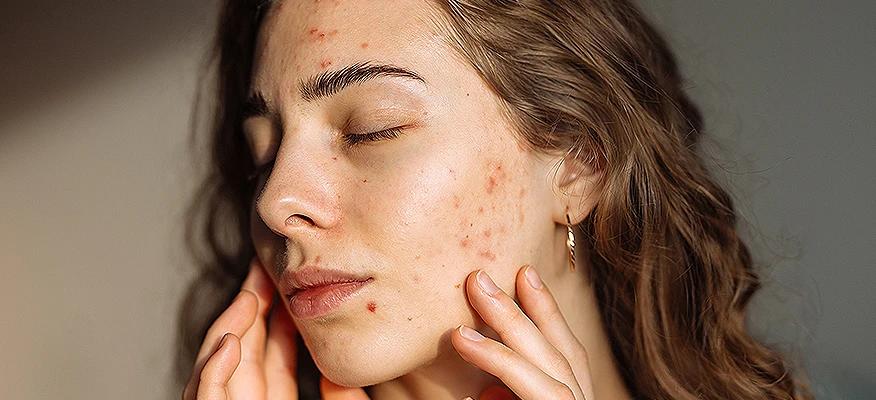
Trying product after product for acne—only to be disappointed—has become an all-too-familiar experience. Promises of clear skin are everywhere, but real results often feel out of reach.
Yet acne is far more common than it feels. Nearly 1 in 10 people worldwide experience it, making it one of the most widespread skin conditions today. And importantly, it is not a reflection of poor hygiene or personal failure, but a medical condition influenced by multiple factors.
Acne is one of the most common skin concerns globally, and still, it can feel deeply personal. Whether it’s occasional breakouts before your period, persistent bumps along the jawline, or marks that linger long after healing, acne can affect not just your skin—but how you feel about yourself.
But here’s the truth: acne is normal and it’s treatable.
Across Southeast Asia and East Africa, everyday realities like heat, humidity, pollution, and even routines involving oils, hair products, or frequent sweating can shape how acne appears and behaves. At the same time, hormones, stress, and diet continue to play a role—making acne a condition influenced by both your environment and your body.
Clinical guidance from the American Academy of Dermatology and the World Health Organization reinforces that acne affects a large proportion of people at some point—and that effective treatments do exist, from simple skincare to medically guided options.
The key is understanding what your skin needs—rather than reacting to every new breakout.
In this article, we break down why acne happens, what triggers it, and prevention and cure of acne, so you can move from confusion and trial-and-error to a clearer, more confident approach to your skin.
Acne is a normal skin condition
Your skin’s oil glands are designed to respond to hormones, produce sebum, and maintain your skin barrier. When this natural process gets disrupted, acne happens. It's not a malfunction or something wrong with you; it's your skin reacting to completely normal biological signals.
Think of acne as your skin's way of navigating hormonal changes, just like how your body might crave certain foods during your menstrual cycle or feel more energetic at certain times of the day. The combination of excess oil production, skin cells that stick together more than usual, bacteria, and inflammation creates the perfect storm we call acne.
What makes this reassuring is that dermatologists worldwide recognize acne as part of the normal spectrum of skin responses. It's so common that it's considered a routine condition in medical practice, not a rare disorder that requires specialized detective work to figure out.
How common is acne?
The numbers might surprise you; acne affects approximately 9.4% of the world's population, making it the eighth most prevalent disease globally. That translates to hundreds of millions of people dealing with the same concerns you might have about breakouts, scarring, and finding the right acne treatment.
Acne can occur at any age
One of the biggest misconceptions about acne is that it's just a "teenage problem." While it's true that acne peaks during adolescence, the reality is much more complex and inclusive.
Adult acne is increasingly common, especially among women. Research shows that up to one-third of women experience acne well into their twenties, thirties, and even forties.
There are two main patterns you might recognize:
- Persistent acne: This starts during your teenage years and continues into adulthood
- Late-onset acne: This appears for the first time in adulthood, often triggered by hormonal changes
For many women, adult acne is closely tied to:
- Menstrual cycles and hormonal fluctuations
- Pregnancy and postpartum changes
- Starting or stopping hormonal contraception
- Conditions like polycystic ovary syndrome (PCOS)
- Stress and lifestyle changes
Acne is not caused by poor hygiene
One of the most persistent myths about acne is that it is caused by inadequate cleansing or poor hygiene habits. This misconception has caused unnecessary shame and led many people to over-wash their faces, which can actually make acne worse.
The real causes of acne happen beneath your skin's surface and include:
- Increased hormone activity that boosts oil production
- Abnormal shedding of skin cells inside your pores
- Bacterial growth (specifically Cutibacterium acnes)
- Inflammation in the hair follicles
Acne is a medical condition, not just a cosmetic issue

For the prevention and cure of acne, it's time we start treating the condition with the seriousness it deserves. Major medical organizations, including the American Academy of Dermatology and the NHS, classify acne as a legitimate medical skin disease and not just a cosmetic concern.
Here's why this distinction matters:
- Physical impact:
- Acne can cause permanent scarring and pigmentation changes
- Nodular and cystic acne can be genuinely painful
- It can affect large areas of your face, chest, and back
Emotional and social impact:
- Contributes to anxiety, depression, and low self-esteem
- Can affect social interactions and professional confidence
- Creates millions of disability-adjusted life years globally
Long-term consequences:
- Scarring can be permanent without proper treatment
- Post-inflammatory hyperpigmentation is especially common in darker skin tones
- Emotional impact can persist even after acne clears
Recognizing that acne is a medical condition means you deserve proper medical care, evidence-based treatment, and compassionate support just like any other health concern.
Acne is treatable at every severity level
Dermatology has developed targeted approaches for every level of acne severity. Understanding acne severity helps determine the best treatment approach
1. Mild acne
Characterized mainly by blackheads, whiteheads, and a few small inflammatory bumps. Treatment typically includes:
- Topical retinoids like adapalene or tretinoin
- Benzoyl peroxide for antibacterial action
- Gentle, consistent skincare routines
2. Moderate acne
Features more numerous papules and pustules, some nodules, and involvement beyond just small facial areas. Treatment often combines:
- Topical combination therapies
- Oral antibiotics for limited periods
- Hormonal therapy for women when appropriate
3. Severe acne
Involves significant inflammation with nodules, cysts, and extensive lesions that carry scarring risk. Treatment may include:
- Oral isotretinoin for comprehensive management
- Hormonal therapy as an alternative for some women
- Supportive topical treatments
- Additional procedures for existing scarring
Modern acne treatments are highly effective
Today's approach to how to get rid of acne is based on decades of research and clinical experience. The treatments available now are more effective and better tolerated than ever before:
- Topical retinoids: First-line therapy that targets clogged pores and inflammation
- Benzoyl peroxide: Strong antibacterial and anti-inflammatory effects without causing antibiotic resistance
- Oral antibiotics: Effective for inflammatory acne when used for limited periods
- Hormonal therapies: Combined oral contraceptives and anti-androgenic agents like spironolactone for women
- Oral isotretinoin: Highly effective for severe or treatment-resistant cases
The key to success with any acne medication or treatment is consistency and patience. Most treatments need 6-8 weeks of regular use before you see full results.
Early treatment helps prevent scarring
Starting effective pimple and acne treatment early can save you from dealing with permanent marks later. This is especially important for women with darker skin tones, who are more prone to post-inflammatory hyperpigmentation (PIH).
The longer inflammation persists in your skin, the more likely it is to cause permanent changes. By addressing acne promptly with appropriate acne treatment products, you're reducing both the duration and intensity of inflammation.
Acne can affect emotional well-being—and that matters
Let's talk about something that doesn't get discussed enough and that is the emotional impact of acne. Research consistently shows that acne affects much more than just your skin; it can significantly impact your mental health, self-esteem, and social interactions.
Common emotional effects include:
- Low self-confidence and negative body image
- Social withdrawal and embarrassment
- Anxiety about appearance in professional or social settings
- Depressive symptoms and mood changes
- Avoidance of activities like swimming, dating, or taking photos
The emotional impact of acne doesn't always correlate with its clinical severity. Even mild acne can cause significant distress, especially when it affects visible areas like your face. For women with adult acne, the emotional toll can be particularly challenging.
The good news is that treating acne often dramatically improves quality of life and emotional well-being. Studies show that when acne improves, so does confidence, social engagement, and overall mental health.
Acne is not your fault
If you've ever felt guilty or ashamed about your acne, it's time to let go of that burden. Acne is not a reflection of your character, hygiene, or lifestyle choices. Understanding the real causes can help free you from unnecessary self-blame.
- Acne is influenced by hormones and genetics: Your hormones increase oil production and affect how your skin cells behave inside your pores. You can't control your genetic predisposition to acne any more than you can control your height or eye color. If your parents or siblings had acne, you're more likely to develop it too.
- Lifestyle alone does not cause acne: While certain factors like diet and stress can influence acne, they're modifiers, not root causes. Research suggests that high-sugar diets and dairy might worsen existing acne for some people, but plenty of individuals with "perfect" diets still experience breakouts.
- Don't blame yourself: Acne is a medical condition that deserves care and treatment, not judgment. Self-blame and shame only worsen the emotional impact and can interfere with seeking appropriate help.
Consistency is key to successful treatment
The prevention and cure of acne requires patience, consistency, and realistic expectations about timelines.
Why consistency matters:
- Most treatments need 6-8 weeks of regular use before showing full benefits
- Your skin needs time to adjust to new products
- Stopping treatment too early is one of the most common reasons for poor outcomes
- Many effective treatments cause initial "purging" or mild irritation before improvement
Building a sustainable routine:
- Use treatments exactly as prescribed, even when your skin starts improving
- Continue maintenance therapy after active breakouts are controlled
- Avoid frequently switching between products, which can increase irritation
- Choose simple routines you can realistically maintain long-term
Setting realistic expectations:
- Initial improvement might take 2-3 months
- Full results often require 4-6 months of consistent treatment
- Some treatments cause temporary worsening before improvement
- Maintenance therapy is usually needed to prevent relapse

When to seek professional help
While many mild cases respond to over-the-counter options, certain situations warrant professional medical attention for the best acne treatment for adults. Consider consulting a healthcare provider when:
- Your acne is moderate or severe, with many inflamed pimples, nodules, or widespread involvement
- You're developing scarring or persistent dark marks
- Acne causes significant emotional distress or affects your work, relationships, or confidence
- You have signs of hormonal imbalance like irregular periods, excessive facial hair, or sudden weight changes
- You're pregnant or planning a pregnancy and need guidance on safe treatments
Key reassurance points to remember
As you navigate your acne journey, these facts can provide comfort and perspective:
- Acne is extremely common: Nearly 1 in 10 people worldwide experience it, making it one of the most frequent reasons to see a dermatologist
- Acne affects people of all ages: Many adult women experience breakouts in their 20s, 30s, and 40s
- Acne is a medical condition: It involves real inflammation and can cause scarring and emotional distress
- Acne is treatable: Modern, guideline-based treatments are highly effective when used correctly and consistently
- Clearer skin is achievable: With the right combination of medical care, appropriate skincare, and patience, most people can significantly improve their acne
Conclusion
The prevention and cure of acne begins with understanding that you're dealing with one of the world's most common medical conditions. Additionally, acne isn't a reflection of your hygiene, character, or lifestyle choices; it's a normal biological response driven by hormones, genetics, and skin physiology.
The most empowering truth about acne is that it's highly treatable at every severity level. Whether you're dealing with occasional breakouts or persistent adult acne, effective solutions exist. From gentle topical treatments to targeted hormonal therapy, modern medicine offers proven approaches that can significantly improve both your skin and your quality of life.
Your acne journey may feel isolating, but you're part of a community of millions who understand exactly what you're experiencing. Take comfort in knowing that with today's treatment options and growing awareness of acne as a legitimate medical condition, you have every reason to feel hopeful about your skin's future.
Meet our expert

Meet our expert
Dr. Lynda Odoh-Anikwe, holding a Bachelor of Medicine and Bachelor of Surgery (M.B.B.S) degree, she pursued her Master of Public Health (MPH) at the University of Manchester. Actively engaged in advancing preventive healthcare, she is a member of the Society of Lifestyle Medicine Nigeria. Dr. Odoh-Anikwe aims to attain certification as a Lifestyle Medicine Physician from the International Board of Lifestyle Medicine by the final quarter of 2022.
How was the experience with article?
We'd love to know!