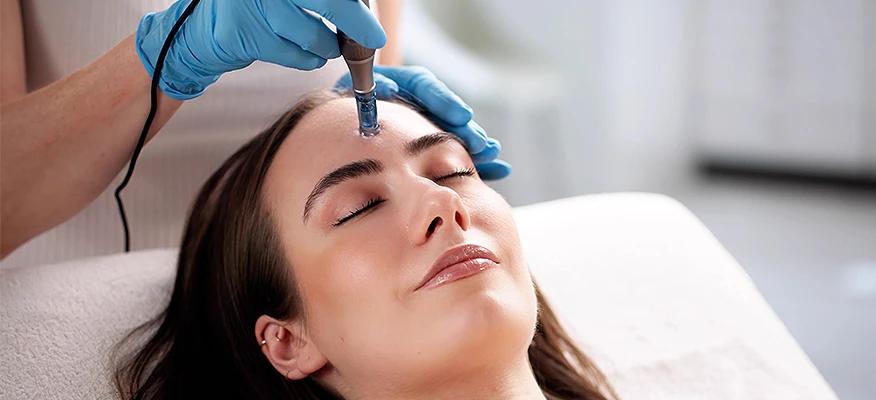
You wake up every morning, look in the mirror, and there they are, those stubborn reminders of battles your skin fought months or even years ago.
Acne may fade, but the marks it leaves behind can linger much longer. From shallow indentations to deeper scars, these changes in skin texture are often the result of how the skin heals after inflammation—making them harder to treat with creams alone.
This is where dermatological procedures like chemical peels, laser treatments, microneedling, and fillers come in. Each works differently: some stimulate collagen, others resurface the skin or restore lost volume, but all aim to improve the appearance of scars over time.
Clinical guidance from the American Academy of Dermatology highlights that acne scars are best treated with targeted procedures based on scar type, rather than a one-size-fits-all approach. Research also shows that techniques like microneedling and laser therapy can support collagen remodeling, helping skin gradually look smoother and more even.
Importantly, no single treatment works for everyone. Factors like scar depth, skin type, and overall skin health all influence which option is most effective—and often, a combination approach delivers the best results.
In this article, we break down the most effective acne scar treatment, how they work, what results to expect, and how to choose the right one for your skin, so you can move from trying everything to choosing what actually works.
What are acne scars?

Think of acne scars as your skin's healing attempt after inflammatory breakouts. When those deeper and painful pimples damage the follicle wall and surrounding tissue, your skin tries to repair itself. Sometimes it produces too little collagen, creating those depressed areas we see as scars. Other times, it goes overboard with collagen production, leading to raised, bumpy scars.
Additionally, if you have medium to darker tone skin, you're dealing with an extra layer of complexity. Your skin doesn't just form textural scars; it often develops persistent dark marks called post-inflammatory hyperpigmentation (PIH). These flat, brown or black spots can stick around long after the original pimple has healed, sometimes becoming more noticeable than the textural changes themselves.
The main types of acne scars include:
- Atrophic (depressed) scars: The most common type, appearing as small pits or broader indentations
- Icepick scars: Deep, narrow holes that look like tiny puncture marks
- Boxcar scars: Wider depressions with sharp, defined edges
- Rolling scars: Broad, sloping indentations that create a wave-like texture
- Hypertrophic and keloid scars: Raised, firm bumps from excess collagen production, more frequent in darker skin tones
- Pigmentation changes:
- PIH: Those stubborn brown or dark spots that can persist for months or years
- Post-inflammatory erythema: Pink or red marks that eventually fade
Treatment options for acne scars
When creams and serums aren't cutting it anymore, it's time to consider professional options for the best acne scar treatments. Each option works differently and understands how can help you make the best choice for your skin and lifestyle.
Chemical peel for acne scars
Chemical peels work by applying controlled acid solutions to remove damaged skin layers and stimulate fresh collagen production. Think of it as giving your skin a fresh start, layer by layer.
- How they work: Common acids like glycolic acid, salicylic acid, and trichloroacetic acid (TCA) dissolve the bonds between old skin cells, revealing smoother, more even-toned skin underneath.
- Best for:
- Mild atrophic scars, especially shallow boxcar and rolling types
- PIH
- Women looking for a relatively affordable, clinic-based treatment
Benefits: You'll see gradual improvement in both texture and tone over multiple sessions. The downtime is typically manageable, but expect some redness and peeling, similar to a mild sunburn.
Important considerations: If you have darker skin, there's a higher risk of PIH with stronger peels. This is why it's crucial to work with a dermatologist experienced in treating skin of color who can choose the right strength and timing for your skin type.
Laser and light treatments for skin resurfacing
Laser treatments for acne scars have come a long way, especially fractional lasers that balance effectiveness with safety for different skin tones.
- How they work: Fractional lasers create thousands of microscopic columns of controlled injury in your skin, leaving surrounding tissue intact. This triggers your body's healing response and stimulates new collagen production to smooth out scars.
- Best for:
- Moderate to severe atrophic scars
- Mixed scarring patterns where you want overall improvement
- Women who can handle more downtime for more dramatic results
Benefits: Studies show that many women achieve moderate to significant improvement, with some seeing near-total scar improvement. Fractional CO₂ lasers, in particular, have shown excellent results even in Asian skin types when used properly.
What to expect: You'll typically see redness, swelling, and some crusting for 1-2 weeks. While this might sound intense, many women find the results worth the temporary inconvenience.
Risks for darker skin: PIH is the main concern, but experienced practitioners can minimize this risk with proper settings, test spots, and comprehensive pre- and post-treatment care.
Microneedling and radiofrequency (RF) microneedling
Microneedling has gained popularity as a gentler alternative to more aggressive treatments, especially for women with darker skin who are concerned about pigmentation changes.
- How it works: Fine needles create tiny channels in your skin, triggering natural healing and collagen production. RF microneedling adds controlled heat energy, enhancing results while keeping the surface safe.
- Best for:
- Mild to moderate atrophic scars
- Women with darker skin tones where laser-induced pigmentation is a concern
- Those who prefer building results gradually over 3-6 sessions
Benefits: You'll see improved texture and skin firmness with minimal downtime and usually just a few days of redness. RF microneedling, in particular, has a lower risk of causing dark spots compared to some laser treatments.
What to expect: Temporary redness and mild swelling are normal, similar to a moderate sunburn that resolves within days.
Fillers and subcision for deep acne scars
For those stubborn rolling scars and deep depressions that seem impossible to treat, fillers combined with subcision can be game-changers.
- How they work: Subcision involves using a needle to break the fibrous bands that pull scars down, allowing your skin to lift naturally. Dermal fillers (usually hyaluronic acid) are then injected to raise depressed areas and create a smoother contour.
- Best for:
- Rolling scars and broad boxcar scars
- Individual deep depressions that need targeted correction
- Women wanting visible improvement relatively quickly
- Benefits: You'll see immediate volume correction from fillers, while subcision stimulates long-term collagen production. This combination often works beautifully with other resurfacing treatments.
- Considerations: Expect some bruising and swelling, and remember that most fillers are temporary, lasting months to a couple of years.
Comparing treatments: Key differences
| Treatment | Best For | Downtime | Results and Timeline; Longevity | Pigmentation Risk (Darker Skin) | Cost Range |
|---|---|---|---|---|---|
| Chemical Peels | Mild scars, dark marks | Low-moderate | Gradual over multiple sessions; Semi long lasting | Moderate (increases with strength) | Lowest |
| Fractional Lasers | Moderate-severe scars | Moderate (1-2 weeks) | Often noticeable after 1-3 sessions; Near permanent | Moderate-high (manageable with expertise) | Highest |
| Microneedling/RF | Mild-moderate scars | Low (a few days) | Gradual over 3-6 sessions; Results can persist for years but requires maintenance | Lower than lasers | Mid-range |
| Fillers + Subcision | Rolling/deep scars | Low-moderate | Immediate volume + gradual improvement; Long lasting (6-18 months) | Mainly temporary local changes | Mid-high |
Choosing the right treatment

The best acne scar removal approach is about finding what works for your specific skin type, scar pattern, and lifestyle.
Consider your skin type and pigmentation tendency
- If you have darker skin, you're at a higher risk for PIH from any procedure.
- This doesn't mean you can't have these treatments; it just means you need a dermatologist who understands how to treat deep acne scars safely in skin of color.
Match treatment to your scar type
- Scar type and severity should guide your treatment hierarchy.
- If you're dealing primarily with dark marks and minimal textural changes, start with proven topical treatments, such as retinoids, azelaic acid, and consistent sunscreen use, possibly combined with superficial peels.
- For rolling or boxcar scars, consider microneedling, RF treatments, or carefully performed fractional lasers. Deep icepick scars often respond best to focused treatments like TCA CROSS or specialized laser protocols.
Factor in your lifestyle and expectations
- To receive the best acne scar treatment, multiple-sessions like peels and microneedling might be more realistic if you have a busy schedule or limited budget.
- If you can only take time off work occasionally, you might prefer low-downtime options before considering more intensive procedures.
Remember, most studies report "moderate improvement" rather than complete scar erasure. While some women do achieve near-total improvement with well-planned, repeated treatments, setting realistic expectations helps you stay motivated throughout the process.
Prevention tips to avoid further scarring
While we're focusing on effective acne scar treatment, preventing new scars is equally important, especially if you're still dealing with occasional breakouts.
- Control active acne early: The best scar prevention is stopping inflammatory acne before it damages deeper skin layers. This might involve topical retinoids, medical treatments, or hormonal therapy under professional guidance.
- Resist the urge to pick: We know it's tempting, but squeezing and picking directly increases your risk of both scarring and dark marks.
- Never skip sun protection: Daily broad-spectrum sunscreen significantly reduces darkening and persistence of post-acne marks. This is especially crucial if you're undergoing any scar treatments.
- Keep skincare gentle: Use mild cleansers and avoid harsh scrubs that can worsen inflammation and barrier function.
Conclusion
Finding the best acne scar treatment is about understanding your options and working with the right professional to create a personalized plan. Whether you start with a chemical peel for acne scars, explore the benefits of microneedling for gentler improvement, or need the more intensive approach of fractional laser skin resurfacing, effective acne scar removal is absolutely possible.
The most successful approach often combines treatments over time. Starting with acne control and sun protection, then moving to procedures that match your skin type, scar pattern, and lifestyle. The key is finding a dermatologist experienced in treating your skin type who can guide you through the best skin treatment for acne scars based on your individual needs.
Your skin has been through a lot, but with the right treatment plan, those scars don't have to define your confidence anymore.
Meet our expert

Meet our expert
Dr. Pulyk Nataliya Omelanivna is an Internal Medical Expert who is based out of Ukraine. With a special interest in internal medicine Dr Pulyk graduated from the Ternopil National Medical Academy in Ukraine, in the year 2001. Between the years 2002-2009, Dr Pulyk worked as an emergency physician. Her years of work as an emergency physician gave her immense exposure to a range of patients and an opportunity to learn on the job, and gather extensive experience.
How was the experience with article?
We'd love to know!