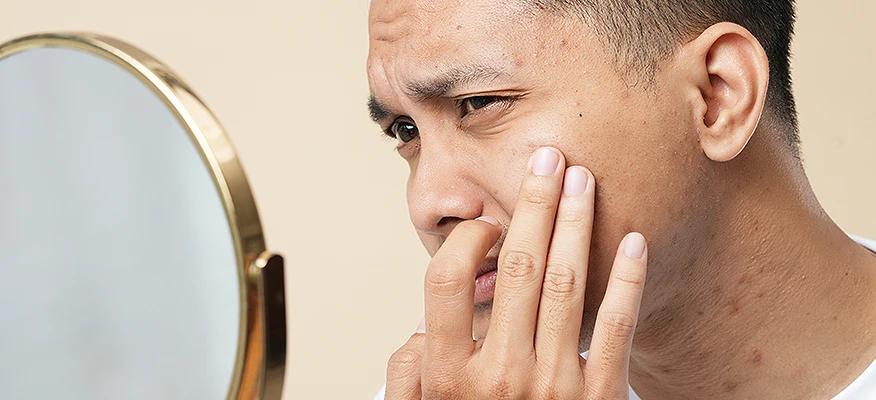
You’ve tried the face wash. You've tried the ‘drink more water’ advice. You’ve probably tried ignoring it — hoping it would sort itself out. It didn't.
If you're a man dealing with acne in your 20s, 30s, or beyond, you're not alone. According to the American Academy of Dermatology (AAD), acne affects up to 50 million people annually — and contrary to popular belief, it doesn't stop at adolescence. Studies published in the Journal of the American Academy of Dermatology confirm that adult male acne is significantly driven by androgens (male hormones like testosterone), which increase sebum production and clog pores at a rate higher than in female skin.
Yet most acne content online still isn't written for you.
Across Southeast Asia and Africa, the challenge runs deeper. Dermatologists practicing in tropical climates including specialists at institutions like the University of Lagos Teaching Hospital and the Philippine Dermatological Society consistently highlight that heat, humidity, and prolonged UV exposure accelerate post-inflammatory hyperpigmentation (PIH), meaning breakouts leave darker, longer-lasting marks on medium-to-deep skin tones. This is a clinical reality that most Western skincare guides simply don't address.
Add to that: shaving friction, inconsistent access to prescription treatments, and a market flooded with products tested in temperate climates — and it's clear why generic advice keeps failing men in this part of the world.
This guide cuts through the noise. We cover treatments that are clinically backed, accessible in your region, and built around how men’s skin actually works — higher sebum production, thicker skin, and the added complication of shaving.
Whether you're dealing with hormonal breakouts, back acne, or stubborn post-inflammatory dark marks (which are more visible and longer-lasting on deeper skin tones), you'll find something here that works.
Why do men get acne?
Close Young Caucasian Man Look Mirror Stock Photo 1953915421 | Shutterstock
Hormones play the starring role in adult acne in men, particularly androgens like testosterone, which increase oil production in your skin. Think of it like your skin's oil glands getting an unwanted turbo boost.
Studies show that up to 46% of men in certain Asian populations experience acne well into adulthood. If you're living in urban areas across Southeast Asia, East Africa, or similar regions, you might notice this issue becoming more common around you. The combination of environmental factors, lifestyle changes, and persistent hormonal influences creates the perfect storm for adult acne.
The reality is that men's skin tends to be thicker and produces more oil than women's skin, which means when acne strikes, it often sticks around longer and can be more severe. But understanding why it happens is the first step toward finding an effective acne treatment for men.
Types of acne in men
Recognizing what type of breakout you're dealing with helps you choose the right treatment approach.
- Inflammatory acne shows up as red, angry-looking bumps (papules) and pus-filled spots (pustules). This type is common in men and tends to be more persistent.
- Comedonal acne appears as blackheads and whiteheads, those stubborn little bumps that seem to camp out on your nose and forehead.
- Nodulocystic acne is the heavy hitter, large, painful lumps under the skin that can lead to scarring. Men are more prone to this severe form, especially in areas where shaving causes additional irritation.
In some regions, particularly parts of Africa, steroid-induced acne from certain skin products creates uniform bumps without the typical blackheads and whiteheads. This type looks different but responds well to proper treatment.
What causes acne in men?
Understanding the root causes helps you tackle acne more effectively. Hormonal fluctuations remain the primary driver, with androgens boosting sebum production throughout your life, not just during puberty.
Environmental factors also play a prominent role. If you're living in humid climates or dealing with urban pollution, your skin faces extra challenges. The combination of heat, humidity, and environmental toxins can clog pores faster than your skin can clear them.
Cultural and lifestyle factors also matter more than you might think:
- Hair products: Some pomades and styling products can clog pores along your hairline
- Shaving habits: Dirty razors or aggressive shaving can irritate skin and worsen acne
- Diet patterns: While not definitively proven, some South Asian communities notice connections between certain foods and breakouts
- Stress levels: Urban living often means higher stress, which can trigger hormonal responses that worsen acne
What does acne look like?
Acne typically appears as:
- Whiteheads: Small, closed bumps with white centers
- Blackheads: Open pores with dark tips (not dirt, but oxidized oil)
- Papules: Red, inflamed bumps without pus
- Pustules: Red bumps with white or yellow pus-filled centers
- Nodules: Large, hard lumps deep under the skin
- Cysts: Painful, pus-filled lumps that can cause scarring
For men with darker skin tones, common in East Africa and Southeast Asia, acne often leaves behind post-inflammatory hyperpigmentation (PIH), dark spots that can last months after the actual pimple heals. This makes early treatment even more important.
In men, acne commonly clusters on the face, back, and chest. The T-zone (forehead, nose, chin) tends to be most affected due to higher oil production in these areas.
Effective acne treatment options for men

The best acne treatment for men combines proven ingredients that target the root causes of breakouts. Here's what actually works:
- Topical retinoids are the gold standard. These vitamin A derivatives help unclog pores and reduce inflammation. They're particularly effective for preventing the scarring that men are more prone to developing.
- Benzoyl peroxide kills acne-causing bacteria and helps dry out excess oil. Start with a 2.5% concentration to avoid irritation, especially in humid climates where skin can be more sensitive.
- Salicylic acid penetrates oil-filled pores and helps clear blackheads and whiteheads. It's gentler than benzoyl peroxide and works well for daily maintenance.
- Oral isotretinoin is reserved for severe cases but can be life-changing for men with persistent, scarring acne. Unlike women, men don't need to worry about pregnancy precautions, making this option more straightforward.
- Antibiotics can help with inflammatory acne when used short-term alongside topical treatments. They're particularly useful in regions where bacterial resistance isn't a major concern.
The key is starting treatment early, especially in areas where scarring and PIH are common concerns.
Best skincare routine for men with acne
A consistent routine beats expensive products every time. Here's a simple but effective approach:
Morning routine
- Cleanse with a gentle, non-comedogenic cleanser to remove overnight oil and sweat without irritating the skin.
- Apply an oil-free moisturizer to keep skin hydrated and balanced, which can actually help reduce excess oil production.
- Use a broad-spectrum sunscreen (SPF 30+) to protect against sun damage that can worsen acne marks and inflammation.
Evening routine
- Cleanse thoroughly to remove sweat, pollution, sunscreen, and buildup from the day that can clog pores.
- Apply an acne treatment such as benzoyl peroxide to fight acne-causing bacteria or a retinoid to prevent clogged pores and improve skin texture.
- Moisturize with a lightweight, non-comedogenic formula to support skin repair overnight and reduce dryness or irritation.
The best acne face wash for men should be gentle enough for daily use but effective at removing excess oil without over-drying your skin.
How can a man choose the right acne treatment?

Choosing the best acne treatment for men starts with assessing your acne severity and skin type.
- For mild acne (occasional blackheads, whiteheads): Start with over-the-counter salicylic acid or benzoyl peroxide products.
- For moderate acne (regular breakouts with some inflammation): See Dermatologists / skin care expert to stop it from worsening
- For severe acne (large, painful bumps, potential scarring): See a dermatologist for oral medications.
Also, keep these in mind:
- Climate considerations: If you're in Southeast Asia, East Africa, or other humid regions, choose mattifying products and consider an extra cleanse after heavy sweating. Oil-free formulations work better in these conditions.
- Skin tone considerations: If you have darker skin, prioritize treatments that prevent PIH. Look for products with niacinamide or kojic acid to help even skin tone.
Always patch-test new products, especially in humid climates where skin can be more reactive. Start with lower concentrations and gradually increase as your skin adjusts.
How should men prevent acne on the face?
Prevention is often easier than treatment, especially when you understand your triggers.
Daily habits that help:
- Wash your face twice daily with lukewarm water
- Avoid touching or picking at your skin
- Use clean towels and change pillowcases regularly
- Choose non-comedogenic hair and skincare products
Climate-specific tips: In tropical areas, manage sweat with breathable fabrics and shower promptly after exercise. Consider using blotting papers during the day to control excess oil.
Dietary considerations: While research is mixed, some men notice improvements when reducing dairy and high-glycemic foods. This is particularly relevant in South Asian communities where these dietary connections are commonly observed.
Shaving prevention: Always use clean razors, shave in the direction of hair growth, and choose non-comedogenic shaving products. Also, avoid aggressive scrubbing, and don't shave over active breakouts when possible. Consider electric razors if manual shaving irritates your acne.
Additional tips for men with acne
Beyond basic skincare, these lifestyle factors can significantly impact your skin:
- Hydration and nutrition: Drink plenty of water and eat a balanced diet rich in antioxidants. Omega-3 fatty acids from fish or supplements may help reduce inflammation.
- Stress management: Regular exercise and adequate sleep help regulate hormones that influence acne. This is particularly important in high-stress urban environments common in Southeast Asia and East Africa.
- Sun protection: Always wear sunscreen, especially when using acne treatments that increase sun sensitivity. This is crucial for preventing PIH in darker skin tones.
- Patience is key: Most acne treatments take 6-12 weeks to show significant results. Stick with your routine even when you don't see immediate changes.
When to see a dermatologist
Some situations require professional help, and recognizing these early can prevent long-term skin damage.
See a dermatologist if you have:
- Acne persists longer than 6 weeks despite treatment
- Signs of scarring or significant PIH
- Painful nodules or cysts
- Acne affecting your confidence or daily life
- No improvement with over-the-counter treatments
This is especially important in regions with limited healthcare access, like rural East Africa, where delays in treatment can lead to more severe scarring and pigmentation issues.
Conclusion
The key to finding the best acne treatment for men is understanding your specific type of acne, choosing evidence-based treatments, and maintaining consistency in your routine. Whether you're dealing with occasional breakouts or persistent adult acne, the combination of proper cleansing, targeted treatments, and preventive measures can lead to significant improvements.
Remember, men's acne responds well to consistent, science-backed approaches that prioritize preventing scarring and hyperpigmentation. Early intervention and professional guidance when needed can help you achieve the clear, healthy skin you're looking for. Your skin journey is unique, but with the right tools and patience, clear skin is absolutely within reach.
Meet our expert

Meet our expert
Dr. Irina Borisovna Stefanenko, a medical doctor based in Ukraine, graduated from Vinnitsa State Medical University in 1995. Between 1995 and 2000, Dr. Stefanenko pursued postgraduate studies and engaged in scientific activities at Vinnytsa Medical University in Ukraine.
How was the experience with article?
We'd love to know!