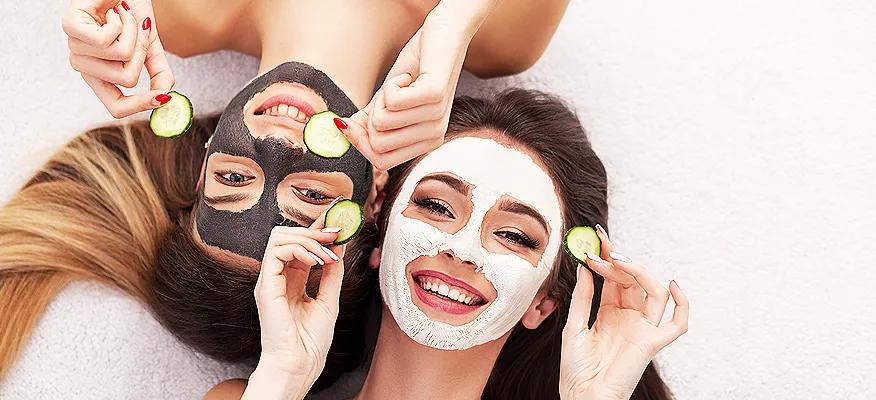
Glowing skin doesn’t have to be a luxury – sometimes, it starts with something as simple as a face mask. Whether it’s the turmeric blends passed down by grandmothers in Kenya or the rice water rituals popular in Thailand and Vietnam, traditional skincare secrets from Southeast Asia and East Africa have always celebrated the power of natural ingredients.
Today, face masks continue to be a skincare staple – not just for their pampering effect, but for their deep-rooted ability to cleanse, hydrate, and restore tired skin.
In this blog, we uncover the real face mask benefits that go beyond beauty trends. From fighting acne and dullness to locking in moisture and giving your skin that radiant glow – discover how a good face mask could be your skin’s new best friend.
We will reveal the benefits of mask on face, talk about what makes a good face mask, and provide tips on how to use mask face in the correct way.
Whether you're a sheet mask everyday person or you're looking for the best moisturizing mask, we have something for everyone.
So, buckle up and get ready as we dive into the world of facial masks and uncover their potential to rejuvenate your skin!
What is a Facial Mask?
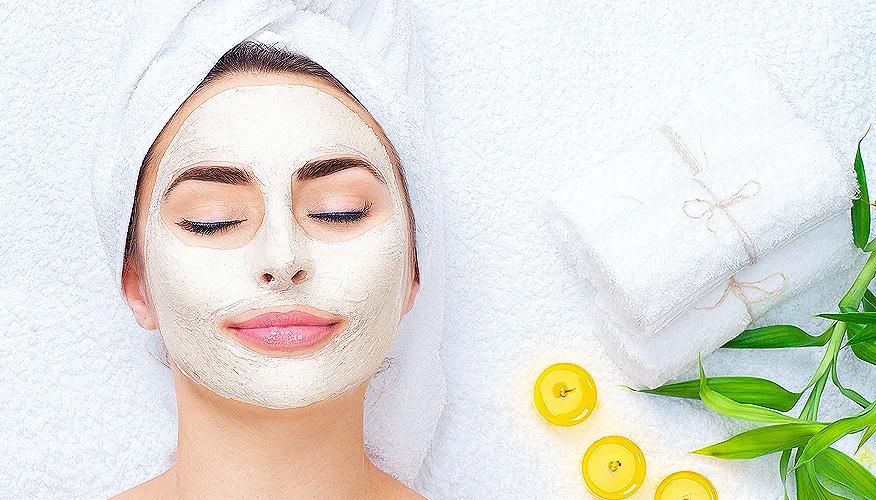
A facial mask is a skin care product that you can use for the ultimate pampering experience. They come in different forms, from creams to sheets, and are filled with potent ingredients beneficial for the skin.
Masks are designed to go on your face like a second skin, allowing the ingredients to penetrate deeply into your pores. They are left on for a short period, usually around 15 to 20 minutes, to deliver concentrated nutrients directly to the skin's surface.
Facial masks are designed to create a barrier that improves ingredient absorption, effectively addressing specific skin concerns such as hydration, detoxification, or exfoliation. This mask-like face treatment enhances your regular skincare routine and helps in achieving a healthier and more youthful complexion.
Types of Facial Masks
There are many types of facial masks available in the market, each with its unique benefits:
Clay and mud masks
These masks are perfect for oily and acne-prone skin because they absorb excess oil and impurities, making them an excellent treatment for minimizing pores. Clay masks have numerous benefits including detoxifying the skin and removing dead skin cells.
Sheet masks
Sheet masks are soaked in serums filled with potent ingredients beneficial for the skin. These masks, known for their hydrating properties, can help achieve an anti-aging and radiant complexion when used regularly.
Peel-off masks
Peel-off masks remove the outermost layer of the skin along with any impurities that might be stuck in your pores. They're effective for exfoliation and refining pores.
Gel masks
Gel masks bring soothing relief to sensitive and irritated skin. They provide hydration while reducing redness and inflammation.
Overnight masks
Overnight masks work wonders while you sleep by focusing on intensive hydration and skin repair. They help optimize your beauty sleep by nourishing your skin throughout the night.
What can Facial Masks do for your Skin?
Facial masks can offer a wide range of benefits for your skin, depending on the ingredients used and your skin type. Here’s what they can do:
- Deeply cleanse and detoxify the skin, removing impurities from within the pores.
- Hydrate and moisturize, replenishing essential moisture to prevent dullness and dryness.
- Improve the appearance of pores, making them look smaller and less obvious.
- Reduce signs of aging like wrinkles and fine lines, promoting a more youthful appearance.
- Enhance skin glow and tone, giving you a brightened and refreshed complexion.
- Brighten and even out skin tone for a radiant glow.
- Reduce acne and inflammation with antibacterial properties.
- Provide relaxation and promote self-care
- Enhance absorption of other skincare products
- Exfoliate dead skin cells to improve texture and smoothness
Benefits of using Face Masks
So why should you include face masks in your skincare routine? Let's look at some notable benefits of mask on face:
1. Face mask provides deep cleansing
A face mask offers a more thorough cleanse than everyday face washes. It penetrates deep into the pores to remove dirt, oil, dead skin cells, and toxins that accumulate from pollution or makeup. This helps prevent blackheads, breakouts, and dullness, leaving your skin feeling refreshed and purified.
2. Face mask boosts skin hydration
A hydrating face mask is ideal for dry, flaky, or dehydrated skin. It replenishes moisture levels by delivering ingredients like hyaluronic acid, aloe vera, and glycerin directly into the skin. This not only softens the skin but also improves its elasticity and overall resilience against dryness.
3. Face mask helps balance oily and combination skin
Using a face mask can regulate excess oil production while maintaining the skin’s natural moisture. Clay or charcoal-based face masks absorb sebum, helping to prevent shiny T-zones and acne caused by clogged pores. For combination skin, it helps balance out oil-prone and dry areas evenly.
4. Face mask provides anti-aging benefits
An anti-aging face mask contains ingredients such as retinol, peptides, antioxidants, and collagen boosters. These help stimulate skin cell turnover, improve skin firmness, and reduce the appearance of fine lines and wrinkles. Regular use can slow signs of aging and improve skin elasticity.
5. Face mask brightens dull skin
A brightening face mask can revive tired, uneven skin by fading pigmentation and dark spots. With ingredients like vitamin C, licorice root, and turmeric, it boosts skin clarity, enhances radiance, and restores a natural glow, especially for those dealing with sun damage or fatigue.
6. Face mask minimizes the appearance of pores
Using a pore-tightening face mask helps reduce the visibility of enlarged pores by removing debris and excess oils that stretch them out. Ingredients like niacinamide or bentonite clay can make pores look smaller and the skin appear smoother with consistent use.
7. Face mask soothes irritated or sensitive skin
A calming face mask is formulated with soothing agents like chamomile, calendula, cucumber, or oatmeal. These ingredients help reduce inflammation, itching, and redness, making them perfect for people with rosacea, eczema, or sunburned skin.
8. Face mask reduces acne and blemishes
An anti-acne face mask helps treat and prevent breakouts by clearing pores, reducing inflammation, and fighting acne-causing bacteria. Ingredients like salicylic acid, tea tree oil, neem, and clay can control sebum production and reduce redness associated with acne.
9. Face mask improves skin texture
An exfoliating face mask smooths rough, uneven skin by sloughing away dead skin cells and boosting cell renewal. Ingredients like alpha hydroxy acids (AHAs), beta hydroxy acids (BHAs), or fruit enzymes can help achieve a softer, more refined skin surface.
10. Face mask enhances skin radiance
A revitalizing face mask infuses the skin with antioxidants and vitamins that nourish and energize dull-looking skin. Improved blood circulation during masking also contributes to a brighter, healthier appearance, making your complexion look naturally glowing.
11. Face mask supports better absorption of skincare products
Applying a face mask before serums or moisturizers helps remove buildup that blocks product absorption. By cleansing and prepping the skin, a face mask allows active ingredients in your routine to penetrate deeper and work more effectively.
How to choose the right face mask?
Choosing the correct face mask for your skin type and concerns is the first step towards reaping its benefits.
Here are some tips to help you make the right choice:
- For oily skin: Opt for clay or mud masks as they absorb excess oil. Look for ingredients like salicylic acid which help in controlling acne.
- For dry skin: Choose masks with hydrating ingredients such as hyaluronic acid or aloe vera. They provide essential moisture that dry skin needs.
- For sensitive skin: Go for soothing ingredients like aloe vera or chamomile which help decrease inflammation and irritation.
- For aging skin: Consider anti-aging masks that contain ingredients like retinol or peptides. Sheet masks or overnight masks are often good choices.
How to use Face Mask correctly?
Here's how to use mask face in the correct way:
- Start by cleansing your face thoroughly. This step ensures that the mask can effectively penetrate your skin.
- Apply an even layer of the facial mask all over your face, avoiding sensitive areas like the eyes and mouth.
- Keep the mask on for the recommended time as mentioned on the packaging (usually 5-15 minutes).
- Rinse off with lukewarm water and gently pat your face dry with a soft towel.
How to Apply a Facial Mask in 8 Simple Steps
Here are the steps for applying a facial mask:
Step 1: Cleanse Your Face
Start by washing your face with a gentle cleanser to remove dirt, oil, and makeup. This ensures that the mask can penetrate your skin more effectively.
Step 2: Exfoliate (Optional)
If you want to enhance the mask’s effects, you can exfoliate your skin before applying the mask. Use a gentle exfoliator to remove dead skin cells, which will allow the mask to work better.
Step 3: Prepare the Mask
Mix the ingredients for your DIY mask or use a store-bought mask. Make sure it’s at the right consistency for easy application.
Step 4: Apply the Mask
Using clean fingers or a mask brush, apply an even layer of the mask to your face. Avoid the eye area, as the skin around your eyes is delicate. Apply it evenly across your face and neck (if desired), covering all areas except the eyes and lips.
Step 5: Relax
Once the mask is applied, lie down and relax. Let the mask sit for the recommended time—usually 10-15 minutes, depending on the type of mask. Avoid touching your face during this time to allow the mask to fully absorb into your skin.
Step 6: Rinse Off
After the recommended time, gently rinse off the mask with lukewarm or cool water. Use your hands or a soft washcloth to remove the mask in circular motions, which can help exfoliate the skin.
Step 7: Pat Dry
After removing the mask, gently pat your face dry with a clean towel.
Step 8: Moisturize
Finish with a moisturizer to lock in hydration and keep your skin feeling soft and smooth.
These steps can help you apply a facial mask correctly to get the most out of its benefits. Always follow the instructions for the specific mask you're using, especially if it’s store-bought, as some may have different application times or removal processes.
Tips for using Face Masks effectively
To get the most out of your masking session, here are some tips to consider:
- Choose a face mask that suits your skin type.
- Always cleanse your face before applying a face mask.
- Apply a thin, even layer of the face mask.
- Avoid the eye and lip areas when using a face mask.
- Follow the recommended time and don’t leave the face mask on too long.
- Use clean fingers or a brush for applying the face mask.
- Moisturize your skin after removing the face mask.
- Use face masks consistently—1 to 3 times a week.
- Do a patch test before using a new face mask.
- Store your face masks in a cool, dry place to maintain their quality.
How often should you use facial masks?
As a general rule of thumb, you should use a facial mask once or twice a week. This frequency helps boost your skin health without disrupting its natural balance.
However, this can vary depending on the type of mask and your skin’s specific needs. For example, a soothing sheet mask could be used daily, but a potent exfoliating mask might only be needed once a week.
Popular Traditional Face Masks and Their Benefits
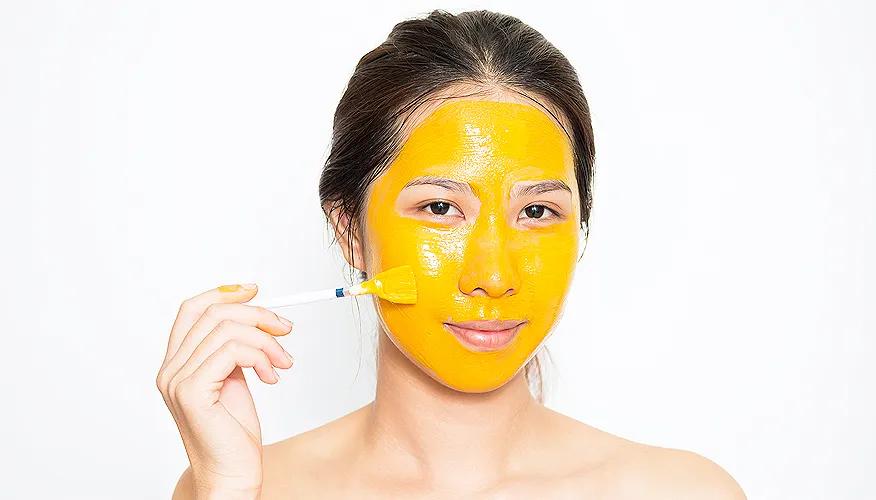
1. Turmeric and Rice Flour Mask (Thailand, Indonesia)
Ingredients:
- 1 tbsp rice flour
- ½ tsp turmeric powder
- 1 tsp honey or plain yogurt
How to Make:
Mix all ingredients into a smooth paste. Apply evenly on the face and leave for 15–20 minutes. Rinse with lukewarm water.
Benefits:
Brightens skin, reduces acne, and fades scars due to turmeric’s anti-inflammatory and antibacterial properties.
Why It’s Trending:
It combines traditional Asian ingredients known for enhancing glow and reducing blemishes naturally.
2. Papaya Face Mask (Philippines, Malaysia)
Ingredients:
- 2 tbsp mashed ripe papaya
- 1 tsp honey
- A few drops of lemon juice (optional)
How to Make:
Blend ingredients into a smooth mixture. Apply to the face and leave on for 15 minutes before rinsing off.
Benefits:
Acts as a natural exfoliator, helps lighten pigmentation, and clears dead skin cells.
Why It’s Trending:
Papaya is tropical, affordable, and a natural source of papain enzyme, making it a popular DIY skincare solution.
3. Jamu-Inspired Mask (Indonesia)
Ingredients:
- ½ tsp turmeric powder
- 1 tbsp tamarind paste
- 1 tsp honey
How to Make:
Combine all ingredients well. Apply on the face for 10–15 minutes, then rinse with warm water.
Benefits:
Detoxifies skin, reduces inflammation, and improves skin tone.
Why It’s Trending:
Rooted in Indonesia’s centuries-old herbal Jamu tradition, this mask is gaining popularity for its holistic skin benefits.
4. Banana and Coconut Milk Mask (Sri Lanka, Coastal SEA)
Ingredients:
- ½ ripe banana
- 1 tbsp coconut milk
How to Make:
Mash banana and mix with coconut milk to form a creamy paste. Apply and leave on for 15–20 minutes before rinsing.
Benefits:
Deeply hydrates dry skin and provides vitamins A, C, and E for skin nourishment.
Why It’s Trending:
Uses simple, tropical ingredients available in most Southeast Asian kitchens.
5. Neem and Honey Mask (Kenya, Tanzania)
Ingredients:
- Fresh neem leaves (or 1 tsp neem powder)
- 1 tbsp raw honey
How to Make:
Grind neem leaves into a paste or use powder. Mix with honey. Apply to face and leave for 15 minutes, then rinse.
Benefits:
Clears acne, soothes inflamed skin, and fights bacteria.
Why It’s Trending:
Neem is a staple in African natural medicine, now celebrated globally for acne treatment.
6. Baobab Powder Mask (Tanzania, Malawi)
Ingredients:
- 1 tsp baobab powder
- 1 tbsp yogurt or aloe vera gel
How to Make:
Mix into a paste. Apply evenly to the face and let sit for 15 minutes before rinsing.
Benefits:
Anti-aging, antioxidant-rich, and rejuvenating for dull skin.
Why It’s Trending:
Baobab is dubbed a "superfruit" in modern beauty circles, but it has been cherished in African skincare for generations.
7. Avocado and Oatmeal Mask (Uganda, Kenya)
Ingredients:
- ¼ ripe avocado
- 1 tbsp ground oats
- A few drops of olive oil
How to Make:
Mash avocado, mix with oats and oil. Apply to face, leave on for 15–20 minutes, then rinse.
Benefits:
Hydrates, soothes irritation, and nourishes skin with natural fats and vitamins.
Why It’s Trending:
Combines rich, skin-friendly fats with exfoliation, ideal for dry and sensitive skin types.
8. Clay and Aloe Vera Mask (Rift Valley & Coastal Areas)
Ingredients:
- 1 tbsp natural clay (like bentonite or multani mitti)
- 1 tbsp fresh aloe vera gel
How to Make:
Mix both ingredients to form a paste. Apply to the face, let dry for 10–15 minutes, and rinse off.
Benefits:
Detoxifies pores, controls excess oil, and soothes the skin.
Why It’s Trending:
Blends ancient volcanic clays with aloe, a plant widely used in African homes for skin healing.
DIY Facial Mask Recipes
If you're into DIY skincare, you can try these easy and effective facial mask recipes at home:
1. Honey and Lemon Mask
The honey and lemon mask is great for brightening your skin. Simply mix 1 tablespoon of honey with 1 teaspoon of lemon juice. Apply the mixture to your face and leave it on for 10-15 minutes, then rinse with warm water. Honey acts as a humectant, drawing moisture into the skin, while lemon brightens and evens out skin tone. This combination makes your skin glow and feels refreshed.
2. Oatmeal and Yogurt Mask
This soothing mask uses 2 tablespoons of ground oats and 2 tablespoons of plain yogurt. Combine the ingredients to form a paste and apply it to your face, leaving it on for 10-15 minutes before rinsing with lukewarm water. The oatmeal gently exfoliates and calms irritated skin, while yogurt provides hydration, leaving your skin feeling soft and smooth. This mask is perfect for sensitive or dry skin.
3. Avocado and Honey Mask
To hydrate and nourish dry skin, mash half an avocado and mix it with 1 tablespoon of honey. Apply the paste to your face and leave it on for 10-15 minutes before rinsing with warm water. Avocado is rich in healthy fats and vitamins, making it a powerful moisturizer, while honey helps retain moisture and gives the skin a healthy glow.
4. Cucumber and Aloe Vera Mask
For a cooling and refreshing effect, blend half a cucumber and mix it with 1 tablespoon of aloe vera gel. Apply the mixture to your face and let it sit for 10-15 minutes. The cucumber cools and hydrates, while aloe vera provides soothing and healing properties, making this mask ideal for irritated or sunburned skin.
5. Turmeric and Yogurt Mask
Mix 1 teaspoon of turmeric powder with 2 tablespoons of yogurt to create a paste. Apply it to your face and leave it on for about 10 minutes before rinsing with warm water. This mask has anti-inflammatory properties thanks to turmeric, which helps reduce redness and irritation, while yogurt nourishes and hydrates the skin, leaving it looking brighter.
6. Banana and Honey Mask
Mash half a ripe banana and mix it with 1 tablespoon of honey to create a hydrating and brightening mask. Apply the mixture to your face and leave it on for 10-15 minutes before rinsing with warm water. The banana provides vitamins that help to smooth and hydrate, while honey locks in moisture and helps with skin regeneration.
7. Green Tea and Honey Mask
Brew a cup of green tea and let it cool slightly. Once cooled, steep 1 green tea bag in a small bowl of water and mix the tea with 1 tablespoon of honey to create a paste. Apply the mask to your face and leave it on for 15 minutes before rinsing with warm water. Green tea is packed with antioxidants, helping to fight signs of aging and promote healthy skin, while honey hydrates and heals.
8. Clay and Apple Cider Vinegar Mask
For a deep cleanse, mix 1 tablespoon of bentonite clay with 1 tablespoon of apple cider vinegar to form a paste. Apply it to your face and allow it to dry for 10-15 minutes, then rinse off with warm water. The clay absorbs excess oil and toxins, while apple cider vinegar balances the skin’s pH and tightens pores, making this mask perfect for oily or acne-prone skin.
9. Strawberry and Honey Mask
Mash 3 ripe strawberries and mix them with 1 tablespoon of honey to make a natural exfoliating mask. Apply the mixture to your face and leave it on for 10-15 minutes before rinsing off. Strawberries contain natural alpha-hydroxy acids (AHAs) that help to exfoliate dead skin cells, while honey hydrates and softens the skin, revealing a bright and smooth complexion.
10. Papaya and Honey Mask
Mash 2 tablespoons of ripe papaya and mix it with 1 tablespoon of honey. Apply the paste to your face and leave it on for 15 minutes before rinsing with lukewarm water. Papaya is rich in enzymes that help to exfoliate and remove dead skin cells, while honey provides moisture and promotes healing, resulting in smoother, brighter skin.
11. Cocoa and Coconut Oil Mask
Mix 1 tablespoon of cocoa powder with 1 tablespoon of coconut oil to create a hydrating mask. Apply the mixture to your face and leave it on for 15 minutes before rinsing with warm water. Cocoa is rich in antioxidants that help to protect and repair the skin, while coconut oil provides deep hydration and nourishment, leaving the skin feeling soft and smooth.
12. Carrot and Honey Mask
Boil a small carrot until soft and mash it into a smooth paste. Mix the mashed carrot with 1 tablespoon of honey, then apply it to your face and leave it on for 10-15 minutes before rinsing with warm water. Carrots are packed with Vitamin A, which helps to rejuvenate and brighten the skin, while honey hydrates and nourishes, giving your skin a healthy glow.
13. Lemon and Sugar Scrub Mask
Mix 1 tablespoon of lemon juice with 1 tablespoon of sugar to create a natural exfoliating scrub. Gently massage the mixture onto your face in circular motions for 2-3 minutes, then rinse with lukewarm water. The sugar exfoliates and removes dead skin cells, while lemon brightens and refreshes your complexion, leaving your skin smooth and glowing.
14. Tomato and Yogurt Mask
Mix 1 tablespoon of tomato juice with 2 tablespoons of plain yogurt to create a paste. Apply the mixture to your face and leave it on for 10-15 minutes before rinsing with warm water. The acidity in tomatoes helps reduce excess oil, while yogurt hydrates and softens, making this mask ideal for those with oily or combination skin.
15. Chia Seed and Aloe Vera Mask
Soak 1 tablespoon of chia seeds in water for about 10 minutes, then mix the chia gel with 2 tablespoons of aloe vera gel. Apply the mask to your face and leave it on for 10-15 minutes before rinsing with cool water. The chia seeds provide hydration and antioxidants, while aloe vera soothes and repairs, leaving your skin feeling calm and refreshed.
16. Cucumber and Yogurt Mask
The Cucumber and Yogurt Mask is an excellent option for soothing and hydrating the skin. To make it, blend half a cucumber and mix it with 2 tablespoons of plain yogurt to create a smooth paste. Apply the mixture to your face and leave it on for 10-15 minutes before rinsing with cool or lukewarm water. Cucumber is known for its cooling and hydrating properties, making it ideal for calming irritated or sunburned skin. The yogurt, on the other hand, provides deep moisture and helps to soothe and nourish the skin, leaving it feeling refreshed and smooth. This mask is perfect for sensitive or tired skin, offering a gentle, calming effect.
Remember to do a patch test before applying any DIY mask to your face to ensure you don't have an adverse reaction.
Conclusion
Glowing skin, the natural way, isn’t just a trend — it’s tradition. Whether it’s the age-old jamu rituals from Southeast Asia or neem blends passed down through East African homes, the face mask benefits rooted in local wisdom are both timeless and powerful.
In a world filled with synthetic solutions, going back to natural, homemade masks reminds us that skincare doesn't need to be complicated or expensive. It's about nourishing your skin with what nature already offers.
So, next time your skin needs a pick-me-up, reach for that papaya, turmeric, or baobab powder and indulge in a little self-care that's as good for your soul as it is for your skin.
Meet our expert
.webp&w=1920&q=75)
Meet our expert
She holds a Bachelor of Science (Hons) in Dietetics with Nutrition from International Medical University (IMU) and became a registered dietitian in 2025. She is dedicated to providing evidence based and individualized Medical Nutrition Therapy (MNT) to help individuals make informed health decisions.



How was the experience with article?
We'd love to know!