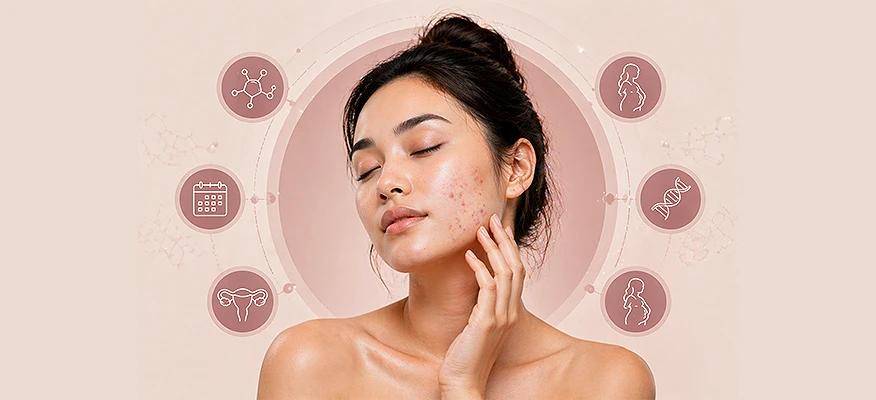
Acne that keeps coming back, especially along the chin, jawline, or lower face, is often more than just a skincare issue. So, what is hormonal acne? Hormonal acne is a type of Acne vulgaris triggered by fluctuations in hormones that increase oil production, clog pores, and lead to deeper, more persistent breakouts.
According to guidance aligned with the American Academy of Dermatology, hormonal changes during puberty, menstrual cycles, pregnancy, or conditions like Polycystic Ovary Syndrome are common triggers. These breakouts often follow a pattern—appearing at the same time each month and taking longer to heal than typical acne.
For many women across Southeast Asia and Africa, this can feel frustrating and difficult to manage, especially when regular skincare doesn’t seem to work.
In simple terms, hormonal acne starts from within, which means treating it effectively requires more than just surface-level solutions. Understanding the cause is the first step toward clearer, more balanced skin.
What is hormonal acne?

Hormonal acne refers to breakouts in adults that are directly triggered by fluctuations in your hormone levels. When your hormones shift, whether due to your menstrual cycle, pregnancy, or other life changes, they signal your sebaceous glands to produce excess sebum (oil). This extra oil mixes with dead skin cells and clogs your pores, creating the perfect environment for bacteria to thrive and causing those frustrating pimples that range from small blackheads to large, painful cysts.
Think of your skin as a garden that responds to seasonal changes. Just as plants react to weather patterns, your skin responds to the hormonal "seasons" in your body. When hormone levels spike, it's like a sudden rainstorm that can flood the garden - in this case, flooding your pores with oil.
Who does hormonal acne affect?
Hormonal acne primarily affects women aged 20-50, especially during their reproductive years. If you're a busy professional juggling work deadlines with family responsibilities, you're in the age group most likely to experience these hormone-driven breakouts.
You're more likely to develop hormonal acne if you:
- Are going through your menstrual cycle
- Recently stopped or started birth control
- Are pregnant or breastfeeding
- Are approaching or going through menopause
- Have a family history of adult acne
- Live in humid climates common in urban areas
Men can also experience hormonal acne, though it's less common and usually occurs during puberty or when using certain medications.
The role of hormones in acne formation
Your skin is like a complex ecosystem that responds to chemical messengers called hormones. The main players in acne formation are androgens - hormones like testosterone, DHEA, and DHT. These hormones act like an accelerator pedal for your oil glands, telling them to ramp up sebum production.
On the flip side, estrogens work like a brake pedal, helping to counteract androgen effects and keeping oil production in check. When this delicate balance gets disrupted - say, right before your period when estrogen drops - androgens take the wheel, leading to increased oil production and potential breakouts.
How common is hormonal acne?
If you're dealing with adult acne, you're definitely not alone. Hormonal acne is incredibly common, especially among women in their twenties, thirties, and forties. Many women who had clear skin as teenagers find themselves surprised by breakouts that appear later in life.
The prevalence is particularly high among women who:
- Are still menstruating regularly
- Have conditions like PCOS (Polycystic Ovary Syndrome)
- Are experiencing major life transitions
- Live in urban environments with higher stress levels
What is fungal acne vs hormonal acne?
While both can cause frustrating breakouts, these are two completely different skin conditions. Hormonal acne results from hormone-driven excess oil production that leads to bacterial overgrowth in clogged pores. The bumps are typically red, inflamed, and often painful.
Fungal acne, on the other hand, is caused by an overgrowth of yeast in hair follicles. These breakouts usually appear as small, uniform bumps that may be itchy rather than painful. Understanding the difference is crucial because what treats hormonal acne might actually make fungal acne worse.
What causes hormonal acne?
Understanding what triggers hormonal acne can help you better manage and prevent breakouts. The primary culprits include:
- Hormonal fluctuations:
- Monthly menstrual cycle changes
- Pregnancy and postpartum periods
- Starting or stopping birth control pills
- Menopause transition
- Medical conditions:
- PCOS (Polycystic Ovary Syndrome)
- Hypothyroidism
- Insulin resistance
- Medications:
- Certain birth control methods
- Corticosteroids
- Some antidepressants
- Genetic factors:
- Family history of adult acne
- Sensitivity to hormone fluctuations
Signs of hormonal acne
Unlike random pimples, hormonal acne has distinct patterns and characteristics.
- Location patterns:
- Concentrated along the chin and jawline
- May extend to the neck and lower cheeks
- Often appears in a "U-shape" around the lower face
- Types of breakouts:
- Deep, painful cysts and nodules
- Red, inflamed lesions
- Blackheads and whiteheads
- Bumps that take weeks to heal
- Timing patterns:
- Worsens 7-10 days before menstruation
- Improves after your period starts
- Flares during times of stress or major life changes
What can make hormonal acne worse?
Several factors can trigger or worsen your hormonal acne breakouts. Being aware of these triggers helps you make informed choices about your daily routine.
- Environmental factors:
- High humidity and heat
- Excessive sweating without proper cleansing
- Air pollution in urban areas
- Product-related triggers:
- Heavy, comedogenic skincare products
- Greasy hair products that transfer to your face
- Over-washing or using harsh scrubs
- Lifestyle factors:
- Chronic stress and poor sleep
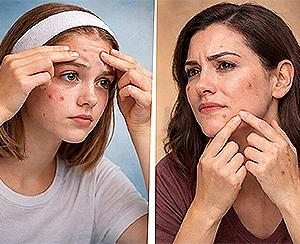
- Touching or picking at your face
- Certain medications or supplements
How do I know if I have hormonal acne?
Determining whether you have hormonal acne involves looking at patterns in your breakouts and considering your overall health picture.
Ask yourself these questions:
- Do your breakouts worsen around your menstrual cycle?
- Are the pimples concentrated on your lower face, chin, and jawline?
- Did your acne start or worsen after age 25?
- Do you have other symptoms like irregular periods or excessive hair growth?
- Have you recently changed birth control methods?
If you answered yes to several of these questions, you're likely dealing with hormonal acne. However, consulting with a healthcare provider or dermatologist can provide a definitive diagnosis and help rule out other conditions.
How to treat hormonal acne
Effective hormonal acne treatment typically involves a multi-pronged approach that addresses both the hormonal triggers and the surface-level symptoms.
- Topical treatments:
- Retinoids to unclog pores and reduce inflammation
- Benzoyl peroxide to kill acne-causing bacteria
- Salicylic acid to exfoliate and unclog pores
- Azelaic acid to reduce inflammation and bacteria
- Oral medications:
- Tretinoins: e.g. Isotretinoin which is a prescription only medicine
- Antibiotics for bacterial control (short-term use)
- Hormonal therapies like birth control pills
- Spironolactone to block androgen effects
- Anti-androgen medications for severe cases
- Professional treatments:
- Cortisone injections for painful cysts
- Chemical peels for ongoing maintenance
- Light therapy for inflammation reduction
Skincare for hormonal acne

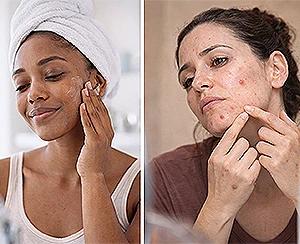
Creating an effective skincare routine for hormonal acne requires gentle yet consistent care. Your skin is already dealing with inflammation, so harsh treatments can make things worse.
Morning routine:
- Wash with a gentle, non-comedogenic cleanser
- Use a lightweight, oil-free moisturizer
- Pack with a broad-spectrum sunscreen (SPF 30+)
Evening routine:
- Double cleanse if wearing makeup
- Use treatment products (retinoid or prescribed medication)
- End with a hydrating, non-comedogenic moisturizer
Weekly additions:
- Gentle exfoliation with salicylic acid
- Clay masks for oil control (1-2 times per week)
Key principles:
- Use products labeled "non-comedogenic"
- Introduce new treatments gradually
- Be consistent with your routine
- Avoid over-cleansing or harsh scrubbing
Natural remedies for hormonal acne
While natural remedies shouldn't replace proven medical treatments, some can complement your skincare routine and support overall skin health.
Dietary support:
- Omega-3-rich foods like salmon and walnuts for anti-inflammatory effects
- Antioxidant-rich fruits and vegetables
- Probiotic foods for gut health support
Herbal options:
- Green tea as a gentle anti-inflammatory drink or topical treatment
- Spearmint tea for potential anti-androgen effects
- Turmeric for its anti-inflammatory properties
Essential oils for hormonal acne:
- Tea tree oil (diluted) for antibacterial properties
- Lavender oil for stress reduction and gentle antiseptic effects
Remember, natural doesn't mean risk-free. Always patch-test new ingredients and consult with a healthcare provider before making significant changes to your routine.
How does diet impact hormonal acne?
Your hormonal acne diet plays a supporting role in managing breakouts, though it's not a cure-all solution.
Foods that may help:
- Low-glycemic foods to help stabilize blood sugar
- Anti-inflammatory foods like leafy greens and berries
- Zinc-rich foods such as pumpkin seeds and legumes
- Foods high in omega-3 fatty acids
Potential triggers to monitor:
- High-glycemic foods that spike blood sugar
- Dairy products (some people find these trigger breakouts)
- Excessive caffeine or alcohol
The key is finding what works for your individual body. Consider keeping a food and skin diary to identify potential personal triggers.
When to see a dermatologist
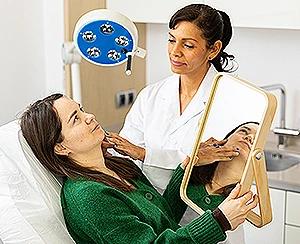
Knowing when to seek professional help can save you time, frustration, and potential scarring. Don't wait until your acne becomes severe - early intervention often leads to better outcomes.
See a dermatologist if:
- Over-the-counter treatments haven't helped after 6-8 weeks
- You're developing scarring or dark spots
- Your acne is affecting your self-confidence and daily life
- You have signs of hormonal imbalances (irregular periods, excessive hair growth)
- Your breakouts are severe or getting worse
Conclusion
Dealing with hormonal acne can feel impossible, especially when you're managing a busy life filled with work and family responsibilities. But remember that this common condition affects millions of women, and effective treatments are available. The key to how to treat hormonal acne successfully lies in understanding your unique triggers, maintaining a consistent skincare routine, and working with healthcare professionals when needed.
By combining proven treatments with healthy lifestyle habits and patience, you can take control of your hormonal acne and feel confident in your skin again. Your journey to clearer skin starts with that first step - and you've already taken it by learning about your condition.
Meet our expert

Meet our expert
Dr Sylvia Kama-Kieghe is a UK-based General Practitioner with a special interest in Women's Health and founder of Askawayhealth. She's also a tutor and medical student examiner. She is a Fellow of the Royal College of General Practitioners (FRCGP), Fellow of the Royal Society of Public Health (FRSPH), Fellow of the Royal Society of Medicine (FRSM), and holds a Diploma of the Faculty of Sexual and Reproductive Healthcare (DFSRH).
How was the experience with article?
We'd love to know!