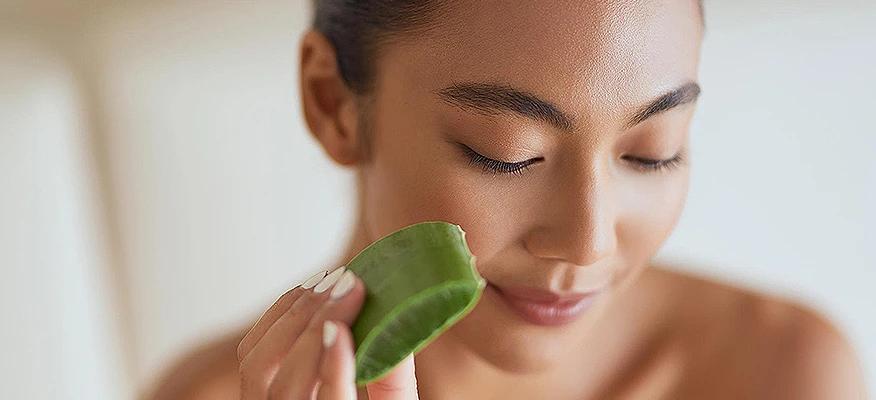
Acne may heal, but the marks it leaves behind can take longer to fade—often becoming a daily reminder every time you look in the mirror. For many, the instinct is to look for quick fixes or strong treatments. But what if improving your skin could start with simple, natural remedies you can use at home?
The truth is, not all acne scars need intensive procedures. In many cases—especially with mild marks or uneven skin tone: consistent care, the right ingredients, and patience can make a visible difference over time.
That said, “natural” doesn’t mean random. Ingredients like aloe vera, honey, turmeric, and green tea have been traditionally used across Southeast Asia and East Africa; not just for skincare, but for their soothing and skin-repairing properties.
Today, research continues to explore these benefits. For example, findings supported by the National Institutes of Health highlight aloe vera’s role in supporting wound healing, while studies published in the Journal of Clinical and Aesthetic Dermatology discuss how natural compounds like honey and green tea may help reduce inflammation and support skin recovery.
Still, what matters most is using the right remedies the right way. Natural approaches can support skin healing, but expecting overnight results or overusing certain ingredients can do more harm than good.
In this article, we break down the top 10 home remedies to help reduce acne scars naturally, along with how they work and when to use them, so you can take a more informed, consistent approach to clearer-looking skin.
Understanding acne scars
Acne scars aren't surface-level marks. They're the result of your skin's complex healing process gone awry. When moderate to severe acne creates deep inflammation, your skin tries to repair itself by producing collagen. Sometimes, though, this process doesn't go as planned.
Think of it like trying to patch a hole in fabric. If you use too little thread, you get a depression. If you use too much, you create a raised bump. Your skin faces the same challenge when healing from acne lesions.
This scarring process is particularly common if you've dealt with cystic acne or picked at your skin (we've all been there!). Women in humid climates across Southeast Asia and East Africa often notice that their scars take longer to heal due to the moisture and heat, which can prolong the inflammation process. The key thing to remember is that acne scars form because your skin was working hard to heal itself.
Common types of acne scars

Knowing which type of acne you're dealing with helps you choose the most effective natural acne scar treatment approach.
Atrophic scars
Atrophic scars make up about 80-90% of all acne scars and appear as depressions in your skin:
- Ice pick scars: These narrow, deep scars look like tiny holes punctured by an ice pick. They're the most common type, making up 60-70% of atrophic scars. If you run your finger over your skin and feel small, sharp indentations, these are likely ice picks.
- Boxcar scars: Wider than ice picks (about 2-4 mm), these have sharp, defined edges that create a box-like appearance. They account for 20-30% of atrophic scars and often appear on the temples and cheeks.
- Rolling scars: These create a wave-like appearance across your skin, like gentle hills and valleys. They're caused by fibrous tissue that pulls the skin downward, creating that characteristic rolling texture.
Hypertrophic and keloid scars
Hypertrophic and keloid scars are raised above the skin surface due to excess collagen production.
While less common on the face, they're more frequent in people with darker skin tones and those genetically predisposed to keloid formation.
10 natural ways to remove acne scars
The beauty of natural remedies lies in their accessibility and gentleness.
While the scientific evidence for these treatments is still developing, many women have found success incorporating these kitchen staples into their skincare routine. Remember, consistency is key: most natural treatments need 4-8 weeks of regular use to show results.
1. Aloe vera gel
- Fresh aloe vera contains polysaccharides that may help boost collagen production. Apply pure gel from the plant directly to your scars daily.
- It's particularly soothing in hot, humid climates where skin can feel irritated and inflamed.
2. Raw honey
- Honey's antibacterial and moisturizing properties make it excellent for healing and fading post-inflammatory hyperpigmentation.
- Apply as a mask 2-3 times weekly, leaving it on for 15-20 minutes before rinsing with warm water.
3. Diluted lemon juice
The vitamin C in lemon juice can help brighten dark spots left behind by acne. Mix one part lemon juice with two parts water and apply with a cotton pad. Use only 1-2 times weekly and always follow with sunscreen, as citrus can make your skin photosensitive.
4. Rosehip oil
Rich in vitamins A and C, rosehip oil supports skin regeneration and is particularly effective for rolling and boxcar scars. Massage a few drops into clean skin every night before bed.
5. Coconut oil
The lauric acid in coconut oil provides gentle exfoliation while deeply moisturizing scarred skin. This is especially beneficial in tropical climates where humidity can sometimes leave skin feeling sticky rather than hydrated.

6. Apple cider vinegar toner
Dilute apple cider vinegar with three parts water to create a gentle toner. The natural alpha hydroxy acids help exfoliate dead skin cells, potentially reducing the appearance of shallow ice pick scars.
7. Turmeric and yogurt paste
Mix a teaspoon of turmeric powder with two tablespoons of plain yogurt. Turmeric's anti-inflammatory properties, combined with yogurt's lactic acid, create a gentle treatment that's been used traditionally across South Asia for skin healing.
8. Diluted tea tree oil
Mix a few drops of tea tree oil with a carrier oil like jojoba or sweet almond oil. This antimicrobial treatment helps prevent new breakouts while supporting the healing of existing scars.
9. Fresh potato juice
Slice a potato and rub the cut surface directly onto your scars. The enzymes and vitamin C in potatoes may help fade discoloration over time. It's a surprisingly effective natural way to get rid of acne scars that costs almost nothing.
10. Shea butter
Pure shea butter provides intense hydration and contains fatty acids that support skin barrier repair. This is particularly valuable for those prone to keloid formation, as keeping the skin well-moisturized can help prevent excessive scar tissue formation.
However, please remember that while home remedies for acne scars work best on shallow scars and pigmentation, deeper scars may need a combination approach.
Additional tips for preventing and reducing acne scars
The best natural acne scar treatment is prevention. Here are practical strategies to minimize future scarring while supporting your current healing process:
- Protect your skin from the sun religiously. UV exposure can darken existing scars and slow healing. Use broad-spectrum SPF 30+ daily. This is especially crucial if you're using any of the natural peeling treatments like lemon juice or apple cider vinegar.
- Resist the urge to pick or squeeze. This is easier said than done, especially when dealing with stress or humid weather that seems to aggravate your skin. Keep your hands busy with a stress ball or fidget toy, and maintain short, clean nails.
- Stay hydrated and eat skin-supporting foods. Include plenty of vitamin C-rich fruits like guavas, oranges, and tomatoes, which are readily available across tropical regions. Vitamin A from sweet potatoes, carrots, and leafy greens also supports skin repair.
- Be gentle with exfoliation. Natural doesn't always mean mild. Some home remedies can be quite potent. Start with a once or twice weekly application and watch how your skin responds.
- Manage stress levels. Chronic stress can worsen inflammation and slow healing. Whether it's through yoga, meditation, or simply taking evening walks, find stress management techniques that work for your lifestyle.
Conclusion
Learning how to remove acne scars naturally empowers you to take control of your skin's healing journey using accessible, affordable ingredients. While these natural ways to remove acne scars require patience and consistency, they offer a gentle approach that works with your skin's natural processes rather than against them.
Remember that natural remedies work best on mild scarring and pigmentation. For deeper, more extensive scarring, consider combining these home treatments with professional guidance. Your skin has already shown its incredible ability to heal; these natural approaches simply give it the extra support it deserves.
Start with one or two remedies that appeal to you most, patch-test first, and be patient with the process. Beautiful skin is a journey, and every small step toward healing counts.
Meet our expert

Meet our expert
Dr. Inna Anatolyivna Kirilyuk graduated from Vinnytsia National Medical University in 2008, marking the inception of her remarkable journey in healthcare. Following her graduation, Dr. Kirilyuk embarked on a path of continuous learning and specialization.
How was the experience with article?
We'd love to know!