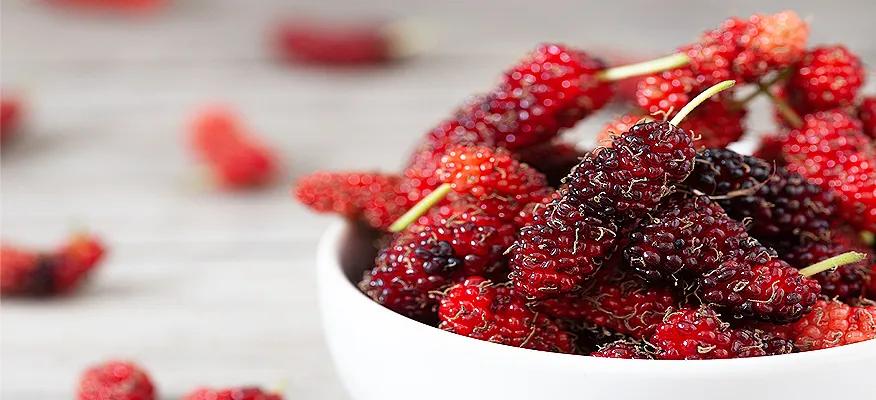
You know that moment when you catch your reflection and notice yet another dark spot or feel your skin looking dull despite your best efforts? Between juggling work deadlines and family responsibilities, finding time for an elaborate skincare routine feels impossible.
But what if nature had already provided a gentle, effective solution that's been hiding in plain sight? The humble mulberry, with its impressive mulberry benefits for skin, might just be the natural skincare ally you've been searching for.
What is mulberry?
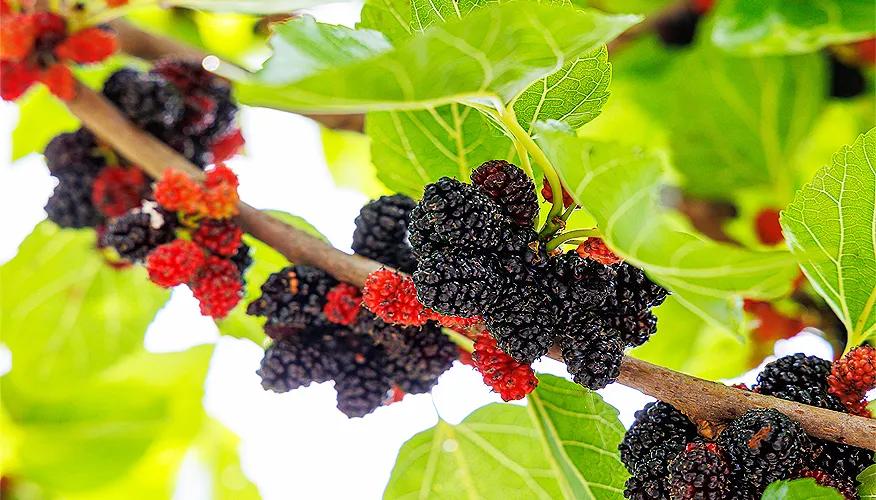
Mulberry belongs to the Morus genus—a family of deciduous trees that have quietly been working their magic across warm-temperate and subtropical regions of Asia and Africa. Think of these trees as nature's skincare laboratories, where every part serves a purpose.
The mulberry tree produces more than just sweet, juicy berries. Its fruit, leaves, and even bark contain a treasure trove of compounds that have made them valuable in traditional medicine and food systems across cultures. From ancient Chinese medicine to modern skincare formulations, mulberry has earned its reputation as a gentle yet powerful botanical ingredient.
What makes mulberry particularly special is how accessible it is. Unlike exotic ingredients that cost a fortune, mulberry trees grow abundantly in many regions, making their benefits available to women who want effective, natural skincare without breaking the bank.
Types of mulberry
Not all mulberries are created equal when it comes to skincare benefits. Understanding the different types helps you choose the right products or ingredients for your specific skin needs.
- Morus alba (White mulberry) stands out as the skincare superstar. This variety is widely researched and celebrated for its skin-brightening properties and antioxidant effects. When you see "mulberry extract" on skincare labels, it's often referring to white mulberry.
- Morus nigra (Black mulberry) brings something unique to the table with its rich anthocyanin content. These are the same compounds that give blueberries their deep color and powerful antioxidant punch. For skin, this translates to potent anti-inflammatory benefits that can help calm irritated or acne-prone skin.
- Morus rubra (Red mulberry) is less commonly used in skincare but still contains beneficial phytochemicals. While not as extensively studied as its white and black cousins, it shares many of the same skin-supporting properties.
What makes mulberry good for the skin?
The secret behind mulberry skin benefits lies in its impressive collection of bioactive compounds. Think of these as your skin's personal bodyguards, each with a specific job to keep your complexion healthy and glowing.
- Phenolic compounds and flavonoids act like shields against free radicals—those unstable molecules that damage your skin cells and accelerate aging. Every day, your skin faces an assault from pollution, UV rays, and stress. These compounds help neutralize the damage before it becomes visible.
- Resveratrol and resveratrol glucoside are the same anti-aging compounds found in red wine, but in a form your skin can actually use topically. They work by enhancing your skin's natural antioxidant enzymes, essentially teaching your skin to protect itself better.
- Mulberroside F and oxyresveratrol specifically target tyrosinase, the enzyme responsible for melanin production. By gently inhibiting this enzyme, mulberry can help fade dark spots and prevent new ones from forming—without the harsh side effects of chemical lighteners.
Research studies
The science behind mulberry's skin benefits isn't just folklore—it's backed by solid research that validates what traditional medicine has known for centuries.
Multiple clinical studies have focused on skin lightening and pigmentation. The most compelling evidence comes from a controlled trial involving Filipino women with melasma, a common pigmentation concern in tropical climates. Participants who used 75% Morus alba extract showed a significant reduction in melanin content and improved skin tone—safely and effectively.
Antioxidant and anti-aging research has been equally promising. Animal studies and laboratory research demonstrate that mulberry extracts can increase skin moisture levels, boost hyaluronic acid content, and enhance antioxidant enzyme activity. This trifecta helps skin look plumper, more hydrated, and more resilient against aging.
For women dealing with acne, research shows that mulberry leaf extracts exhibit both anti-inflammatory and antibacterial activity. This dual action helps address acne from multiple angles—reducing the inflammation that causes redness and swelling while fighting the bacteria that contribute to breakouts.
Top mulberry benefits for the skin
Let's look at the top benefits of mulberry for the skin:
Brightening and evening skin tone
One of the most celebrated mulberry benefits for skin is its ability to address hyperpigmentation naturally. Unlike harsh chemical bleaches, mulberry works by gently inhibiting tyrosinase activity, which means it can help fade existing dark spots while preventing new ones from forming.
This makes it particularly valuable for women dealing with post-acne marks, sun spots, or melasma—common concerns in sunny, humid climates.
Powerful antioxidant protection
Your skin faces daily battles against environmental stressors. Mulberry's rich antioxidant profile acts like an invisible shield, neutralizing free radicals before they can cause damage. This protection translates to fewer fine lines, better skin texture, and that healthy glow that comes from truly protected skin.
Deep moisturizing and anti-aging effects
Mulberry doesn't just protect—it actively nourishes. Research shows it can boost your skin's natural hyaluronic acid production, leading to better hydration retention. It also supports collagen synthesis, which means firmer, more youthful-looking skin over time.
Acne relief and inflammation control
The mulberry leaves' benefits for skin include natural anti-inflammatory and antibacterial properties that make them excellent for acne-prone skin. They help calm irritated skin, reduce redness, and create an environment where acne-causing bacteria struggle to thrive.
Soothing for sensitive skin
Despite being potent, mulberry is surprisingly gentle. Its anti-inflammatory compounds help calm redness and discomfort from environmental stressors, making it suitable even for sensitive skin types that typically react to stronger treatments.
How to include mulberry in your skincare routine
Incorporating mulberry into your daily routine doesn't require a complete overhaul of your current regimen. Start simple and build up based on how your skin responds.
- Commercial products offer the most convenient option. Look for serums, creams, or toners that list mulberry extract (particularly Morus alba) among the first few ingredients. These products often combine mulberry with complementary ingredients like vitamin C or niacinamide for enhanced brightening effects.
- DIY approaches can be budget-friendly and effective. Mix mulberry powder with aloe vera gel for a soothing mask, or blend it with yogurt for gentle exfoliation and brightening. Apply these treatments 2-3 times per week for best results.
- Layering strategy: Use mulberry-containing products after cleansing but before heavier moisturizers. If using multiple active ingredients, introduce mulberry gradually to avoid overwhelming your skin.
Mulberries for different skin types
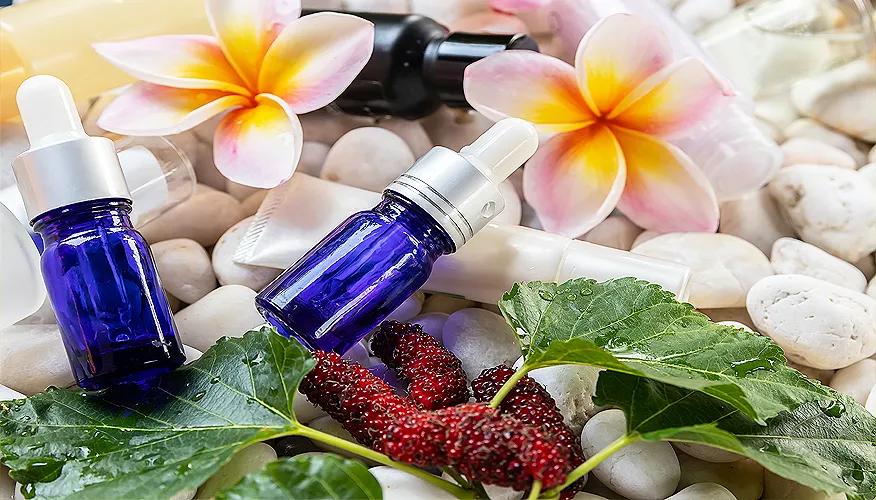
Here is how mulberry can benefit different skin types.
Dry skin
If your skin feels tight and looks dull, mulberry's hydration-boosting properties can help. The extract supports your skin's natural ability to produce and retain moisture, while its antioxidants protect against further damage from environmental stressors.
Oily and acne-prone skin
The antibacterial and anti-inflammatory properties make mulberry excellent for managing excess oil and preventing breakouts. Unlike harsh acne treatments that strip your skin, mulberry works gently to balance your complexion without over-drying.
Mature skin
For women noticing fine lines and loss of firmness, mulberry's collagen-supporting compounds and antioxidant protection can help restore that youthful glow. The skin-brightening effects also help fade age spots and create a more even complexion.
How to make pure mulberry extract powder at home
Creating your own mulberry powder gives you control over quality and freshness—perfect for women who prefer knowing exactly what goes on their skin.
- Collecting process: Start by collecting fresh mulberry leaves or fruits, preferably from Morus alba or nigra varieties. Ensure they're pesticide-free and thoroughly wash them before processing.
- Drying process: Pat the leaves or fruits completely dry, then spread them on clean cloths in a shaded, well-ventilated area. Avoid direct sunlight, which can break down the beneficial compounds you want to preserve.
- Grinding and storage: Once completely dry and crispy, grind the material into a fine powder using a clean spice grinder or high-powered blender. Store in an airtight glass container, away from light and moisture.
This homemade powder can be mixed with water, aloe vera gel, or carrier oils to create custom face masks or spot treatments tailored to your skin's needs.
Precautions when using mulberries on the skin
While mulberry is generally gentle, taking a few precautions ensures you get all the benefits without any unwanted reactions.
- Always patch test new mulberry products or homemade preparations. Apply a small amount to your inner wrist or behind your ear, then wait 24 hours to check for any redness, itching, or irritation.
- Avoid applying mulberry extracts to broken or highly irritated skin, as even natural ingredients can cause stinging or further irritation when your skin barrier is compromised.
- Pregnancy and breastfeeding considerations: While topical use is generally considered safe, consult with your healthcare provider before adding new herbal treatments to your routine during these sensitive times.
- Be mindful when combining mulberry with other active ingredients. Mulberry for skin whitening effects can be enhanced when used with vitamin C or kojic acid, but introduce combinations gradually to avoid overwhelming your skin.
Conclusion
The remarkable mulberry benefits for skin bring together traditional wisdom and modern science, making it an ideal choice for busy women seeking natural, effective skincare solutions. With its gentle yet powerful skin-brightening effects, acne-fighting properties, and ability to protect against environmental damage, mulberry proves that nature often holds the most elegant answers to our beauty concerns.
Mulberry’s versatility allows it to be used in both commercial products and simple DIY treatments, making it suitable for a wide range of skin types and concerns. As you move forward in your skincare journey, remember that consistency matters more than perfection. With mulberry’s gentle yet effective properties, you’re nourishing your skin with exactly what it needs to glow naturally and confidently.
Meet our expert

GHBY Team
GHBY TeamMeet our expert
GHBY Team comprises content writers and content editors who specialise in health and lifestyle writing. Always on the lookout for new trends in the health and lifestyle space, Team GHBY follows an audience-first approach. This ensures they bring the latest in the health space to your fingertips, so you can stay ahead in your wellness game.
How was the experience with article?
We'd love to know!