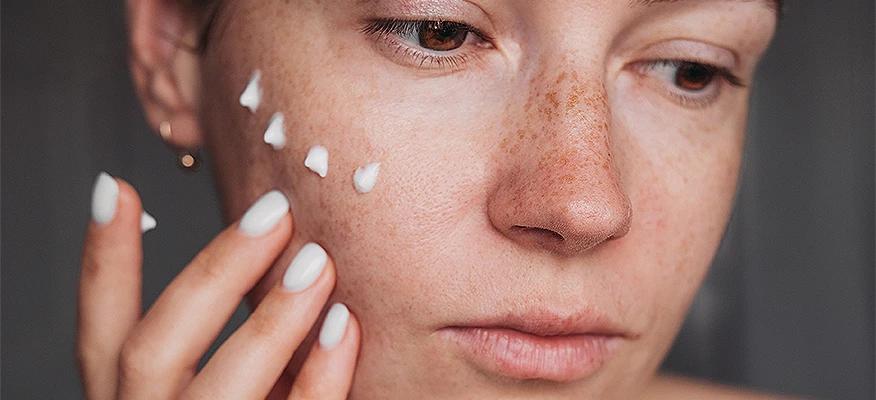
That innocent-looking fairness cream sitting in your skincare drawer might be doing more harm than good. If you've noticed new breakouts after starting a "miracle" skin-lightening product or steroid cream, you could be dealing with steroid acne. This drug-induced form of acne affects thousands of women who unknowingly use corticosteroid-containing products in their quest for clearer, fairer skin.
Steroid acne is a common but often overlooked side effect of using steroid-based creams without proper medical guidance. It typically shows up as sudden, uniform breakouts — small, inflamed pimples across the face, chest, or back—especially after prolonged or unsupervised use of topical steroids.
While these creams are widely used across Southeast Asia and Africa for quick relief from rashes, pigmentation, or even skin lightening, misuse can disrupt the skin’s natural balance and trigger a specific form of Steroid acne.
According to dermatology literature and guidance aligned with bodies like the American Academy of Dermatology, steroid-induced acne behaves differently from regular acne and often worsens if the steroid use continues. What makes it tricky is that the same cream may initially seem to “improve” the skin reducing redness or irritation before causing rebound breakouts that are more persistent and harder to treat.
In simple terms, self-medicating with steroid creams may offer short-term results, but it can lead to long-term skin damage, including acne, thinning, and sensitivity.
Recognising the early signs and knowing when to stop and seek medical advice is key to preventing prolonged skin issues.
What is steroid acne?

Steroid acne is a specific type of drug-induced acne that develops when your skin reacts to corticosteroids, whether they're in oral medications like prednisolone, injections, or topical creams. Unlike your typical teenage breakouts, this condition appears as small, similar-looking inflammatory bumps and pustules, usually on your face, chest, and back.
What makes steroid acne particularly tricky is that it often lacks the typical blackheads and whiteheads you'd expect with regular acne. Instead, you'll see clusters of red, inflamed bumps that seem to appear overnight. The condition is especially common in women who use steroid-containing fairness creams for skin lightening.
The good news is that steroid acne generally improves once you stop using the offending product, though the post-inflammatory marks can linger for months.
How steroid creams trigger acne
Think of your hair follicles as tiny tunnels in your skin. When you apply steroid creams, they mess with the normal process of skin cell renewal inside these tunnels. Corticosteroids alter how your skin cells grow and shed, causing them to clump together and block your pores.
But that's not all. These creams can also:
- Increase oil production: Your skin starts producing more sebum, creating a perfect environment for acne-causing bacteria
- Change your skin's microbiome: The balance of good and bad bacteria on your skin gets disrupted
- Suppress local immunity: Your skin's natural defense system weakens, making it easier for inflammatory bacteria to thrive
The stronger the steroid cream and the longer you use it (especially on your face), the higher your chances of developing steroid acne. Many fairness creams popular in urban markets contain hidden potent steroids, which explains why so many women experience unexpected breakouts when trying to achieve that coveted "glow."
Risks of self-medication with steroid creams
The meaning of self-medication goes beyond just treating yourself. It's about making decisions that can have serious consequences for your skin health. When it comes to steroid creams, the risks of self-medication are particularly alarming.
A study from Karachi found that 83.6% of women using topical steroids and fairness creams developed acne, making it the most common side effect. But steroid acne is just the tip of the iceberg. By self-medicating, you are taking matters into your own hands, and here's what that can lead to:
Immediate skin damage:
- Persistent redness and visible blood vessels on your face
- Skin thinning that makes you bruise easily
- Unwanted facial hair growth
- Stretch marks from prolonged use
Hidden dangers:
- Masking serious skin infections or conditions
- Potential absorption into your bloodstream, affecting blood sugar and blood pressure
- Creating a dependency where your skin looks worse every time you try to stop
The self-medication syndrome becomes a vicious cycle of using the cream for quick results, stopping it when symptoms improve, experiencing worsening skin, and then using more cream again.
Overusing skincare products: An added risk
Beyond steroid misuse, the modern skincare obsession has created another pathway to skin problems. Many women, especially in urban and semi-urban areas, layer multiple products in pursuit of perfect skin, unknowingly increasing their acne risk factors. Here's what happens when social media skincare trends are blindly followed:
- Barrier damage: Too many harsh cleansers, scrubs, and treatments can damage your skin's protective barrier
- Comedogenic overload: Heavy moisturizers and certain cosmetic ingredients can clog your pores
- Product interactions: Mixing multiple active ingredients can cause irritation that looks like acne
Women exposed to aggressive marketing for fairness, anti-aging, and anti-acne products often mix several creams and serums, thinking they're being thorough with their skincare. Unfortunately, this approach frequently backfires, leaving them wondering, "Why is my acne getting worse?" despite their efforts.
Why is steroid acne common on the face
Your face bears the brunt of steroid acne for several reasons. It's where most people apply fairness creams, and facial skin is thinner and more absorbent than skin elsewhere on your body. This means topical steroids penetrate more deeply and act more aggressively. Cultural factors play a huge role, too. In many communities, fair, blemish-free facial skin is associated with beauty and social acceptance. This pressure leads women to apply steroid-containing products daily, often without knowing what they contain.
The face is also where you're most likely to layer multiple products: makeup, sunscreen, moisturizers, and treatment creams. When one of these contains hidden steroids, the humid climate and daily sweating make follicular blockage even more likely. That's why you might notice the effects of steroids on the face more prominently than on other parts of your body.
How steroid acne differs from regular acne
Understanding the difference between steroid acne and regular acne can help you identify the culprit behind your breakouts. While regular acne develops gradually due to hormones, genetics, and lifestyle factors, steroid acne appears suddenly after starting corticosteroids.
Regular acne presents with a mix of blackheads, whiteheads, and inflamed bumps in various stages. Steroid acne, however, shows up as similar-looking inflammatory bumps without the typical comedones. The distribution is also different; steroid acne often affects the chest and back, along with the face.
The timeline tells the story: if your acne flare-up coincided with starting a new cream or medication, steroid acne is likely the culprit. Regular acne tends to be chronic and influenced by your menstrual cycle, stress, and diet.
When to seek professional help for steroid acne
Don't wait until the damage becomes permanent. Seek help if you notice new or rapidly worsening acne after starting any steroid product. Other red flags include persistent facial redness, visible blood vessels, obvious skin thinning, or unwanted facial hair growth.
If you're asking yourself, "Why does my acne keep coming back?" despite stopping suspected products, or if symptoms rebound severely when you try to quit, it's time for professional intervention. Pregnant women or those planning pregnancy should be especially cautious, as some acne treatments aren't safe during pregnancy.
Remember, how to prevent acne breakouts often starts with identifying and eliminating the cause, and sometimes that cause is sitting right in your medicine cabinet.
Safe alternatives to self-medication

Instead of reaching for that tempting quick-fix cream, consider evidence-based alternatives. For skin lightening, options like azelaic acid, niacinamide, and vitamin C are much safer than steroid-containing fairness creams, and they are dermatologist-approved.
For acne treatment:
- Topical retinoids like adapalene for comedones and prevention
- Benzoyl peroxide to reduce bacteria
- Short-term oral antibiotics for severe cases, always combined with topical treatments
Simple routine basics:
- Gentle, non-comedogenic cleanser twice daily
- Oil-free moisturizer suitable for your skin type
- Broad-spectrum sunscreen designed for darker skin tones
How to avoid acne often comes down to keeping things simple. Instead of wondering whether makeup causes acne or can moisturizer cause acne, focus on using fewer, better-quality products that won't clog your pores.
Can steroid acne be treated?
The encouraging news is that steroid acne is highly treatable once you stop the offending product. The key is gradual withdrawal, as suddenly stopping potent steroid creams can cause rebound flares, so sometimes switching to a lower-potency option first helps minimize this effect.
Treatment typically follows standard acne management protocols using topical retinoids and benzoyl peroxide. For extensive inflammatory lesions, short courses of oral antibiotics may be necessary. The key is addressing both the acne and any complications from steroid misuse.
How to prevent pimples or acne in the future involves understanding acne risk factors and avoiding steroid-containing products. With proper treatment and patience, most women see significant improvement, though post-inflammatory marks may take longer to fade, especially on darker skin.
Conclusion
Steroid acne serves as a powerful reminder that when it comes to skincare, shortcuts often lead to setbacks. The widespread misuse of steroid-containing fairness creams has made this condition increasingly common among women seeking quick cosmetic improvements.
The path to healthy skin doesn't lie in self-medication or overusing products that promise overnight transformations. Instead, it requires understanding your skin, using evidence-based treatments, and seeking professional guidance when needed. Remember, true skin health is built through consistent, gentle care and not through harsh interventions that can leave lasting damage.
By recognizing the signs of steroid acne early and making informed choices about your skincare routine, you can protect your skin's health while still achieving your aesthetic goals safely and effectively.
Meet our expert

Meet our expert
Dr. Lynda Odoh-Anikwe, holding a Bachelor of Medicine and Bachelor of Surgery (M.B.B.S) degree, she pursued her Master of Public Health (MPH) at the University of Manchester. Actively engaged in advancing preventive healthcare, she is a member of the Society of Lifestyle Medicine Nigeria. Dr. Odoh-Anikwe aims to attain certification as a Lifestyle Medicine Physician from the International Board of Lifestyle Medicine by the final quarter of 2022.
How was the experience with article?
We'd love to know!