Acne has a way of overstaying its welcome. What begins as an occasional breakout can quietly turn into a constant concern, flaring up at the worst possible moments and refusing to settle despite careful skincare and lifestyle tweaks.
If your acne isn’t improving, it may be time to stop guessing and start treating it correctly. So, when should you see a dermatologist for acne? A clear, quick answer: if your breakouts are painful, deep, leaving marks or scars, or not improving after 6–8 weeks of consistent over-the-counter treatment, it’s time to seek expert care. These signs often indicate a more persistent form of Acne vulgaris that typically needs prescription treatment.
Guidance aligned with the American Academy of Dermatology emphasises that early medical intervention can prevent long-term scarring and repeated flare-ups. Acne that affects your confidence, appears suddenly in adulthood, or worsens despite trying multiple products is another signal that self-care alone may not be enough.
In simple terms, don’t wait for acne to become severe before acting. Seeing a dermatologist at the right time can shorten treatment, reduce trial-and-error, and protect your skin from lasting damage.
If you find yourself cycling through products, second-guessing every new bump, or feeling unsure about what your skin actually needs, it may be time to consider whether seeing a dermatologist for acne treatment could provide the clarity and direction you’ve been missing.
Understanding why acne sometimes needs professional care

Acne develops when four key factors work together: excess oil production, clogged pores, bacterial overgrowth, and inflammation. Once this cycle sets in, over-the-counter remedies often fall short of providing lasting control.
This challenge becomes even more pronounced if you're living in humid climates common across Southeast Asia or Africa, where heat and moisture can intensify oil production. For many women in urban environments, the combination of pollution, stress, and hormonal fluctuations creates the perfect storm for persistent acne.
The real concern isn't just the current breakouts but what happens when home treatments fall short. Visiting a dermatologist for acne treatment can help with targeted concerns like scarring, post-inflammatory hyperpigmentation, or hormonal acne that cannot simply be managed with what's available on your skincare shelf.
Key signs you should see a dermatologist for acne
Recognizing when your acne has moved beyond the "manageable at home" category can save your skin and your sanity. Here are the clear signals that it's time to book that appointment:
Physical signs that demand professional attention:
- Deep, painful nodules or cysts that feel like hard bumps under your skin
- Acne spreading beyond your face to your chest, shoulders, or back
- Significant scarring or persistent dark spots from previous breakouts
- Signs of infection, like increasing redness, warmth, or pus-filled lesions
Treatment-related red flags:
- No improvement after 8-12 weeks of consistent over-the-counter product use
- Your skin is getting worse despite following a gentle skincare routine
- Frequent recurrences even when you maintain good hygiene habits
- Sensitivity or allergic reactions to multiple products you've tried
Emotional and lifestyle impacts:
- Anxiety or self-consciousness about your appearance is affecting your work or social life
- Avoiding activities, photos, or social situations because of your skin
- Spending excessive time and money on products that aren't working
- Sleep disruption from painful breakouts
What a dermatologist can do for acne
A dermatologist for acne brings a toolkit that goes far beyond what's available at your local pharmacy. They don't just treat the symptoms but target the root causes with precision and science.
Prescription topical treatments:
- Retinoids: These vitamin A derivatives unclog pores and prevent new breakouts while improving skin texture
- Prescription-strength benzoyl peroxide: More effective than store-bought versions at killing acne bacteria
- Topical antibiotics: When combined properly with other treatments, to prevent resistance
- Combination therapies: Specially formulated treatments that address multiple acne factors simultaneously
Systemic (oral) treatments for severe cases:
- Oral antibiotics: For inflammatory acne that hasn't responded to topical treatment
- Hormonal therapies: Particularly helpful for adult women with hormonal acne patterns
- Isotretinoin: A powerful option for severe, cystic acne that provides long-term clearance
Advanced in-office procedures:
- Chemical peels: Professional-grade acids that deeply unclog pores and improve skin texture
- Laser and light therapies: Target oil glands and reduce inflammation without harsh chemicals
- Photodynamic therapy: Uses light activation to treat resistant inflammatory lesions
- Microneedling: Improves product absorption and helps with acne scarring
- Extractions: Safe, professional removal of stubborn blackheads and whiteheads
The best acne treatment dermatologists recommend often involves combining these approaches for maximum effectiveness while minimizing side effects.
Benefits of seeing a dermatologist early
When you see a dermatologist for acne treatment before the condition becomes severe, you're investing in your skin's long-term health.
Immediate benefits:
- Faster, more effective clearance: Professional treatments work quicker than trial-and-error with drugstore products
- Customized approach: Your treatment plan is tailored based on your skin type, lifestyle, and specific concerns
- Professional monitoring: Regular check-ins ensure your treatment is working and can be adjusted as needed
Long-term advantages:
- Scar prevention: Early treatment prevents the deep inflammation that leads to permanent scarring
- Reduced hyperpigmentation: Professional treatments minimize those lingering dark spots
- Antibiotic stewardship: Proper use of antibiotics prevents resistance issues
- Improved skin texture: Professional-grade treatments often provide anti-aging benefits alongside acne control
Emotional and lifestyle improvements:
- Confidence boost: Clear skin impacts how you feel in professional and personal settings
- Time savings: No more endless product research and testing
- Cost effectiveness: While initial treatment may seem expensive, it often costs less than years of ineffective products
Studies consistently show that dermatologist-recommended acne treatment achieves significant lesion reduction and improved skin quality without the common side effects of harsh, over-the-counter regimens.
What to expect at your first dermatology visit
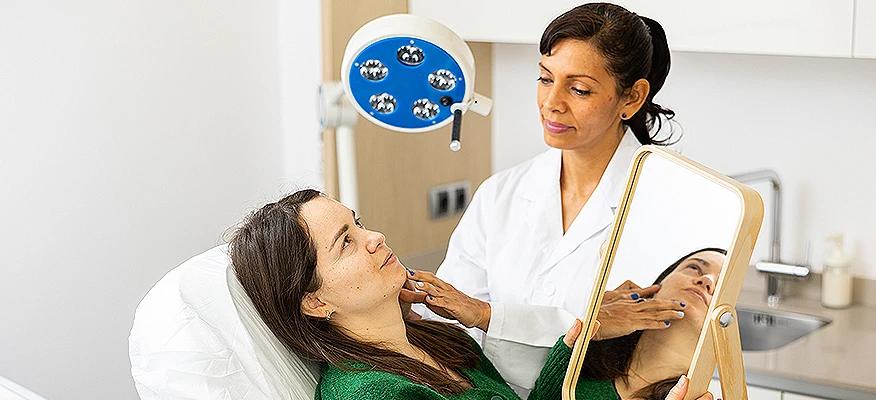
Walking into a dermatologist's office for the first time can feel intimidating, but knowing what to expect can ease those nerves. Your appointment will typically be straightforward and focused on understanding your unique situation.
The examination process begins with your dermatologist looking at your skin under good lighting. They'll assess the types of lesions you have, their distribution, and any signs of scarring or hyperpigmentation. This thorough evaluation helps determine the best acne treatment for your specific case.
After the evaluation, a discussion of your history covers several important areas. Your doctor will ask about your acne timeline, previous treatments you've tried, family history, menstrual cycle patterns, stress levels, and any allergies or sensitivities. This conversation helps identify potential triggers and guides treatment selection.
Most appointments last 15-30 minutes, and you'll leave with a clear action plan. Your dermatologist might recommend mild acne products and gradually build up to stronger treatments, especially if you have sensitive skin.
Can mild acne be treated without a dermatologist?
If you're dealing with occasional blackheads, whiteheads, or a few small pimples, you could successfully manage your skin at home. The key is understanding what constitutes "mild" acne and when self-treatment is appropriate.
Signs of mild acne suitable for home treatment:
- Fewer than 20 blackheads or whiteheads
- Fewer than 15 small, inflamed pimples
- No deep, painful bumps or cysts
- Limited to the face (not spreading to chest or back)
- No scarring or significant dark spots
Effective over-the-counter options:
- Salicylic acid (0.5-2%): Gently exfoliates inside pores, ideal for blackheads and whiteheads
- Benzoyl peroxide (2.5-10%): Kills acne bacteria and reduces inflammation
- Tea tree oil gels: Natural antimicrobial option that's gentler than benzoyl peroxide
- Gentle, non-comedogenic cleansers: Remove excess oil without over-drying
Home treatment guidelines:
- Start with lower concentrations to test skin tolerance
- Use consistently for 4-6 weeks before evaluating effectiveness
- Introduce one new product at a time
- Maintain gentle skincare habits suited to your climate
- Avoid over-cleansing or harsh scrubbing
Even with mild acne, monitor for signs that acne is healing versus worsening. If you notice increasing inflammation, spreading beyond the original area, or emotional distress, don't wait to seek professional help.
How long does acne treatment by a dermatologist take to work?

One of the most common questions about professional acne treatment is timing. Understanding realistic expectations can help you stay committed to your treatment plan during those crucial first few months.
Topical treatment timelines:
- Initial improvement: 4-8 weeks for reduction in new breakouts
- Significant clearing: 12 weeks for noticeable improvement in existing acne
- Full results: 16-24 weeks for maximum effectiveness
- Maintenance: Ongoing use is typically required to prevent recurrence
Oral medication expectations:
- Antibiotics: 6-8 weeks for anti-inflammatory effects, 3-6 months for full acne control
- Hormonal treatments: 3-4 months to see significant improvement
- Isotretinoin: 4-6 months of treatment with results lasting years
Advanced procedure results:
- Chemical peels: Immediate improvement in skin texture, cumulative benefits over 3-6 treatments
- Laser therapy: 2-4 weeks for initial improvement, 3-6 months for optimal results
- Combination approaches: Often provide quicker visible changes while building long-term improvement
Factors affecting treatment speed:
- Skin type and sensitivity: Some skin responds faster to certain treatments
- Acne severity: Mild acne typically clears faster than severe, cystic acne
- Treatment adherence: Consistent use as directed is crucial for success
- Lifestyle factors: Stress, diet, and hormonal fluctuations can influence results
The best acne treatment dermatologists recommend often involves combinations like adapalene-benzoyl peroxide, which studies show can reduce both lesions and scarring over 24-48 weeks of consistent use.
Conclusion
Recognizing when to seek help from a dermatologist for acne treatment can transform your skin and your confidence. Whether you're dealing with persistent breakouts, painful cysts, or early signs of scarring, professional care offers solutions that go far beyond what you can achieve alone.
Don't let stubborn acne control your life or leave permanent marks on your skin. With the right dermatologist advice for acne and a personalized treatment plan, clearer, healthier skin is absolutely achievable. The sooner you take that step, the sooner you can start feeling confident in your skin again.
Meet our expert

Meet our expert
Dr Sylvia Kama-Kieghe is a UK-based General Practitioner with a special interest in Women's Health and founder of Askawayhealth. She's also a tutor and medical student examiner. She is a Fellow of the Royal College of General Practitioners (FRCGP), Fellow of the Royal Society of Public Health (FRSPH), Fellow of the Royal Society of Medicine (FRSM), and holds a Diploma of the Faculty of Sexual and Reproductive Healthcare (DFSRH).

How was the experience with article?
We'd love to know!