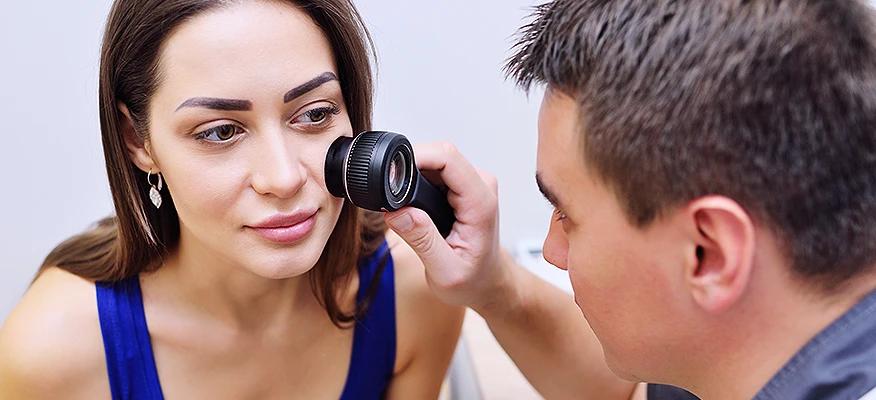
That first pimple at 16 might have felt overwhelming—but what about the ones that show up at 28, or even 35? Acne doesn’t always end with adolescence, and for many women, it becomes a recurring concern well into adulthood.
If you’re dealing with adult acne, you’re not alone—and it’s not something you need to navigate through trial and error.
What often gets missed is timing. Early, expert-led care can make a meaningful difference — not just in controlling breakouts, but in preventing long-term effects like scarring and persistent marks. Dermatology guidance from the American Academy of Dermatology highlights that treating acne early helps reduce inflammation, which is a key driver of both visible breakouts and lasting skin damage.
In everyday life, many people try multiple products before seeking the right care—especially in regions like Southeast Asia and East Africa, where heat, humidity, and product layering can further complicate acne patterns. Over time, this delay can make acne harder to manage and increase the risk of marks that take longer to fade.
The reassuring part is that acne is treatable. Getting the right acne treatment early can be the difference between clear, healthy skin and years of frustration, scarring, and self-doubt.
In this article, we explore why early intervention matters, how expert care changes outcomes, and what steps you can take to support clearer, healthier skin over time.
Understanding acne as a medical condition

Acne is a chronic inflammatory skin disease that affects millions of women worldwide.
It develops when your hair follicles and oil glands get clogged and inflamed. This happens due to a combination of factors, including excess oil production, abnormal skin cell shedding, bacterial activity, and inflammation. It's a complex process that most commonly affects your face, chest, and back.
Acne is one of the top 10 most common diseases globally. Among women of reproductive age (15-49 years), it's become increasingly common over the last three decades. This rise is especially noticeable in regions like South Asia and Western Sub-Saharan Africa. It is important to take note of this because:
- Even mild to moderate acne can leave permanent dark marks and scars, particularly on darker skin tones
- Factors such as urban living, stress, pollution, and hormonal changes (hello, PCOS!) can all trigger or worsen acne
- What looks like "just a few breakouts" can actually be a sign of an underlying medical condition that needs proper attention
Why early expert care matters
Traditionally, teenagers have had the highest acne burden; however, there's a rising prevalence of acne in older age groups among women. This means many of us are dealing with persistent or late-onset acne that requires specialized attention. Early expert care can interrupt the inflammatory process before it causes lasting damage. This means:
- Faster result from treatment & prevent worsening of mild acne & its strong medicinal treatment later
- Fewer active breakouts over time
- Reduced risk of scarring and dark spots
- Identification of underlying triggers, such as hormonal imbalances
- Tailored treatment plans that work with your specific skin type and lifestyle
Emotional and psychological benefits of early care
Research consistently shows that acne is strongly linked with reduced quality of life, low self-esteem, social withdrawal, anxiety, and depression, even when the acne appears clinically mild. For women in their 20s, 30s, and 40s, acne can feel particularly isolating. You might think it's "embarrassing" or something you should have "outgrown."
This shame can be intensified in professional settings or social situations, especially in cultures where clear skin is associated with health and attractiveness.
Early expert care provides:
- Validation that what you're experiencing is a legitimate medical condition, not a personal failing
- Visible improvement over time, which significantly boosts self-esteem and social confidence
- Realistic expectations about treatment timelines, reducing frustration and "treatment fatigue"
- Professional support during what can be an emotionally challenging journey
Why over-the-counter treatments are not always enough
Many of us start with drugstore creams, herbal preparations, or home remedies, and that's completely understandable. However, relying solely on over-the-counter options can sometimes do more harm than good, especially when used without proper guidance.
- They often don't contain prescription-strength ingredients needed for moderate to severe acne treatment
- They're not tailored to specific skin types (like melanin-rich skin prone to dark spots)
- Some may contain steroids or harsh bleaching agents that can cause steroid-induced acne or worsen pigmentation
- Without expert guidance, you might mix multiple products, increasing irritation and barrier damage
Common mistakes with DIY treatment:
- Stopping effective treatments too early (improvement often takes 6-8 weeks or more)
- Using too many harsh products at once
- Not understanding which ingredients work well together
- Missing underlying triggers that need professional evaluation
Acne in teens vs adults: why timing is critical
Adult acne, particularly in women, is becoming increasingly common. Research shows that acne persists into adulthood in about 38% of women, and the pattern is often quite different from teenage acne.
Teen acne typically:
- Affects the T-zone (forehead, nose, chin)
- Responds well to basic treatments
- Often resolves naturally as hormones stabilize
Adult female acne tends to:
- Concentrate around the lower face and jawline
- Flare up with menstrual cycles, stress, or hormonal changes
- Be more persistent and stubborn to treat
- Sometimes indicate underlying conditions such as PCOS
The timing of expert intervention matters differently for each group:
- For teens: Early treatment prevents the "foundation" of scars that can carry into adult life and establishes good skincare habits early.
- For adults: Early intervention helps distinguish between typical acne and conditions that mimic acne (like rosacea), identifies hormonal triggers, and prevents the chronic, relapsing patterns that can develop.
If you're experiencing new-onset acne in your late 20s or beyond, it's particularly important to see an expert. This could signal underlying hormonal imbalances that need attention, such as PCOS or thyroid issues.
Long-term skin health starts early
Think of acne treatment as an investment in your future self. The inflammation from untreated acne can damage your skin structure, leading to atrophic scars, raised scars, enlarged pores, and persistent dark marks, especially on darker skin types.
Once scars form, even advanced treatments like lasers, microneedling, and chemical peels don't fully erase them. However, they reduce the appearance significantly. Early appropriate therapy helps:
- Maintain a strong skin barrier, reducing sensitivity and future problems
- Reduce chronic low-grade inflammation that contributes to uneven tone and texture
- Establish good long-term skincare habits suited to your environment
This is particularly important in regions with high UV exposure like Southeast Asia and East Africa, where untreated acne combined with sun exposure can intensify dark spots and prolong their visibility. Expert care often includes crucial photoprotection advice to prevent this.
When should you seek expert care?

Knowing when to make that appointment can feel tricky, but here are clear indicators that it's time to consult a professional:
Immediate red flags:
- Painful, deep bumps (nodules or cysts)
- Any signs of scarring or persistent dark marks
- Acne that's getting worse despite consistent OTC treatment
Pattern-based signals:
- Breakouts that persist beyond your early 20s
- New acne starting after age 25
- Acne that flares dramatically with your menstrual cycle
- Breakouts accompanied by irregular periods, excess facial hair, or unexplained weight changes
Emotional impact indicators:
- Avoiding social situations because of your skin
- Feeling anxious or depressed about your appearance
- Spending significant time and money on products without results
Special circumstances:
- You're pregnant, breastfeeding, or planning to conceive
- You're using multiple products but seeing irritation instead of improvement
- You have darker skin and are developing persistent dark marks
What to expect from expert acne treatment
Walking into a dermatologist's office for the first time can feel intimidating, but knowing what to expect can help you feel more prepared and confident about seeking the care you need.
- Your doctor will take a detailed history covering when your acne started, potential triggers, menstrual patterns, stress levels, diet, cosmetic use, and any occupational factors. They'll examine your skin to identify lesion types (blackheads, whiteheads, inflamed bumps, nodules), assess any scarring or dark marks, and consider your skin type
- Based on your assessment, you'll receive a personalized plan that might include:
- Topical therapies like retinoids, benzoyl peroxide, or azelaic acid, prescribed and sequenced to minimize irritation
- Systemic therapies, such as oral antibiotics, hormonal treatments for suitable women, or oral isotretinoin under close supervision, for more severe cases
- Skin-care advice tailored to humid, sunny climates
- Your doctor will educate you that improvement usually takes 6-8 weeks or more, with maintenance plans to prevent relapse. Regular follow-up appointments help adjust treatment, monitor side effects, and support your adherence to the plan.
- Once active inflammation is controlled, targeted options for dark spots and scarring may be introduced, chosen carefully for darker skin types to avoid worsening pigmentation.
Common myths about delaying acne treatment
Let's address some persistent myths that might be holding you back from seeking the help you need:
- Myth: "Acne will go away on its own"
- Reality: While some acne resolves naturally, persistent and adult acne are increasingly common, especially in women. Delaying care significantly increases your risk of permanent scarring and dark marks.
- Myth:"Only teenagers need acne treatment"
- Reality: Adult female acne is common and often hormonally influenced. There's a substantial acne burden in women of reproductive age that deserves proper medical attention.
- Myth:"Dark skin doesn't scar from acne"
- Reality: Studies consistently show high rates of scarring and post-inflammatory hyperpigmentation in darker skin types, even when acne severity appears mild to moderate.
- Myth:"If drugstore creams don't work, nothing will"
- Reality: Many effective therapies are prescription-only and require monitoring. Lack of response to OTC products is often a sign to seek expert help, not to give up hope.
- Myth: "Using many strong products quickly will clear acne faster"
- Reality: Aggressive, unmonitored use can irritate skin, disrupt the barrier, and worsen dark spots, which are particularly risky for melanin-rich skin.
Conclusion
Acne is a common, chronic medical condition with a rising burden among adult women. For women in urban environments, acne can persist or newly appear, often leading to permanent scarring, dark marks, and significant emotional impact.
Early expert acne treatment reduces the risk of scars and dark spots, improves emotional well-being, helps identify underlying triggers, and provides safe, evidence-based treatment plans tailored to your specific needs. Relying only on over-the-counter products or waiting for acne to resolve on its own often means missed opportunities to protect your long-term skin health.
Your skin deserves professional attention, and you deserve to feel confident in it. Seeking timely care through qualified dermatologists or trained clinicians can make a lasting difference to both your skin and overall quality of life.
Meet our expert

Meet our expert
Dr. Lynda Odoh-Anikwe, holding a Bachelor of Medicine and Bachelor of Surgery (M.B.B.S) degree, she pursued her Master of Public Health (MPH) at the University of Manchester. Actively engaged in advancing preventive healthcare, she is a member of the Society of Lifestyle Medicine Nigeria. Dr. Odoh-Anikwe aims to attain certification as a Lifestyle Medicine Physician from the International Board of Lifestyle Medicine by the final quarter of 2022.

How was the experience with article?
We'd love to know!