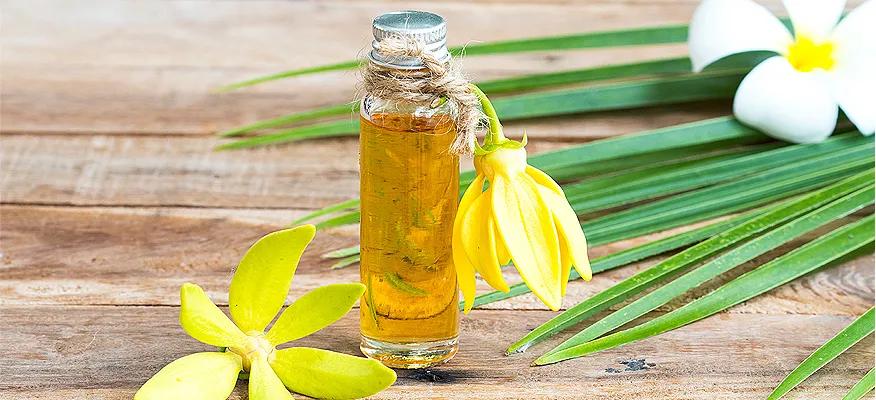
Ylang ylang essential oil is derived from the flowers of the Cananga tree and is known for its sweet, floral scent. It offers mood-boosting, stress-relieving, sedative, and mild antidepressant effects, and may help reduce blood pressure and heart rate. Commonly used in perfumes, lotions, and soaps, its emotional benefits are widely appreciated though scientific evidence remains limited.
What is Ylang Ylang Essential Oil?
Ylang ylang essential oil is a highly aromatic oil extracted from the yellow, star-shaped flowers of the Cananga odorata tree, a tropical species native to regions surrounding the Indian Ocean—such as Indonesia, the Philippines, Malaysia, India, and parts of Australia. The name “ylang ylang” translates to “flower of flowers” in Tagalog, reflecting its lush, sweet, and exotic fragrance.
The oil is produced through steam distillation and is categorized into different grades based on the distillation stage—Ylang Ylang I, II, III, and "complete," with each offering varying intensity and longevity of aroma. It is important not to confuse ylang ylang oil with Cananga oil, which comes from a related variety (Cananga odorata macrophylla) and has a milder scent and different chemical composition.
Ylang ylang oil has been traditionally used in aromatherapy, cosmetics, perfumery, and even culinary flavoring. Its floral, calming aroma is believed to promote relaxation, emotional balance, and intimacy. In skincare, it’s valued for its ability to balance oil production, soothe inflammation, and support healthy, glowing skin. In hair care, it can help nourish the scalp, reduce dryness, and support hair growth.
Though many benefits—such as reducing anxiety, easing depression, and lowering blood pressure—are widely claimed, scientific evidence remains limited, with most research being small-scale or preliminary. Despite this, it remains popular in holistic wellness due to its long-standing use in traditional medicine systems and its mood-enhancing and stress-relieving properties.
In aromatherapy, ylang ylang is often used to calm the mind, reduce tension, and create a peaceful environment. It blends well with other essential oils like lavender, bergamot, and sandalwood, making it a staple in luxury wellness products and emotional well-being routines.
Whether applied to the skin (after dilution with a carrier oil), diffused in a room, or added to bath water, ylang ylang essential oil is a versatile and fragrant addition to natural self-care practices.
Uses of Ylang Ylang Essential Oil
Ylang ylang essential oil is valued across various industries for its powerful and exotic floral scent. It's frequently included in perfumes, soaps, body lotions, and hair care products like shampoos. Beyond cosmetics, it’s also used as a flavoring agent in food and occasionally as a natural insect repellent.
In aromatherapy, ylang ylang is widely used to help ease anxiety, depression, and sleep disturbances. Its natural calming and sedative effects may assist in reducing blood pressure, managing stress, and enhancing emotional wellness.
Traditionally, ylang ylang has been applied in herbal medicine to manage:
- Asthma
- Arthritis
- Digestive discomfort
- Gout
- Headaches
- Malaria
- Respiratory issues
It’s also considered an aphrodisiac by some, used to support emotional intimacy, though scientific backing in this area is limited.
Top Health Benefits of Ylang Ylang Essential Oil
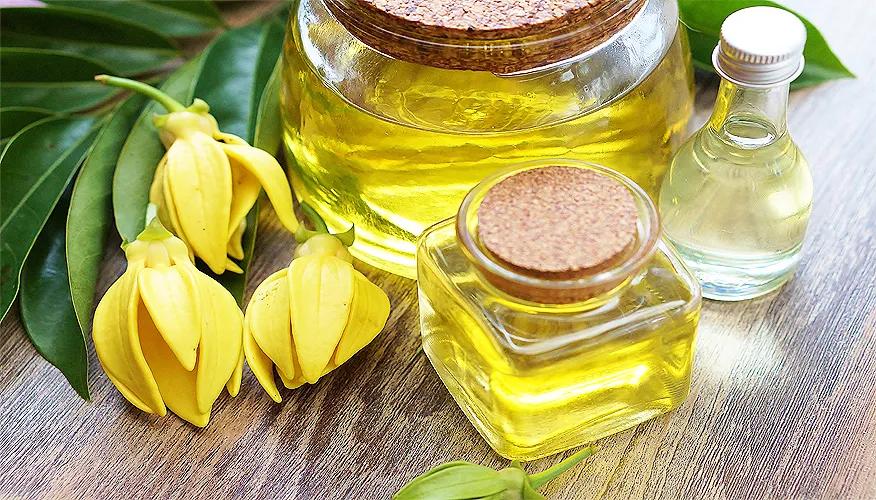
Ylang ylang essential oil, derived from the star-shaped flowers of the Cananga tree, has been treasured for centuries in traditional medicine and aromatherapy. Known for its sweet, floral scent, ylang ylang is more than just a fragrant oil—it offers a wide range of potential health benefits for the mind, body, and skin.
Let’s explore some Key Benefits of Ylang Ylang Essential Oil:
1. Reduces Anxiety and Stress
Ylang Ylang essential oil is widely used in aromatherapy for its powerful calming properties. The sweet, floral scent helps relax the nervous system and reduce cortisol levels—the stress hormone. Inhaling its aroma or applying it diluted on pulse points can promote a sense of peace and emotional stability. It works by stimulating the olfactory system, which directly influences the brain’s limbic system, the part responsible for emotions and mood. This makes it especially helpful during times of tension, overwhelm, or emotional fatigue. Regular use can ease feelings of anxiety, restlessness, and nervousness, offering natural support for emotional well-being.
2. Acts as a Natural Antidepressant
Ylang Ylang essential oil is known for its uplifting effect on the mind, making it a natural remedy for symptoms of mild depression. Its calming and euphoric aroma helps stimulate positive emotions, reduce feelings of sadness, and ease emotional fatigue. When used in aromatherapy—either through a diffuser or direct inhalation—it can support the nervous system by lowering stress hormones and promoting the release of serotonin and dopamine, which are often called the “feel-good” chemicals. This makes Ylang Ylang a gentle and holistic option to improve mood and enhance emotional balance without synthetic chemicals.
3. Promotes Better Sleep and Relaxation
Ylang Ylang essential oil has natural sedative properties that help calm the mind and body, making it an excellent aid for restful sleep. Its soothing floral aroma reduces nervous tension and slows down a racing heart rate, which can make it easier to fall asleep. Whether diffused in your bedroom, added to a warm bath, or applied (diluted) to pulse points, Ylang Ylang helps create a peaceful environment ideal for winding down. For people struggling with insomnia or light sleep, it supports deeper, more restorative rest by promoting relaxation and easing mental chatter.
4. Helps to Lower Blood Pressure and Heart Rate
Ylang Ylang essential oil is known for its gentle calming effects on the cardiovascular system. When inhaled or used in aromatherapy, it can help lower systolic and diastolic blood pressure as well as reduce a rapid heart rate caused by stress or anxiety. The relaxing properties of this oil work by soothing the nervous system, which in turn supports better blood flow and heart function. Several small studies have shown that Ylang Ylang can promote a sense of calm and help the body shift into a more balanced, relaxed state—making it beneficial for people dealing with mild hypertension or palpitations due to tension.
5. Speeds Up Wound Healing
Ylang Ylang essential oil contains natural antiseptic and anti-inflammatory properties that make it helpful in supporting wound healing. When applied topically in diluted form, it can help disinfect minor cuts, scrapes, or burns by preventing bacterial growth. Additionally, it soothes the skin, reduces redness and inflammation, and encourages cell regeneration, which speeds up the healing process. Its gentle action makes it suitable for sensitive skin, and it’s often used in natural remedies to care for minor skin injuries while promoting faster recovery.
6. Improves Mood and Emotional Balance
Ylang Ylang essential oil has a sweet, floral scent that is known to uplift the spirit and create emotional harmony. Its natural compounds work through the limbic system in the brain, which controls emotions and memory. Inhaling the aroma or using it in a diffuser can help ease mood swings, calm irritability, and promote a sense of inner peace. It’s especially helpful during times of emotional exhaustion, grief, or hormonal imbalances, offering gentle support to rebalance emotional well-being and restore a more positive, stable mood.
7. Provides Pain Relief
Ylang Ylang essential oil has mild analgesic and anti-inflammatory properties that make it effective in relieving certain types of pain, especially those related to stress and muscle tension. When diluted and used in massage, it can help relax tight muscles, reduce headaches, and ease tension-related discomfort in the neck, shoulders, or back. Its calming aroma also supports overall relaxation, which contributes to pain reduction. While it's not a substitute for medical treatment, Ylang Ylang can be a soothing, natural aid for managing mild to moderate physical discomfort.
8. Fights Bacterial and Fungal Infections
Ylang Ylang essential oil has natural antimicrobial properties that make it effective against certain bacteria and fungi. When used topically in diluted form, it can help disinfect minor wounds, prevent infections, and support healing. Research suggests that compounds in Ylang Ylang, such as linalool and germacrene, inhibit the growth of harmful microorganisms. It may also be useful in managing fungal skin issues like athlete’s foot or yeast infections when used as part of a natural remedy. However, it should always be used with a carrier oil and not applied to open wounds without proper guidance.
9. Balances Oil (Sebum) Production
Ylang Ylang essential oil helps regulate the skin's natural oil (sebum) production, making it beneficial for both oily and dry skin types. It works by signaling the sebaceous glands to normalize oil output, which can prevent clogged pores, acne breakouts, and dryness. This balancing effect makes it especially useful for people with combination skin or conditions like Seborrheic Eczema. When added to skincare products or diluted with a carrier oil for topical use, Ylang Ylang promotes a clearer, healthier complexion with a natural glow.
10. Boosts Self-Esteem and Confidence
Ylang Ylang essential oil has an uplifting aroma that can positively influence the mind and emotions. When inhaled, it helps reduce feelings of insecurity, shyness, or fear, creating a sense of calm and self-assurance. Its relaxing and mood-enhancing effects support emotional balance, which can naturally improve self-image and confidence. This makes Ylang Ylang especially helpful before public speaking, social interactions, or during emotionally challenging times when self-doubt is high. Regular use in aromatherapy can gently encourage a more positive, empowered mindset.
11. Improves Skin Health and Beauty
Ylang Ylang essential oil is highly valued in skincare for its ability to balance oil (sebum) production, making it ideal for oily, dry, or combination skin. It helps prevent acne by regulating excess oil while also keeping the skin moisturized and nourished. Its natural antibacterial and anti-inflammatory properties soothe irritated or inflamed skin, making it beneficial for conditions like eczema and breakouts. It is often added to creams, lotions, and massage oils to deeply nourish the skin, calm irritation, and promote a healthy, radiant glow. Rich in antioxidants, Ylang Ylang also protects against premature aging by fighting free radicals, reducing fine lines, and promoting a youthful glow. Additionally, it supports skin regeneration and speeds up healing of minor cuts or blemishes. When added to a daily skincare routine—whether in moisturizers, serums, or diluted with carrier oils—it helps cleanse, tone, and visibly improve overall skin texture and radiance.
12. Nourishes Hair and Scalp
Ylang Ylang essential oil is a natural remedy for maintaining healthy hair and scalp. It helps regulate sebum production on the scalp, preventing both dryness and excessive oiliness. This balance promotes a healthier scalp environment, which can reduce dandruff and irritation. The oil also nourishes hair follicles, strengthens the roots, and may encourage hair growth over time. When used in shampoos and conditioners, it helps strengthen hair strands, fight dryness, and prevent breakage, resulting in softer, shinier, and more manageable hair. Its antimicrobial properties help keep the scalp clean and free from infections, while its rich, floral aroma adds a pleasant natural fragrance to your hair.
13. Acts as a Natural Aphrodisiac
Ylang Ylang essential oil is well known for its sensual and exotic floral aroma, which has long been used to stimulate feelings of intimacy and passion. Often referred to as a natural aphrodisiac, its scent can help reduce feelings of stress, anxiety, or emotional tension—factors that can interfere with sexual desire. By promoting relaxation and emotional balance, Ylang Ylang creates a calming atmosphere that enhances romantic connection and emotional closeness. It’s traditionally used in massage oils, diffusers, or scented candles to set a soothing, intimate mood.
14. Relieve Symptoms of PMS
Ylang Ylang essential oil may help ease both emotional and physical symptoms associated with premenstrual syndrome (PMS). Its calming and mood-stabilizing properties can reduce irritability, anxiety, and mood swings commonly experienced before menstruation. Additionally, when used in massage or aromatherapy, it can help relax tense muscles, soothe cramps, and ease fatigue. Its hormone-balancing effects, combined with its pleasant aroma, make it a supportive natural option for women seeking relief from PMS discomfort in a gentle, holistic way.
15. Enhances Emotional Intimacy and Libido
Ylang Ylang essential oil is prized for its ability to deepen emotional intimacy and boost libido through its calming and uplifting floral scent. It helps release emotional tension, reduce nervousness, and promote feelings of affection and warmth—creating a more relaxed and open emotional environment. These soothing effects can enhance trust and closeness between partners, making it easier to connect both emotionally and physically. Used in aromatherapy, massage oils, or romantic settings, Ylang Ylang sets the mood for intimacy and encourages a stronger emotional and sensual bond.
16. Supports Meditation and Spiritual Practices
Ylang Ylang essential oil is often used to enhance meditation, mindfulness, and spiritual practices due to its calming and grounding properties. Its soothing floral aroma helps quiet the mind, reduce mental chatter, and create a peaceful inner space—ideal for deep focus and emotional clarity. It’s believed to open the heart chakra, promoting self-love, compassion, and spiritual connection. Whether diffused in the air or inhaled directly before meditation, Ylang Ylang encourages presence, emotional release, and a deeper connection to one's inner self during spiritual rituals.
17. Works as a Mild Insect Repellent
Ylang Ylang essential oil contains natural compounds that can act as a mild insect repellent, helping to keep mosquitoes and other bugs at bay. Its strong, sweet floral scent is pleasant to humans but can be unappealing to certain insects. When diluted and applied to the skin or used in a diffuser, it can provide temporary protection against insect bites, especially in indoor or low-exposure settings. While not as strong as synthetic repellents, Ylang Ylang offers a more natural, skin-friendly alternative for those looking to avoid chemical-based products.
How to Use Ylang Ylang Essential Oil
Ylang Ylang essential oil can be used in several safe and effective ways to support your skin, mood, and overall well-being:
1. Aromatherapy/Diffusion
Add 3–5 drops of Ylang Ylang oil to a diffuser with water to fill your room with its calming, floral scent. This is great for relieving stress, improving mood, and creating a peaceful environment—perfect for relaxation, meditation, or bedtime.
2. Topical Use (with Carrier Oil)
Mix a few drops with a carrier oil like jojoba, coconut, or almond oil before applying it to your skin. This can help with moisturizing, soothing irritation, easing PMS symptoms, or massaging sore muscles. Always do a patch test first to check for sensitivity.
3. Skincare Additive
Add 1–2 drops to your daily moisturizer, facial oil, or toner to balance sebum, fight acne, and enhance skin glow. Avoid applying it undiluted directly to the face.
4. Haircare Boost
Add a few drops to your shampoo, conditioner, or hair oil to nourish your scalp, regulate oiliness, and add shine and fragrance to your hair.
5. Relaxing Bath
Mix 5–8 drops of Ylang Ylang with a tablespoon of carrier oil or unscented bath gel, then add it to warm bath water. This helps soothe the skin and calm the mind.
6. Natural Perfume
Blend Ylang Ylang with other essential oils like lavender, bergamot, or sandalwood and dilute in a carrier oil to create a custom natural perfume. Apply it to pulse points for a soft, floral scent.
7. Pillow Spray or Bedside Use
Add a few drops to a spray bottle with water and lightly mist your pillow or bedding to promote restful sleep.
8. Spiritual Practices:
Inhale before meditation or yoga to center emotions and promote spiritual clarity.
Forms of Ylang Ylang Essential Oil
Ylang ylang essential oil comes in several forms, each with its own characteristics depending on the distillation process:
- Ylang ylang extract: This is the most concentrated and potent form of the oil, offering an intense fragrance. However, the scent is short-lasting. It's often used in perfumes and aromatherapy for its strong, distinctive aroma.
- Ylang ylang number I, II, III: These are labeled based on their order of distillation:
- Number I (extra): The first fraction from distillation, known for its bold, strong scent.
- Number II: Slightly less potent than Number 1 but still quite fragrant.
- Number III (cananga oil): The mildest of the three, often used when a subtler fragrance is preferred.
- Ylang ylang complete: This oil includes all four fractions from the distillation process, combining the extract and all the numbered oils. It provides a well-rounded and balanced aroma, offering a full experience of ylang ylang’s scent.
Risks and Side Effects of Ylang Ylang Essential Oil
While ylang ylang essential oil offers many health and beauty benefits, it’s important to be aware of its potential risks and side effects, especially when used improperly.
- Skin Irritation and Allergic Reactions: Ylang ylang oil contains allergens such as isoeugenol, which can cause skin irritation, redness, itching, or rash in sensitive individuals. Always do a patch test before applying it to a larger area. It must be diluted with a carrier oil (like coconut or jojoba oil) before topical use.
- Headaches or Nausea: Due to its strong floral fragrance, prolonged exposure or excessive inhalation of ylang ylang oil may cause headaches or nausea in some people, particularly in poorly ventilated spaces.
- Hormonal Effects: Ylang ylang may interact with hormone levels due to its potential impact on emotional and sexual well-being. Pregnant or breastfeeding women should consult a healthcare provider before using it.
- Toxic to Pets: Ylang ylang oil is toxic to dogs, cats, and other pets. Avoid using it in areas where your pets roam freely, and never apply it to their skin or fur.
- May Lower Blood Pressure Too Much: As ylang ylang oil helps lower blood pressure, it could pose risks for people already on medication for hypertension or those prone to low blood pressure. Always check with a healthcare provider if you have a heart condition or take medication.
- Not for Internal Use: Never ingest ylang ylang essential oil unless directed by a certified aromatherapist or healthcare provider. Internal use can be dangerous and may lead to toxicity.
- Photosensitivity: Although not common with ylang ylang, some essential oils can make the skin more sensitive to sunlight. Avoid sun exposure on areas where the oil has been applied until you know how your skin reacts.
By using ylang ylang oil correctly—diluted, in moderation, and with awareness of individual sensitivity—you can enjoy its benefits safely.
Safety Tips for Using Ylang Ylang Essential Oil
- Always dilute ylang ylang essential oil before applying to the skin.
- Perform a patch test before full use to check for skin sensitivity.
- Avoid use near pets, especially cats and dogs—it can be toxic to them.
- Not recommended for internal consumption.
Conclusion
Ylang ylang essential oil is far more than a fragrant indulgence. From balancing emotions to enhancing skin and hair health, this tropical floral extract is a powerful wellness ally. When used safely and thoughtfully, it can transform your self-care rituals into moments of healing, beauty, and serenity.
Make sure to choose high-quality, therapeutic-grade oil from a reputable source—and let every drop of ylang ylang bring you closer to balance, calm, and natural radiance.
Meet our expert

Meet our expert
Amira is a Registered Dietitian under the Allied Health Professions Act 774, holding a
Bachelor of Health Sciences (Hons) in Dietetics from Universiti Sains Malaysia (2021).


How was the experience with article?
We'd love to know!