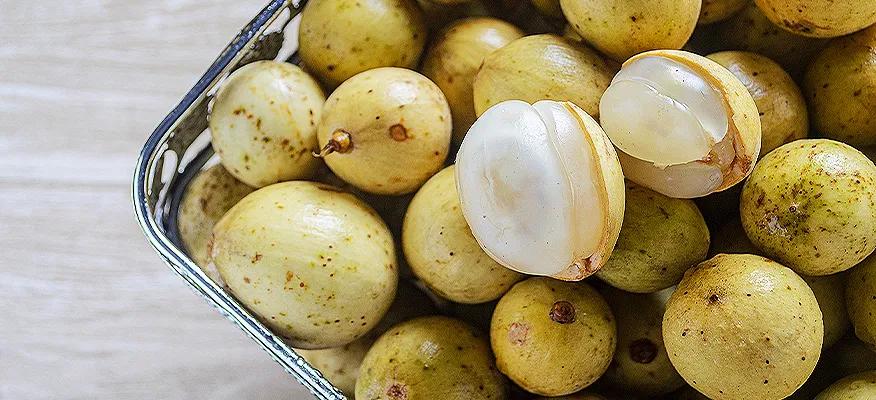
When you have diabetes, even everyday fruits can leave you wondering what’s safe. Take lanzones, for example — small, tangy, and delicious, but often a cause for hesitation.
Is lanzones good for diabetics? is a question many women ask when choosing what to eat.
The truth is, diabetes management isn’t about saying no to every sweet fruit—it’s about smart choices and balance.
Lanzones can be part of that balance when eaten the right way.
What is lanzones?
Lanzones (Lansium domesticum) belongs to the Meliaceae plant family and goes by several names, including langsat, duku, or longkong. It is native to Southeast Asian countries such as Malaysia, Indonesia, Thailand, and the Philippines.
The small, round fruit, about the size of a golf ball, is wrapped in a thin, yellowish skin that easily peels away to reveal segments of translucent, juicy flesh with a unique flavor, predominantly sweet with a subtle tartness, that creates a refreshing and well-balanced taste.
What makes lanzones particularly appealing is the seasonal availability, with the fruit typically ripening around August. This limited period makes lanzones a highly anticipated treat for many. Unlike processed fruits, lanzones is enjoyed fresh, offering all its natural minerals intact.
The edible segments provide valuable nutrients, including potassium, along with small amounts of B vitamins and vitamin C, making it not only a delicious but also a nutritious choice straight from nature.
Nutritional value of lanzones (per 100g)
Understanding the nutritional breakdown helps you make informed choices about portion size and meal planning. Here's what a 100 g serving of lanzones brings to your plate:
| Nutrient | Amount per 100g |
| Water | 84-90 g |
| Energy | 34-57 kcal |
| Carbohydrates | 8.2-14.2 g |
| Protein | 0.4-1.0 g |
| Fat | 0-0.5 g |
| Fiber | 0.8-0.9 g |
| Potassium | 230-275 mg |
| Calcium | 10-19 mg |
| Phosphorus | 20-31 mg |
| Iron | 0.9-1.0 mg |
| Vitamin C | 2-13.4 mg |
Lanzones has a balanced nutritional profile that makes it a good option for those watching their blood sugar. The moderate carbohydrate content means it won’t cause a sudden spike in glucose levels, whereas the fiber helps support digestion and blood sugar control.
The fruit is also rich in potassium, which is important for heart health, especially for people managing diabetes in the long run. With a high water content of 84 to 90 percent, lanzones helps keep you naturally hydrated. This makes lanzones a refreshing and healthy choice, especially for people living in hot climates.
Glycemic index of lanzones
Lanzones have a glycemic index (GI) of about 55. This means lanzones sit right on the border of low and medium GI, leaning more toward the low side. In simple terms, this fruit typically causes a slow to moderate rise in blood sugar, rather than a sudden spike. That makes it a gentler option compared to many other sweet fruits.
So, when eaten in moderation, lanzones can be part of a balanced diet without heavily disrupting blood sugar levels.
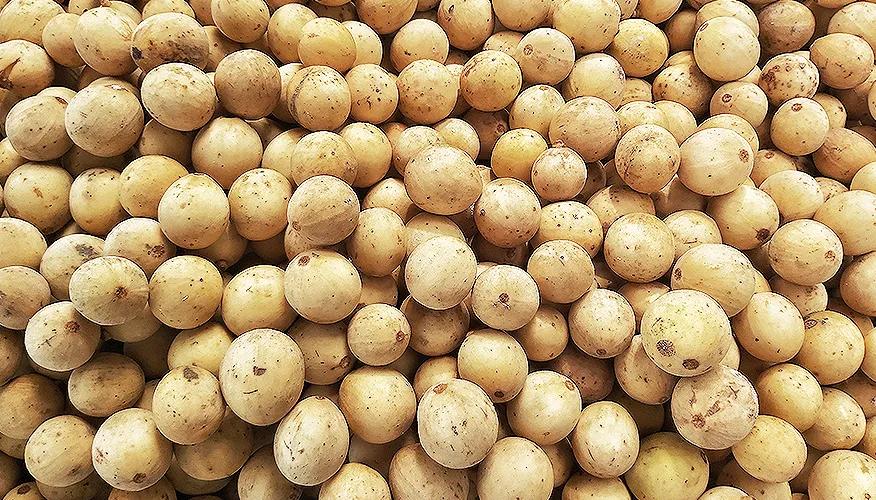
Lanzones and diabetes
The edible pulp of lanzones contains simple sugars, including fructose and sucrose, providing approximately 8–14 grams of carbohydrates per 100 grams. This means consuming large portions can raise blood glucose levels. However, when paired with protein, healthy fats, or fiber-rich foods, the impact on blood sugar becomes much more manageable.
Beyond its natural sweetness, lanzones offers several health benefits that are particularly valuable for individuals with diabetes:
- It's low calorie density supports weight management, an important factor in diabetes control.
- Potassium content with minimal sodium helps maintain healthy blood pressure, reducing the risk of cardiovascular complications common in diabetes.
- Small amounts of fiber and vitamin C contribute to the overall quality of a diet, aiding digestion and supporting immune health.
To enjoy lanzones in a diabetes-friendly way, consider eating a few segments after meals that include fish and vegetables or alongside a small handful of nuts for balanced blood sugar control.
Is lanzones high in sugar?
Compared to many tropical fruits, lanzones contains a moderate amount of carbohydrates. However, because these are primarily simple sugars and the fruit is small, sweet, and easy to overeat, consuming it in large quantities can result in a significant increase in sugar intake—potentially leading to blood glucose spikes.
Here’s a clearer perspective on its sugar content:
- A small handful (100–150 g of edible arils) provides approximately 8–21 g of carbohydrates.
- Unlike high-sugar fruits such as dates or ripe mangoes, lanzones does not fall into the high-sugar category.
- The concern arises mainly when portion control is overlooked, turning a light snack into a source of unexpected sugar.
With mindful portions, lanzones can still be part of a balanced diet for those managing blood sugar.
Lanzones benefits for diabetes
Now for the good news—there are several reasons why lanzones is good for diabetes when consumed thoughtfully. The lanzones benefits for diabetes extend beyond just being a sweet treat you can occasionally enjoy.
- Heart-healthy profile: With zero fat and no cholesterol, lanzones supports cardiovascular health. Because diabetes significantly increases the risk of heart disease, every heart-healthy food choice matters.
- Potassium power: The 275 mg of potassium per 100 g helps regulate blood pressure. High blood pressure and diabetes often go hand-in-hand, making this mineral particularly valuable.
- Natural energy source: Unlike processed snacks that spike and crash your energy levels, lanzones provides natural sugars alongside minerals and vitamins for more sustained energy.
- Antioxidant potential: Although research is still in development, lanzones contain polyphenols and flavonoids in their skin and seeds. Though the edible flesh has lower concentrations, you're still getting some antioxidant benefits that help fight inflammation – a key concern in diabetes management.
- Hydration support: The high water content helps with hydration, which is crucial for proper kidney function and blood sugar regulation.
Side effects of eating lanzones

Even nutritious foods can have drawbacks when not consumed wisely. Here are some potential side effects of eating lanzones to be aware of:
- Blood sugar spikes: Overconsumption may lead to rapid post-meal glucose spikes due to the simple sugars in the pulp. This is why people with diabetes should moderate portions and monitor their blood glucose response carefully.
- Digestive sensitivity: As with many fruits, individuals with irritable bowel syndrome or sensitive digestion may experience discomfort when consuming large amounts. This happens due to fermentable sugars that can cause bloating or gas.
- Peel and seed concerns: While the peel and seeds aren't typically eaten due to bitterness, some traditional uses exist. However, ingestion isn't recommended due to lack of safety data, especially for diabetic dietary use.
- Allergic reactions: While rare, some people may experience allergic reactions, especially those with latex or other fruit allergies. Symptoms might include itching, swelling, or digestive issues.
Most side effects are easily avoidable through proper portion control and mindful eating practices.
How to eat lanzones safely as a diabetic
Smart strategies can help you enjoy lanzones while keeping your blood sugar stable. Here's your practical guide:
Start small and monitor: Begin with approximately 100g of edible arils (roughly one small serving) and check your glucose response 1-2 hours after consuming them. Adjust future portions based on your targets and your healthcare provider's advice.
Smart pairing strategies:
- Combine with protein (a handful of nuts or some Greek yogurt).
- Add healthy fats (like a few almonds) to slow glucose absorption.
- Avoid eating other high-sugar fruits at the same meal.
Meal planning integration:
- Count lanzones carbohydrates within your meal's total carb allowance.
- Prefer eating as part of a mixed meal rather than on an empty stomach.
- Time consumption when your blood sugar management is most stable.
Quality selection tips:
- Choose ripe but firm fruits for optimal nutrition.
- Eat fresh rather than processed forms.
- Never juice lanzones—this removes fiber and concentrates sugars.
- Avoid syrups, candies, or dried versions, which dramatically increase sugar per serving.
Conclusion
So, is lanzones good for diabetics? The answer is a cautious yes—when eaten thoughtfully and in moderation. Lanzones offers a moderate sugar content along with beneficial nutrients and antioxidants, making it a suitable fruit for individuals with diabetes when eaten mindfully.
By accounting for its carbohydrate content, managing portion sizes, and pairing it with protein or healthy fats, you can help stabilize blood sugar levels and enjoy the fruit without compromising glucose control.
However, monitoring how your body reacts after eating the fruit is essential to determine the right amount and frequency for your needs.
Remember, managing diabetes doesn't mean eliminating all the foods you enjoy—it means learning to enjoy them wisely. Lanzones can be part of your balanced approach to health, especially when you stay within your carbohydrate goals and listen to your body's responses.
Meet our expert

Meet our expert
As a registered Dietitian with a strong academic background in dietetics from University
Putra Malaysia, she is committed to empowering individuals to make informed, health-conscious decisions that align with their wellness goals



How was the experience with article?
We'd love to know!