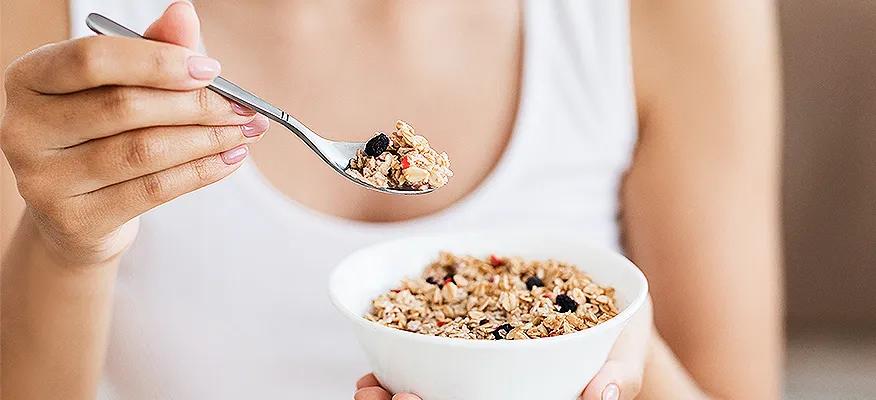
Busy schedules often make meal choices challenging. For women managing diabetes, the challenge goes beyond convenience—it’s about selecting foods that help maintain stable blood sugar levels, provide lasting energy, and fit seamlessly into a busy lifestyle.
Oatmeal for diabetes is increasingly recognized as an ideal choice due to its rich fiber content, low glycemic index, and heart-healthy benefits.
Incorporating oatmeal into your daily diet can offer a balanced, nutritious option at any meal, making it a smart and practical solution for managing diabetes effectively.
Is oatmeal good for diabetics?
You might be wondering whether oatmeal is truly a suitable choice for managing diabetes effectively. The answer is a definitive yes—when it is carefully selected and thoughtfully prepared.
Unlike refined grains and processed breakfast options, such as white bread, sugary cereals, or pastries, that often cause rapid and dramatic spikes in blood sugar levels, oatmeal boasts a low glycemic index. This means it releases glucose into your bloodstream slowly and steadily over time, rather than causing a sudden surge.
One of the most important components that makes oatmeal beneficial for diabetes management is beta-glucan, a type of soluble fiber found abundantly in oats. This unique fiber works by slowing down the digestion and absorption of carbohydrates in your digestive system. By regulating the speed at which glucose enters your bloodstream, beta-glucan helps maintain more stable blood sugar levels, reduces sudden spikes, and promotes better overall glucose control throughout the day.
However, it’s important to recognize that not all oatmeal is created equal when it comes to supporting diabetes health. The specific type of oatmeal you choose, whether steel-cut, rolled, or instant, and the way you prepare it can make a significant difference.
Therefore, making informed choices about the type of oatmeal and preparation methods is essential to ensure it remains a beneficial part of your diabetes management plan.
Nutritional benefits of oatmeal for diabetics
When you're managing diabetes, every nutrient counts. When we talk about oatmeal for diabetic patient care, we're looking at a nutritional powerhouse that offers several key advantages:
- Blood Sugar Regulation: Oatmeal contains beta-glucans, a type of soluble fiber that's particularly beneficial for blood sugar control. These fibers form a gel-like substance in your stomach, slowing digestion and helping prevent those dreaded post-meal blood sugar spikes. Additionally, oatmeal’s ability to improve insulin sensitivity further aids in diabetes care.
- Satiety Support and Weight Management: Oatmeal’s high fiber content enhances satiety, helping to curb hunger and prevent overeating throughout the day. This appetite regulation supports healthy weight management, a vital factor in controlling blood sugar levels and reducing the risk of diabetes-related complications such as heart disease, nerve damage, and kidney problems.
- Heart Health Benefits: People with diabetes face a higher risk of heart disease, making oatmeal’s cholesterol-lowering properties especially valuable. The beta-glucan fiber in oatmeal helps reduce LDL (“bad”) cholesterol and triglyceride levels. This balance supports healthier blood vessels and reduces the risk of cardiovascular complications.
- Essential Micronutrients: Beyond fiber, oatmeal provides magnesium, iron, and B-vitamins, essential for supporting metabolism, insulin function, and energy production. These nutrients play a crucial role in enhancing blood sugar regulation and overall metabolic health for people with diabetes.
Best types of oatmeal for diabetics
Not all oats are created equal when it comes to blood sugar management. Here's your guide to choosing the best type of oatmeal for diabetics:
| Oat Type | Processing Level | Glycemic Impact | Best For |
| Steel-cut oats | Minimal | Lowest | Maximum blood sugar control |
| Rolled oats | Moderate | Low-moderate | Balance of convenience and health |
| Quick oats | High | Moderate-high | Occasional use only |
| Instant flavored oats | Highest | High | Avoid for diabetes management |
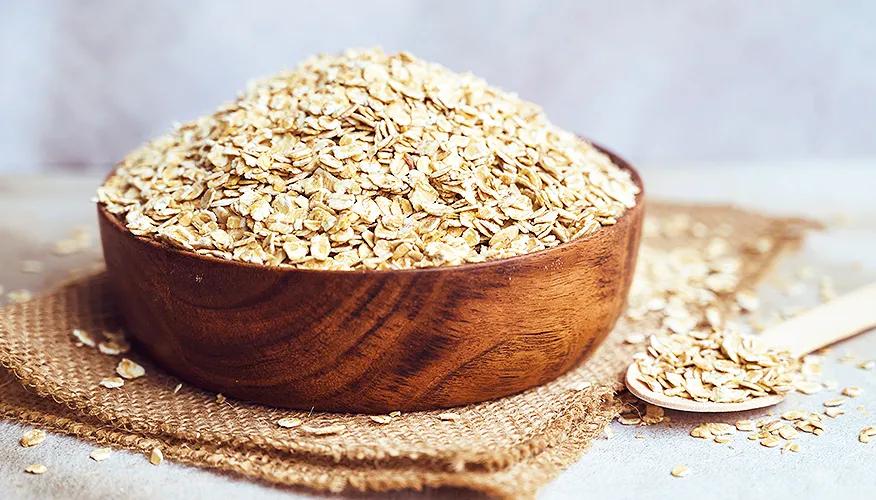
Steel-cut oats are the best choice for diabetics because they are the least processed, preserving the highest amount of fiber and nutrients. Rolled oats offer a convenient middle ground—they cook faster while still providing excellent nutritional benefits.
When selecting the best oatmeal brand for diabetics, opt for plain, unflavored varieties without added sugars or artificial ingredients.
Avoid instant, flavored, and quick-cooking oats, as they often contain added sugars, artificial ingredients, and have a higher glycemic index than steel-cut or rolled oats. The ideal brand will list only “oats” or “whole grain oats” on the ingredient label, ensuring a wholesome, diabetes-friendly option.
How to make diabetic-friendly oatmeal
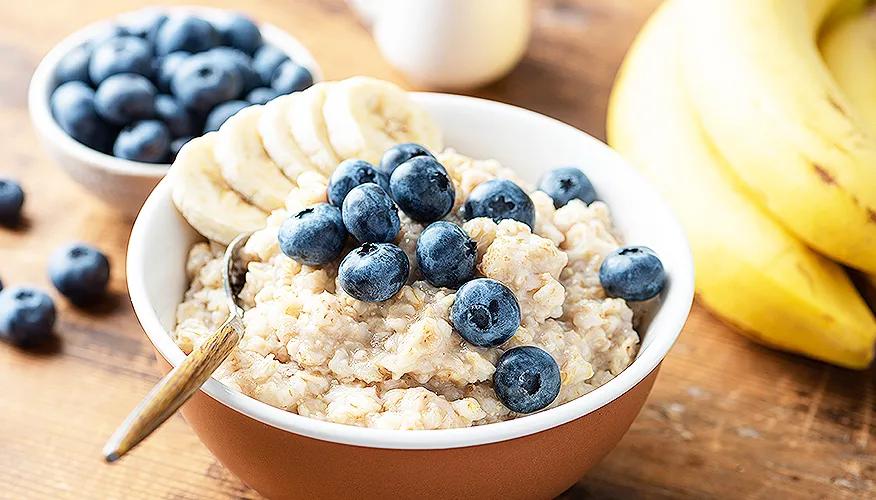
Creating delicious oatmeal recipes for diabetics doesn't mean sacrificing flavor. Here's how to prepare oatmeal that supports your blood sugar goals:
Basic Preparation
- Start with plain steel-cut or rolled oats.
- Cook with water or unsweetened plant-based milk (almond, oat, or coconut).
- Aim for a 1:2 ratio of oats to liquid for optimal texture
Smart Toppings
- Nuts and seeds: Add almonds, walnuts, chia seeds, or ground flaxseed for protein and healthy fats.
- Fresh berries: Blueberries, strawberries, or raspberries provide antioxidants with minimal sugar impact.
- Spices: Cinnamon, nutmeg, or cardamom enhance flavor without affecting blood sugar.
Small amounts of fresh fruit: A few apple slices or half a banana can add natural sweetness.
Overnight Options
For busy mornings, overnight oatmeal for diabetics is a game-changer. Mix oats with unsweetened milk and your chosen toppings the night before. By morning, you'll have a ready-to-eat breakfast that requires zero cooking time.
Oatmeal preparation options to avoid if you have type 2 diabetes
While oatmeal itself is beneficial, certain preparation methods can sabotage your blood sugar goals:
Problematic Additions
- Table sugar, brown sugar, or artificial sweeteners.
- Honey, maple syrup, or agave nectar.
- Sweetened condensed milk or full-fat cream.
- Dried fruits with added sugars.
- Chocolate chips or candy pieces.
Instant Varieties to Skip
- Pre-flavored packets (apple cinnamon, maple brown sugar, etc.).
- Protein oatmeals with added sugars.
- Granola-style oat clusters with sweeteners.
These additions can transform a diabetes-friendly breakfast into a blood sugar rollercoaster. The goal is to let the natural, subtle sweetness of oats shine through while adding nutrients that support your health goals.
Benefits of oatmeal for people with diabetes
Beyond basic nutrition, oatmeal offers several meaningful benefits for diabetes management:
Immediate Benefits
- Steadier post-meal blood glucose levels.
- Improved satiety lasting 3-4 hours.
- Better appetite control throughout the day.
Long-term Health Advantages
- Reduced LDL cholesterol levels.
- Lower risk of diabetes-related heart complications.
- Potential reduction in insulin resistance over time.
- Support for healthy weight maintenance.
Practical Daily Benefits
- Sustained energy without mid-morning crashes.
- Reduced cravings for sugary snacks.
- Better overall dietary satisfaction.
The combination of fiber, protein, and complex carbohydrates in oats creates a metabolic environment that supports stable blood sugar throughout your morning, and often well into the afternoon.
Precautions and tips
While oatmeal is generally excellent for diabetes management, keep these important points in mind:
Monitor Your Individual Response
- Check your blood sugar 2 hours after eating oatmeal to understand how your body responds.
- Keep a food diary to track which preparations work best for you.
Portion Control Matters
- Stick to 1/2 cup of dry oats per serving.
- Remember that even healthy carbohydrates affect blood sugar.
Timing Considerations
- Eat oatmeal as part of a balanced meal, not alone.
- Consider having it earlier in the day when your body may handle carbohydrates better.
- Don't skip other meals to "save room" for oatmeal.
Cultural Adaptations
- If rice is a staple in your diet, try substituting oatmeal for one rice meal per day.
- Experiment with savory oatmeal preparations if sweet breakfasts aren't your preference.
- Consider overnight oatmeal for diabetics as a convenient prep-ahead option.
Label Reading:
- Always check ingredient lists on packaged oat products.
- Watch for hidden sugars, especially in healthy or natural varieties.
- Choose products with minimal processing and additives.
Conclusion
Oatmeal for diabetics can be a game-changing addition to your meal planning toolkit.
When prepared thoughtfully with minimal processing and smart toppings, it offers stable blood sugar support, heart-healthy benefits, and the satisfaction of a filling, nutritious meal.
The key lies in choosing the right type of oats, controlling portions, and avoiding sugar-laden preparations that can sabotage your health goals.
Remember, managing diabetes isn't about perfection—it's about making consistently good choices that fit your lifestyle. Start with simple oatmeal preparations, monitor your response, and adjust as needed.
Meet our expert

Meet our expert
Reshma Kulkarni-Pathare is a senior Indian media professional since 1999. She has written for over 45 national and international publications, including The Times of India, Femina, and BBC Good Homes.



How was the experience with article?
We'd love to know!