
When was the last time you prioritized your intimate health? Life gets busy, and amidst the demands of work, family, and everything else, it’s easy to push our own well-being to the side. But intimate health isn’t something we can afford to ignore—it’s the foundation of so much of our overall health and happiness.
Regular gynecological checkups are a vital part of taking care of yourself. They’re more than just routine appointments; they’re opportunities to connect with your body, catch potential issues early, and feel confident in your health. These visits remind us that caring for ourselves is an act of love—not just for us but for those who depend on us too.
Let’s take a closer look at why regular gynecological checkups are essential for your intimate health and how they can empower you to feel your best.
Why are gynecological checkups important?

When it comes to maintaining intimate health, regular gynaecological checkups are an essential part of self-care.
These visits are not just about addressing current issues, they are also a proactive way to monitor your overall reproductive health, catch potential problems early, and gain personalized advice for maintaining balance.
Yet, many women delay or avoid these appointments due to uncertainty or discomfort. Let us explore why regular gynecological checkups are vital for every stage of life and how they empower women to prioritize their health.
A gynecological checkup is more than just a routine visit, it is a comprehensive approach to reproductive and intimate health. These appointments are an opportunity to:
- Screen for potential issues, such as infections, hormonal imbalances, or early signs of diseases.
- Discuss changes in your body or symptoms you are experiencing.
- Receive guidance on menstrual health, contraception, sexual health, and menopause.
- Build a relationship with your gynaecologist to feel confident about your care.
Key benefits of regular gynecological checkups
- Early detection of health issues: Regular screenings help detect issues like cervical cancer, fibroids, or polycystic ovary syndrome (PCOS) in their early stages, making treatment more effective.
- Maintaining vaginal health: Your gynaecologist can help identify and treat common concerns such as infections, dryness, or pH imbalances that might affect your comfort and overall well-being.
- Tracking menstrual health: Irregular periods, heavy bleeding, or severe cramps could signal underlying conditions. Regular visits provide a space to discuss and address these issues.
- Guidance on contraception and family planning: Whether you’re exploring birth control options or planning a pregnancy, a gynaecologist offers tailored advice for your reproductive goals.
- Support during life transitions: From puberty to menopause, your body undergoes many changes. Your gynaecologist helps you navigate these transitions with guidance on hormone therapy, intimate health, and lifestyle adjustments.
When should you schedule a checkup?
The American College of Obstetricians and Gynecologists (ACOG) recommends that women start seeing a gynaecologist between the ages of 13 and 15.
After that, annual visits are generally advised, though specific schedules may vary depending on your age, health history, and individual needs.
Common Checkup Milestones
- First visit: Adolescence (ages 13-15) to discuss development and menstrual health.
- Pap smear: Begins at age 21 and is typically recommended every 3-5 years, depending on risk factors.
- Reproductive years: Annual exams for contraception, pregnancy planning, and menstrual concerns.
- Menopause and beyond: Ongoing care for hormone-related changes, dryness, and bone health.
What to expect during a gynecological checkup?
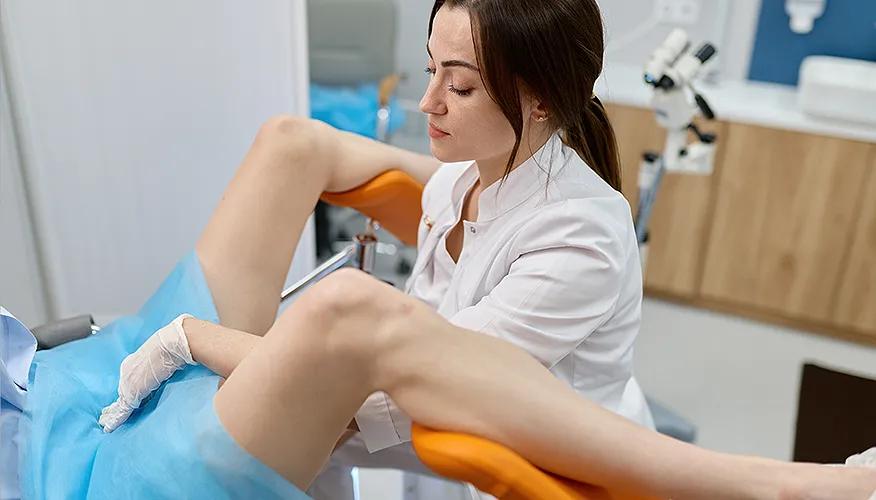
For many women, the uncertainty of what happens during a gynecological visit can cause anxiety.
Here is what a typical checkup might involve:
- Medical History Discussion: Your doctor will ask about your menstrual cycle, sexual health, family history, and any symptoms or concerns.
- Physical Exam: This may include checking your weight, blood pressure, and a pelvic exam to assess the health of your reproductive organs.
- Screenings: Depending on your age and health, screenings like a Pap smear, HPV test, or STI testing may be conducted.
- Personalized Advice: Your gynaecologist will provide guidance tailored to your stage of life, from managing period pain to addressing menopause symptoms.
Common concerns about gynecological visits (and how to overcome them)
- Feeling embarrassed: Remember, gynaecologists are trained professionals who have seen it all. Their goal is to ensure your comfort and health, not to judge.
- Fear of pain: While some procedures like Pap smears may feel uncomfortable, they are typically quick and painless. Communicate with your doctor to ease any concerns.
- Not knowing what to ask-: It is okay to come with questions or simply describe your symptoms. Your gynaecologist is there to guide the conversation.

Conclusion
Your intimate health is a cornerstone of your overall well-being, and regular gynecological checkups are a simple yet powerful way to honor and protect it. These visits are about more than just addressing concerns—they’re a chance to nurture yourself, stay informed, and build confidence in your body’s health.
Life gets hectic, and it’s easy to let these appointments slip through the cracks. But by prioritizing them, you’re making a statement: that your health matters, that you deserve care, and that you’re committed to your own well-being.
So, schedule that checkup, ask the questions you’ve been holding back, and take this step for yourself. Your body works hard for you every day—this is your chance to return the favor.
By making these visits a priority, you can embrace a lifetime of confident, informed health choices. Remember, your health is worth the time and care!
Meet our expert
.webp&w=1920&q=75)
Meet our expert
Dr. Kulyk Alexander Petrovich is a Ukraine-based gynecologist, with extensive experience in women's health. In 1995, he graduated from the Kyiv Medical University, and specialized in gynecology. He then went on to work as a gynecologist in the Institute of Pediatric, Obstetrics and Gynecology in Kyiv, where he worked until the year 2000.



How was the experience with article?
We'd love to know!