Ever felt a sudden, sharp ache in your lower back while lifting groceries or twisting awkwardly?
If you nodded yes, then you've experienced what many individuals face on a daily basis: a lower back muscle strain. This common issue often pops up uninvited during our day-to-day activities, putting a strain quite literally on our lives and our plans.
Back muscle strain can affect anyone, regardless of age or fitness level. Ever wonder why, notwithstanding your regular exercises and balanced diet, you still suffer from a muscle strain in your back? Or have you pondered why your lower left back pain seems to persist despite taking adequate rest?
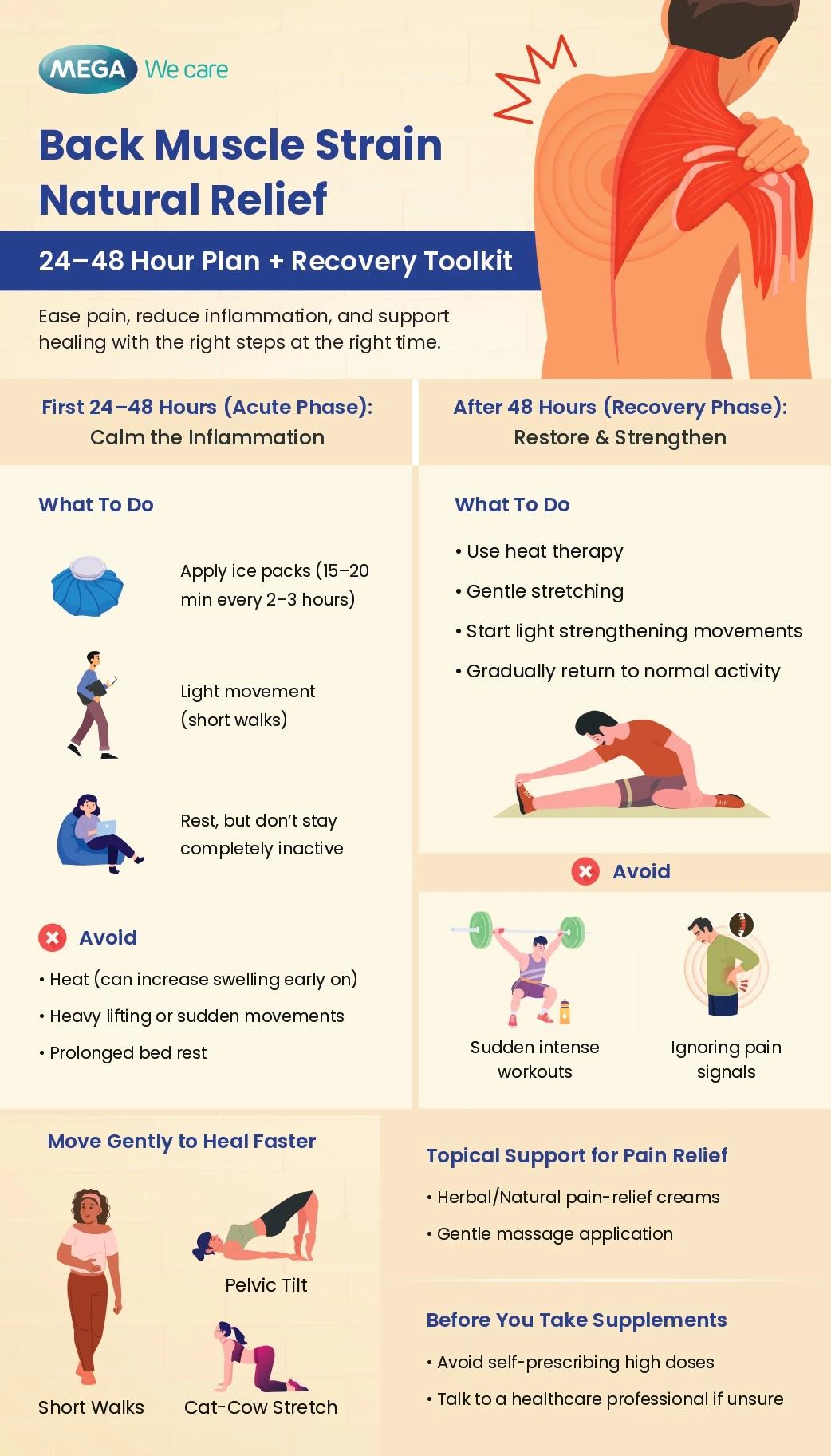
Back Muscle Strain Recovery Plan (First 48 Hours)
Here’s a simple 24–48 hour plan to manage back muscle strain and speed up recovery:
Stick with us as we explore some natural remedies for back muscle strain relief. We'll simplify and explain each concept along the way. So, sit back, relax those lumbar muscles (those are your lower back muscles), and prepare to learn how to soothe your back pain naturally!
Hot And Cold Therapy For Back Pain
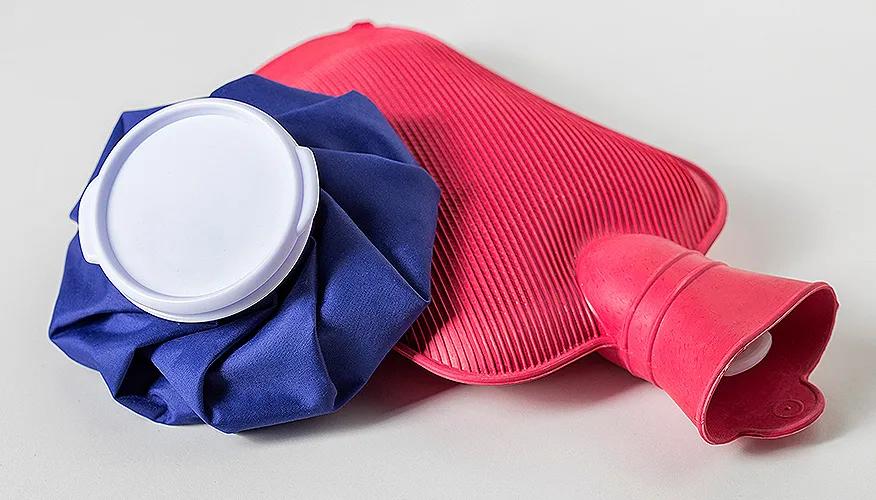
- Hot and cold therapy is a well-known and widely accepted method for relieving pain and reducing inflammation caused by back muscle strain or lower back muscle strain. The principle behind this therapy is quite simple.
- The heat helps increase blood flow and relaxes your muscles, thus reducing muscle tension.
- On the other hand, cold therapy reduces inflammation by constricting blood vessels, which can help with back sprains or a pulled muscle in the lower back.
- To use hot and cold packs effectively, never apply them directly to your skin to avoid burns or frostbite.
- Use a towel or cloth as a barrier between your skin and the pack. For heat therapy, a warm bath or a hot water bottle can also be used for 15-20 minutes at a time.
- For cold therapy, you can use an ice pack or even a bag of frozen peas wrapped in a cloth, again for 15-20 minutes at a time.
Epsom Salt Bath For Lower Back Pain Relief
- An Epsom salt bath is often recommended as a natural remedy for muscle pain relief, particularly for conditions like lower back injury or lumbar muscle strain.
- When dissolved in water, Epsom salt breaks down into magnesium and sulfate, which are believed to have pain-relieving and anti-inflammatory properties.
- To prepare an Epsom salt bath, simply add around 2 cups of Epsom salt into warm bathwater and soak for at least 15 minutes. You can do this up to three times weekly.
- However, if you don't have a bathtub, you can make an Epsom salt compress by mixing Epsom salt with enough warm water to create a thick paste, then apply it to the affected areas.
Massage Therapy For Back Muscle Strain Relief
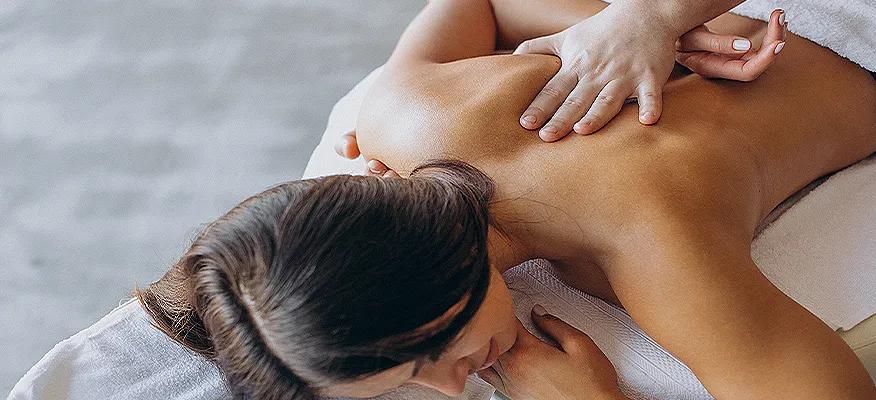
- Massage therapy is another effective method for easing muscle tension and improving circulation in back muscles strained due to rigorous activity.
- It works by applying varying degrees of pressure and movement to the body's soft tissues, which helps with muscle strain treatment and promotes relaxation.
- There are a number of techniques available for self-massage, such as using a foam roller or tennis balls.
- However, for a more comprehensive treatment, professional massage therapy may be beneficial.
- Always remember to inform your therapist about any existing muscle strain or lower left back pain so they can adjust their techniques accordingly.
Best Herbal Remedies For Back Muscle Strain
- Back muscle strain can be quite troublesome, but thankfully, nature has its own set of remedies to help us.
- Certain herbs possess anti-inflammatory and pain-relieving properties that can significantly alleviate pain.
- One such herb is Arnica, known for its potential to reduce pain and swelling. It's available in numerous forms, such as creams and gels, and when applied topically, it can work wonders for a lower back muscle strain or even a severe back sprain.
- Another beneficial herb is St. John's Wort. Known for its analgesic and anti-inflammatory effects, it has long been utilized as a natural remedy for pain relief.
- Similar to arnica, it can be used in multiple ways - you can drink it as a tea, apply it as a poultice, or use it in the form of creams.
- These herbal remedies can be your first line of defense against muscle strain treatment.
Best Exercises For Back Muscle Strain Recovery
- Maintaining flexibility and strength is key when dealing with a back muscle strain or a pulled muscle in the lower back.
- Gentle stretching and low-impact exercises can help enhance flexibility, lessen muscle tension, and fortify lumbar muscles, which can go a long way toward preventing further lower back muscle injury.
- Exercises like Pilates or low-impact aerobics can help you retain your mobility without causing much stress to your muscles.
- Additionally, stretches that focus on your back muscles, like the cat-camel stretch or child's pose, are excellent choices for easing lower left back pain and promoting muscle health.
Yoga & Mind-Body Techniques For Back Pain Relief
- When it comes to natural remedies for back muscle strain relief, it's fruitful to consider mind-body techniques such as yoga, meditation, and deep breathing.
- These methods are widely used and incredibly helpful for stress relief and pain management.
- Yoga is a low-impact exercise that strengthens not just the back muscles but the entire body's muscles while enhancing flexibility.
- Specific yoga poses can target the lumbar muscles, alleviating lower back muscle strain.
- Yoga can also help in managing muscle spasms in the lower back and addressing issues of pulled muscles in the lower back.
- Meditation, on the other hand, is a mind-body practice focusing on interactions among the brain, mind, body, and behavior.
- Regular meditation can help reduce muscle tension and decrease pain perception, making it a practical approach for muscle strain treatment.
- Moreover, deep breathing exercises are a quick way to reduce stress levels, helping you manage pain better.
Benefits of these techniques include:
- Providing an outlet for releasing muscle tension and promoting relaxation.
- Training the body to respond better to stress may reduce the likelihood of muscle strain in the back and related injuries, such as a back sprain or lower back muscle tear.
- Encouraging mindfulness, which can improve your response to physical discomfort like lower left back pain.
Daily Habits To Prevent Back Strain

Muscle health is significantly influenced by your lifestyle habits.
Here are some tips that can help you maintain your muscles' health benefits:
- Maintain a healthy weight: Carrying extra weight puts more strain on your back muscles, leading to issues like lower back muscle injury. A balanced diet and regular exercise can help you maintain a healthy weight.
- Stay hydrated: Water plays a significant role in maintaining muscle health, helping transport nutrients to the muscles.
- Improve your posture: Poor posture can lead to muscle strain in the back. Keep your body aligned while sitting or standing.
- Avoid activities that strain the back muscles: Overexertion or improper lifting can lead to back muscle strain. Always use proper techniques when lifting heavy objects.
- Eat a balanced diet: This is also paramount for overall muscle health. Include foods rich in protein, vitamins, and minerals.
Between hot and cold therapy, Epsom salt baths, massage therapy, herbal remedies, stretching and exercise, and mind-body techniques, numerous natural remedies are available to treat and manage a back muscle strain effectively. These strategies can not only provide pain relief but also help maintain overall muscle health.

Conclusion
Remember, these remedies work best when combined with lifestyle modifications that support general health and well-being.
So, whether you're dealing with lower left back pain or a lower back muscle injury, always remember to listen to your body and seek professional help if the pain persists.
You don't have to live with constant discomfort; natural remedies can offer significant help for muscle strain treatment. Treat your body kindly, and it will serve you well in return.
Meet our expert

Meet our expert
Dr. Irina Borisovna Stefanenko, a medical doctor based in Ukraine, graduated from Vinnitsa State Medical University in 1995. Between 1995 and 2000, Dr. Stefanenko pursued postgraduate studies and engaged in scientific activities at Vinnytsa Medical University in Ukraine.


How was the experience with article?
We'd love to know!