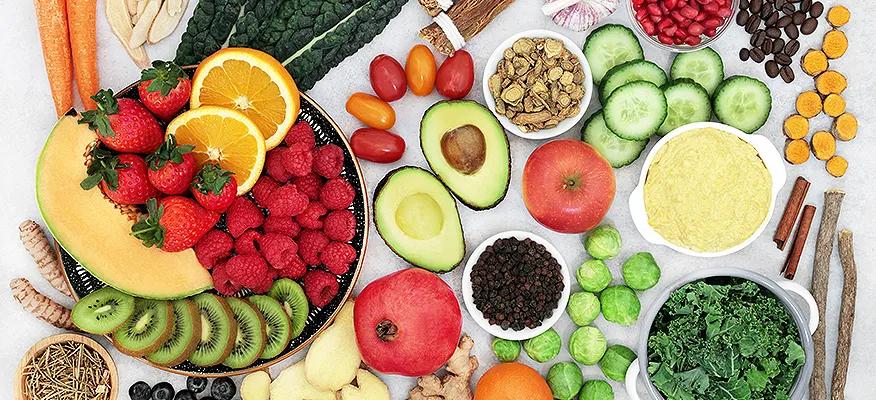
Anti-inflammatory foods can help reduce chronic inflammation—the root cause of many types of pain—and support long-term health naturally.
Do you often find yourself reaching for over-the-counter pain relievers? Perhaps due to a nagging headache or an uncomfortable twinge in your back? What if we tell you that nature has blessed us with an arsenal of foods that possess their very own anti-inflammatory powers? Yes, you read it right! These foods can be your natural defense against those bothersome aches and pains.
It’s amazing how often we overlook the simple solutions found right in our kitchen. Just think about it - a pantry filled with anti-inflammatory foods, ready to wage war against inflammation and reduce pain. Sounds too good to be true?
Well, buckle up because we are about to embark on a fascinating journey through the world of anti-inflammatory foods.
From the whiff of fresh ginger tea to the tangy punch of pineapples, these everyday foods have been playing a heroic role in suppressing inflammation. It's time to appreciate their contribution and understand how they function. Ready to say goodbye to recurring pain in a more natural way?
Let’s dive deeper into the magic of these anti-inflammatory powerhouses.
Understanding Inflammation and Pain

Inflammation is a natural response of your body’s immune system to injury or infection.
When something harmful or irritating affects a part of our body, there is a biological response to try to remove it and protect the area. This response includes the release of antibodies and proteins, as well as increased blood flow to the damaged area. The reaction may cause redness, warmth, swelling, and pain.
Pain associated with inflammation usually occurs because the swelling pushes against nerve endings. This pressure sends signals to your brain that something is wrong, which is interpreted as pain.
Besides physical discomfort, inflammation can also lead to other health issues if it becomes chronic. Long-term inflammation is linked to various diseases like heart disease, diabetes, and arthritis.
Link Between Diet and Inflammation
What you eat can play a significant role in managing inflammation.
Certain foods have been found to reduce inflammation in the body, while others might worsen it. Diets high in processed foods, unhealthy fats, sugar, and artificial additives can trigger inflammatory responses in the body.
On the other hand, adopting an anti-inflammatory diet rich in fruits, vegetables, lean proteins, nuts, legumes, and healthy fats can help combat inflammation. These foods contain natural anti-inflammatory compounds that help soothe flare-ups and reduce chronic inflammation.
Top Anti-Inflammatory Foods to Include in Your Diet
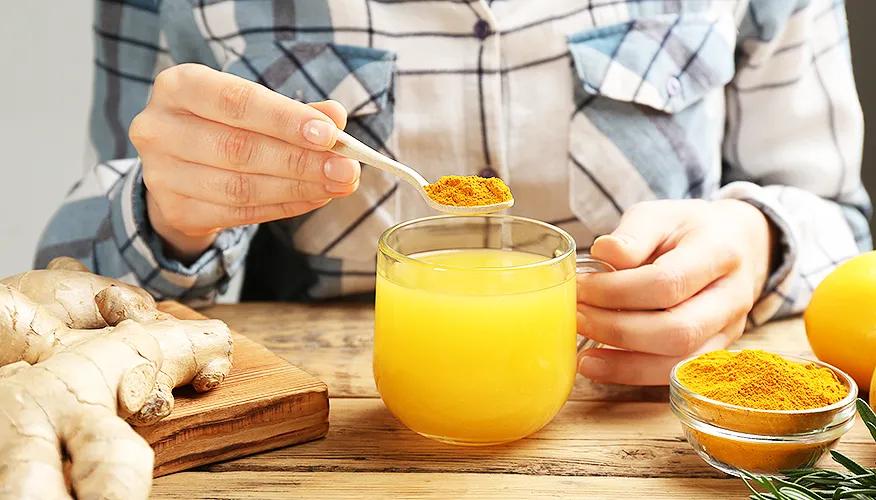
Incorporating a variety of foods known for their anti-inflammatory properties into your diet can help manage inflammation and support overall health.
Here are some top choices to consider:
1. Berries
- Strawberries, blueberries, raspberries, and blackberries are packed with anthocyanins, powerful antioxidants that have been shown to reduce inflammation and oxidative stress.
- These compounds help lower the risk of chronic diseases such as heart disease and cancer.
2. Broccoli
- This green vegetable is a nutritional powerhouse, rich in vitamins C and K, fiber, and sulforaphane, a potent anti-inflammatory compound.
- Sulforaphane helps reduce oxidative stress and inflammation by inhibiting the activation of inflammatory pathways.
3. Avocado
- Avocados are loaded with antioxidants, fiber, and heart-healthy monounsaturated fats, particularly oleic acid, which has anti-inflammatory effects.
- They also contain compounds like carotenoids and tocopherols that have been linked to reduced cancer risk.
4. Green Tea
- This popular beverage is renowned for its high antioxidant content, particularly epigallocatechin gallate (EGCG), which has strong anti-inflammatory properties.
- Regular consumption of green tea can help reduce inflammation, protect against cell damage, and lower the risk of chronic diseases.
5. Nuts and Seeds
- Almonds, walnuts, chia seeds, and flaxseeds are excellent sources of healthy fats, fiber, and antioxidants.
- Walnuts, in particular, are high in omega-3 fatty acids, which help reduce inflammation.
6. Leafy Greens
- Spinach, kale, and Swiss chard are rich in vitamins, minerals, and phytonutrients that help combat inflammation.
- These greens are particularly high in antioxidants like vitamin C, vitamin E, and beta-carotene.
7. Tomatoes
- Tomatoes are an excellent source of lycopene, an antioxidant that has anti-inflammatory properties.
- Cooking tomatoes, such as in sauces or soups, enhances the availability of lycopene.
8. Olive Oil
Extra virgin olive oil is a staple of the Mediterranean diet and is rich in monounsaturated fats and oleocanthal, a compound that has similar anti-inflammatory effects to ibuprofen.
9. Turmeric
- This vibrant yellow spice contains curcumin, a powerful anti-inflammatory and antioxidant compound.
- Curcumin helps inhibit multiple molecules known to play a role in inflammation.
10. Ginger
- Ginger contains bioactive compounds such as gingerol that have strong anti-inflammatory and antioxidant effects.
- It is particularly effective in reducing muscle pain and soreness.
11. Garlic
- Garlic contains sulfur compounds that stimulate the immune system and reduce inflammation.
- Allicin, one of the active compounds in garlic, has been shown to help fight infections and reduce inflammation.
12. Beets
- Beets are rich in fiber, vitamins and minerals. They contain betalains, which are antioxidants with anti-inflammatory properties that help reduce inflammation and oxidative stress.
How Anti-Inflammatory Foods Help Reduce Pain
Regular consumption of anti-inflammatory foods can significantly impact pain management.
Foods like ginger and turmeric contain compounds that inhibit the production of pro-inflammatory chemicals in the body. This results in decreased inflammation and, hence, less pain.
Additionally, antioxidants found in many fruits and vegetables help neutralize harmful free radicals that could lead to inflammation and pain.
In fact, studies have found that a diet high in fruits, vegetables, lean proteins, whole grains, and healthy fats is associated with lower levels of inflammatory markers in the body.
How to Follow an Anti-Inflammatory Lifestyle

An anti-inflammatory diet is just one piece of the puzzle when it comes to managing inflammation.
Adopting a comprehensive anti-inflammatory lifestyle can significantly enhance your overall well-being.
Here are some tips to help you integrate these practices into your daily routine:
1. Make exercise a routine
Regular physical activity helps reduce inflammation by lowering levels of inflammatory markers in the body and promoting overall cardiovascular health.
Aim for at least 150 minutes of moderate aerobic exercise or 75 minutes of vigorous exercise per week, along with strength training exercises twice a week.
Activities like walking, swimming, cycling, and yoga are particularly beneficial for reducing inflammation and improving flexibility and strength.
2. Get enough sleep
Sleep deprivation can trigger inflammation and weaken the immune system, so aim for 7-9 hours of quality sleep each night.
Establish a consistent sleep routine by going to bed and waking up at the same time every day, even on weekends.
Create a sleep-conducive environment by keeping your bedroom cool, dark, and quiet, and avoid screens before bedtime to promote better sleep quality.
3. Manage stress
Chronic stress can cause inflammation and negatively impact overall health. Adopting stress management techniques is essential for reducing inflammation.
Mindfulness practices like meditation, deep breathing exercises, and yoga can help manage stress levels and promote relaxation.
Regularly engaging in hobbies and activities you enjoy, spending time in nature, and maintaining social connections can also help alleviate stress and reduce inflammation.
4. Avoid smoking
Smoking causes chronic inflammation and increases the risk of various health conditions, including heart disease, cancer, and respiratory issues.
Quitting smoking can significantly reduce inflammation and improve overall health. Seek support from healthcare providers, support groups, or smoking cessation programs to help you quit.
Avoid exposure to secondhand smoke as it can also contribute to inflammation and increase health risks.
5. Maintain a healthy weight
Excess body weight, particularly abdominal fat, can promote inflammation and increase the risk of chronic diseases.
To achieve and maintain a healthy weight, adopt a balanced diet rich in anti-inflammatory foods combined with regular physical activity.
Focus on portion control, mindful eating, and avoiding processed and sugary foods to support weight management and reduce inflammation.
6. Stay hydrated
Adequate hydration is essential for maintaining optimal bodily functions and reducing inflammation.
Drink plenty of water throughout the day and limit sugary drinks and alcohol, which can contribute to inflammation and dehydration.
7. Limit alcohol consumption
Excessive alcohol intake can lead to inflammation and damage to various organs, including the liver and pancreas.
If you choose to drink, do so in moderation. The recommended limit is one drink per day for women and two drinks per day for men.
Conclusion
Incorporating anti-inflammatory foods into your diet is a wholesome approach to pain management. It’s not just about easing the symptoms but addressing the root cause by reducing chronic inflammation.
Remember, while changes in diet can bring about significant improvements, it’s essential to consider other lifestyle factors as well. An active lifestyle coupled with a balanced diet and good sleep habits is the key to overall health and well-being.
Let’s embrace these natural defenses against pain and live a healthier, happier life!
Meet our expert

Meet our expert
Dr. Irina Borisovna Stefanenko, a medical doctor based in Ukraine, graduated from Vinnitsa State Medical University in 1995. Between 1995 and 2000, Dr. Stefanenko pursued postgraduate studies and engaged in scientific activities at Vinnytsa Medical University in Ukraine.



How was the experience with article?
We'd love to know!