
The Mediterranean diet may help reduce chronic pain and inflammation through nutrient-rich foods like olive oil, fruits, vegetables, whole grains, and healthy fats.
Yikes! That dull, aching pain–again! If you’ve ever winced at the sudden onset of an unwelcome body ache or grimace when an old injury flares up, you know that pain can be a real party pooper. When it strikes, it has a sneaky way of making even the simplest tasks feel like climbing Mount Everest.
Most of us have experienced some form of discomfort or pain in everyday life, either from an injury, stress, or simply the wear and tear of daily activity.
According to data, over 50 million adults in the United States suffer from chronic pain. Yes, you read it right–50 million.
Now, here's a thought: what if we told you that the secret to managing this pain lies in your pantry? Intriguing, isn’t it? Well, prepare to be amazed as we introduce you to the wonders of the Mediterranean diet and how it can be your new best friend in managing and easing those stubborn aches and pains.
Let’s embark on this delicious journey together!
What Is the Mediterranean Diet?
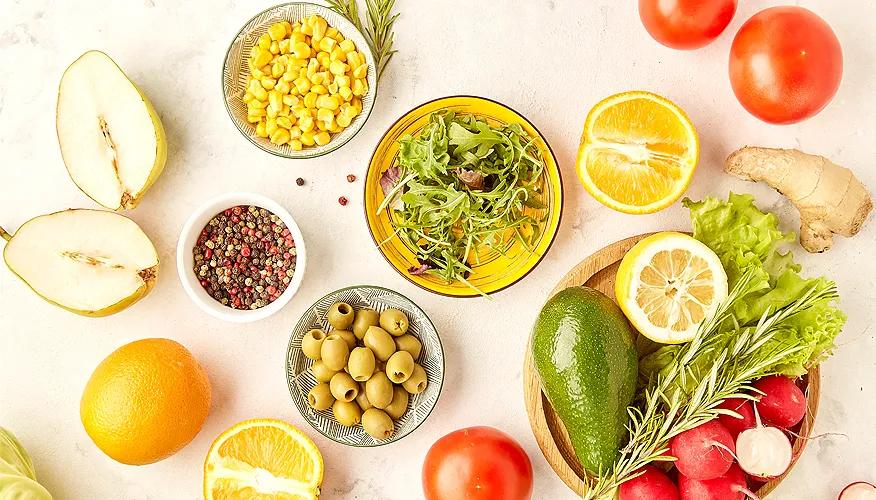
The Mediterranean diet is a heart-healthy eating plan that emphasizes fruits, vegetables, whole grains, beans, nuts and seeds, and healthy fats. This diet pattern is inspired by the traditional cuisines of countries along the Mediterranean Sea.
Contrary to many other diets, the Mediterranean diet does not restrict any food groups but rather encourages moderation and balance. The primary aspect of this diet is an emphasis on plant-based foods, lean proteins, and healthy fats like olive oil.
Physical activity and enjoying meals with family and friends are also vital parts of the Mediterranean lifestyle. This combination ensures a well-rounded, healthy lifestyle that benefits overall health and well-being.
Connection Between Chronic Pain and Diet
Chronic pain, which is pain that persists for weeks or even years, can be debilitating and affect your quality of life significantly. But did you know that what you eat might help manage chronic pain? Yes, indeed! Your diet can play a substantial role in managing pain.
Inflammatory foods can aggravate chronic pain, whereas anti-inflammatory foods can help alleviate it. Chronic inflammation is often linked to chronic diseases, including arthritis, heart disease, diabetes, and even cancer.
Consuming a diet rich in anti-inflammatory foods like fruits, vegetables, lean proteins, and healthy fats can help manage inflammation, thereby reducing pain.
How the Mediterranean Diet Helps Relieve Pain
The Mediterranean diet is packed with anti-inflammatory foods that may help decrease inflammation levels in your body. These include fruits and vegetables high in antioxidants, fiber-rich whole grains, lean proteins such as chickpeas, and heart-healthy fats like nuts.
Furthermore, research has shown that adhering to a Mediterranean diet can improve physical function and reduce disability in people suffering from osteoarthritis—a condition characterized by chronic joint pain.
The diet’s high levels of antioxidants, omega-3 fatty acids, and monounsaturated fats can help reduce inflammation in joints, alleviating pain and stiffness associated with osteoarthritis.
Additionally, the fiber and nutrient density of this diet promote a healthy weight, which is crucial for managing joint health. Maintaining a healthy weight reduces pressure on the joints, thereby potentially alleviating pain and improving mobility.
Moreover, the Mediterranean diet emphasizes whole, unprocessed foods, which can contribute to a reduction in overall body inflammation.
Regular consumption of these foods supports metabolic health, reducing the risk of chronic diseases such as diabetes and cardiovascular disease, which are often associated with heightened inflammation.
By stabilizing blood sugar levels and promoting heart health, this diet further supports overall well-being and pain management.
Best Mediterranean Diet Foods for Pain Relief
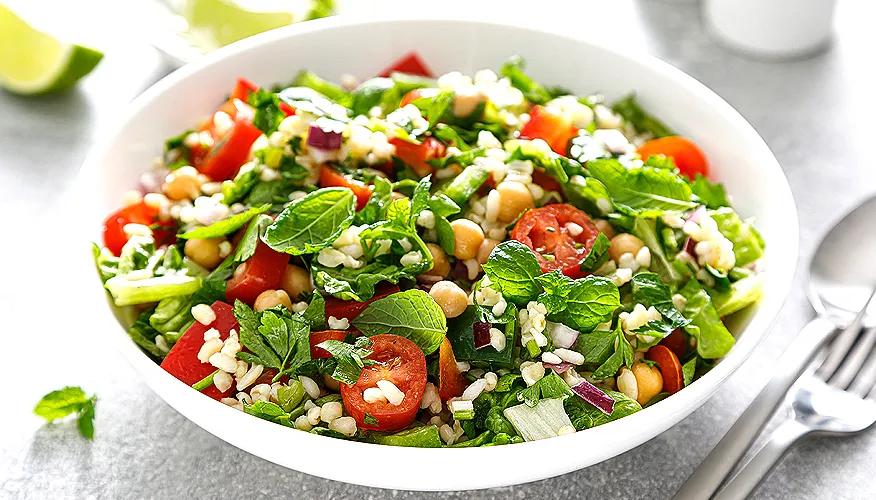
Fruits and vegetables
- Include a variety of colorful fruits and vegetables in your diet, such as tomatoes, broccoli, kale, spinach, bell peppers, oranges, berries, and grapes. These are packed with vitamins, minerals, and antioxidants that fight inflammation.
- The bright and varied colors of these foods indicate the presence of different phytonutrients and antioxidants, such as vitamin C, flavonoids, and carotenoids, which protect against cellular damage and support the immune system.
- Regular consumption of these foods can help reduce the risk of chronic diseases and improve overall health.
Whole grains
- Opt for whole grains like oatmeal, brown rice, quinoa, and whole wheat bread. They're rich in fiber, which aids digestion and helps control weight.
- Whole grains are also a source of essential nutrients like B vitamins, iron, magnesium, and selenium. These grains help maintain steady blood sugar levels, reducing the risk of insulin resistance and type 2 diabetes.
- By including whole grains in your diet, you can enhance digestive health, support metabolic function, and promote a feeling of fullness, which can assist in weight management.
Lean Protein Sources
- Beans, and legumes are excellent sources of lean protein. They help build and repair tissues in your body.
- Beans and legumes, such as lentils, chickpeas, and black beans, are not only high in protein but also packed with fiber, vitamins and minerals, making them a versatile and healthful component of your diet.
Healthy Fats for Inflammation Relief
- Include healthy fats like avocados, nuts, and seeds in your diet. They have anti-inflammatory properties that can help manage pain.
- Avocados are rich in heart-healthy monounsaturated fats, fiber, potassium, and vitamins C, K, and E.
- Nuts and seeds, such as almonds, walnuts, chia seeds, and flaxseeds, provide a good balance of healthy fats, protein, and fiber, along with essential micronutrients like magnesium and vitamin E.
- These fats support cardiovascular health, enhance nutrient absorption, and contribute to overall satiety and energy levels.
Mediterranean Diet Meal Plan for Pain Relief
Meal planning with the Mediterranean diet involves incorporating a variety of nutrient-rich foods in your meals throughout the week.
Here’s a simple guide to help you get started:
- Breakfast: Start your day with a bowl of oatmeal topped with fresh berries, walnuts, and a drizzle of honey.
- Lunch: For lunch, make a vibrant salad with fresh greens, cherry tomatoes, cucumber slices, olives, cooked lentils, or chickpeas for protein, along with a dressing made from olive oil and fresh lemon juice.
- Dinner: Tofu with a side of roasted vegetables and quinoa.
- Snacks: For snacks, reach for fresh fruits, a handful of nuts, or Greek yogurt.
- Beverages: Water and herbal teas are ideal. If you consume alcohol, a glass of red wine in moderation can be part of your evening meal.
Conclusion
Embracing the Mediterranean diet can be a powerful tool in managing chronic pain. Its emphasis on plant-based foods, lean proteins, and healthy fats provides your body with the necessary nutrients it needs to combat inflammation and ease pain symptoms.
Moreover, adopting this diet is not just about changing what’s on your plate. It's also about savoring each meal, enjoying the company of loved ones around the dining table, and taking pleasure in life’s simple joys.
As you transition to this wholesome way of eating and living, you may find that it doesn't just alleviate physical discomfort but enhances your overall sense of well-being, too. Consider the Mediterranean diet not only as a food plan but as a lifestyle choice that champions health, happiness, and longevity.
Meet our expert

Meet our expert
Dr. Inna Anatolyivna Kirilyuk graduated from Vinnytsia National Medical University in 2008, marking the inception of her remarkable journey in healthcare. Following her graduation, Dr. Kirilyuk embarked on a path of continuous learning and specialization.



How was the experience with article?
We'd love to know!