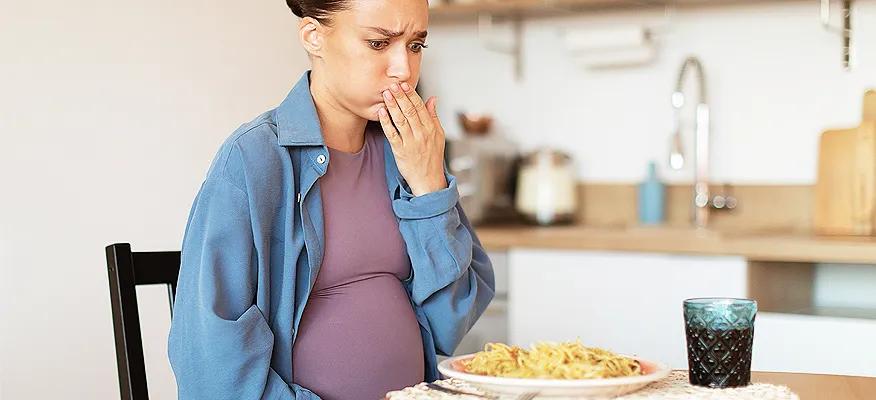
That familiar tingle on your tongue from your favorite spicy curry might feel different now that you're expecting. Maybe your usual order of extra-hot chili noodles suddenly seems overwhelming, or perhaps you're craving jalapeños like never before.
Many expecting mothers find themselves craving those familiar, comforting spices that have always been part of their meals. However, many wonder, "Is spicy food good for pregnancy?".
Let's break it down.
Is spicy food safe during pregnancy?
The good news is that eating spicy food during pregnancy is generally considered safe for both you and your baby. There's no scientific evidence suggesting that spicy foods cause harm or need to be completely avoided during pregnancy.
Your body can handle the same foods it did before pregnancy, including those with a kick of heat. The capsaicin in chili peppers and other spicy ingredients won't cross the placental barrier in ways that could affect your developing baby.
However, the key word here is tolerance. While spicy foods won't hurt your baby, they might affect how you feel during pregnancy. Some women find that their digestive systems become more sensitive during pregnancy, making them more prone to heartburn or stomach upset after eating spicy meals.
The bottom line: Can pregnant women eat spicy foods? Yes, but listen to your body and adjust accordingly.
What does it mean if pregnant women crave spicy food?
Suddenly finding yourself reaching for extra hot sauce or craving that spicy street food you used to love?
You're experiencing something completely normal. Cravings for spicy food during pregnancy are incredibly common and are primarily linked to the hormonal roller coaster your body is riding.
During pregnancy, changes in estrogen and progesterone levels can significantly alter your sense of taste and smell. What once tasted mild might now seem bland, leading you to seek out more intense flavors, including spicy ones.
Here's what those spicy cravings don't mean:
- That something is wrong with your pregnancy
- That you need to eat spicy food to meet any specific health requirement
- A sign of nutritional deficiency
Think of these cravings as your body's way of navigating the sensory changes of pregnancy. Some women crave sweet foods and others salty, and if you're craving spicy, that's just your unique pregnancy experience unfolding.
Possible benefits of spicy food during pregnancy
Eating spicy food when pregnant might actually offer some unexpected perks beyond just satisfying your taste buds. The compounds that give spicy foods their heat, particularly capsaicin found in chilies, come with some interesting benefits.
- Mood-boosting properties: Capsaicin triggers the release of endorphins, those feel-good hormones that can help lift your spirits. During pregnancy, when mood swings are common, this natural mood boost can be particularly welcome.
- Anti-inflammatory effects: Many spicy ingredients, including ginger, turmeric, and chilies, have natural anti-inflammatory properties that may support your overall health during pregnancy.
- Immune system support: Spices like garlic, ginger, and various chilies contain compounds that may help strengthen your immune system, something especially valuable when you're pregnant and your immunity is naturally somewhat suppressed.
- Future food preferences: Here's a fascinating benefit for your baby: research suggests that flavors from your diet, including spices, can pass into the amniotic fluid. This early exposure may make your child more accepting of diverse, flavorful foods later in life, potentially setting them up for a more adventurous palate.
Potential risks and discomforts of eating spicy food during pregnancy
While spicy food during pregnancy is generally safe, it can sometimes make you uncomfortable, and comfort matters a lot when you are already dealing with pregnancy's many physical changes. Common discomforts include:
- Heartburn and acid reflux: As your pregnancy progresses and your growing uterus puts pressure on your stomach, spicy foods can trigger or worsen these already common pregnancy symptoms.
- Indigestion and bloating: Your digestive system slows down during pregnancy, and spicy foods might exacerbate feelings of fullness and discomfort.
- Nausea: If you are dealing with morning sickness, spicy foods might make nausea worse for some women.
- Diarrhea: Some women find their digestive systems become more sensitive to spicy foods during pregnancy.
The important thing to remember is that these risks are about your comfort, not your baby's safety. Is it bad to eat chili while pregnant? No, but it might be uncomfortable for you.
Can spicy foods help start labor?
This is one of those persistent pregnancy myths that just won't go away. You've probably heard someone suggest eating extra spicy food to kickstart labor when you're past your due date.
The truth: There is absolutely no scientific evidence that spicy food can induce labor or speed up the onset of contractions.
While spicy foods might cause some digestive upset that could feel like cramping, this isn't the same as labor contractions. Eating extremely spicy food when you're hoping to go into labor is more likely to leave you with an upset stomach than a baby in your arms.
If you're past your due date, stick to proven methods recommended by your doctor.
Are spicy foods safe for you?
The answer to the question, "Is spicy food good for pregnancy?" depends largely on your individual tolerance and pregnancy experience. For most women, the answer is a resounding yes, with some practical considerations.
You should feel confident eating spicy foods if:
- You regularly enjoyed them before pregnancy
- They don't trigger uncomfortable symptoms
- You're eating them as part of a balanced, nutritious diet
- You're practicing good food safety habits
Consider limiting spicy foods if:
- You're experiencing severe heartburn or acid reflux
- They worsen morning sickness symptoms
- You're new to spicy foods (introduce them gradually)
- They consistently cause digestive upset
Side effects of eating spicy food while pregnant
Understanding what to expect can help you make informed decisions about including spicy foods in your pregnancy diet. Most common side effects:
- Heartburn and acid reflux
- Stomach upset or indigestion
- Increased nausea
- Bloating and gas
- Changes in bowel movements
Side effects by trimester
While spicy foods aren't harmful to your baby, they can affect how you feel at different stages of pregnancy. Here's a breakdown of common side effects by trimester.
First trimester: During early pregnancy, spicy foods are unlikely to cause major problems, but they might worsen morning sickness for some women. If you're already struggling with nausea, you might want to stick to milder flavors until this phase passes.
Second and third trimester: As your pregnancy progresses, you're more likely to experience:
- Increased heartburn and acid reflux due to your growing uterus putting pressure on your stomach
- More noticeable bloating and gas
- Potential digestive upset or diarrhea
- General gastrointestinal sensitivity
These symptoms are temporary and will resolve after delivery.
Does spicy food affect the baby?
Here's what every expecting mother wants to know: will eating spicy food during the first trimester of pregnancy or any other time affect your baby? The reassuring answer is no, spicy foods do not harm your baby or cause birth defects.
In fact, there might be a positive connection. Research suggests that flavors from your diet, including spices, can pass into the amniotic fluid that surrounds your baby. This means your little one is getting a preview of the flavors they might encounter after birth. This early flavor exposure may actually benefit your child by making them more receptive to diverse foods later in life.
So, when you're wondering, "Is spicy food good for pregnancy?" remember that you might be setting your baby up for a lifetime of adventurous eating.
Safe tips for eating spicy food while pregnant
Want to keep enjoying your favorite spicy dishes safely? Here are some practical strategies for eating spicy food when pregnant:
- Start slowly: If you're not used to spicy foods, introduce them gradually to avoid shocking your system.
- Stay hydrated: Drink plenty of water, especially in warmer climates where spicy foods are common.
- Listen to your body: If heartburn or indigestion strikes, consider dialing back the heat level or frequency.
- Practice food safety: Ensure all ingredients, especially fresh chilies and spices, are thoroughly washed and properly prepared.
- Timing matters: Avoid large spicy meals close to bedtime to minimize nighttime heartburn.
- Keep antacids handy: Safe, pregnancy-approved antacids can help if heartburn occurs.
Healthy spicy food ideas for pregnant women
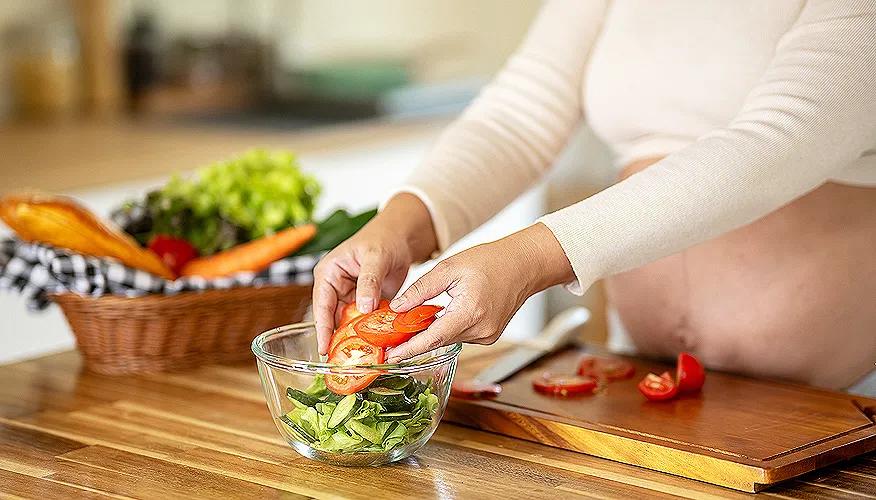
Wondering how to satisfy those spicy cravings while maintaining good nutrition? Here are some delicious, pregnancy-friendly options:
Protein-rich options:
These dishes pack in plant-based protein without weighing you down. They’re lightly spiced, flavourful, and nourishing, perfect for maintaining energy and supporting muscle health.
- Lentils with mild spices and turmeric
- Grilled fish with chili-lime marinade
- Spiced chicken curry with vegetables
- Spicy chickpea and vegetable chili
Vegetable dishes:
Fresh, seasonal vegetables come alive with gentle spices and smart cooking techniques. These options are rich in fibre, vitamins, and flavors.
- Roasted vegetables with a light sprinkle of cayenne
- Roasted sweet potatoes with cumin and paprika
- Spicy vegetable soups with plenty of nutrients
- Vegetable curry with coconut milk (the coconut milk helps temper the heat)
Cooling combinations:
To balance heat, cooling additions like yogurt, fruits, and spiced buttermilk can soothe the system while still keeping your meals interesting.
- Fresh fruit with a sprinkle of chili powder (popular in many cultures)
- Spiced buttermilk to balance the heat
Conclusion
So, is spicy food good for pregnancy? The answer is refreshingly straightforward: yes, for most women, spicy foods are perfectly safe and can even offer some benefits during pregnancy. While they may cause some digestive discomfort, especially heartburn and indigestion, these effects are temporary and manageable.
The key is listening to your body, practicing moderation, and maintaining good food safety habits. Adjust your intake based on how you feel, and remember that every pregnancy is unique. Your favorite spicy dishes can remain part of your pregnancy journey.
Meet our expert

Meet our expert
She holds a Bachelor of Nutrition & Community Health with Distinction from Universiti Putra Malaysia and has been a dedicated healthcare professional since 2014. As the Customer Care Manager, she leads a team of skilled dietitians and nutritionists, committed to serving the community.


How was the experience with article?
We'd love to know!