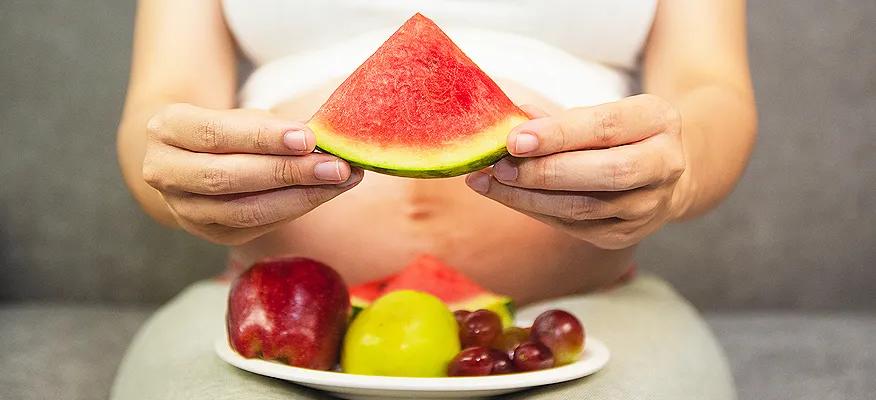
When you're carrying a little one, every food choice feels like it comes with a million questions. That juicy, refreshing watermelon sitting in your kitchen might have you wondering: Is it safe? Will it help with those waves of nausea?
The good news is that watermelon in pregnancy is not only safe but also one of your most comforting allies during these transformative months.
Is watermelon safe during pregnancy?
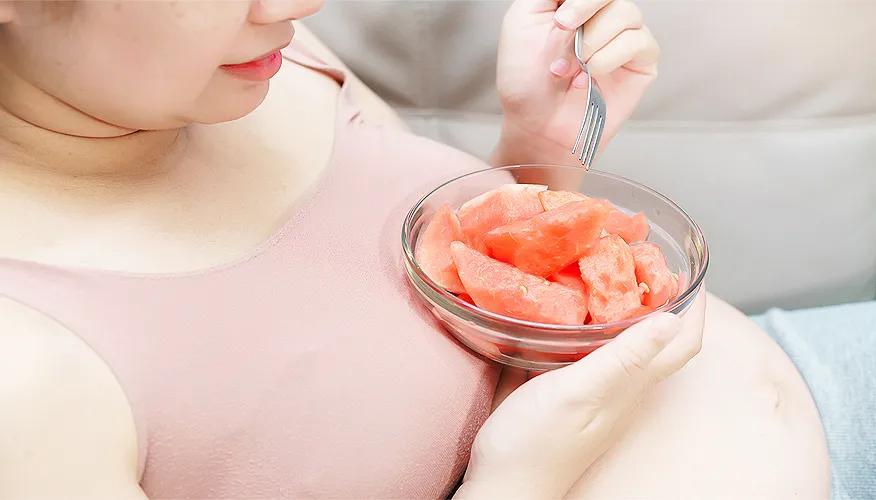
Yes, watermelon is generally safe to eat during pregnancy when you consume it in moderation and follow basic food safety practices. There's no credible research linking watermelon to any adverse pregnancy outcomes in healthy women.
What makes this even better? Studies have actually found that watermelon can be beneficial for pregnant women dealing with nausea or severe morning sickness. In one research study, women with hyperemesis gravidarum (severe pregnancy vomiting) found watermelon was not only well-tolerated but actually soothing.
The key is treating watermelon like any other fresh produce during pregnancy; wash it properly, store it correctly, and enjoy it as part of a balanced diet. Your body and your baby can both benefit from this naturally sweet, hydrating fruit.
Nutritional value of watermelon
Watermelon is about 90-92% water, making it incredibly hydrating while staying low in calories.
Here's what you get in approximately one cup (about 152 grams) of diced watermelon:
- Calories: 46
- Carbohydrates: 12 g (including 9 g of natural sugar)
- Vitamin C: 12 mg
- Vitamin A: 0.26 mg
- Potassium: 170 mg
The best part? Unlike processed snacks, watermelon delivers these nutrients alongside natural hydration, something your body craves even more during pregnancy.
Health benefits of eating watermelon during pregnancy
During pregnancy, your body is working overtime, and the health benefits of watermelon can be just the added support you need.
Keeps you hydrated when you need it most
During pregnancy, your body needs about 10 cups of fluid daily. The benefits of watermelon in pregnancy start with its incredible water content, which helps you meet those increased hydration needs without forcing yourself to drink glass after glass of plain water.
Natural relief for morning sickness
If you've been struggling with nausea, watermelon for nausea might become your new best friend. Research has revealed that watermelon was particularly well-tolerated by women experiencing severe morning sickness, offering both hydration and gentle nutrition when keeping other foods down felt impossible.
Gentle support for digestion
Pregnancy constipation is real and uncomfortable. Watermelon's combination of water and fiber can help keep things moving naturally, without the harsh effects of some over-the-counter remedies.
Antioxidant protection
The lycopene in watermelon acts as a natural antioxidant, helping protect your cells from damage. While some early research suggested lycopene might help prevent preeclampsia, current evidence shows this benefit is more likely from high-dose supplements rather than food sources alone.
How much watermelon can you eat during pregnancy?
Moderation is your friend here. Most nutrition experts suggest limiting watermelon to 1-2 cups (about 150-300 g) per day as part of a varied diet. Why the limit? While watermelon is nutritious, it does contain natural sugars.
Overeating can lead to:
- Digestive discomfort
- Blood sugar spikes
- Feeling too full to eat other vital nutrients
Best time to eat watermelon in pregnancy
The beauty of watermelon is that you can enjoy it whenever you like. However, many women find that certain times work better:
- Morning: Perfect for easing nausea and starting your day with hydration
- Afternoon: An excellent cooling snack, especially during the summer
- Between meals: Helps maintain energy without interfering with main meals
Some women prefer eating watermelon earlier in the day to avoid frequent nighttime bathroom trips or potential heartburn before bed. Listen to your body as it knows what works best.
Related:The Best Fruits for Expecting Mothers
Tips for eating watermelon safely during pregnancy
Food safety becomes even more important when you're pregnant. Here's how to enjoy watermelon safely:
- Wash thoroughly: Scrub the rind with clean water before cutting, even if you're not eating the skin.
- Use clean tools: Always use clean knives and cutting boards.
- Store properly: Keep cut watermelon refrigerated and eat within 1-2 days.
- Skip pre-cut varieties: Unless you trust the source completely, cut your own watermelon.
- Keep it cool: In hot climates, ensure watermelon stays properly chilled to prevent bacterial growth.
Ways to consume watermelon in pregnancy
Variety keeps things interesting, especially when you're dealing with changing taste preferences during pregnancy, so here are a few ways to consume watermelon in pregnancy:
- Fresh and simple: Diced or sliced watermelon straight up.
- Smoothie boost: Blend with yogurt and a handful of spinach for extra nutrients.
- Frozen treats: Freeze watermelon cubes for a cooling snack.
- Fruit salads: Mix with other pregnancy-friendly fruits.
- Chilled soups: Try a refreshing watermelon gazpacho.
- Infused water: Add watermelon pieces to your water bottle for a natural flavor boost.
The key is finding preparations that appeal to you, especially if your taste preferences have shifted during pregnancy.
Possible side effects of eating too much watermelon during pregnancy
While watermelon benefits for pregnant women are numerous, overdoing it can cause some uncomfortable issues:
- Digestive problems: Consuming too much watermelon can cause bloating, gas, or diarrhea due to its high water and natural sugar content.
- Blood sugar concerns: If you have gestational diabetes or are at risk, the natural sugars in large amounts of watermelon could affect your glucose levels.
- Stomach discomfort: Some women find that eating watermelon on an empty stomach or in large quantities causes mild nausea or stomach upset.
The solution? Stick to 1-2 cups daily and pay attention to how your body responds.
Watermelon seeds and pregnancy: Are they safe?
Don't panic if you accidentally swallow a few watermelon seeds because they're not harmful. Small amounts pass through your system without issue.
However, avoid intentionally eating large quantities of raw seeds, as they could potentially cause digestive discomfort. In some cultures, roasted watermelon seeds are enjoyed as a protein-rich snack, which is perfectly safe when prepared hygienically and eaten in moderation. If you have digestive sensitivities, seedless varieties might be your most comfortable option.
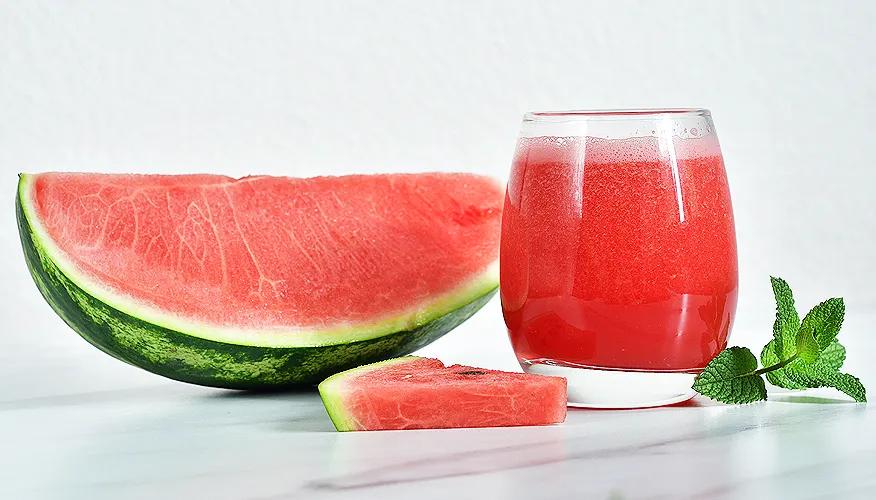
Watermelon juice vs. whole fruit in pregnancy
While watermelon juice can be refreshing and hydrating, whole watermelon is generally the better choice during pregnancy. Here's why:
| Whole Watermelon | Watermelon Juice |
| Contains fiber for digestion | Missing beneficial fiber |
| Slower sugar absorption | Faster blood sugar spikes |
| More filling and satisfying | Less satiety |
| Longer shelf life when cut | Must be consumed quickly |
If you do choose juice, make it fresh at home and drink it immediately to avoid bacterial growth. But to get the most benefits of watermelon in pregnancy, stick with the whole fruit most of the time.
Conclusion
So, is watermelon good for pregnancy? Absolutely. This refreshing fruit offers hydration, essential nutrients, and natural relief from common pregnancy discomforts like nausea and constipation. When enjoyed in moderation, watermelon in pregnancy can be both a nutritious choice and a delicious treat.
Remember, every pregnancy is unique. While watermelon is safe for most women, always trust your body's signals and consult your healthcare provider if you have specific dietary concerns or conditions like gestational diabetes. Your pregnancy journey should include foods that nourish both you and your growing baby, and watermelon can certainly be part of that balanced approach.
Meet our expert

Meet our expert
She holds a Bachelor of Nutrition & Community Health with Distinction from Universiti Putra Malaysia and has been a dedicated healthcare professional since 2014. As the Customer Care Manager, she leads a team of skilled dietitians and nutritionists, committed to serving the community.


How was the experience with article?
We'd love to know!