
When that afternoon craving hits, you find yourself reaching out for some chocolate.
However, if you're managing diabetes, you've probably wondered whether that rich, dark chocolate bar is off-limits forever.
The good news? Dark chocolate for diabetics isn't necessarily forbidden territory. With the right knowledge and approach, you can satisfy that chocolate craving while keeping your blood sugar in check.
What is dark chocolate?
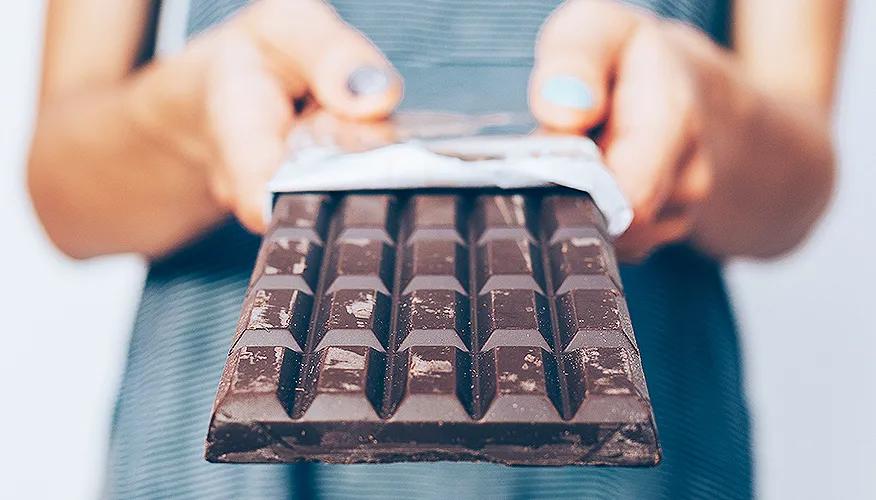
Dark chocolate stands apart from its sweeter cousins, milk chocolate and white chocolate, in both taste and composition. At its core, dark chocolate is made primarily from cocoa solids, cocoa butter, and a small amount of sugar, without the milk solids that make other chocolates creamy and mild.
To earn the "dark" label, chocolate typically needs to contain at least 70% cocoa solids. The higher cocoa content gives dark chocolate its distinctive, intense, slightly bitter flavor that many people either love or need time to appreciate. But here's what makes it interesting for people managing diabetes: the higher the cocoa percentage, the lower the sugar content.
Think of it this way: when 85% of your chocolate bar is cocoa, only 15% is left for sugar (if at all) and other ingredients. Compare this to milk chocolate, which often contains 30-50% sugar, and you can see why dark chocolate might be a smarter choice.
The cocoa solids also bring something special to the table: flavonoids. These natural compounds are what make dark chocolate potentially good for your health, making it more than just a sweet treat.
Nutritional overview
Here's what you'll find in a typical 1-ounce (28 g) serving of dark chocolate with 70-85% cocoa content:
| Nutrient | Amount | % Daily Value |
| Calories | 170-180 kcal | - |
| Protein | 2.2 g | - |
| Total fat | 12-14 g | - |
| Saturated Fat | 7-8 g | - |
| Carbohydrates | 13-15 g | - |
| Sugar | 6-7 g | - |
| Fiber | 3-4 g | 12-16% |
| Iron | 3.4 mg | 19% |
| Magnesium | 64 mg | 16% |
What stands out here? Dark chocolate is surprisingly rich in minerals like iron and magnesium, and it contains a decent amount of fiber. The fiber content is actually helpful for blood sugar management, as it can slow down sugar absorption.
However, don't overlook the calorie density. At 170-180 calories per ounce, dark chocolate packs a lot of energy into a small package. This means portion control becomes crucial, especially when managing diabetes and maintaining a healthy weight.
Is dark chocolate good for diabetics?
Yes, dark chocolate can be good for diabetics when consumed in moderation. It contains less sugar than milk chocolate and is rich in antioxidants called flavonoids, which may help improve insulin sensitivity and heart health. However, portion control is key—choose dark chocolate with at least 70% cocoa and avoid varieties with added sugar or fillings.
The relationship between dark chocolate and diabetes isn't black and white; it's more of a carefully balanced equation.
Research suggests that dark chocolate can indeed be part of a healthy diet for people with diabetes, but the key lies in how you approach it.
Can type 2 diabetics eat dark chocolate?
Yes, people with type 2 diabetes can eat dark chocolate in moderation. Dark chocolate with at least 70% cocoa contains less sugar and more antioxidants compared to regular milk chocolate. These antioxidants, known as flavonoids, may help improve insulin sensitivity, reduce inflammation, and support heart health. However, portion control is very important—eating too much can increase calorie and sugar intake, which may raise blood sugar levels. Choosing unsweetened or low-sugar dark chocolate and limiting it to a small piece occasionally can allow type 2 diabetics to enjoy it safely as part of a balanced diet.
Is cocoa good for diabetics?
Yes, cocoa can be good for diabetics when consumed in moderation and without added sugar. It is rich in flavonoids, which may help improve insulin sensitivity, lower blood pressure, and reduce inflammation. Choose unsweetened cocoa powder or dark chocolate with high cocoa content to enjoy its health benefits without affecting blood sugar levels.
- The cocoa component specifically offers antioxidant properties that can help reduce inflammation, which is often elevated in people with diabetes.
- Additionally, the flavonoids may support better blood vessel function, which is particularly important because diabetes can affect cardiovascular health.
But here's the reality check: dark chocolate is still a treat, not a medicine. While it may offer some benefits, it also contains calories and natural sugars that can affect blood glucose levels. The key is finding the sweet spot where you can enjoy the potential benefits without compromising your overall diabetes management.
Health Benefits of Dark chocolate for Diabetics
When we talk about dark chocolate benefits for diabetics, several interesting areas of research emerge.
Understanding these can help you appreciate why moderate consumption might actually support your health goals. Here are the potential benefits of dark chocolate for diabetics, each explained in detail:
1. Enhanced insulin sensitivity
This tops the list of potential benefits. The flavonoids in dark chocolate may help your cells respond better to insulin, making it easier for your body to manage blood sugar levels naturally. Think of it as giving your insulin a bit of extra support in doing its job.
2. Provides antioxidant protection
Dark chocolate is one of the richest dietary sources of antioxidants, which help neutralize free radicals in the body. Free radicals can damage cells, worsen inflammation, and contribute to diabetes complications. The antioxidants in dark chocolate—especially flavonoids and polyphenols—support cell repair, reduce oxidative stress, and protect against long-term damage to blood vessels, eyes, and nerves.
3. Supports heart health
Dark chocolate contains antioxidants such as flavanols that promote heart health by improving blood circulation and reducing oxidative stress. For diabetics, who have a higher risk of heart disease, this can be especially beneficial. Flavanols help lower LDL (bad cholesterol), raise HDL (good cholesterol), and keep blood vessels flexible, which together contribute to better cardiovascular function and reduced heart-related complications.
4. Gut health
There's also emerging research on gut health benefits. A healthy gut microbiome plays a role in metabolic health, and dark chocolate may contribute to maintaining beneficial gut bacteria. While this area needs more research, it's an exciting potential connection between dark chocolate and type 2 diabetes management.
5. Reduces inflammation
Chronic inflammation is common in people with diabetes and can make blood sugar control more difficult. The flavonoids in dark chocolate have strong anti-inflammatory properties that help reduce inflammation in blood vessels and tissues. Lowering inflammation can improve insulin function and protect against diabetic complications such as nerve and kidney damage.
6. Helps manage blood pressure
High blood pressure often accompanies diabetes, increasing the risk of heart and kidney problems. Dark chocolate is a good source of magnesium and flavonoids, which help relax blood vessels and improve blood flow. This can lead to healthier blood pressure levels. Including small portions of dark chocolate in a balanced diet may therefore support better cardiovascular and overall health.
7. Boosts mood and reduces stress
Stress and anxiety can raise blood sugar levels by triggering the release of stress hormones like cortisol. Dark chocolate naturally boosts serotonin and endorphin levels in the brain, promoting a sense of calm and happiness. For diabetics, managing stress through small mood-lifting foods like dark chocolate can help maintain more stable blood sugar levels and improve emotional well-being.
8. Enhances brain function
The flavonoids in dark chocolate help improve blood flow to the brain and support cognitive health. For diabetics, maintaining brain function is important because long-term high blood sugar levels can impair memory and focus. Regular but controlled intake of dark chocolate may enhance concentration, memory, and alertness while protecting brain cells from oxidative stress.
Possible Risks of Eating Dark Chocolate for Diabetics
While the potential benefits sound promising, it's important to understand the flip side. Is dark chocolate bad for diabetes?
Not necessarily, but there are real considerations to keep in mind.
- Calorie density is the biggest concern. At nearly 180 calories per ounce, dark chocolate can quickly add up. If you're working to maintain a healthy weight as part of your diabetes management, those extra calories matter. Two or three "small" pieces can easily become 200-300 calories without much volume of food.
- Sugar content remains present even in high-percentage dark chocolate. While 6-7 grams of sugar per ounce is lower than milk chocolate, it can still impact blood glucose, especially if you eat more than intended. Some people find that even small amounts of chocolate can cause unexpected blood sugar spikes.
- Individual responses vary significantly. Some people with diabetes find they can enjoy small amounts of dark chocolate without significant blood sugar changes, while others see noticeable impacts. Your response might also depend on what else you've eaten, your activity level, and your current blood sugar control.
- Sleep and stimulation can be affected, too. Dark chocolate contains both caffeine and theobromine, which can cause sleep disturbances or heart palpitations in sensitive individuals, especially if consumed later in the day.
Tips for Choosing the Best Dark Chocolate for Diabetics

Not all dark chocolate is created equal when it comes to diabetes management. Here's how to choose wisely:
- Look for 80-85% cocoa content as your starting point. This range typically offers the best balance of flavonoid benefits with manageable sugar content. The best dark chocolate for diabetics will have cocoa listed as the first ingredient, not sugar.
- Read ingredient lists carefully. Avoid chocolates with added caramel, nougat, or other sugar-rich fillings. Simple is better – look for bars with just cocoa, cocoa butter, sugar, and perhaps vanilla or lecithin as an emulsifier.
- Consider single-origin or bean-to-bar chocolates. These artisanal options often have higher flavonoid levels and fewer additives. While they may cost more, the quality and potential health benefits can be worth it.
- Products labeled as "diabetic-friendly" exist, but always verify the ingredient list. Some use alternative sweeteners that may still affect blood sugar or cause digestive issues in some people.
How to enjoy dark chocolate safely with diabetes
Smart consumption strategies can help you enjoy chocolate while maintaining good blood sugar control. Here's your practical guide:
- Portion control is non-negotiable: Stick to 20-30 g at a time – that's about 2-3 small squares of a typical dark chocolate bar. This amount provides potential benefits while minimizing the impact on blood sugar.
- Timing matters: Consider having your chocolate after a balanced meal rather than on an empty stomach. The fiber, protein, and fat from your meal can help slow sugar absorption and create a more stable blood glucose response.
- Pair strategically: Eating dark chocolate with high-fiber foods like a few almonds or berries can further help moderate blood sugar response. The additional fiber and healthy fats create a more balanced treat.
- Monitor your response: Check your blood sugar 1-2 hours after eating chocolate to understand how your body responds. This information helps you make better decisions about timing and portion sizes.
- Factor it into your meal plan: Don't treat chocolate as "extra" – count it toward your daily carbohydrate and calorie goals. This might mean adjusting other parts of your day to accommodate your treat.
Conclusion
So, can people with diabetes eat dark chocolate? We have a largely positive answer.
Dark chocolate for diabetics can be part of a healthy eating approach when chosen wisely and consumed mindfully. The key lies in selecting high-cocoa varieties with minimal added sugars, controlling portions, and understanding your response.
Dark chocolate benefits for diabetics may include improved insulin sensitivity, antioxidant protection, and cardiovascular support. However, these potential benefits only emerge when chocolate is enjoyed as an occasional treat, not a daily indulgence. Remember that managing diabetes successfully means looking at your overall eating pattern, not just individual foods.
The best approach is to work with your healthcare team to understand how treats like dark chocolate fit into your diabetes management plan. With the right knowledge and mindful approach, you don't have to give up the simple pleasure of chocolate; you just need to enjoy it smartly.
Meet our expert
.webp&w=1920&q=75)
Meet our expert
She holds a Bachelor of Science (Hons) in Dietetics with Nutrition from International Medical University (IMU) and became a registered dietitian in 2025. She is dedicated to providing evidence based and individualized Medical Nutrition Therapy (MNT) to help individuals make informed health decisions.



How was the experience with article?
We'd love to know!