Have you ever stood in the grocery aisle, staring at bags of grains and wondering which ones won't send your blood sugar on a roller coaster ride?
Managing diabetes means making countless food choices every day, and it can feel overwhelming. So if you spot quinoa and wonder, "Is quinoa good for diabetics?" The answer is a resounding yes!
This tiny seed (yes, it's technically a seed!) has been quietly revolutionizing diabetic meal planning, offering a perfect blend of nutrition and blood sugar stability that busy women everywhere are embracing.
What is quinoa?
Think of quinoa as nature’s multivitamin in seed form. While we cook and eat it like a grain—similar to rice or wheat—quinoa is the seed of the Chenopodium quinoa plant. This ancient superfood has been nourishing communities for thousands of years, and now it's making its way into modern kitchens worldwide as a diabetes-friendly alternative to traditional grains.
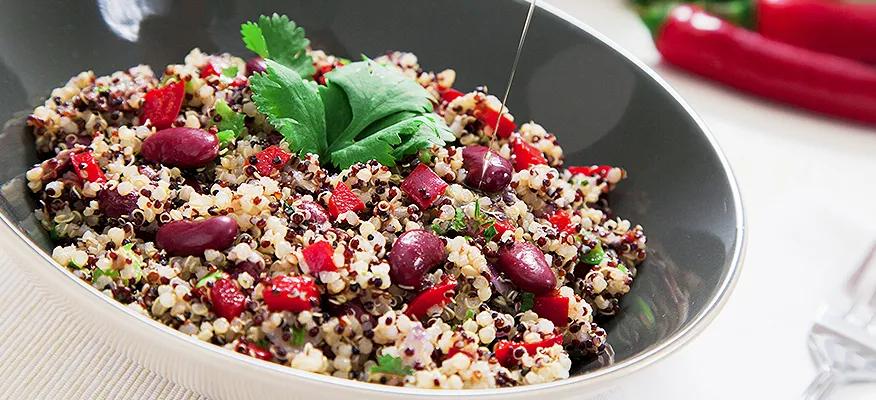
You'll find three main varieties at most stores: white quinoa (the mildest flavor and quickest to cook), red quinoa (a nuttier taste and slightly chewier texture), and black quinoa (the most robust flavor). Each variety brings the same impressive nutritional benefits, so choose based on your taste preferences and what's available in your local market.
What makes quinoa special? Unlike most plant-based foods, it's a complete protein, meaning it contains all nine essential amino acids your body needs. Additionally, it's naturally gluten-free, making it ideal for individuals with celiac disease or gluten sensitivity.
Quinoa's nutritional profile
Let's break down what makes quinoa such a nutritional powerhouse:
| Nutrient | Amount per 100 g cooked |
| Calories | 120 kcal |
| Carbohydrates | 21 g |
| Protein | 4.4 g (complete protein) |
| Fat | 1.9 g (mostly unsaturated) |
| Dietary Fiber | 2.8 g |
| Magnesium | 64 mg |
| Iron | 1.5 mg |
| Zinc | 1.1 mg |
This balanced profile is what makes quinoa a diabetes-friendly option. The combination of fiber, protein, and healthy fats works together to slow down digestion and prevent those dreaded blood sugar spikes.
Plus, you're getting essential B vitamins, including folate and B6, which support your overall metabolic health.
How does quinoa affect blood sugar?
Here's where quinoa really shines for diabetes management. With a glycemic index (GI) of around 53, quinoa falls into the "low GI" category.
To put this in perspective, white rice has a GI of 73-89, which means it causes a much faster and higher blood sugar spike.
The magic happens because of quinoa's fiber and protein content. When you eat quinoa:
- Fiber slows down digestion, preventing rapid glucose absorption into your bloodstream
- Protein helps stabilize blood sugar by slowing gastric emptying and making you feel fuller longer
- The combination creates sustained energy rather than the quick spike-and-crash cycle of refined grains
Research indicates that individuals who regularly incorporate quinoa into their diets tend to exhibit improved insulin sensitivity over time. This means your body becomes more efficient at processing glucose, which is exactly what you want when managing diabetes.
Is quinoa good for diabetics?
Absolutely, without a doubt! Quinoa checks all the boxes for what nutrition experts recommend for diabetes management.
The American Diabetes Association specifically encourages choosing whole grains with high nutrient density, and quinoa fits this criterion perfectly.
What makes quinoa healthy for diabetics goes beyond just its low GI. It's the combination of benefits that makes it stand out:
- Stable blood sugar response due to its fiber and protein content
- Sustained energy without the crashes associated with refined grains
- Complete nutrition that supports overall health, not just blood sugar management
- Versatility that makes healthy eating enjoyable rather than restrictive
Whether you're newly diagnosed with diabetes or have been managing it for years, quinoa and diabetes management work hand in hand. It's one of those rare foods that tastes good, fills you up, and actually supports your health goals.
Health benefits of quinoa for diabetes
While we have answered the question, "Is quinoa good for diabetes?" (And yes, it is), quinoa's health benefits for diabetics extend far beyond blood sugar control.
Let's have a look at some noteworthy health benefits of quinoa:
- Blood sugar stability: The low GI and high fiber content work together to prevent glucose spikes, helping you maintain steady energy throughout the day.
- Weight management support: Quinoa's protein and fiber combination increases satiety, helping you feel full longer and reducing the temptation to snack on less healthy options.
- Heart health protection: Diabetes increases cardiovascular risk, but quinoa's antioxidants and magnesium content support heart health and may help reduce complications.
- Improved lipid profile: Clinical studies suggest that regular quinoa consumption can help improve cholesterol levels. This is particularly important because diabetes is often associated with lipid management challenges.
- Essential nutrient support: Many people with diabetes are deficient in key minerals such as magnesium and iron. Quinoa provides these in meaningful amounts, supporting overall metabolic health.
Quinoa vs. rice
If you're wondering about quinoa or brown rice for diabetics, here's a clear comparison to help you decide:
| Aspect | Quinoa | White Rice | Brown Rice |
| GI | Low (~53) | High (~73-89) | Medium (~68) |
| Protein Content | 4.1 g (complete) | 2.7 g (incomplete) | 2.6 g (incomplete) |
| Fiber | 2.8 g | 0.4 g | 1.8 g |
| Magnesium | 64 mg | 12 mg | 43 mg |
| Blood Sugar Impact | Gradual rise | Rapid spike | Moderate rise |
Quinoa vs. oatmeal
Both quinoa and oatmeal are excellent choices for diabetes management, but they offer different benefits:
| Feature | Quinoa | Oatmeal |
| GI | 53 | 55 |
| Protein | 4.1 g (complete) | 2.4 g (incomplete) |
| Fiber | 2.8 g | 3-4 g |
| Preparation Time | 15-20 minutes | 5-10 minutes |
| Versatility | High (sweet or savory) | Moderate (mainly sweet) |
Oatmeal wins on fiber content and convenience, but quinoa's complete protein profile makes it especially valuable for vegetarians or anyone looking to boost their protein intake.
How to prepare quinoa
Getting quinoa right is easier than you might think, but there's one crucial step many people skip: always rinse your quinoa thoroughly before cooking. This removes the natural saponins that can make it taste bitter or soapy. Here's the foolproof method:
- Rinse quinoa in a fine-mesh strainer under cold running water for 1-2 minutes
- Optionally, toast it in a dry pan for 2-3 minutes for extra nutty flavor
- Boil using a 2:1 ratio (2 cups water to 1 cup quinoa)
- Simmer covered for 15-20 minutes until water is absorbed
- Fluff with a fork and let it rest for 5 minutes
The result should be fluffy, translucent grains with a pleasant, slightly crunchy texture. Properly cooked quinoa should never be mushy or have a bitter aftertaste.
How to incorporate quinoa into a diabetic diet
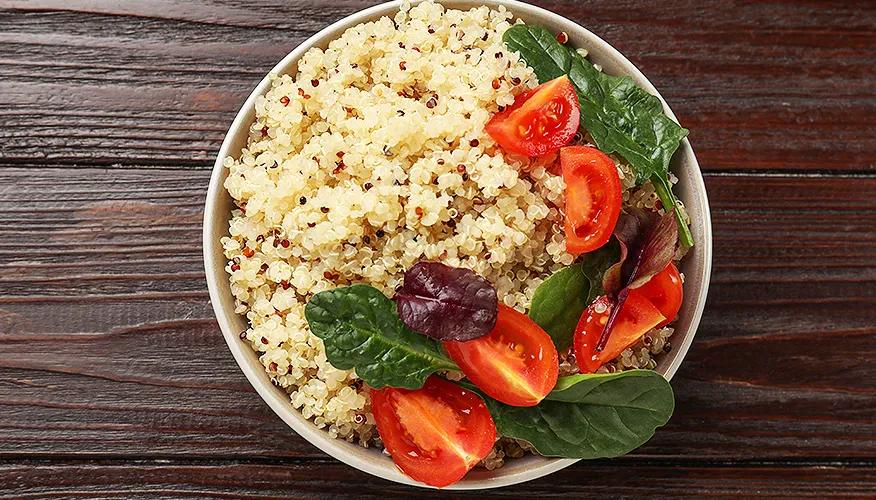
The versatility of quinoa means you can enjoy it at any meal without getting bored. Here are some practical ways to make quinoa part of your regular routine:
For main meals:
- Replace rice in your favorite biryani or pilaf recipes
- Use as a base for vegetable and protein bowls
- Stuff bell peppers or tomatoes with a quinoa mixture
For breakfast:
- Create a breakfast bowl with unsweetened Greek yogurt, nuts, and a small portion of berries
- Make quinoa porridge with almond milk and cinnamon
- Add to smoothies for extra protein and fiber
For salads and sides:
- Mix with roasted vegetables and a light vinaigrette
- Combine with legumes for a complete protein meal
- Use in place of couscous in Mediterranean-style salads
Remember, portion control matters even with healthy foods. A serving of cooked quinoa is typically ½ to ¾ cup, depending on your individual carbohydrate needs.
Precautions to consider
While quinoa for diabetes management is generally safe and beneficial, keep these points in mind:
- Portion awareness: Quinoa still contains carbohydrates—approximately 21 g per 100 g of cooked quinoa. Work with your healthcare provider to determine appropriate portion sizes for your individual needs.
- Individual tolerance: Some people may experience digestive discomfort when first introducing quinoa. Start with smaller portions and gradually increase as your system adapts.
- Potential allergies: Though rare, quinoa allergies can occur. If you have known seed allergies, consult your healthcare provider before adding quinoa to your diet.
- Budget considerations: Quinoa can be more expensive than local grains. Look for bulk options, sales, or consider mixing quinoa with other affordable, diabetes-friendly grains to stretch your budget.
Conclusion
Circling back to the question: Is quinoa good for diabetics? The evidence is clear: quinoa stands out as an exceptional choice for diabetes management. Its unique combination of low GI, complete protein, and essential nutrients makes it more than just a rice substitute; it's a genuine superfood that supports stable blood sugar, heart health, and overall well-being.
For busy women managing diabetes, quinoa offers the perfect balance of nutrition and convenience. Whether you're meal prepping for the week or looking for a quick dinner solution, this versatile seed can adapt to your lifestyle while supporting your health goals. Start small, experiment with different preparations, and discover how this ancient grain can become a modern solution for your diabetes management journey.
Meet our expert

Meet our expert
Reshma Kulkarni-Pathare is a senior Indian media professional since 1999. She has written for over 45 national and international publications, including The Times of India, Femina, and BBC Good Homes.


How was the experience with article?
We'd love to know!