
Sweet tooth got the best of you again? Or maybe it’s the stress of a hectic lifestyle tempting you to reach out for that extra cup of coffee or a fast food meal. If you've nodded along to any of these scenarios, welcome aboard!
You see, while we all love the burst of energy and comfort that our favorite treats bring, these not-so-innocent indulgences are what can throw our blood sugar levels off balance. And with unbalanced blood sugar levels comes a whole host of health issues – one of them being increased pain sensitivity.
Surprising right? But it’s true! The link between your blood sugar levels and your body’s pain response goes deeper than what meets the eye. If left unattended, it can even pave the way for chronic pain conditions.
Now, if you’re sitting there scratching your head and wondering what on earth blood sugar has to do with pain management, don’t worry! You’re not alone, and we're here to help.
In this blog, we’ll break down everything you need to know about balancing blood sugar for optimal pain management.
So, sit tight, grab a healthy snack (because why not?), and let’s get started on this eye-opening journey toward better health!
Understanding blood sugar
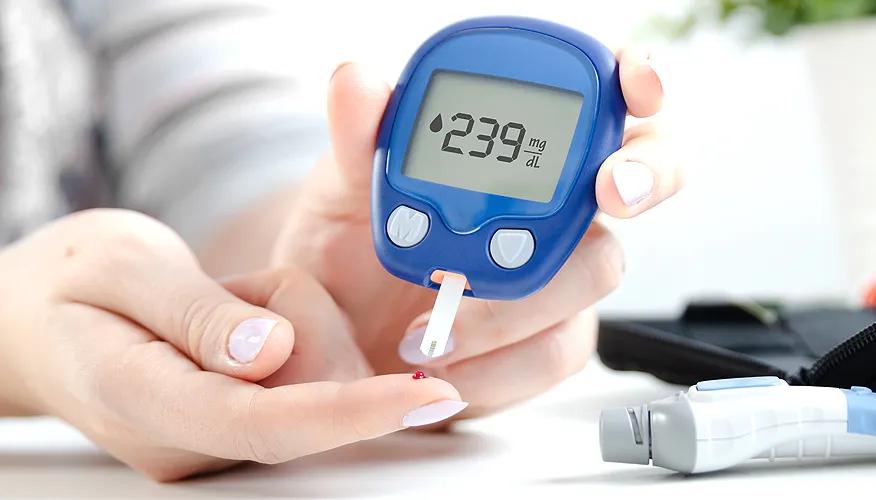
Blood sugar, also known as glucose, is your body’s primary source of energy. It comes directly from the food you consume. After you eat, your digestive system breaks down sugars and starches into glucose, which is then absorbed into your bloodstream. Your body’s cells need glucose for energy. However, glucose can’t enter your cells without insulin, a hormone produced by your pancreas.
When everything works as it should, insulin will ferry glucose into your cells, and your blood sugar levels decrease. If you have more glucose than your body needs, your body stores it in your liver for later use.
But here’s the catch—if your body doesn’t produce enough insulin or if your cells resist the effects of insulin, too much glucose remains in your blood, which is where problems can start.
The role of blood sugar in pain management
Pain management is an integral part of maintaining overall wellness. Unbeknownst to many, one key player in the pain management arena is blood sugar. Maintaining balanced blood sugar levels might help manage pain more effectively.
When blood sugar levels are erratic or consistently high, inflammation in the body increases. Inflammation can trigger pain receptors and increase sensitivity to pain.
Moreover, a continuous state of high blood sugar levels can lead to nerve damage, most notably seen in conditions like diabetic neuropathy. Diabetic neuropathy is a type of nerve damage that can occur if you have diabetes.
High blood sugar can injure nerves throughout your body, causing a chronic, painful condition that's difficult to manage.
Tips for maintaining balanced blood sugar levels
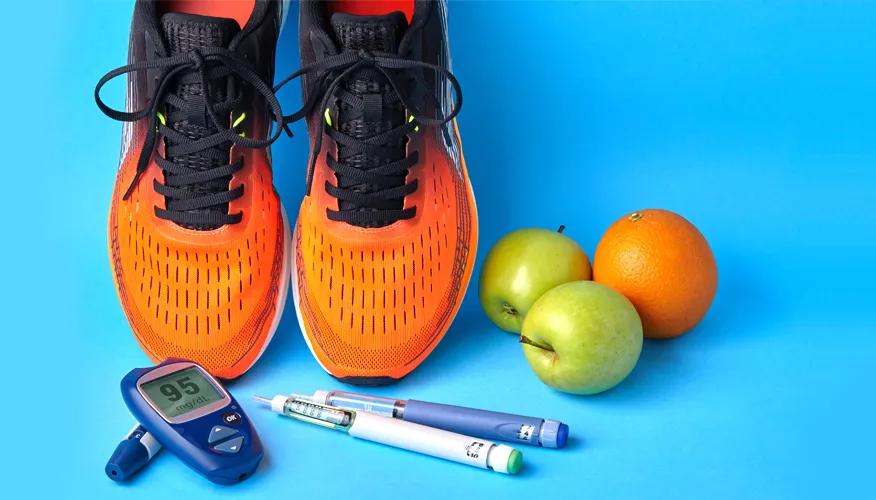
Balancing blood sugar levels does not require major lifestyle overhauls. Small changes can make a big difference.
These may include:
1. A balanced diet
- Incorporating a variety of fruits, vegetables, lean proteins, and whole grains into your meals is essential for maintaining stable blood sugar levels.
- Opt for foods with a low glycemic index (GI) as they break down more slowly, preventing rapid spikes in blood sugar. For instance, non-starchy vegetables like leafy greens, berries, and legumes are excellent choices.
- Avoid refined sugars and highly processed foods, which can cause quick glucose spikes.
- Instead, choose whole grains such as oats, quinoa, and brown rice, which provide sustained energy release.
2. Regular exercise
- Engaging in regular physical activity helps your cells more effectively use insulin, thus maintaining blood sugar balance.
- Aim for at least 30 minutes of moderate exercise, such as brisk walking, swimming, or cycling, most days of the week.
- Resistance training, like lifting weights or using resistance bands, can also be beneficial.
- Exercise enhances insulin sensitivity and helps muscle cells absorb glucose more efficiently, reducing blood sugar levels.
3. Consistent meal times
Eating meals and snacks around the same time each day can help keep your blood sugar levels steady.
Establishing a regular eating schedule prevents significant fluctuations in blood sugar.
Try to eat balanced meals that include a mix of carbohydrates, proteins, and fats, which can slow the absorption of glucose into the bloodstream. This approach minimizes sudden spikes and dips in blood sugar, helping to maintain a more stable level throughout the day.

4. Adequate hydration
- Drinking enough water is crucial for preventing dehydration and maintaining blood sugar levels.
- Water helps the kidneys flush out excess glucose through urine, aiding in blood sugar regulation.
- Aim to drink at least 8 glasses (about 2 liters) of water daily.
- Avoid sugary beverages like soda and fruit juices, which can cause rapid increases in blood sugar levels.
- Herbal teas and infused water with slices of fruits or herbs can be flavorful and healthy alternatives.
5. Stress management
- Chronic stress can negatively impact blood sugar levels by triggering the release of stress hormones like cortisol, which can raise blood sugar.
- Incorporating stress management techniques such as mindfulness meditation, deep breathing exercises, yoga, or even hobbies that you enjoy can help lower stress levels and improve blood sugar control.
- Regular relaxation practices can have a significant positive effect on your overall well-being and blood sugar stability.
6. Monitoring blood sugar levels
- Regularly monitoring your blood sugar levels can provide valuable insights into how your body responds to different foods, activities, and stressors.
- Tracking your levels can help you identify patterns and make necessary adjustments to your diet and lifestyle.
- Using a blood glucose meter or continuous glucose monitor (CGM) can facilitate this process and empower you to take proactive steps in managing your blood sugar effectively.
7. Sleep quality
- Ensuring adequate and quality sleep is another crucial factor in maintaining balanced blood sugar levels.
- Poor sleep can affect insulin sensitivity and increase the risk of developing diabetes. Aim for 7-9 hours of sleep per night and maintain a consistent sleep schedule.
- Creating a relaxing bedtime routine, reducing screen time before bed, and making your sleep environment comfortable can improve your sleep quality and contribute to better blood sugar control.
- Remember, every body is unique, and what works for one person might not work for another.
- Always consult your healthcare provider before making any changes to your diet or exercise routine.
Overcoming pain through balanced blood sugar
Managing blood sugar levels effectively can aid in pain management by reducing inflammation and preventing nerve damage. For those already experiencing pain due to conditions like diabetic neuropathy or other inflammation-related conditions, balanced blood sugar levels can help manage symptoms and improve quality of life.
It’s also worth noting that a balanced diet and regular exercise—two cornerstones of blood sugar management—can alleviate pain by promoting a healthy weight, reducing pressure on joints, and enhancing overall health.
Thus, overcoming pain might be more within reach than you think by focusing on balancing your blood sugar levels.

Conclusion
The interplay between pain management and blood sugar regulation is a relatively new field of study, but early findings suggest a significant link. Maintaining balanced blood sugar levels could be an effective strategy for managing pain, particularly in those with chronic conditions linked to inflammation or nerve damage.
It’s crucial to remember that while lifestyle modifications can significantly impact blood sugar control and pain management, they're not a substitute for medical treatment.
Always consult with healthcare professionals before initiating any new health regimen. It's time we start viewing our health more holistically, considering all the interconnected systems within our bodies.
When it comes down to it, everything is intertwined in the complex world of our physiology—including the role of blood sugar in pain management.
Meet our expert

Meet our expert
Dr. Sharmila Samararanayake (MBBS, DCH) is a distinguished medical practitioner, currently serving in the Dermatology unit at the esteemed National Hospital of Sri Lanka. Graduating with honors from the renowned Faculty of Medicine in Colombo, Sri Lanka, she has continually pursued excellence in her field. Dr. Samararanayake holds a Diploma in Child Health from PGIM Colombo and a Diploma in Child Psychology from the American College, further expanding her expertise.



How was the experience with article?
We'd love to know!