Noticing black poop during pregnancy can be worrying, especially when your body is already going through so many changes. The good news is, in most cases, dark stool is harmless and often caused by iron supplements or certain foods.
Nevertheless, knowing when it might be a sign of something more serious can help you protect both your health and your baby’s.

Is black poop normal during pregnancy?
In most cases, black stool during pregnancy is completely normal and nothing to worry about. It’s usually caused by iron supplements in prenatal vitamins. Because your body doesn’t absorb all the iron, the excess moves through your system, turning your stool dark, a common and harmless side effect of supporting your baby’s development through supplements.
It's important to note that not all cases of black stool during pregnancy are harmless; it can also sometimes signal certain health concerns. Recognizing the difference between normal changes and red flags is essential for your safety.
When should you be concerned?
While most cases of black stool in pregnancy are harmless, certain warning signs should prompt you to contact your healthcare provider immediately.
Seek medical attention if you experience:
- Black stool that persists even after stopping iron supplements.
- Tarry, sticky texture with a strong, unpleasant odor.
- Severe abdominal pain or cramping.
- Persistent vomiting or nausea.
- Dizziness, weakness, or feeling faint.
- Rapid heartbeat or unusual fatigue.
- Fever, especially if accompanied by diarrhea.
These symptoms could indicate gastrointestinal bleeding or infection, both of which require prompt medical evaluation. Remember, it's always better to check with your doctor if something feels wrong or different.
Common causes of black stool in pregnancy
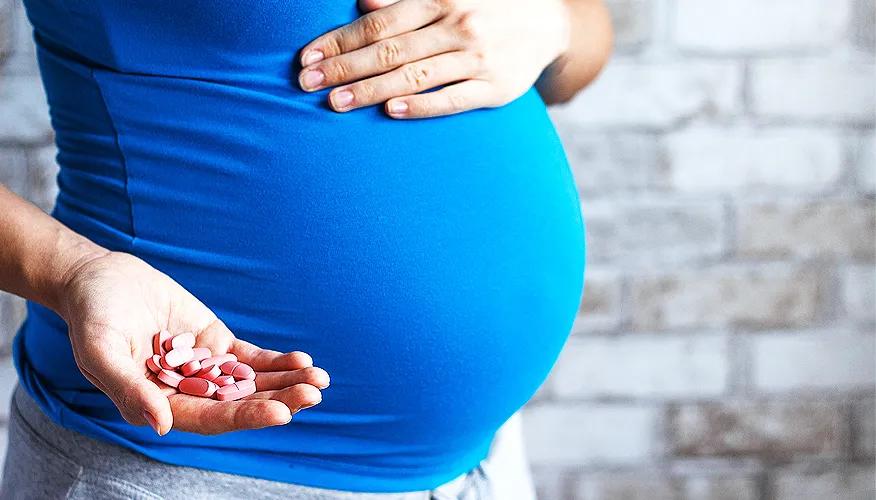
Understanding what causes dark stool while pregnant can help ease your concerns and guide your next steps.
Here are the most frequent reasons expectant mothers experience black stool in pregnancy:
Iron supplements and prenatal vitamins
This is by far the most common cause. Most pregnant women are prescribed iron supplements to prevent or treat anemia. These supplements routinely cause harmless darkening of the stool.
Dietary factors
Certain foods can naturally darken your stool. These include:
- Dark leafy greens in large quantities
- Black beans or other dark legumes
- Blueberries, blackberries, or dark cherries
- Foods with artificial food coloring
- Licorice or foods containing activated charcoal
Medications
Besides iron, other medications can affect stool color:
- Bismuth subsalicylate (found in some antacids)
- Certain antibiotics
- Anti-inflammatory medications
Gastrointestinal bleeding
Though less common, bleeding in the upper digestive tract can cause black, tar-like stools called melena. This requires immediate medical attention.
Parasitic infections
In certain regions, intestinal parasites can cause dark stools along with anemia. This is particularly relevant if you've traveled recently or live in areas where such infections are more common.
Black stool and anemia during pregnancy
The relationship between dark poop during pregnancy and anemia is important to understand. Iron deficiency anemia affects many pregnant women, and iron supplementation, the primary treatment, directly causes black stools as a harmless side effect. Here's what you need to know:
- Iron deficiency anemia affects up to 50% of pregnant women globally.
- Your body needs almost twice as much iron during pregnancy.
- In some cases, parasitic infections like hookworm can cause both anemia and dark stools.
The good news is that when black stool results from iron supplementation, it means your body is processing the iron you need.
When to see a doctor
Knowing when to get medical help for dark stool while pregnant is important to keep both you and your baby safe.
Contact your healthcare provider immediately if:
- Black stool appears suddenly without any dietary or supplement explanation.
- You experience severe abdominal pain that doesn't improve with rest.
- Vomiting becomes persistent or contains blood.
- You develop signs of severe anemia (extreme fatigue, dizziness, or rapid heartbeat).
Schedule a routine appointment if:
- Black stool continues for more than a few days after stopping iron supplements.
- You're concerned about the consistency or smell of your stool.
- You want to discuss adjusting your iron supplement dosage.
Remember, your healthcare provider has seen these concerns many times before. They can quickly determine whether your black stool in pregnancy is related to supplements or requires further investigation.
Related:Understanding Blood Spotting During Pregnancy
Diagnosis and tests
When you consult your doctor about black poop during pregnancy, they'll likely follow a systematic approach to determine the cause and ensure both you and your baby are healthy.
Common diagnostic approaches include:
- Stool analysis: Checks for blood, infections, or parasites that might not be visible.
- Complete blood count: Assesses your iron levels and overall blood health.
- Medical history review: Examines your diet, medications, and recent travel.
- Physical examination: Looks for signs of anemia or other health concerns.
In regions where parasitic infections are common, your doctor might specifically test for hookworm, roundworm, or other intestinal parasites. If you've traveled recently or live in malaria-endemic areas, additional testing might include screening for malaria, as this condition can sometimes cause gastrointestinal symptoms during pregnancy.
These tests are generally quick, safe, and provide valuable information to guide your treatment plan.
Safe management and remedies
Managing black poop during pregnancy safely involves both continuing necessary treatments and making smart lifestyle choices.
If caused by iron supplements:
- Continue taking prescribed supplements unless your doctor advises otherwise.
- Take iron with vitamin C to improve absorption and potentially reduce side effects.
- Consider taking supplements with food if you experience an upset stomach.
General management strategies:
- Maintain proper hygiene to prevent parasitic infections.
- Eat a balanced diet rich in fiber to support healthy digestion.
- Ensure food safety by thoroughly washing produce and cooking meals to the proper temperature.
- Keep a food and symptom diary to identify patterns.
- Get adequate rest and manage stress.
Can black poop harm my baby?
This is a common concern for many expectant mothers, and the answer depends on what's actually causing the dark stool during pregnancy.
When black stool is harmless to your baby:
- Iron supplement-related changes pose no risk to fetal development.
- Dietary causes (like eating dark-colored foods) are completely safe.
- Normal digestive variations don't affect your baby's health.
When black stool might indicate risks:
- Severe anemia can lead to low birth weight or premature birth.
- Untreated gastrointestinal bleeding may cause maternal complications.
- Serious infections could potentially affect pregnancy outcomes.
- Parasitic infections might cause nutritional deficiencies.
The key is addressing any underlying health issues promptly. Your baby depends on your health and nutrition, so taking care of yourself, including following medical advice about supplements and seeking care for concerning symptoms, is one of the best things you can do in your pregnancy journey.
Prevention of black stools during pregnancy

While you can't always prevent changes in the color of stool in pregnancy, especially when taking necessary supplements, you can take steps to minimize concerning causes and maintain overall digestive health. Preventive measures include:
- Follow supplement guidelines: Take iron exactly as prescribed by your healthcare provider.
- Maintain good hygiene: Wash hands frequently, especially before eating.
- Choose safe foods: Eat well-cooked meals and avoid raw or undercooked items.
- Drink clean water: Use bottled or properly treated water, especially when traveling.
- Attend regular check-ups: Keep all prenatal appointments for early detection of issues.
- Communicate openly: Discuss any digestive changes with your healthcare team.
Conclusion
Black poop during pregnancy is usually a reassuring sign that your iron supplements are working but staying informed about when to seek help protects both you and your baby. Most cases of dark stool while pregnant are completely harmless, especially when you're taking prescribed iron supplements.
However, understanding the warning signs, including persistent symptoms after stopping supplements, tarry texture, or accompanying pain and weakness, ensures you get the care you need when it matters most.
Trust your instincts, maintain open communication with your healthcare provider, and remember that asking questions about changes in your body is always the right choice during pregnancy.
Meet our expert

Meet our expert
She holds a Bachelor of Nutrition & Community Health with Distinction from Universiti Putra Malaysia and has been a dedicated healthcare professional since 2014. As the Customer Care Manager, she leads a team of skilled dietitians and nutritionists, committed to serving the community.


How was the experience with article?
We'd love to know!