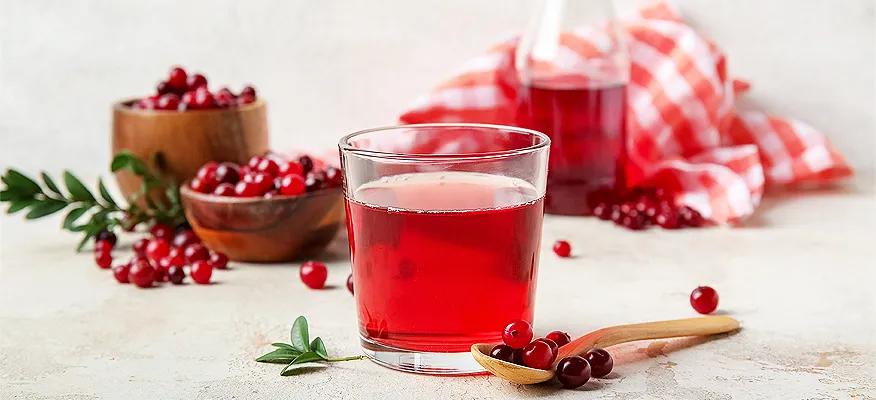
From your morning tea to your evening snack, pregnancy makes every choice feel more important.
So, when you’re eyeing a bottle of cranberry juice, you might wonder if it’s the right pick. The answer: cranberry juice for pregnancy can be a healthy, flavorful option—especially if you pick the low-sugar kind and drink it in moderation.
What is cranberry juice?
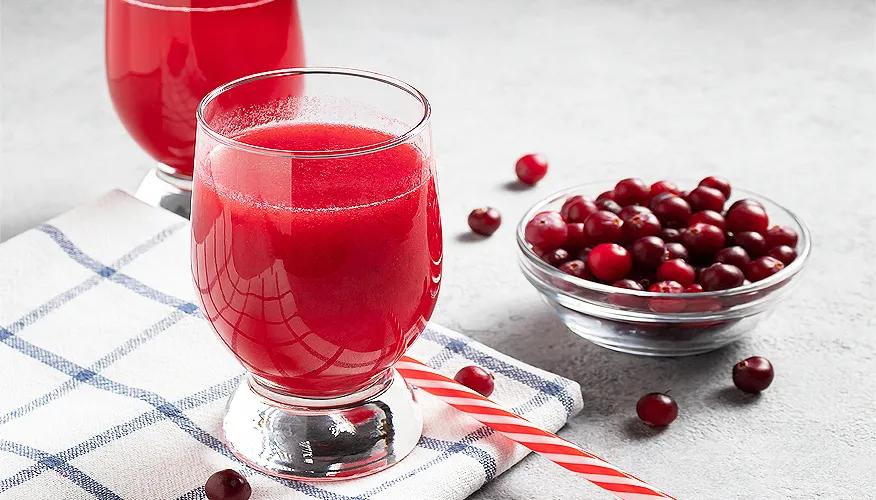
Cranberry juice comes from the small, vibrant red berries of the cranberry plant (Vaccinium macrocarpon). Native to North America and Northern Europe, cranberries have been valued for centuries, particularly for supporting bladder and kidney health.
Traditional medicine has long used these berries to support urinary tract health, which is why many women reach for cranberry juice at the first sign of common symptoms associated with urinary tract infections (UTIs), such as burning sensations, frequent urges, or mild irritation.
Cranberry juice has a distinctive tangy flavor that many people either love or find too intense on its own. You'll find it available in various forms, from 100% pure cranberry juice (which can be quite tart) to sweetened blends mixed with other fruit juices like apple or grape juice.
Nutritional value of cranberry juice
When you sip on cranberry juice, you're getting more than just a refreshing drink. Here's what's packed into a glass of cranberry juice:
Key vitamins and minerals:
- Vitamin C: A powerful antioxidant that also helps your body absorb iron better.
- Vitamin E: Another antioxidant that protects your cells.
- Iron: Essential for preventing anemia, especially important during pregnancy.
- Magnesium: Supports muscle and nerve function.
- Potassium: Helps maintain healthy blood pressure.
- Phosphorus: Works with calcium for strong bones.
- Polyphenols and flavonoids: Natural antioxidants that fight inflammation.
- Proanthocyanidins: Special compounds that support urinary tract health.
The high fiber content in cranberry juice with pulp supports healthy digestion and helps relieve common pregnancy discomforts such as constipation.
Additionally, antioxidants and vitamin C help safeguard your cells and enhance iron absorption, supporting your health and reducing the chance of anemia during pregnancy.
Is cranberry juice safe during pregnancy?
Cranberry juice for pregnancy is safe when enjoyed in moderation and chosen carefully, ideally 100% pure or low in added sugars. Unlike some drinks that expectant mothers avoid, cranberry juice contains no harmful substances and has been enjoyed for generations.
Many healthcare professionals recommend cranberry juice as part of a balanced pregnancy diet, thanks to its antioxidants, vitamin C, and ability to promote hydration and overall wellness for both mom and baby. It’s important to note that while cranberry juice can be a healthy addition during pregnancy, it should complement, never replace, proper prenatal care and any prescribed treatments.
Research on cranberry juice and pregnancy
The scientific community has taken a careful look at cranberry consumption during pregnancy, and the findings are encouraging. A large cohort study specifically examining cranberry use during pregnancy found no association between cranberry consumption and increased risk of congenital malformations, preterm delivery, or adverse outcomes for newborns.
Systematic reviews that analyze multiple studies together support cranberries' safety profile. Researchers specifically looked for adverse outcomes and found none reported in surveys of pregnant women who consumed cranberry products.
Here's what the research suggests:
- No increased risk of pregnancy complications.
- Potential benefits for urinary tract health.
- Safe consumption patterns established.
- No evidence of harm to developing babies.
Benefits of cranberry juice in pregnancy

What makes cranberry juice for pregnancy particularly appealing? Here are the key benefits that genuinely stand out:
- Helps prevent UTIs: One of cranberry juice’s most well-known benefits is its potential to help prevent UTIs. During pregnancy, hormonal changes make UTIs more common. Cranberries contain compounds called proanthocyanidins, which help prevent bacteria from sticking to the walls of the urinary tract.
- Provides antioxidant protection: Rich in antioxidants, cranberry juice helps reduce inflammation and supports the immune system. This can be especially valuable during pregnancy, when immune function is naturally lowered.
- Supports digestion: While not a major fiber source, cranberry juice with pulp can still contribute to better digestive function. This gentle support may help relieve occasional constipation, a frequent concern during pregnancy.
- Enhances iron uptake: The natural vitamin C in cranberry juice aids in iron absorption from other foods, helping expectant mothers maintain healthy iron levels without relying solely on supplements.
Risks and precautions of drinking cranberry juice
For most pregnant women, cranberry juice is well-tolerated and safe when consumed in moderation. However, being aware of potential concerns can help you make the best choices:
Potential concerns
- Digestive issues: Excessive consumption can lead to diarrhea or stomach discomfort.
- Sugar content: Commercial varieties often contain added sugars.
- Oxalate levels: High amounts may increase kidney stone risk in susceptible women.
- Blood sugar impact: Important consideration for women with gestational diabetes.
While cranberry juice is generally safe during pregnancy, some women should exercise extra caution. Anyone taking blood-thinning medications should consult their healthcare provider, as cranberries may interact with certain drugs.
Also, women with sensitive stomachs might find cranberry juice too acidic, potentially leading to discomfort or digestive upset.
How to safely drink cranberry juice during pregnancy
Enjoying cranberry juice during pregnancy is simple when you know what to look for. By following a few easy guidelines, you can safely enjoy its benefits without any added risks.
Choose wisely
- Opt for unsweetened or low-sugar varieties.
- Read labels carefully.
- Consider organic options to avoid pesticide residues.
Portion control
- Stick to about 1 cup (240 ml) per day unless your healthcare provider advises otherwise.
- Dilute pure cranberry juice with water if it's too tart.
- Don't use it to replace water or other essential fluids.
Timing matters
- If you're dealing with pregnancy-related nausea, try drinking cranberry juice with food rather than on an empty stomach for easier tolerance.
- Space consumption throughout the day rather than drinking large amounts at once.
Medical integration
- Never use cranberry juice to replace prescribed antibiotics for UTIs.
- Discuss regular consumption with your healthcare provider.
- Monitor your body's response and adjust accordingly.
Cranberry juice for UTI prevention in pregnancy
UTIs during pregnancy aren’t just uncomfortable; they can cause serious complications if untreated. Common causes include hormonal changes that affect the urinary tract, physical pressure from the growing baby, and altered bladder emptying patterns.
Proanthocyanidins in cranberries work by preventing E. coli and other bacteria from sticking to the urinary tract walls, creating a slippery surface that stops bacteria from attaching and multiplying.
While cranberry juice may help lower the risk of UTIs, it is not a treatment for active infections. For those prone to frequent UTIs, incorporating cranberry juice into a prevention plan can provide extra support, but it should always be done under a healthcare provider’s guidance.
Homemade cranberry juice option
Making your own cranberry juice gives you complete control over sugar content and ensures maximum freshness. This is a perfect option for health-conscious expecting mothers. Here's a simple five-step recipe:
- Combine 1 cup fresh or frozen cranberries with 4 cups water.
- Simmer for 10-15 minutes until berries burst.
- Strain the mixture through a fine mesh strainer.
- Add a small amount of natural sweetener (honey, stevia, or a small amount of apple juice) if desired.
- Dilute with additional water to taste.
You can make larger batches and store them in the refrigerator for up to a week. The fresh version often has a more vibrant taste and higher nutrient content than shelf-stable commercial options.
Conclusion
Cranberry juice for pregnancy isn’t just safe—it can be a beneficial addition to your prenatal diet when consumed thoughtfully.
Whether sipped alongside your meals or blended into a refreshing beverage, cranberry juice delivers a range of health benefits. Known for its potential to help reduce the risk of urinary tract infections, it also provides antioxidants and vitamin C, supporting overall health. Choose unsweetened varieties to avoid excess sugar and consider making it at home for a fresher option.
Remember, cranberry juice is a helpful addition, not a substitute, for a balanced diet and proper prenatal care. Always consult your healthcare provider about your dietary choices to ensure the best outcomes for you and your baby.
Meet our expert

Meet our expert
She holds a Bachelor of Nutrition & Community Health with Distinction from Universiti Putra Malaysia and has been a dedicated healthcare professional since 2014. As the Customer Care Manager, she leads a team of skilled dietitians and nutritionists, committed to serving the community.


How was the experience with article?
We'd love to know!