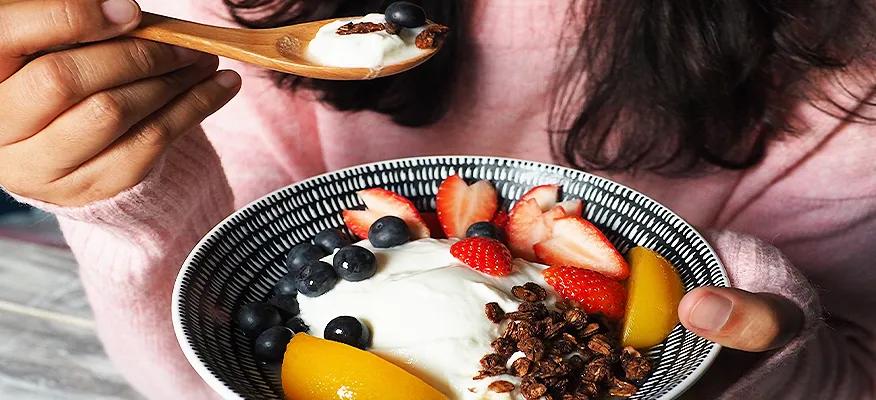
When we think about intimate health, diet isn’t often the first thing that comes to mind. Yet, what we eat has a profound impact on every part of our body—including the delicate balance of our intimate areas.
From supporting a healthy vaginal pH to encouraging the growth of good bacteria, the foods we choose can either nourish or disrupt the intricate systems that keep us feeling comfortable and healthy.
It’s not just about avoiding certain foods—it’s about recognizing how powerful nutrition can be in fostering balance and strength in ways we often overlook.
What you eat can significantly impact your body’s pH balance, immune function, and overall well-being, all of which affect your intimate health.
This guide delves into the foods that support a healthy balance, fight infections, and promote comfort.
Why diet matters for intimate health
You are what you eat, also applies equally for intimate health. The foods you consume affect your body’s pH, support the immune system, and influence the balance of good and bad bacteria.
Nutrient-rich foods with probiotics, antioxidants, and vitamins can help your body maintain a healthy vaginal environment, support natural defenses, and reduce the risk of infections.
Plus, the right diet contributes to overall hydration, which is essential for the skin and mucous membranes of the intimate area.
Top nutrients and foods for intimate health
1. Probiotic foods for bacterial balance
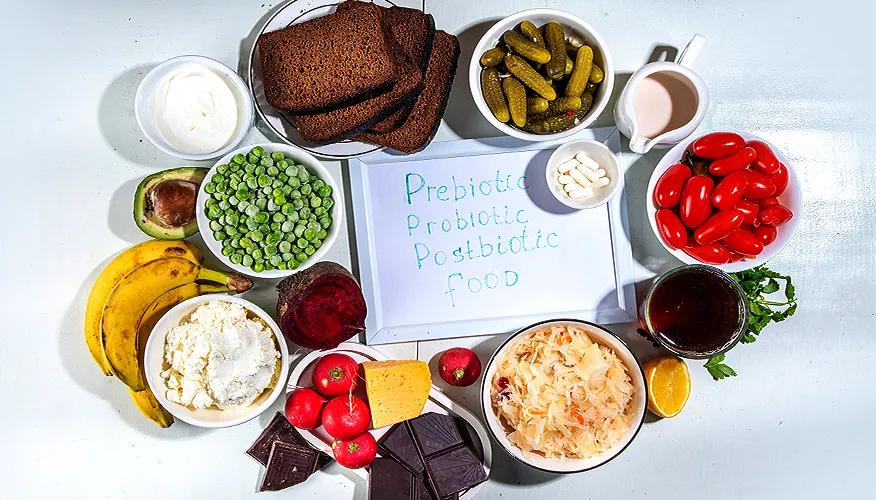
- Probiotics support beneficial bacteria in the gut and vaginal microbiome, helping maintain a healthy balance.
- This is particularly helpful in preventing yeast infections, as these good bacteria can crowd out harmful ones.
Best foods: Yogurt, kefir, sauerkraut, kimchi, and kombucha are excellent sources of probiotics. Try to incorporate one serving of these foods into your daily diet.
2. Prebiotics to fuel good bacteria
- Prebiotics are fibers that feed beneficial bacteria, helping them grow and thrive.
- These fibers are essential for the maintenance of a balanced microbiome and work in conjunction with probiotics.
Best foods: Asparagus, garlic, onions, leeks, and bananas are rich in prebiotics. Adding these to your meals can support a healthy bacterial environment in the body.
3. Antioxidants for Immune Support
- Antioxidants protect cells from oxidative stress, boosting immune function.
- A strong immune system can fend off harmful bacteria and infections, which directly benefits intimate health.
Best foods: Berries, green tea, nuts, and leafy greens are high in antioxidants. A handful of berries or a cup of green tea daily can make a difference.
4. Vitamin C for pH Balance and Defense
- Vitamin C strengthens the immune system and helps regulate pH levels.
- This can prevent harmful bacteria and fungi from thriving, making it beneficial for vaginal health.
Best foods: Citrus fruits, strawberries, bell peppers, and kiwi are packed with vitamin C. Eating one of these vitamin C-rich foods daily can aid in maintaining a balanced pH.

5. Healthy fats for moisture and skin health
- Essential fatty acids like omega-3s support hydration, skin elasticity, and cellular health.
- Adequate moisture helps prevent dryness, making these fats vital for overall intimate health.
Best foods: Avocados, olive oil, chia seeds, and fatty fish (like salmon) provide the necessary fats to support intimate comfort. Incorporate these into your diet a few times a week for best results.
6. Whole grains for balanced blood sugar
- High blood sugar can disrupt natural bacterial balance and increase the risk of infections.
- Whole grains provide complex carbohydrates that stabilize blood sugar levels, reducing the risk of yeast infections.
Best foods: Brown rice, quinoa, oats, and whole-wheat products are excellent choices for steady energy and blood sugar control. Aim for at least one serving per meal.
7. Water for hydration and cleanliness
- Staying hydrated is key to keeping the skin and mucous membranes healthy.
- Proper hydration flushes toxins and maintains moisture, preventing dryness and discomfort.
Best tip: Drink at least 8 glasses of water daily. Adding hydrating foods like cucumbers and watermelon can also help you meet your daily hydration goals.
Foods to limit for better intimate health

Some foods can disrupt pH levels or increase the risk of infections. Reducing or avoiding these items can improve intimate health:
- Sugary foods: Excess sugar feeds yeast and can lead to imbalances.
- Processed foods: High in preservatives and low in nutrients, processed foods may contribute to poor gut health.
- Alcohol: Can increase inflammation and alter bacterial balance.
- Caffeine: Excess caffeine may lead to dehydration, which can affect skin moisture.
Building a diet-friendly routine
Incorporating these foods is easier than you may think.
- Start by adding a serving of probiotic-rich yogurt at breakfast, followed by a handful of berries as a snack.
- Replace sugary drinks with green tea or water with a slice of lemon.
- Simple changes can have a lasting impact on intimate health.
Myth-busting: Does diet really influence intimate health?
It is a common myth that diet does not impact intimate health, but science shows otherwise. Here are some clarifications:
- Myth 1- Only hygiene matters: Hygiene is crucial, but diet supports internal balance, which directly affects intimate health.
- Myth 2- Probiotics are unnecessary: Probiotics play a significant role in maintaining bacterial balance, which is essential for preventing infections.
- Myth 3- All fats are bad: Healthy fats support skin health and moisture levels, making them beneficial.
Conclusion
With the right dietary choices, you can help keep your intimate health in check, supporting natural balance, comfort, and overall well-being.
Our bodies are intricately connected, and the role of diet in intimate health is a testament to that delicate balance. What you eat isn’t just about fueling your day—it’s about empowering your body to thrive in every way.
By making thoughtful food choices, you’re not just nurturing your overall health but also honoring the intricate systems that keep you feeling at ease and confident. It’s a reminder that self-care begins from within, with every bite a step toward balance and vitality.
As you reflect on your intimate health, remember: small changes in your diet can lead to big transformations. Listen to your body, fuel it with care, and let your health blossom from the inside out.
Meet our expert

Meet our expert
Dr. Naveeda Adam serves as the Medical Officer of the Gastrology Department at Muhimbili National Hospital in Dar es Salaam, Tanzania.


How was the experience with article?
We'd love to know!