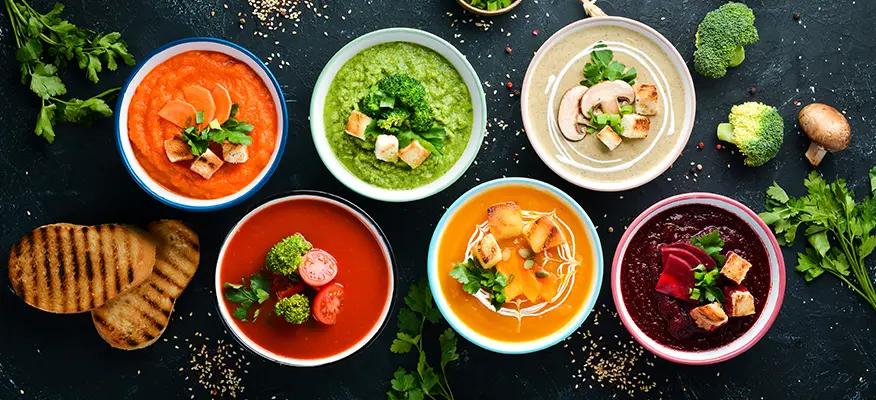
Soups for period cramps are one of the most comforting and natural ways to ease menstrual pain, reduce inflammation, and soothe abdominal discomfort. From ginger and turmeric to red beans and pumpkin, the right ingredients can relax uterine muscles, replenish iron levels, and reduce bloating — helping you feel better naturally during your period.
Suffering from menstrual cramps can be a challenging experience, with the overwhelming emotions, brain fog, and abdominal pain causing discomfort.
However, our grannies and mothers have always taught us that it is possible to feel alright even during painful periods, through foods that help with period cramps.
One such popular food known to provide period pain relief are soups.

Soup Is Good For Period Cramps: Yes, or No?
Yes, soup can be beneficial for easing period cramps. Warm soups, especially those containing ginger or turmeric, can help alleviate inflammation and reduce muscle spasms associated with menstrual cramps. Additionally, the warm liquid can provide comfort and relaxation, easing tension in the abdominal muscles. Nutrient-rich broths and vegetables in soups also contribute essential vitamins and minerals that support overall well-being during menstruation. Staying hydrated with soup can further help in relieving bloating and promoting a sense of comfort during this time.
One of the best soups for period cramps is ginger-turmeric soup. Ginger has anti-inflammatory properties that can help reduce muscle pain and spasms associated with menstrual cramps, while turmeric provides additional anti-inflammatory and antioxidant benefits. Vegetable broth-based soups with added vegetables, such as carrots and spinach, provide essential nutrients like vitamins A and C, contributing to overall well-being during menstruation. Warmth from the soup can also help relax abdominal muscles, offering comfort. Including such soups in your diet during your period can be a flavorful and nourishing way to alleviate discomfort and promote a sense of well-being.
With a little help from traditional medicines and ancient food recipes, we are all aware that soups are soul foods that can have a healing effect on our bodies. Soups made with some powerful ingredients can help reduce inflammation in our bodies and act as comfort food for menstrual cramps.
Soups made with powerful ingredients can be beneficial for those experiencing painful periods or menstrual cramps. Soup for period cramps can help reduce inflammation in the body and act as a comforting, soothing food.
Whether you're dealing with PCOS or simply looking for what to eat during periods for the best period relief, incorporating period soup into your diet can make a significant difference.
With the right ingredients, soup for period cramps can be a nourishing and satisfying option.
So, the next time you're struggling with period cramps, try out the best soup for menstrual cramps and see the benefits for yourself!
7 Best Soups To Reduce Period Cramps Fast
Here are some best soups for period cramps that can offer healing and comfort during period days.
1. Red Bean Soup for Period Pain Relief
Benefits
- Red bean soup helps maintain healthy blood levels due to its iron content, especially during periods when iron levels drop.
- It contains magnesium and B vitamins that can help reduce menstrual cramps and fatigue.
- Ginger in the soup helps reduce period pain, bloating, and supports digestion during periods.
- The soup has anti-inflammatory properties that help ease pain and discomfort.
- Its high fiber content aids digestion and reduces bloating, while also providing overall comfort during menstruation.
Key Nutrients
- Iron – helps replenish blood loss during menstruation
- Magnesium – helps reduce cramps and muscle tension
- Potassium – supports muscle function and reduces fatigue
- B Vitamins – help improve energy levels
- Protein – helps keep you full and supports strength
- Fiber – improves digestion and reduces bloating
- Antioxidants – help reduce inflammation
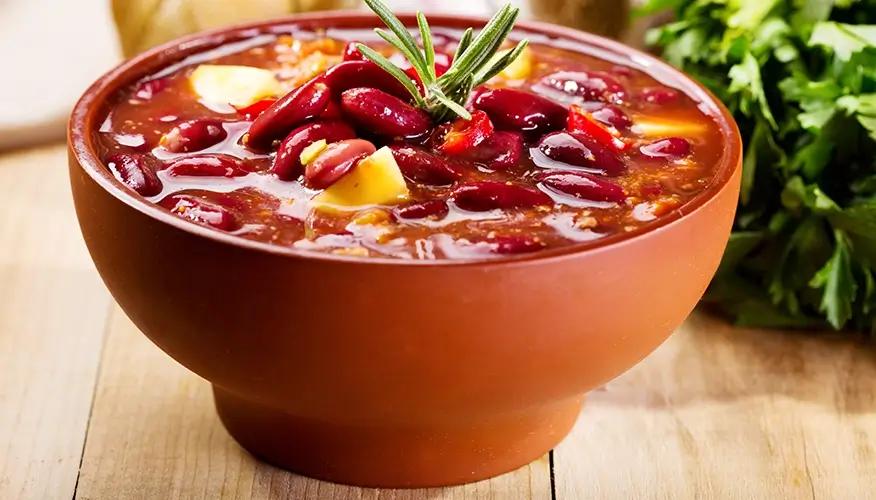
How to Make Red Bean Ginger Soup
- To make red bean ginger soup, start by soaking one cup of red beans overnight in water.
- In a pot, add the soaked red beans, six cups of water, one tablespoon of grated ginger, and one teaspoon of paprika.
- Bring the mixture to a boil, then reduce the heat and let it simmer for about an hour, or until the beans are tender.
- Next, blend the mixture into a smooth paste using a blender or a hand-held immersion blender.
- Finally, reheat the blended soup, and if desired, add a pinch of salt or sugar to taste. Enjoy this warm and comforting soup as a natural remedy for period cramps.
If you are not too fond of ginger, you can very well skip the ginger, and stir up a simple Red Bean Soup. The red bean soup benefits for period, made with or without ginger, are numerous.
This comforting and nutritious soup, a staple in many Asian cuisines, is packed with antioxidants, iron, and essential nutrients that can help ease menstrual discomfort. Its iron content also helps combat fatigue and replenish iron levels lost during periods, while its overall nutritional value supports overall well-being.
Making a delicious red bean soup is easy with a simple recipe that involves simmering red beans. You can follow the red bean ginger soup recipe mentioned above. All you need is to skip adding the ginger to your version of the red bean soup.
Also, did you know the red bean soup calories can be considered minimal, making it a completely guilt-free indulgence. So, whether you're looking for a comforting treat during your period or a healthy, tasty soup option, consider adding red bean soup to your menu!
2. Thai Tofu Soup For Reducing Inflammation
Benefits
- Thai tofu soup contains ingredients like galangal, lemongrass, and ginger that help reduce inflammation in the body.
- It may help ease menstrual cramps and discomfort due to its warm and soothing nature.
- Tofu provides iron and protein, which help replenish nutrients lost during menstruation.
- The soup supports digestive health and may help with period-related constipation or diarrhea.
Key Nutrients
- Protein (from tofu) – supports energy and muscle function
- Iron – helps replenish nutrients lost during menstruation
- Flavonoids – help reduce inflammation
- Fiber (from vegetables) – improves digestion
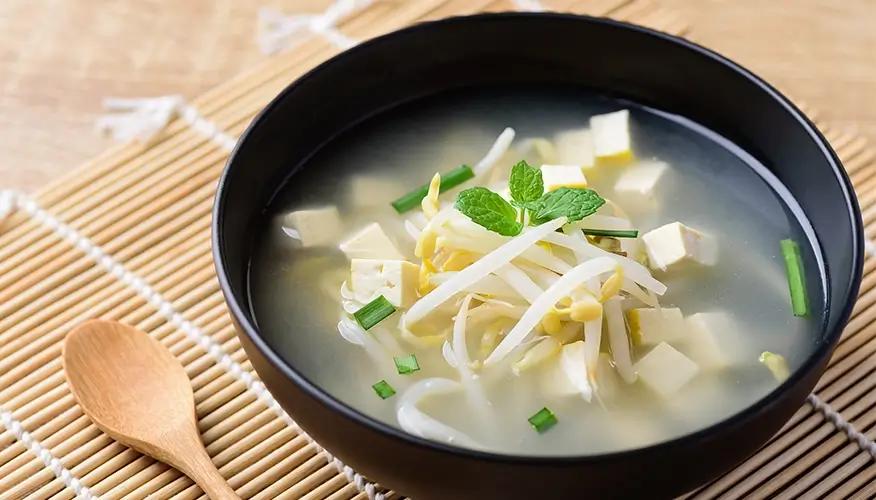
How to Make Thai Tofu Soup:
- To make Thai tofu soup, start by sautéing fresh ingredients like galangal, lemongrass, and black peppers in a pot.
- Add vegetable broth, oyster mushrooms, white onions, bamboo shoots, sprouts, and any other fresh vegetables of your choice to the pot.
- Bring the soup to a boil and let it simmer until the vegetables are tender.
- Next, add tofu to the soup and let it cook for a few minutes. Tofu is a great source of protein and can provide you with the nutrients needed during periods.
- Finally, season the soup with a combination of red/green chilies, kaffir lime leaves, and other Thai spices to add a burst of flavor.
3. Pumpkin Cinnamon Soup For Hormonal Balance
Benefits
- Pumpkin is rich in fiber, which helps reduce bloating and supports digestion during periods.
- It contains nutrients like vitamin A, vitamin C, and potassium that support overall health and may help ease menstrual symptoms.
- Pumpkin seeds are rich in magnesium, which helps relax muscles and reduce menstrual cramps.
The anti-inflammatory properties of pumpkin and cinnamon help soothe period pain and discomfort. - Cinnamon may also help regulate insulin levels and support hormonal balance.
The warmth of the soup can improve mood and provide comfort during menstrual cycles.
Key Nutrients
- Magnesium (from pumpkin seeds) – helps relax muscles and reduce cramps
- Iron – helps replenish blood loss and reduce fatigue
- Vitamin A – supports overall health
- Vitamin C – helps reduce inflammation
- Potassium – supports muscle function
- Omega-3 fatty acids – help reduce menstrual pain
- Zinc – supports hormonal balance
- Protein – supports energy and body function
- Fiber – improves digestion and reduces bloating
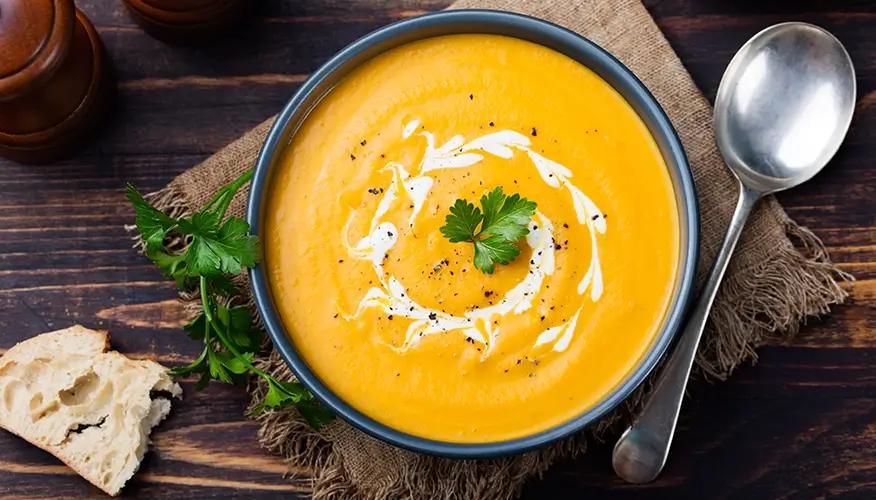
How to Make Pumpkin Cinnamon Soup:
- To make pumpkin cinnamon soup, start by peeling and dicing a medium-sized pumpkin into small cubes.
- Then, heat some oil in a large pot and add chopped onions and garlic. Cook until the onions become translucent, then add the diced pumpkin to the pot.
- Stir and cook for about 5 minutes until the pumpkin softens a bit.
- Next, add vegetable broth, cinnamon, and salt to the pot.
- Bring to a boil, then reduce the heat and let it simmer for 15-20 minutes until the pumpkin is fully cooked. Once cooked, blend the mixture until it becomes smooth and creamy.
- While the soup is blending, toast some pumpkin seeds in a separate pan.
- Sprinkle the toasted pumpkin seeds over the soup when serving.
- You can also add some cream or coconut milk to make it creamier.
- Enjoy this delicious and nutritious soup for a comforting meal during your menstrual cycle.
4. Butternut Squash Soup For Period Comfort
Benefits
- Butternut squash is rich in vitamin A, which supports reproductive health and hormonal balance.
- It contains vitamin B6, which may help reduce symptoms of PMS.
- The soup helps reduce inflammation and improve blood circulation, which can ease period pain.
- Ginger and turmeric in the soup have strong anti-inflammatory properties that help relieve menstrual cramps.
- The fiber content supports digestion and helps reduce discomfort during menstruation.
- The warm and comforting nature of the soup helps improve overall well-being during periods.
Key Nutrients
- Vitamin A – supports reproductive health and hormone balance
- Vitamin B6 – helps reduce PMS symptoms
- Vitamin C – Improves iron absorption
- Potassium – supports muscle function
- Curcumin (from turmeric) – helps reduce pain and inflammation
- Fiber – improves digestion
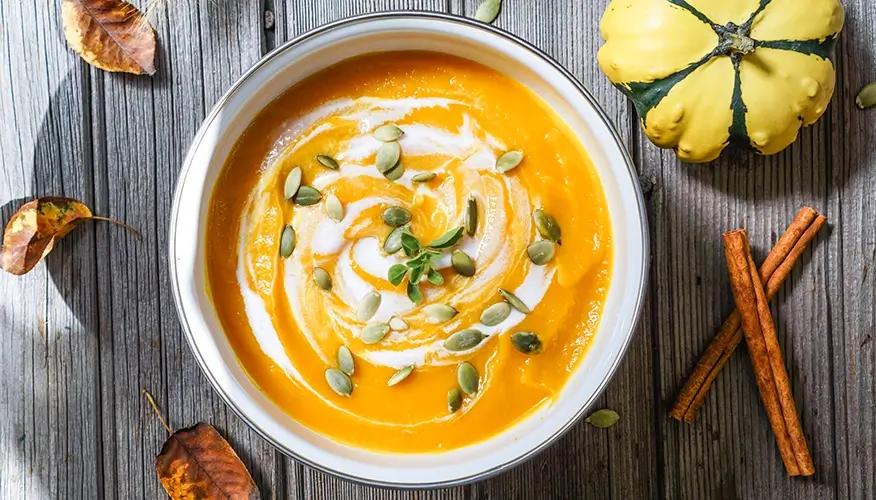
How to Make Butternut Squash Soup:
- To make Butternut Squash Soup, start by roasting a butternut squash in the oven until it's tender and caramelized.
- Then, sauté some onions, garlic, and ginger in a pot until they're fragrant and translucent.
- Add the roasted butternut squash to the pot, along with some vegetable broth, and let it simmer until everything is soft and melded together. Lastly, blend the soup until it's smooth and creamy, and season it with salt and pepper to taste.
- Garnish the soup with some roasted pumpkin seeds or a dollop of sour cream and serve it warm. The smooth and velvety texture of the soup, combined with the warming flavors of ginger and butternut squash, makes it a perfect meal to enjoy during your period.
- Its anti-inflammatory and blood-circulation-boosting properties can help alleviate period cramps and make you feel more comfortable during this time of the month.
5. Broccoli And Kale Soup For Iron & Magnesium
Benefits
- Broccoli and kale are rich in iron, which helps replenish iron lost during menstruation and reduce fatigue.
- They contain calcium and magnesium, which help reduce muscle tension and ease menstrual cramps.
- The soup helps reduce inflammation and pain associated with periods.
- High fiber content supports digestion and helps reduce bloating and discomfort.
- This nutrient-dense soup supports overall well-being during menstruation and may help manage symptoms like PCOS discomfort.
Key Nutrients
- Iron – helps prevent anemia and reduces fatigue
- Magnesium – helps relax muscles and reduce cramps
- Calcium – helps reduce muscle tension
- Vitamin A – supports overall health
- Vitamin C – boosts immunity and reduces inflammation
- Potassium – supports muscle function
- Fiber – improves digestion and reduces bloating
- Antioxidants – help reduce inflammation
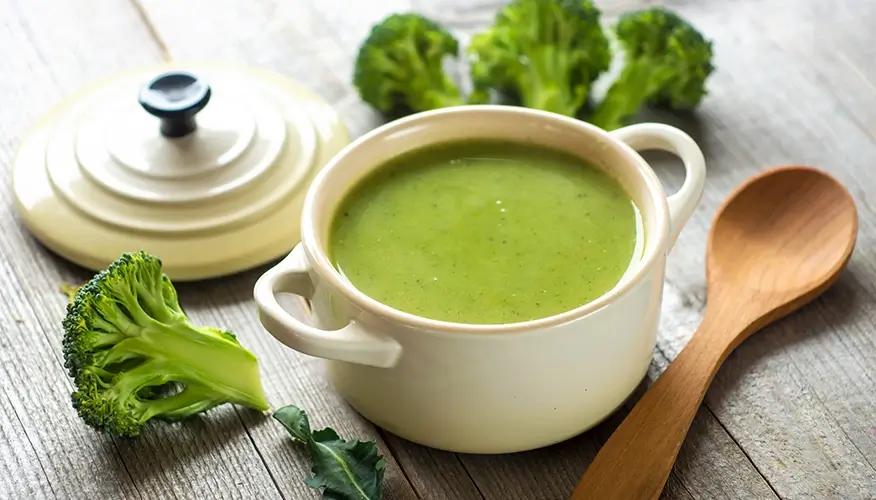
How to Make Broccoli and Kale Soup:
- To make Broccoli and Kale Soup, start by sautéing onions and garlic in olive oil until they become translucent.
- Then, add chopped broccoli and kale to the pan and cook until they soften. Next, add vegetable broth and bring the mixture to a boil.
- Reduce the heat and let it simmer for about 15-20 minutes until the vegetables are fully cooked.
- Once the vegetables are tender, use a blender or immersion blender to puree the soup until it is smooth.
- Finally, add salt, pepper, and any other seasonings of your choice to taste. Serve the soup hot and enjoy its comforting and nutritious benefits for period pain relief.
6. Lentil Lemon And Date Soup For Energy Boost
Benefits
- This soup helps support energy levels and overall well-being during periods.
- Dates provide natural sweetness and are rich in iron and magnesium, helping reduce cramps and improve blood levels.
- The high fiber content helps improve digestion and relieve constipation during periods.
- Lemon enhances iron absorption and provides antioxidants that help reduce inflammation.
- This soup is a comforting and nutrient-rich option for relieving period discomfort.
Key Nutrients
- Iron – helps replenish blood loss and reduce fatigue
- Protein (from lentils) – supports energy and body function
- Magnesium – helps reduce cramps
- Fiber – improves digestion and relieves constipation
- Vitamin C (from lemon) – enhances iron absorption
- Antioxidants – help reduce inflammation
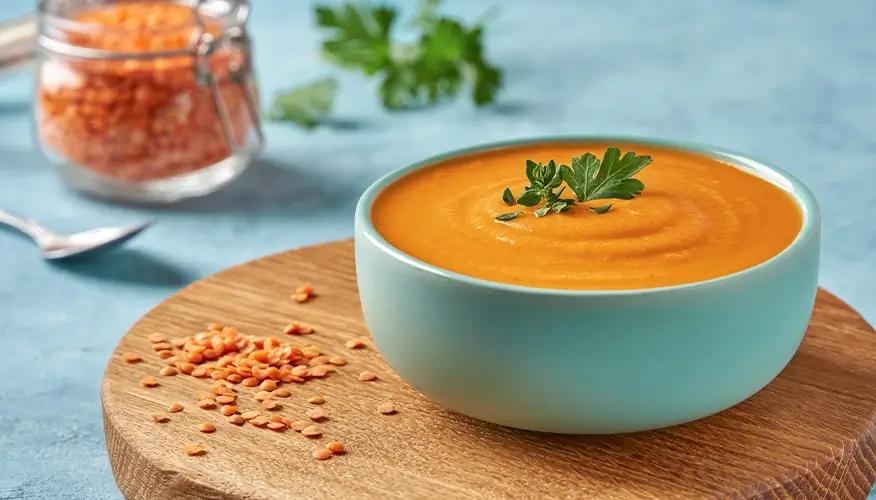
How to Make Lentil Lemon and Date Soup:
- To make Lentil Lemon and Date Soup, start by rinsing one cup of lentils in cold water and then soaking them for a couple of hours.
- After soaking, drain the lentils and add them to a pot with six cups of water or vegetable broth. Bring the lentils to a boil, then reduce the heat and let them simmer for about 30 minutes or until they are tender.
- While the lentils are cooking, chop one onion and two cloves of garlic and sauté them in a separate pan with a tablespoon of olive oil until they are golden brown.
- Add the sautéed onion and garlic to the pot of lentils, along with half a cup of pitted and chopped dates, the juice of one lemon, and a teaspoon of salt.
- Stir everything together and let it simmer for another 10 minutes to allow the flavors to blend.
- Once the soup is done, use an immersion blender to blend it to a smooth consistency, or transfer it to a blender in batches and blend until smooth.
- Taste the soup and adjust the seasoning as necessary. You can serve this soup hot with a sprinkle of chopped fresh herbs or a dollop of Greek yogurt on top. This soup is a comforting and healthy meal option for periods, packed with nutrients and flavor.
7. Spinach And Kale Soup For Iron & Recovery
Benefits
- Spinach and kale are rich in iron, which helps replenish blood loss during menstruation and reduce fatigue.
- This soup helps improve energy levels and supports recovery during periods.
- These leafy greens contain vitamins and minerals that support overall health and help ease menstrual symptoms.
- The high fiber content helps improve digestion and reduce bloating, constipation, and discomfort.
- Kale and spinach also help reduce menstrual cramps and support overall well-being during periods.
Key Nutrients
- Iron – helps replenish blood loss and prevent anemia
- Vitamin A – supports overall health
- Vitamin C – improves immunity
- Vitamin K – supports blood health
- Folate (Vitamin B9) – supports new blood cell formation
- Calcium – helps reduce muscle tension
- Magnesium – helps reduce cramps
- Potassium – supports muscle function
- Fiber – improves digestion and reduces bloating
- Antioxidants – help reduce inflammation
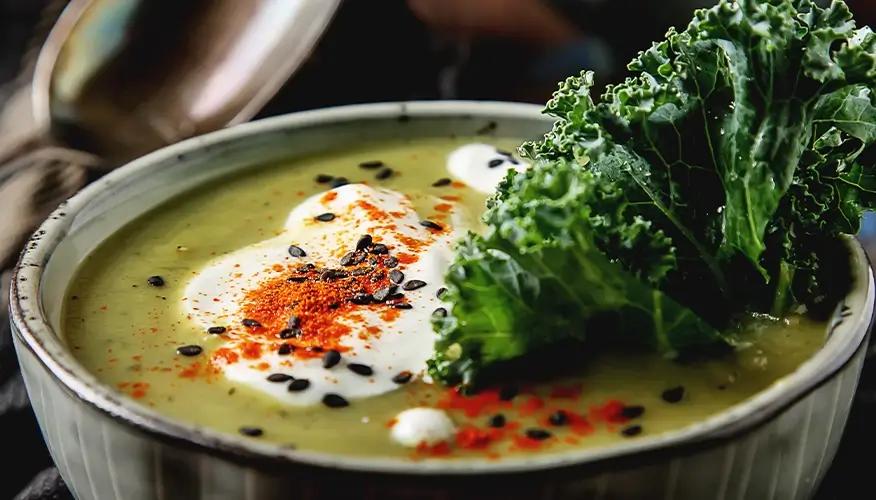
How to Make Spinach and Kale Soup:
- To make spinach and kale soup, start by heating some olive oil in a pot over medium heat.
- Add diced onions and minced garlic and cook until the onions are soft and translucent.
- Then add chopped kale and spinach leaves and stir until they wilt. Add vegetable broth and bring the mixture to a boil.
- Reduce the heat to low and let it simmer for about 20 minutes. Once the vegetables are tender, use an immersion blender to puree the soup until smooth.
- Season with salt and black pepper to taste.
- Serve hot with a sprinkle of Parmesan cheese and some crusty bread.

Conclusion
Period discomfort is often compounded by accompanying gastric disorders - ranging from constipation to diarrhea. Try out these best soups for period cramps and reap the benefits of their potent ingredients that can help you get through periods.
Soups made with powerful ingredients such as ginger, garlic and turmeric can help reduce inflammation in the body, making them the perfect comfort food for menstrual cramps. These soups not only provide period pain relief but also offer a delicious and nutritious way to nourish our bodies during this time.
Whether you're dealing with painful periods or PCOS, incorporating the best soup for period cramps into your diet can be a helpful tool for managing your symptoms. So, the next time you experience period cramps, consider turning to soup as a natural and delicious way to find period pain relief.
Eat fresh and stay healthy, and make sure you incorporate these best soups for menstrual cramps for a comfortable, pain-free period.
Meet our expert

Meet our expert
In her role as the Product Consultant Manager at Mega BiO-LiFE, Jillian Lai Mei Siew is instrumental in fostering a cohesive team spirit among all Product Consultants. Her primary objective is to ensure that each consultant is equipped with accurate and relevant health and nutritional information to better serve clients.



How was the experience with article?
We'd love to know!